AI chat games with rules, state and real outcomes
Quizly lets creators build AI chat games: Turing Tests, guessing games, Hangman, role-based challenges and multi-step prompt games where the AI is not only talking, but also running a game.
A Quizly game can remember saved state, move through steps, check answers, reject invalid moves, detect winners and combine AI responses with deterministic sandbox logic.
What is an AI chat game?
An AI chat game is a conversation with rules. The player writes messages, but the AI is not just answering freely. It follows a game prompt, keeps state, reacts to previous moves and can return structured information such as the current outcome, next step, saved state or winning answer.
This makes it possible to build games that feel conversational but still have mechanics: guessing, scoring, validation, hidden information, rounds, puzzles and endings.
Examples of AI chat games on Quizly
These examples come from Quizly’s existing game deck and are not book chats:
 Turing Test - a hybrid AI game that interviews the player and tries to decide whether they are human or bot
 How the Reverse Turing Test game works
 Guess The Thing - a multi-step guessing game played through chat
 Inside Out - a multi-step prompt game with changing internal logic
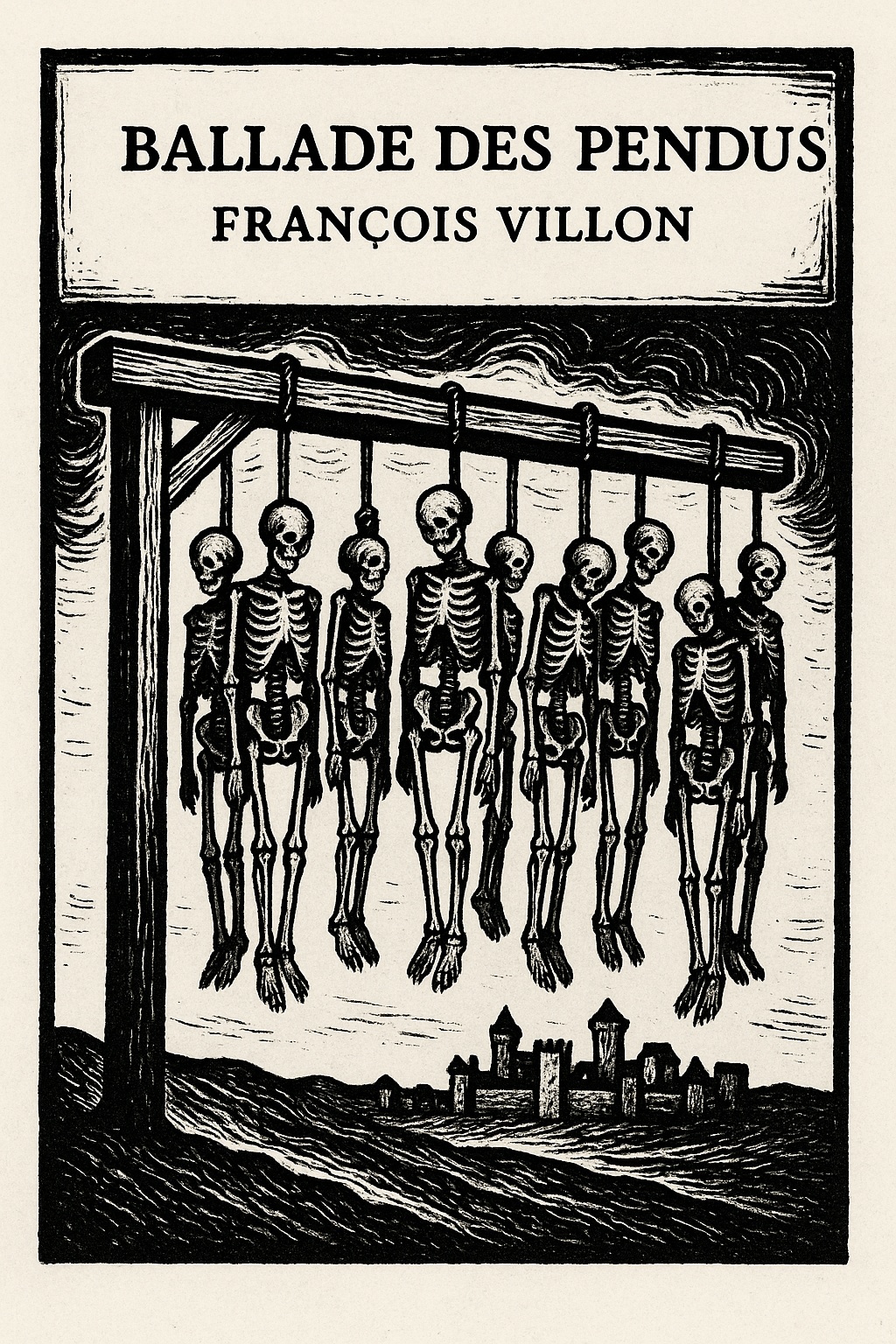 Hangman - a multi-step AI word game with letter-tracking behavior
Multi-step AI game design
Ordinary chatbots are unstable when used as games: they may forget rules, reveal hidden answers, skip steps or accept invalid moves. Quizly solves this with a multi-step game design.
A game can have separate prompt sections for different stages. The active step selects the relevant rules, while saved state carries the game memory between turns. The result is still an AI conversation, but it behaves more like an interactive system than a loose prompt.
Sandbox rules for stricter games
Some games need deterministic checks. For those, Quizly can combine AI output with sandboxed Python logic. The sandbox can process saved state, update counters, validate moves or calculate chart data while blocking unsafe constructs and using a short execution timeout.
This is useful for games such as Hangman, guessing games, scoring systems and other formats where AI creativity must be constrained by exact game rules.
Not only prompts: outcomes and winners
Quizly chat games can return structured outcomes. A game can mark a move as incorrect, update saved state, report that the player has solved the challenge, and record the winning answer. Public games can connect this to contest results, notifications and community recognition.
Create an AI chat game
Start with a simple idea: a test, a guessing game, a puzzle, a personality game, a hidden-object challenge or a word game. Define the prompt, decide whether the game needs multiple steps, add saved state if needed, and publish it as an Echo.
Free Quizly account. No separate author registration is required for a basic public game. Advanced publishing tools are available through a creator profile.
AI chat game FAQ
What is the difference between an AI chat and an AI chat game?
An AI chat answers messages. An AI chat game has rules, state, possible wrong moves, outcomes and often a win condition.
Can an AI game remember previous moves?
Yes. Quizly games can use saved state and conversation history so the game can continue across turns instead of restarting every message.
Can AI chat games have exact rules?
Yes. For stricter mechanics, Quizly can combine AI responses with sandboxed logic that checks or updates game state deterministically.
Are these games connected to contests?
They can be. A game can be published as an Echo, entered into a contest, liked by users, receive donations and produce winners.