Robert Lewis Stevenson
Robert Lewis Stevenson
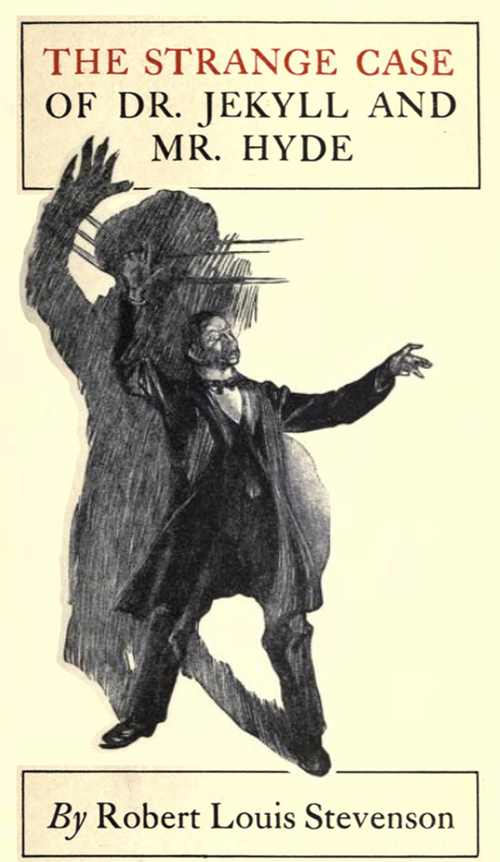
The Strange Case Of Dr. Jekyll And Mr. Hyde
en
*The Story of the Door* revolves around Mr. Utterson, a reserved lawyer who grapples with a growing unease after hearing a chilling tale from his cousin, Mr. Enfield. The story details a sinister incident involving a mysterious man named Mr. Hyde, who brutally tramples a young girl in the streets of London and later compensates the injured family's father with a cheque from the well-respected Dr. Jekyll. Utterson's curiosity is piqued when he encounters Hyde, whose appearance evokes a palpable sense of horror in him.

With the narrative expanding into *Search for Mr. Hyde*, Utterson delves deeper into Dr. Jekyll's peculiarities through examining Jekyll's will, which surprisingly favors Hyde. Utterson, distressed by the connection between his old friend and the nefarious Hyde, resolves to learn more about this mysterious figure. This leads him to visit Dr. Lanyon, another of Jekyll's friends, who has cut ties with Jekyll over his uneasy scientific experiments.

The tension escalates as Utterson learns of Hyde's involvement in a gruesome murder of Sir Danvers Carew, a respected gentleman. The ensuing investigation underscores Hyde's menace and draws Utterson further into the web of mystery surrounding Jekyll, who increasingly isolates himself, claiming to be ill.

A desperate sense of dread culminates with Mr. Utterson's late night visit to Jekyll's residence. The lawyer, encouraged by the butler Poole, finally confronts the truth behind Jekyll's strange behavior. They discover the cabinet that serves as the abode for the personas of both Jekyll and Hyde. Therein, they find a note that lays the story bare—a tragic confession from Dr. Jekyll outlining his dual life, living partly as Hyde, who embodies his darker urges and secret desires.

Through Jekyll's narrative, the reader learns that he crafted a potion to separate his good and evil selves. The elixir leads him into moral depravity as he succumbs to Hyde's hedonistic impulses. However, as the transformations grow less predictable and the substance runs low, Jekyll faces the ultimate horror of becoming Hyde permanently. His confession ends with the chilling acknowledgment of his impending doom, encapsulating the tragic struggle between the duality of human nature and the inevitable repercussions of unchecked desires.

Ultimately, the intertwined lives of Jekyll and Hyde serve as a profound commentary on morality, identity, and the thin veneer that separates civility from savagery, leading to an unsettling exploration of the human psyche.