G. K. Chesterton
G. K. Chesterton
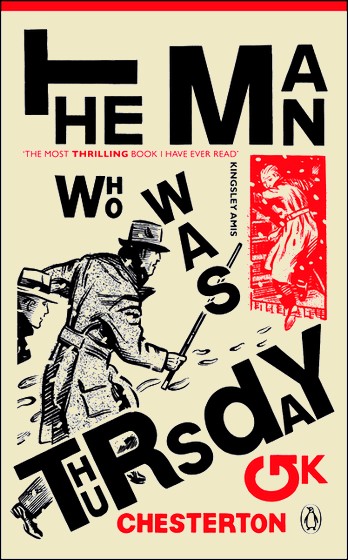
The Man Who Was Thursday
en
**Comprehensive Overview of "The Man Who Was Thursday" and Its Thematic Depth**

G. K. Chesterton’s *The Man Who Was Thursday* resists simple classification, blending adventure, detective fiction, philosophical allegory, and satire into a single, intricate narrative. Initially attractive as a suspenseful story involving criminals and detectives, it soon reveals itself as a layered meditation on chaos, order, and the human condition. The novel’s compelling suspense and inventive plot stand alongside profound philosophical and spiritual explorations, making it a quintessential example of a work that is both entertaining and enlightening.

The narrative intricately explores themes of identity, morality, and the nature of evil, all woven through a series of surreal and symbolic episodes. Chesterton employs a high-spirited style, buoyant with wit, which masks deeper questions about the universe and the human soul. The revelation that the seemingly innocent Gregory Gregory (Poet Lucian Gregory) is in fact a police spy, and that the seemingly villainous Sunday (the leader of the anarchist council) is secretly a divine figure—"the Sabbath"—serves as an allegory for the perennial conflict between good and evil, chaos and order, ultimately revealing that appearances can be deceptive and that understanding requires stepping beyond surface symbols.

The novel’s design employs a vivid cast of symbolic characters representing the days of the week, each embodying particular philosophies and moral attitudes: Gregory as an anarchist and poet of disorder; Syme as the detective embodying rationality, respectability, and moral clarity; Sunday as the divine symbol of eternal peace and the paradoxical personification of both divine and demonic traits; and other figures such as Gogol, the tragic and comic caricature of chaos. Chesterton’s use of allegorical figures emphasizes that behind the visible chaos lies a profound spiritual truth—one that challenges the modern tendency to see evil as purely external or superficial.

Throughout, the story functions as a philosophical nightmare—wild, mad, hilarious, yet deeply moving—probing the existence of evil and the possibility of divine justice. The narrative oscillates between the grotesque and the sublime, illustrating that human perceptions often distort reality, and that true insight necessitates transcending appearances. The final revelation—that the leader of the anarchists, Sunday, claims to be "the man in the dark room" who "made you all policemen"—is emblematic of Chesterton’s critique of dualism and his affirmation that divine truth remains elusive and unseen in the ordinary world—yet remains accessible through faith and moral courage.

The novel’s poetic interludes, reflective addresses to a friend, and the vivid depictions of London’s suburbs and underground chambers serve as metaphors for the spiritual depths and superficial appearances of modern life. Chesterton’s masterful blending of humor, mysticism, and critique yields a narrative that is both wildly entertaining and intellectually profound—ultimately a celebration of human resilience in the face of chaos, and a call to recognize the divine within the chaos of human existence.

In essence, *The Man Who Was Thursday* is a richly poetic allegory examining the struggle between chaos and order, the masks of evil and goodness, and the eternal quest for divine understanding amid the absurdities of the modern world. Its enduring appeal lies in its capacity to entertain and to provoke reflection on the truths buried beneath appearances.