Robert Lewis Stevenson
Kidnapped
Kidnapped
en
This compendium provides a synthesis of two intertwined narratives from classic Scottish adventure literature, emphasizing themes of loyalty, deception, morality, and resilience within the turbulent setting of 18th-century Scotland.

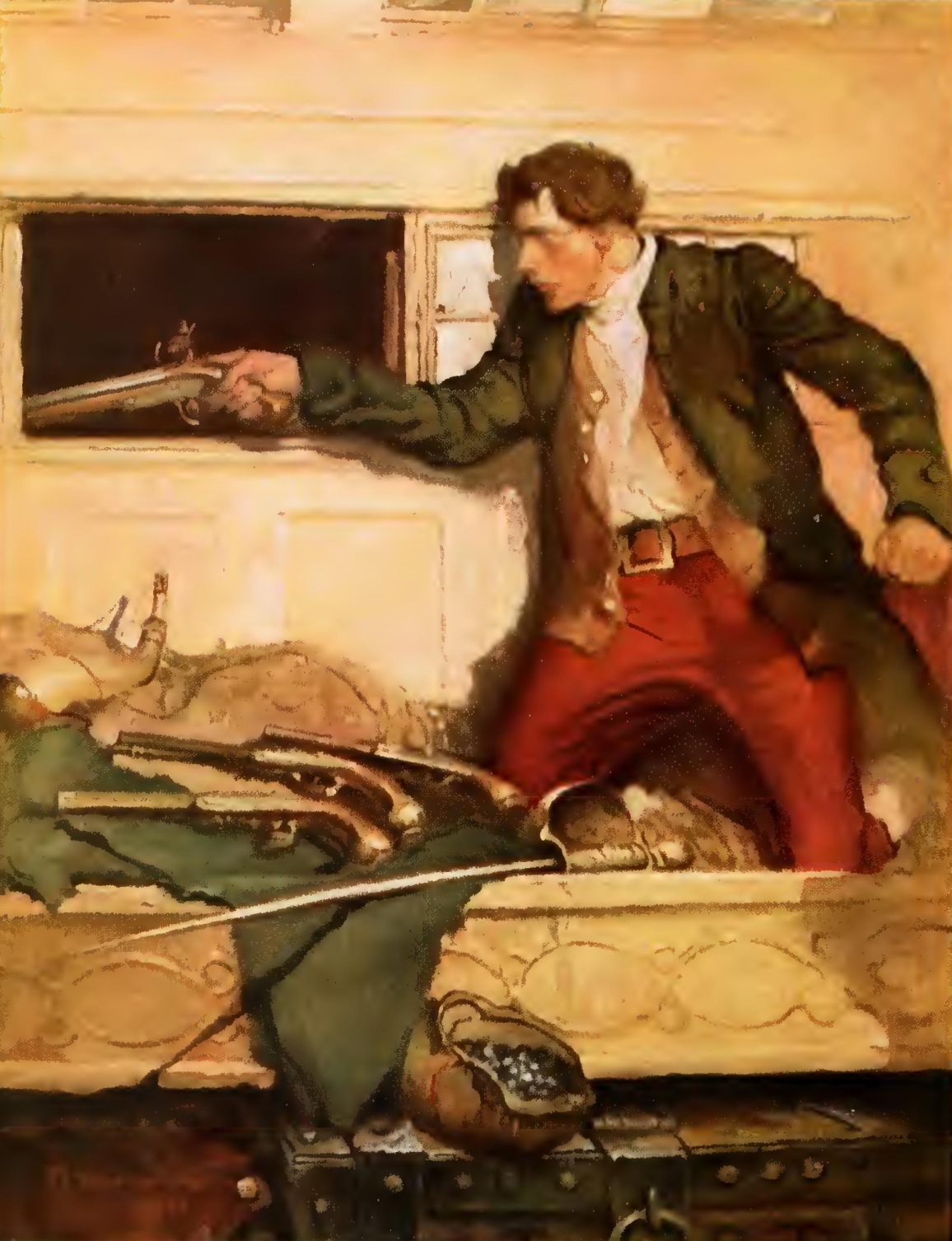
The first narrative centers on Robert Louis Stevenson’s *Kidnapped*, a semi-autobiographical adventure recounting David Balfour’s journey from innocence to maturity amidst Scottish Highlands and political upheaval. Balfour’s tale begins with his departure from home, guided by Reverend Mr. Campbell, leading him to discover his noble ancestry and the shady dealings of his unscrupulous Uncle Ebenezer Balfour. Stevenson vividly depicts the rugged terrain, clandestine Highland crossings, and legendary local characters like Alan Breck Stewart—a fiery Jacobite inspired by historical figures—whose vehement loyalty and combativeness exemplify Highland clan culture. The story unfolds against the backdrop of the 1752 Appin murder trial, embedding real historical events into Stevenson’s fictional narrative. Dramatic shipwrecks, treacherous sea chases, and daring escapes shape David’s resilience, while his encounters with Highland customs, secret signals, and outlawed Jacobite sympathies deepen the portrayal of a land steeped in legend. Throughout, Stevenson explores themes of political resistance, social justice, and the enduring spirit of Scottish identity, culminating in David reclaiming his inheritance amid ongoing political unrest.

The second narrative excerpt focuses on a clandestine meeting involving Alan Breck and others, set against the same Scottish landscape. Here, the scene emphasizes strategic negotiation and deception, vital to navigating the era’s lawless environment. Alan’s sharp wit and moral ambiguity surface as he approaches David’s uncle Ebenezer Balfour for a covert agreement. The dialogue reveals underlying tensions—discussions of kidnapping, ransom, and the sympathetic yet morally complex outlook of the characters—highlighting the blurred lines between legality and morality in a society rife with political and personal conflicts. The characters’ decisions, driven by loyalty and survival, reflect the harsh realities faced by those embroiled in clandestine activities. As Alan departs, leaving David amid Edinburgh’s bustling streets, themes of emotional conflict and societal complexity come to the fore, illustrating David’s transition from innocence to superficial understanding of the moral ambiguities surrounding him.

Together, these narratives encapsulate a richly layered depiction of Scottish history and legend, blending adventure, moral dilemmas, and personal growth. They emphasize the resilience of Scottish clans, the tumult of political oppression, and the indomitable human spirit navigating a landscape filled with danger, loyalty, and legendary heroism.