Эрнст Теодор Амадей Гофман
Эрнст Теодор Амадей Гофман
КРОШКА ЦАХЕС, ПО ПРОЗВАНЬЮ ЦИННОБЕР
ru
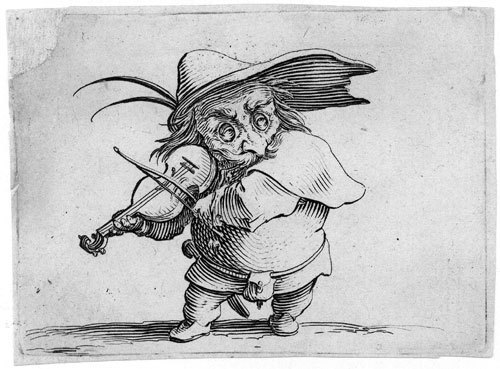
The narrative explores the intertwining fates of characters in a small village, focusing on themes of beauty, transformation, and the absurdity of human perceptions. The story begins with a poor peasant woman lamenting the birth of her deformed child, who, despite his grotesque appearance, possesses the capacity to consume great quantities of food without ill effect. It becomes clear that this child, named Цахес, is the result of a bizarre twist of fate.

A benevolent figure, a noble maiden named фон-Розеншён, encounters the peasant and her child while on a walk. Moved by compassion, she soothes the deformed child and unwittingly casts a spell upon him. This results in Цахес being perceived as a charming and clever boy instead of a grotesque deformity, fundamentally altering how everyone interacts with him, including his mother who, appalled at his earlier appearance, now sees potential in her son. This transformation leads to a series of misunderstandings and comedies of mistaken identity, with Цахес rising to power as a minister.

The narrative further complicates when Bальтазар, a student, and his energetic friend Фабиан, attempt to expose Цахес's true nature. They delve into the magical aspects surrounding the tale, seeking to revert the enchantments placed upon Цахес. Furthermore, another character, Пульхер, experiences his own trials tied to the rise of Цахес, adding to the overarching themes of jealousy and ambition amidst a backdrop of perceived honor and societal roles.

In a humorous twist, the students’ antics lead them into confrontations with royal figures and allegorical interactions with nature, suggesting that the true identity of a person lies beyond mere physical appearance. The rediscovery of what is "real" versus what is "perceived" plays out against the idyllic landscape of the village, manipulated by various characters’ desires and dreams.

The conclusion leaves the reader with reflections on human folly, love, distortion of reality, and the potency of compassion over cruelty. Relationships are mended as characters learn to embrace genuine sentiment over superficial judgments, culminating in a celebration that underscores the interconnectedness of their fates and identities. The tale ultimately weaves a magical realism, questioning normative perceptions of beauty and worth against the vibrant tapestry of life and relationships.