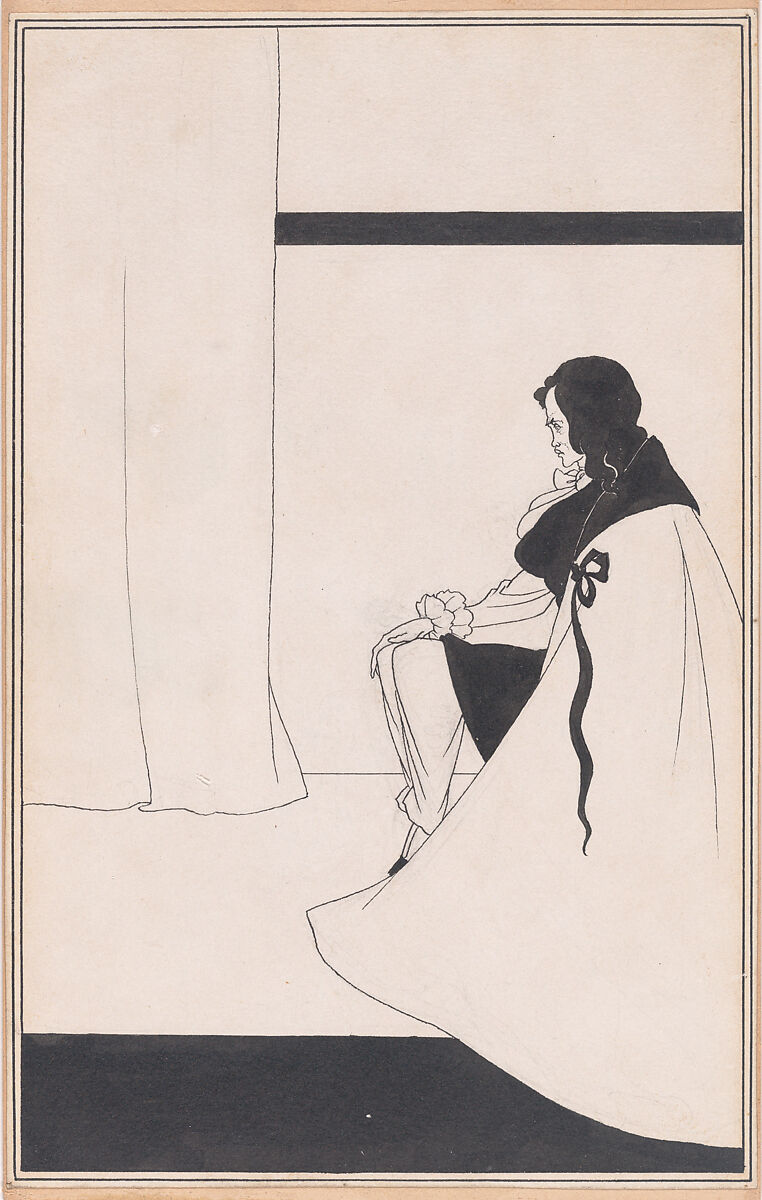
Edgar Allan Poe
Edgar Allan Poe
THE FALL OF THE HOUSE OF USHER
en
*The Fall of the House of Usher*, a narrative by Edgar Allan Poe, opens with a dark depiction of an autumn day as the protagonist arrives at the eerie House of Usher. The setting evokes a deep sense of gloom as he introspects on the landscape, likening its melancholic atmosphere to the disorienting effects of opium. This heavy dread is compounded by his relationship with Roderick Usher, his childhood friend, who has summoned him due to acute physical and mental illness. Roderick's family, marked by a history of peculiar sensibilities and a lack of further branches in their lineage, has been shaped by generations of isolation and gloom.

Upon entering the decaying mansion, the protagonist is struck by Roderick’s altered appearance, showcasing significant mental distress. Roderick's affliction is deeply intertwined with his surroundings, persuading him that the house possesses a sentient influence over his psyche. His sister, Madeline, is also a source of torment for Roderick, battling a mysterious illness and serving as his sole companion. As the narrative progresses, her deteriorating condition exacerbates Roderick’s malaise.

In the climax, after Madeline's entombment, Roderick descends further into madness, haunted by the sounds of her presence. Upon her return as a ghostly figure, Roderick succumbs to terror, resulting in both siblings' demise. The house itself crumbles in a final act of symmetry with the fates of its inhabitants, submerged once and for all into the tarn. Thus, Poe weaves themes of decay, isolation, and the supernatural, culminating in a haunting exploration of the human psyche.