Charles Dickens
Charles Dickens
The Mystery of Edwin Drood
en
This combined compendium offers a comprehensive overview of Dickens’ *The Mystery of Edwin Drood*, emphasizing its rich thematic and atmospheric complexity. The narrative intertwines gothic imagery with social critique, character development, and psychological depth, creating a layered portrait of Victorian society and the darker facets of human nature.

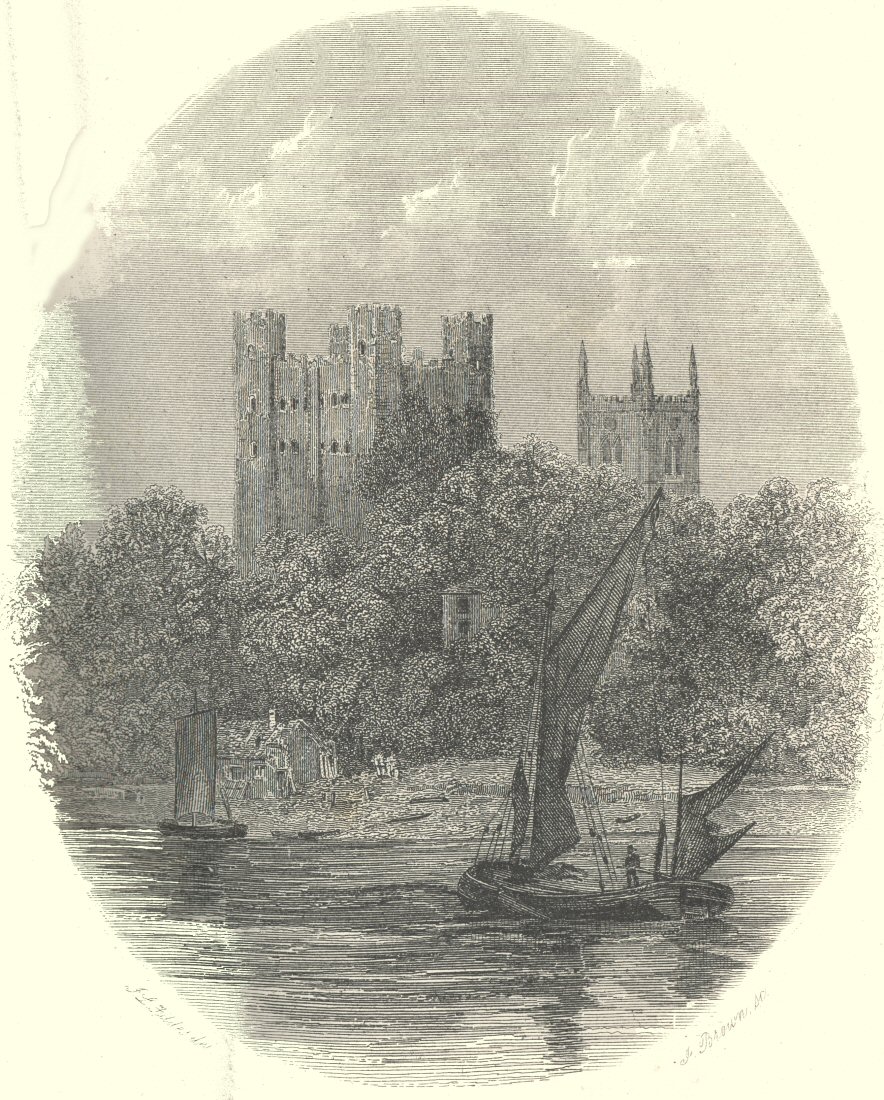
The setting is steeped in gothic imagery, prominently featuring the ancient cathedral, whose towering spire symbolizes tradition, history, and the inescapable influence of the past. Dickens vividly describes surreal visions—fantastical scenes of cymbals and elephants—that hint at the protagonist’s psychological turmoil, rooted in opium-induced hallucinations and despair. This environment of decay and reverence underscores the pervasive presence of history and tradition, which shadow the characters’ lives.

Central figures include Jasper, a brooding musician with unresolved internal conflicts, and Canon Crisparkle, a moral anchor of benign piety. Jasper’s intense devotion and his diary entries reveal a man haunted by suspicion, hope, and darker impulses, foreshadowing tragic events. Characters like Sapsea, an ambitious auctioneer, and Durdles, a cryptic mason with knowledge of secret passages, enrich the gothic landscape, embodying societal pretensions and buried secrets, respectively. Durdles’s explorations in the crypt, coupled with ghostly sounds, reinforce themes of buried truths and spectral echoes.

The social fabric of Cloisterham is depicted with satirical bite, illustrating petty rivalries, gossip, and romantic entanglements that reflect societal hypocrisies. Dickens explores themes of innocence versus suspicion, addiction, and moral ambiguity through characters’ interactions and internal struggles. Rosa’s plight exemplifies innocence caught in a web of dark passions, while her flight to London, seeking refuge with her guardian Grewgious, introduces a tone blending humor and pathos—highlighting the volatility beneath Victorian respectability.

Investigation and intrigue are woven through scenes involving Mr. Datchery, whose observant persona and engagement with local figures like Sapsea and Landless deepen the mystery. Dickens’s detailed descriptions of dialogues, personal histories, and environments emphasize the interconnectedness of characters and the layered moral landscape they inhabit.

Overall, Dickens crafts a dense, atmospheric narrative that explores societal hypocrisies, moral uncertainty, and human passions. His mastery of gothic imagery, psychological insight, and social critique culminates in a richly textured work that probes the depths of darkness within the human soul, making *Drood* a quintessential study of shadowed morality and unresolved mystery.