William Shakespeare
William Shakespeare
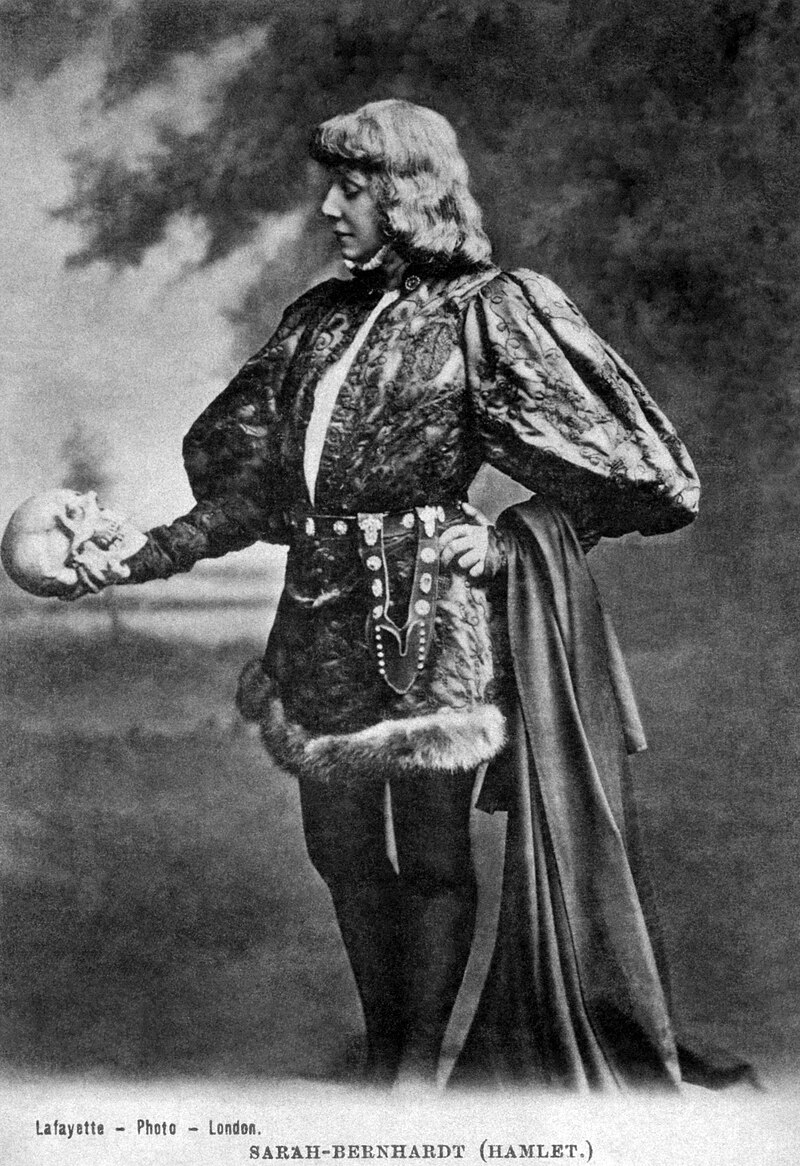
The tragedy of Hamlet, prince of Denmark
en
Shakespeare's "Hamlet" is a timeless exploration of human emotion, morality, and existence, centered around the tragic tale of Prince Hamlet of Denmark. The narrative thrives on themes of revenge, madness, mortality, and the complexities of the human psyche, typically punctuated by its rich character portrayals.

In the beginning, we are introduced to the principal characters: Hamlet, who grapples with the death of his father, King Hamlet; Claudius, his treacherous uncle; Gertrude, Hamlet’s mother who hastily remarries Claudius; Ophelia and Laertes, siblings entangled in the court’s machinations; and Horatio, Hamlet’s loyal friend. This ensemble is precipitated into turmoil by the revelation of the late king's ghost, who reveals that he was murdered by Claudius. Herein lies Hamlet's moral quandary: to avenge his murder or not, prompting an internal struggle that resonates through the subsequent acts.

As the story unfolds, Hamlet's descent into feigned madness serves multiple purposes—both as a strategic ploy to uncover the truth and as a manifestation of his despair over his father’s death and his mother's remarriage. His interactions with characters like Ophelia, whom he both loves and repulses, reflect his tumultuous emotions, revealing the disarray of his mind. The famous soliloquy "To be or not to be" exemplifies Hamlet's existential contemplation, showcasing his struggle between action and inaction—a theme that various characters interact with as the narrative progresses.

The plot thickens as Hamlet’s intentions to expose Claudius through the play "The Mousetrap" culminate in the king’s guilt being revealed. However, the chain of misunderstandings and manipulations leads to a tragic culmination where not only Hamlet but also Laertes, Gertrude, and Claudius meet their fates. Laertes’ revenge for his father Polonius’s death intertwines with Hamlet's quest for vengeance, creating an intricate web of retribution.

Ultimately, "Hamlet" examines the human condition—questioning fate, intent, and the uncertainties of life and death. Its conclusion is steeped in tragedy as it brings forth the themes of mortality and consequence, symbolizing the inevitable fate that befalls those ensnared in the spiral of revenge and sin. It remains a poignant reflection of the struggles endemic to human existence, offering audiences profound insights that resonate well beyond the Elizabethan era.