Bitcoin for the beginners[UNDER CONSTRUCTION]
Bitcoin presents a transformative approach to currency, leveraging its unique properties such as scarcity, divisibility, and security to address issues in the current financial system, while also providing an alternative to fiat currencies that are vulnerable to inflation and manipulation. This decentralized digital currency empowers individuals by facilitating secure and anonymous transactions, ensuring users retain control over their wealth without reliance on traditional banking structures, thus heralding the potential for a stable and equitable financial future.
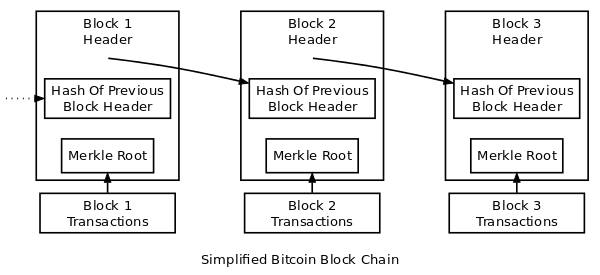
Who has larger chain?
Bitcoin uses a blockchain where network participants called miners compete to add new blocks to the ledger every 10 minutes, earning transaction fees as rewards. The longest chain is prioritized to maintain security, as it represents the most work done, making it difficult for any miner to alter past blocks without significant computational power. While instant payments could be implemented, a new layer on top of the blockchain may be necessary for reliable execution.
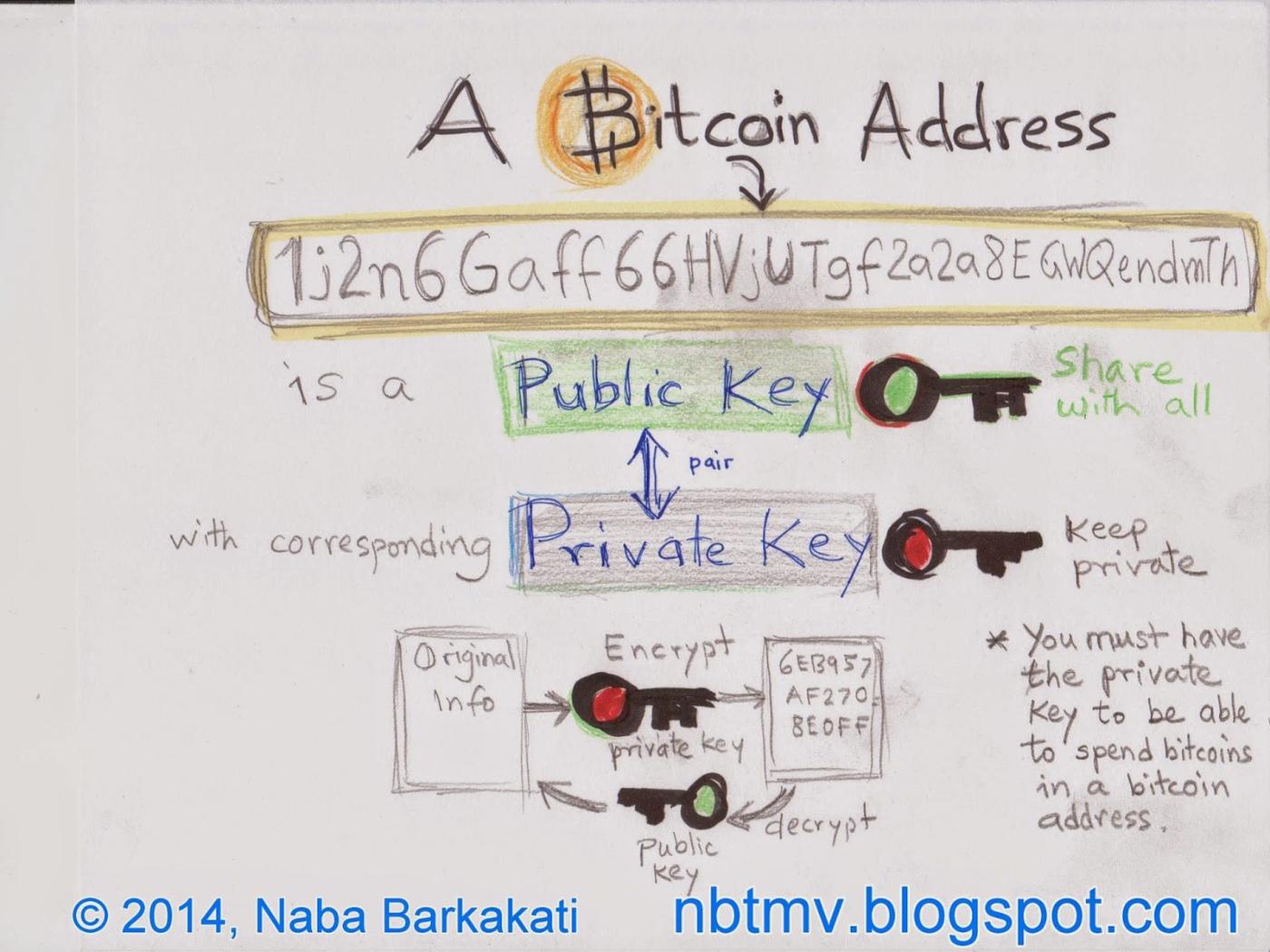
To keep it safely
An electronic signature consists of a private key kept secret by the signer and a public key shared for verification. The signing process allows for secure document validation and facilitates transactions such as moving Bitcoin between users. A transaction details inputs, outputs, and signatures, ensuring accuracy and preventing errors through the use of a Bitcoin address.
Useless job - useful!
Spam emails are sent en masse with minimal cost, leading to their proliferation. A proposed solution is to implement a computational "stamp" system, where sending an email requires solving a complex problem, making mass mailing unprofitable for spammers. This concept later inspired Bitcoin's blockchain technology, which utilizes a similar approach to validate transactions.
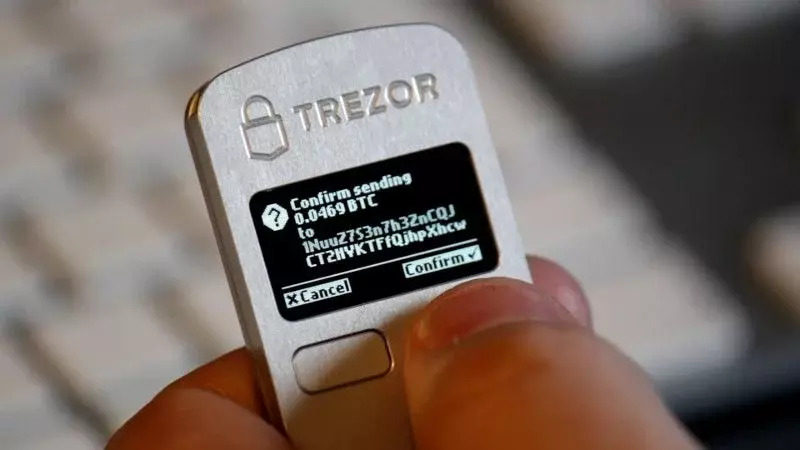
The key of the treasury
A Bitcoin payment involves transferring funds from your wallet to a seller's specified address, using a Bitcoin client to sign the transaction with your private key. Unlike credit cards, Bitcoin transactions are irreversible and require careful handling of private keys to secure access to funds. For receiving payments, users can provide a Bitcoin address, ideally as a QR code, while maintaining anonymity by using different addresses for each transaction.
Byzantine generals
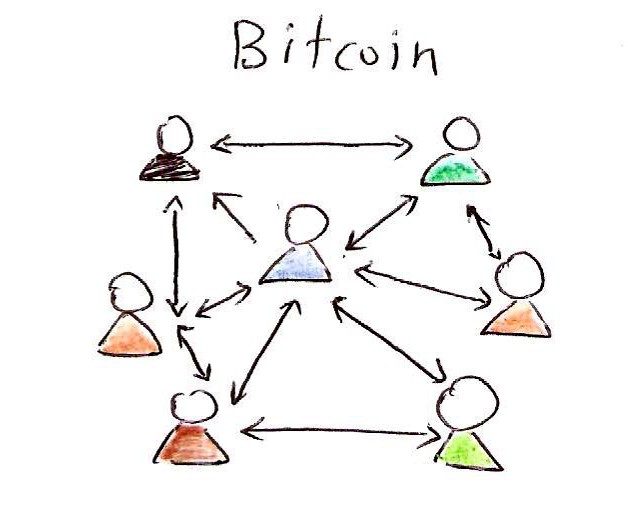
The reliance on centralized game currencies parallels potential issues in financial systems, such as vulnerability to fraud and data loss. To enhance reliability, a decentralized approach is proposed, where records are stored in multiple locations, ensuring greater security and accessibility. However, challenges remain, highlighted by the Byzantine Generals Problem, which the great wizard's solution aims to address.

Why do we need Bitcoin?
Bitcoin offers a secure, anonymous, and portable alternative to traditional currency, allowing for instant transactions without reliance on banks. Its capped supply protects against inflation, while its unique properties enable seamless transfers and easy division. This makes Bitcoin an appealing option for preserving savings and conducting transactions discreetly.
The new dawn
The Bitcoin algorithm allows for decentralized electronic cash with a capped supply of 21 million coins, initiated through mining instead of pre-mining. Unlike traditional banking, Bitcoin's system avoids inflation issues by not increasing the money supply, leading to a more stable economy. The absence of a central bank means financial fluctuations could occur, but Bitcoin's unique structure promotes responsible investment and economic activity without unsustainable debt.