Sprawling Arabization[UNDER CONSTRUCTION]
The historical narrative of Jerusalem reveals a fluctuating Jewish presence marked by periods of persecution, expulsion, and significant cultural erasure, culminating in the current reality of a revitalized Jewish capital that aims to foster inclusivity and respect for all faiths while acknowledging the complexities of its past.
War with the dead
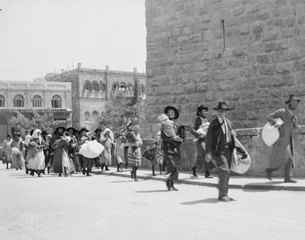
The Jewish cemetery on the Mount of Olives, historically significant to Judaism, endured extensive desecration and destruction under Jordanian rule between 1948 and 1967, with the systematic erasure of Jewish presence and rights. Over 38,000 tombstones were destroyed, and efforts to assert Jewish claims to the area were disregarded. This led to a deliberate Islamization of East Jerusalem, while the global community remained silent on the matter.
Cleansing
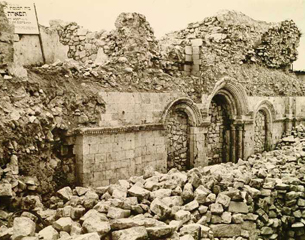
Between 1936 and 1948, Jewish residents of East Jerusalem faced violent expulsion and destruction of their properties and synagogues, culminating in the Jordanian army's occupation during the War of Independence, which eradicated the Jewish presence in the area. The Jordanians demolished significant synagogues to erase Jewish history and prohibited Jewish access to holy sites despite international agreements. It wasn't until Israel's victory in 1967 that the Jewish community began to return to East Jerusalem.
East Jerusalem
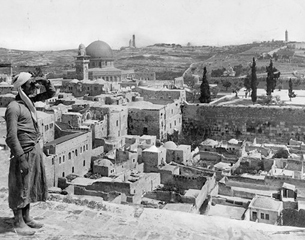
Jerusalem Day was celebrated in Israel, emphasizing the city's historical Jewish presence despite periods of persecution and expulsion. Mahmoud Abbas claims East Jerusalem has an Arab character, yet historical data reveals a sustained Jewish majority in the city for centuries. The expulsion of Jews from East Jerusalem notably began during the 1929 pogroms and continued through the 1936-1939 intifada, leading to significant Jewish migration out of the area.
Christians
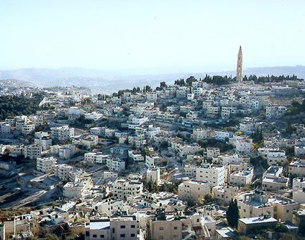
Christians in Jerusalem faced severe persecution under Jordanian rule, leading to a significant population decline. After Israel's reunification of Jerusalem in 1967, Christians found better conditions under Jewish sovereignty, despite ongoing challenges. Today, Jerusalem experiences unprecedented development and demographic changes, with a growing Jewish population and improved freedoms for all religious groups.