Humans in space: history and practice[UNDER CONSTRUCTION]
This course on "Astronautics" provides a comprehensive overview of the historical development and milestones of human spaceflight, highlighting significant figures and achievements from the first human spaceflight by Yuri Gagarin, through the competitive space race between the Soviet Union and the United States, to the advancements in technology and exploration that laid the groundwork for future endeavors in space.
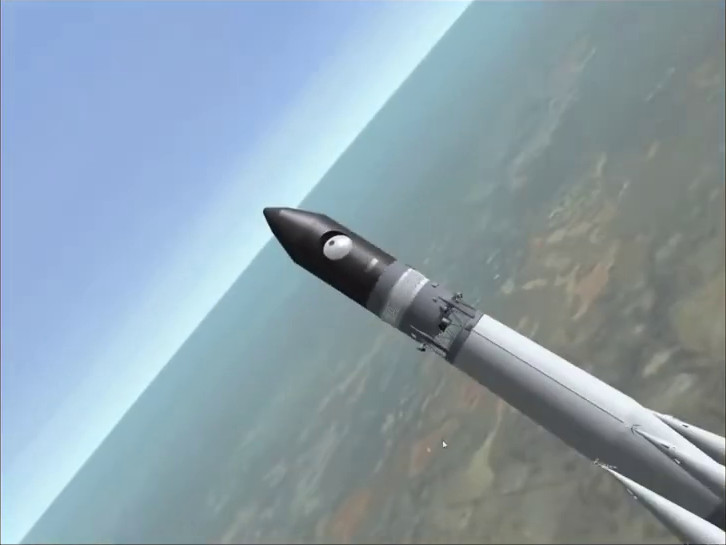
First humans in space
The lecture discusses the historical significance of Yuri Gagarin's first human spaceflight on April 12, 1961, as a monumental achievement for the Soviet Union and a pivotal moment in the space race. It highlights the contributions of key figures such as Gagarin and General Kamanin, the technological advancements of the Vostok spacecraft, and the cultural impact of this event on global perceptions of space exploration. Additionally, it touches upon the American response, led by President Kennedy's commitment to landing a man on the Moon, marking the beginning of intensified competition in astronautics.
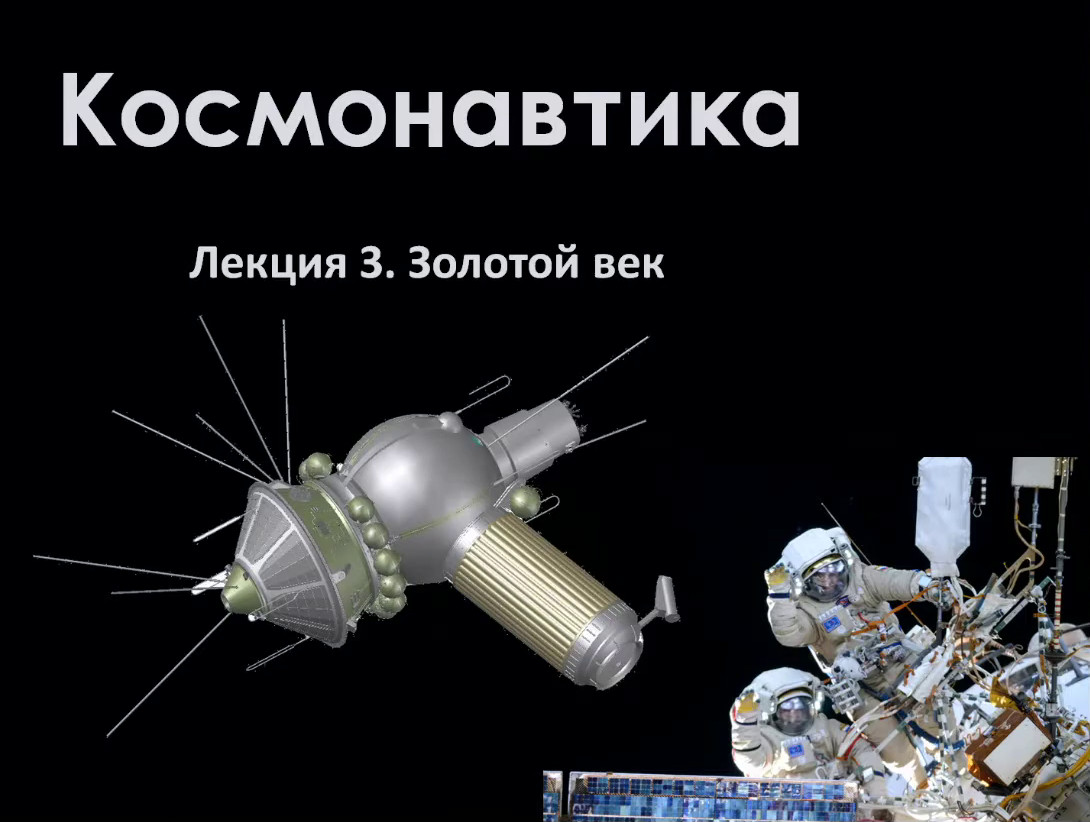
The Golden Age
The text outlines the historical competition between the Soviet Union and the United States during the second half of the 1960s in the field of space exploration, highlighting significant milestones such as the first human spacewalk by Alexei Leonov and the first soft lunar landing by Luna-9. It also discusses key figures in Soviet astronautics, including Konstantin Feoktistov, and technological advancements like the Proton rocket initiated by Vladimir Chelomey. The narrative serves as a prelude to further discussions on lunar missions and the space race's implications for humanity's future in space exploration.