Modern Times Changes of the Status of Knowledge[UNDER CONSTRUCTION]
This course explores the evolving relationship between art and social structures, particularly focusing on how the emergence of a new social class—characterized by knowledge-based labor and high cultural capital—has transformed artistic production and consumption, leading to a blending of high and popular culture, and necessitating a deeper understanding and reflective engagement with artistic innovations.
The Changing Status of Knowledge in the Arts and Humanities
The upcoming lecture series will explore the evolution of cultural capital among the "new class" and its impact on the social status of knowledge in the arts and humanities. While these changes originated in the 1980s, recent shifts in higher education and technology have intensified their visibility. The quest for recognized knowledge has become a catalyst for new institutional and economic advancements.

Cultural Capital in Late Modernity and the Changing Social Status of Knowledge
Cultural mobility and critical evaluation of art are essential for modern social elites, requiring broad yet shallow knowledge of diverse artistic fields. This shift emphasizes the importance of formal education and critical thinking over narrow expertise. Consequently, there may be a resurgence in the relevance of humanistic education amid the rise of general curricula and online learning.

Modernity, Social Stratification, Cultural Capital, and the Ideology of Autonomous Art
The bourgeoisie established a cultural homology with artists to differentiate themselves from the aristocracy and working class, leading to the creation of new artistic institutions and ideologies. Artists began to prioritize independence from external influences, focusing on genuine expression and continuous innovation. This shift resulted in a social hierarchy marked by distinct classifications of high art versus popular culture, influenced by cultural capital.
Omnivorous Cultural Consumption, Shifts in Regimes of Value, and Conspicuous Openness as a New Form of Cultural Capital
The "new social class" claims cultural superiority not through snobbery but via an appreciation of diverse art forms, termed "omnivores." Their cultural consumption reflects a deep understanding of both high art and popular culture, enabling them to critique and interpret various cultural products. This "conspicuous openness" indicates a differentiation based on extensive cultural knowledge.
Pop Art, Cultural Industries, the “New Social Class,” and Classification Struggles in the Field of Art Production
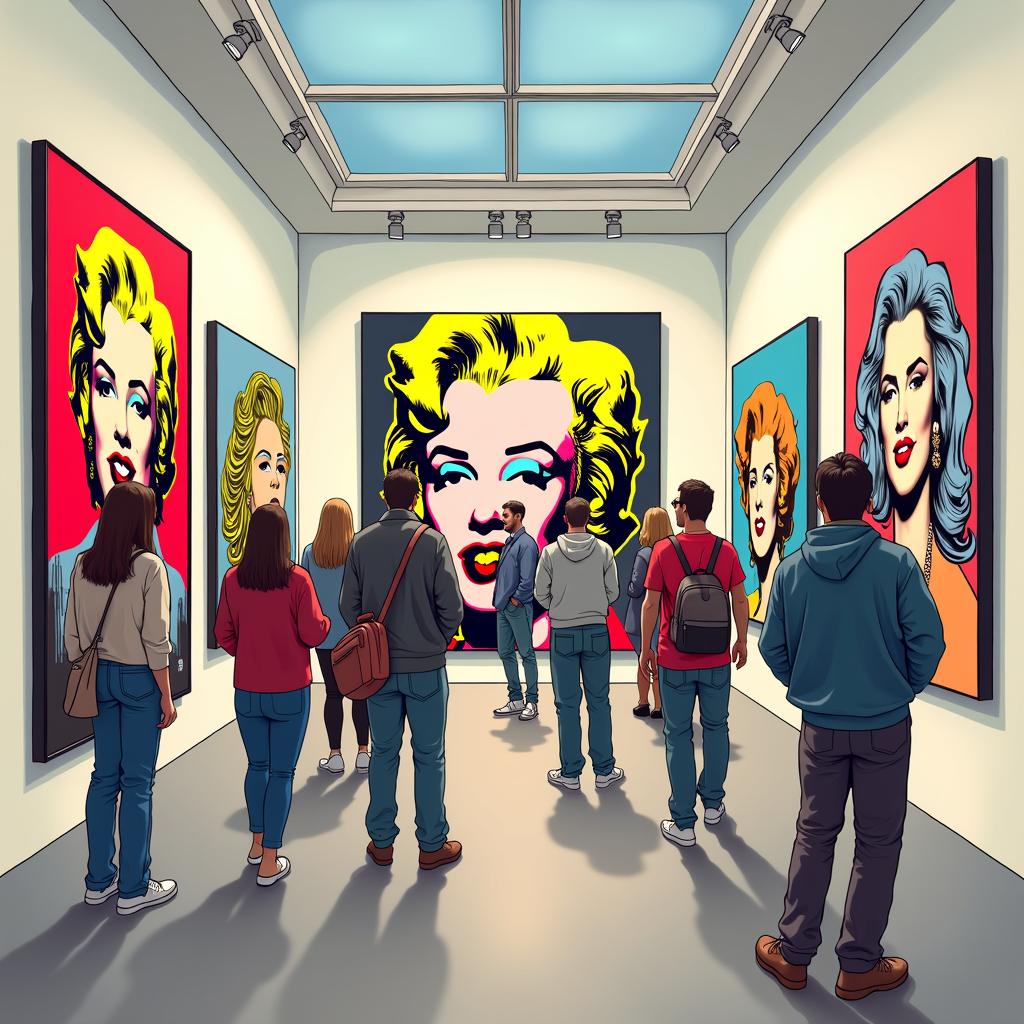
In late modernity, the connection between art and social structure transformed, reflecting broader societal changes. The distinctions between high and popular culture blurred as both artists and audiences began to recognize elements of innovation within commercialized forms of art. This shift is also linked to the rise of a new social class characterized by knowledge-based labor and educational attainment, which influences the evolving definitions of art and social differentiation.