Poliomyelitis. The Fatal Conceit[UNDER CONSTRUCTION]
The tumultuous history of polio vaccination efforts highlights both groundbreaking advancements and significant challenges, from the initial successes of Salk’s inactivated vaccine and Sabin’s oral vaccine to the emergence of vaccine-derived polioviruses and ongoing public health concerns, underscoring the complex interplay between vaccination, disease eradication, and evolving epidemiological landscapes.
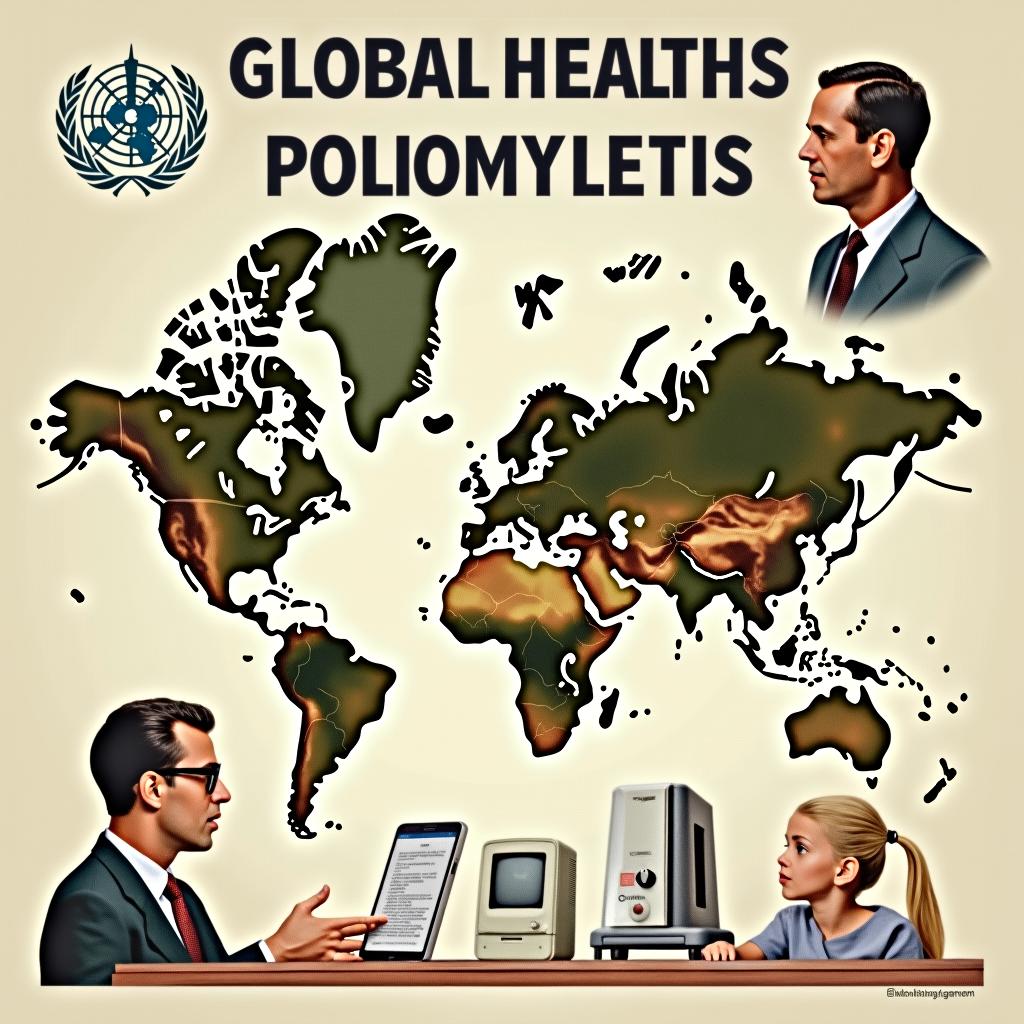
Poliomyelitis
The global effort to eradicate poliomyelitis faces significant challenges as the disease remains prevalent, and the debate over vaccination continues. Poliomyelitis primarily affects children, often presenting asymptomatically, but can lead to severe paralysis in some cases, particularly among vulnerable populations. Historical trends show fluctuating incidence rates in developed versus developing countries, influenced by factors such as improved sanitation and socioeconomic conditions.
Measles vaccination
<b>This is an experimental LLM-generated part, NOT WRITTEN BY THE AUTHOR</b>
The prompt was:
The According to your best historical expertise and the author's views expressed in the following texts, write a similar research on measles vaccination. The research should be logical, facts-based and not shorter than 5000 words, focused on the direct and indirect risks of vaccination, including decreasing natural immunity
Sabin's oral polio vaccine
In 1955, Thomas Francis announced the safety of Salk's polio vaccine, leading to a swift vaccination rollout, but the Cutter Incident revealed severe contamination issues, resulting in paralysis cases and a halt to the program. Following this, Sabin developed an oral polio vaccine (OPV) in 1962, which, despite its effectiveness and ease of use, posed risks of vaccine-associated paralysis due to viral mutations. Global vaccination efforts to eradicate wild polio were initiated in 1988; however, challenges in less prioritized regions and significant costs highlighted underlying healthcare issues.

"Iron lungs"
Poliomyelitis gained significant public attention in developed countries, leading to substantial efforts for vaccine development, culminating in Jonas Salk's successful inactivated polio vaccine in 1953. Field trials in 1954 demonstrated its effectiveness in reducing paralytic cases, prompting a redefinition of the disease and improved diagnostic criteria. Consequently, the incidence of paralytic poliomyelitis significantly declined following the vaccine's introduction.
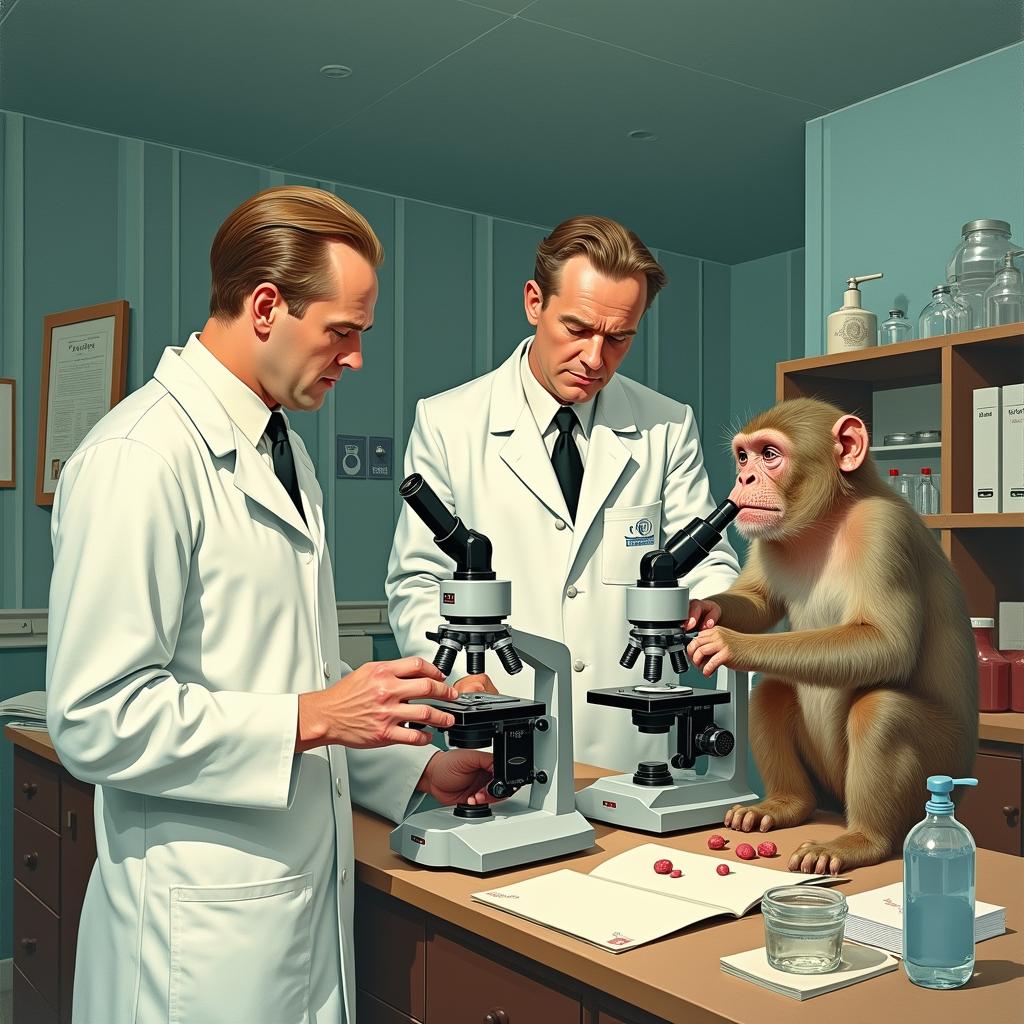
Further development
The SV40 virus was unintentionally introduced into humans through contaminated polio vaccines derived from rhesus macaque cells, raising concerns about its oncogenic potential. Despite efforts to eradicate polio, new vaccine-derived poliovirus strains and prolonged viral shedding have complicated vaccination efforts and led to a rise in acute flaccid paralysis cases. Alternative vaccination strategies utilizing monovalent and bivalent vaccines are being implemented to increase effectiveness and control the disease.