Rabbi Che Guevara[UNDER CONSTRUCTION]
Ernesto Guevara, known as Che, transitioned from a prominent revolutionary leader in Cuba to an enigmatic figure driven by a newfound connection to his Jewish heritage and a quest to save Israel, ultimately leading to his downfall and execution in Bolivia amidst betrayal and ideological conflict.

The end
In 1965, Che Guevara secretly shifts from guerrilla training in the Congo to studying Jewish tradition in Jerusalem, ultimately conceiving a plan to return South American Indigenous people to Judaism and Israel. His efforts culminate in Bolivia, but his ambitions lead to his capture and execution in 1967, shortly after the losses of his closest comrades. Despite his demise, Che died with the knowledge of Israel's victory in the Six-Day War.
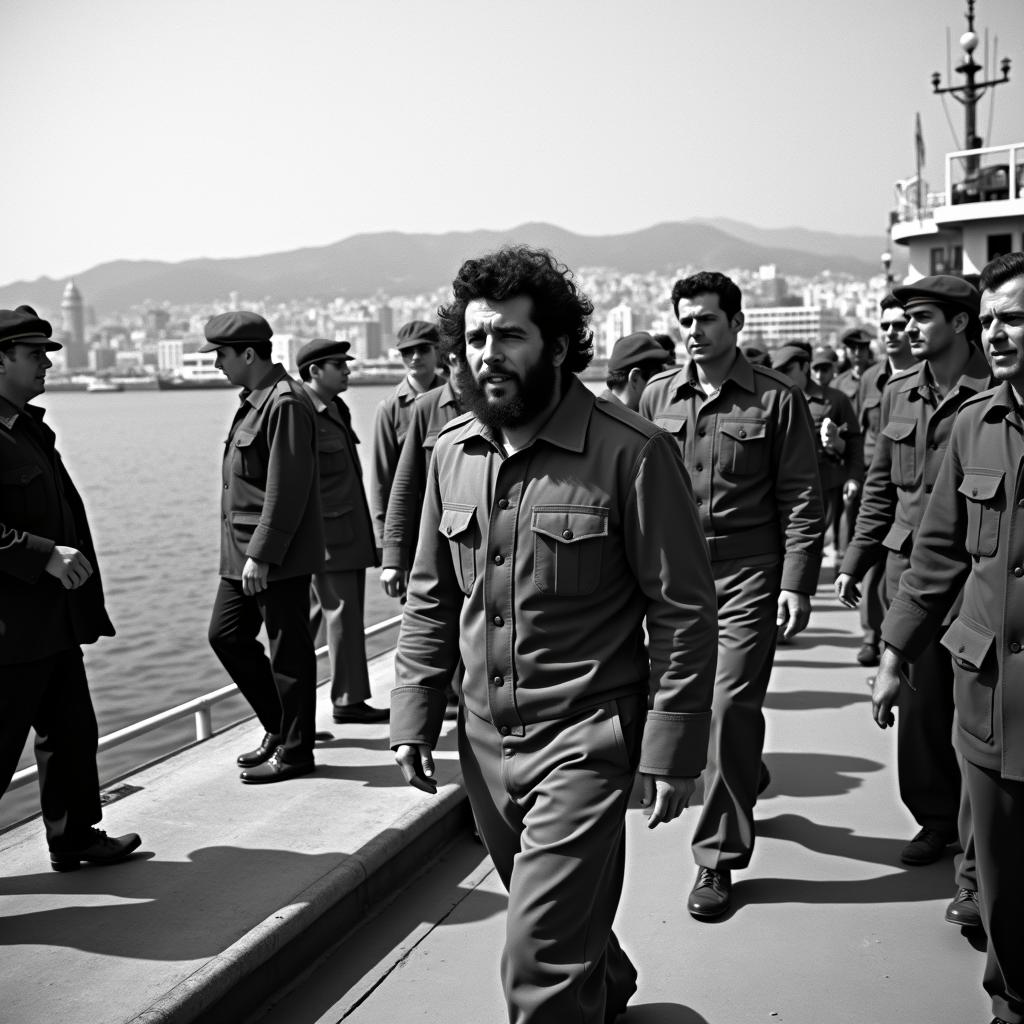
His Jewish heritage
Ernesto Guevara discovered his Jewish heritage from his mother shortly before her death, prompting him to study his roots and sympathize with Israel. During a visit in 1965, he met his cousin Ariel Sharon, expressing admiration for Israel's achievements and believing in its socialist ideals. However, his newfound connection led to a rift with the USSR and a decision to renounce his Cuban citizenship.

Mysterious rebel
Ernesto "Che" Guevara, a polarizing figure known for both his revolutionary zeal and controversial legacy, was born in Argentina and played a key role in the Cuban Revolution before his demise in Bolivia. His life, characterized by fervent dedication and tragic downfall, has intrigued many, prompting questions about his motivations and identity. Recent declassified intelligence documents reveal significant aspects of his quest, including his discovery of Jewish heritage and a mission to seek redemption for his people.