The Rights in Israel[UNDER CONSTRUCTION]
This course offers a comprehensive analysis of the paradoxical nature of Israeli politics, highlighting how right-wing electoral successes often lead to leftist policies due to the enduring influence of an entrenched bureaucracy, judicial activism, and a shifting ideological landscape, while examining the historical transformations of political parties, the evolving role of legal advisers, and the challenges posed by a powerful judiciary within the context of modern conservatism in democracies on the decline.

In the name of National Unity
The text discusses the challenges of assessing threats to the Likud-led government in 1977, noting that left-wing intellectuals openly called for violent resistance against political opponents, exemplified by Zeev Sternhell's call for military action. These threats resulted in the Likud's hesitancy to enact necessary reforms and led to the entrenched influence of a left-wing coalition within unelected bureaucratic structures, which undermined democratic processes. Consequently, this dominance allowed bureaucrats to obstruct government decisions and manipulate voter behavior, particularly among welfare-dependent populations.

Sources
Sources and references

Introduction
The course examines the paradox of right-wing victories leading to left-wing policies in Israel's unique political landscape. It highlights the influence of civil unrest threats and judicial activism on governance, alongside a self-perpetuating bureaucracy. Additionally, it notes a divergence in ideological influence within Israel's educational system, resulting in younger generations leaning more conservative.

Justice, Defence and security sacrificed for the sake of “National Unity”
The Supreme Court in Israel has gained significant authority, effectively surpassing government influence and shaping national policy, especially through its capacity as the High Court of Justice. Recent judicial reforms aimed to limit the court's expansive powers, which often resulted in severe restraints on citizens' rights and military effectiveness, highlighting a tension between legal authority and democratic governance. This dynamic reflects a broader political landscape where conservative values are maintained even as the judicial establishment resists reforms perceived as threats to its power.

The Rise of the Legal Advisers’ Power
Under Menachem Begin's government, the legal adviser's role evolved from a subordinate position to a powerful cabinet member with significant influence over government decisions. This shift began with Aharon Barak, who established a system of legal advisers across ministries and the Knesset, effectively creating unelected officials with authority to veto elected representatives' actions. This unprecedented structure has no global parallel and raises concerns regarding accountability and political influence.
The Exams failed
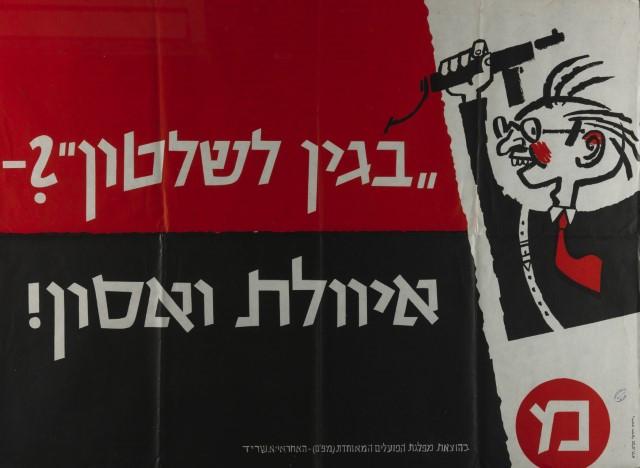
Labor's strategic positioning shifted from restraint during the British Mandate to a hawkish stance during the War of Independence, abandoning pacifist principles. The party's dominance in the government led to extensive control over various sectors, while the rise of right-wing parties introduced tensions that eventually culminated in political and societal conflicts. A new generation of religious Zionists has emerged, challenging the state and embracing free market principles, contrasting sharply with earlier socialist ideologies.