Edgar Allan Poe
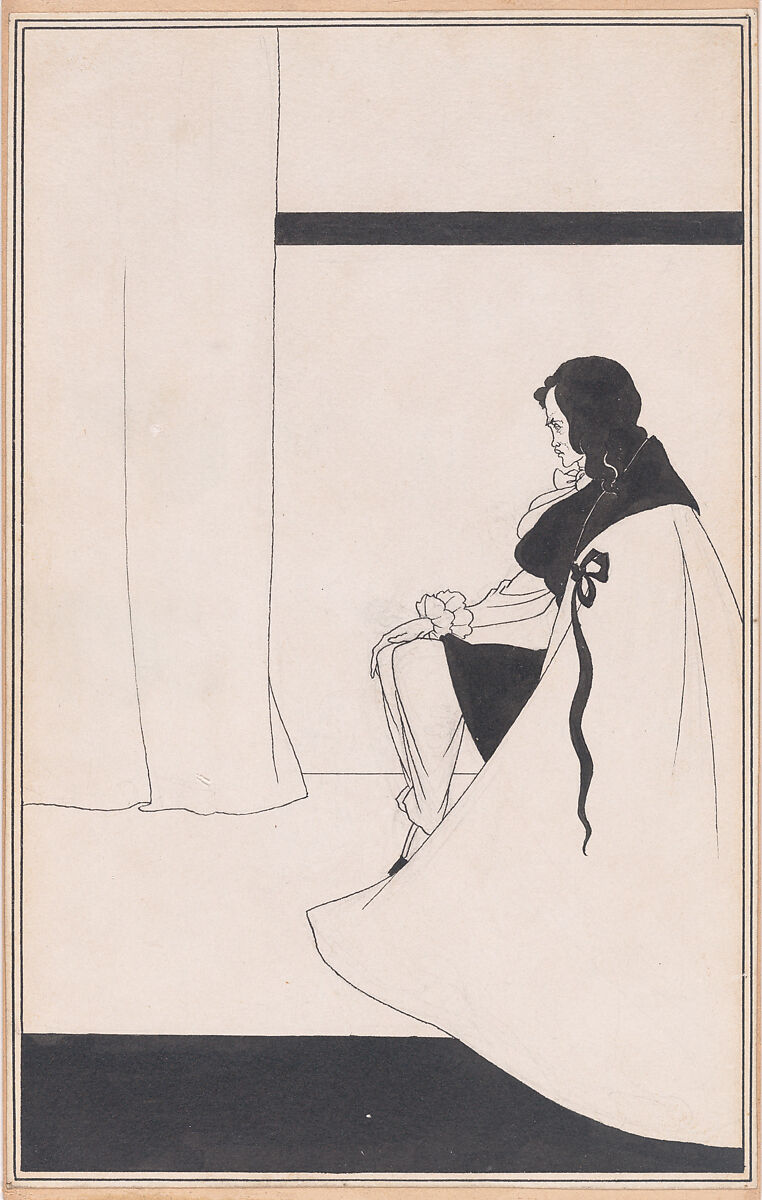
THE FALL OF THE HOUSE OF USHER
During a dreary autumn day, the narrator approaches the eerie House of Usher, feeling an overwhelming sense of dread linked to its melancholic atmosphere and his old friend Roderick Usher's decline. Roderick reveals his mental afflictions, worsened by his sister Madeline's illness, ultimately leading to her shocking return from the tomb and the collapse of the house itself. The tale concludes with the mansion's destruction as the narrator flees, symbolizing the end of the Usher lineage and their tragic fate.

The Raven, and The Philosophy of Composition
Poe’s “Philosophy of Composition” asserts that “The Raven” was methodically engineered to produce a single, melancholy aesthetic effect: he fixed its length (~108 lines), tone (melancholy/Beauty), meter and stanzaic design, and the sonorous one-word refrain “Nevermore,” using a raven as a non-rational speaker in a confined chamber to drive a graduated psychological climax that ends as an emblem of perpetual remembrance.
The poem is printed in full and followed by publication and illustration credits for the 1907 Quarto Photogravure Edition.