MARK TWAIN
A Connecticut Yankee in King Arthur's Court
This text is a satirical and humorous narrative blending historical, mythological, and fantastical elements, depicting a time-traveling narrator's experiences in King Arthur's Britain, where he employs cunning and modern tactics to influence and reform medieval society. Through elaborate episodes involving counterfeit miracles, political intrigue, and battles, it critiques obsolete laws, hereditary privilege, religious dogma, and societal injustice, revealing the enduring power of intelligence, rationality, and human ingenuity. Ultimately, it contrasts the superficial grandeur of monarchy and aristocracy with the authentic strength of common sense and individual effort.
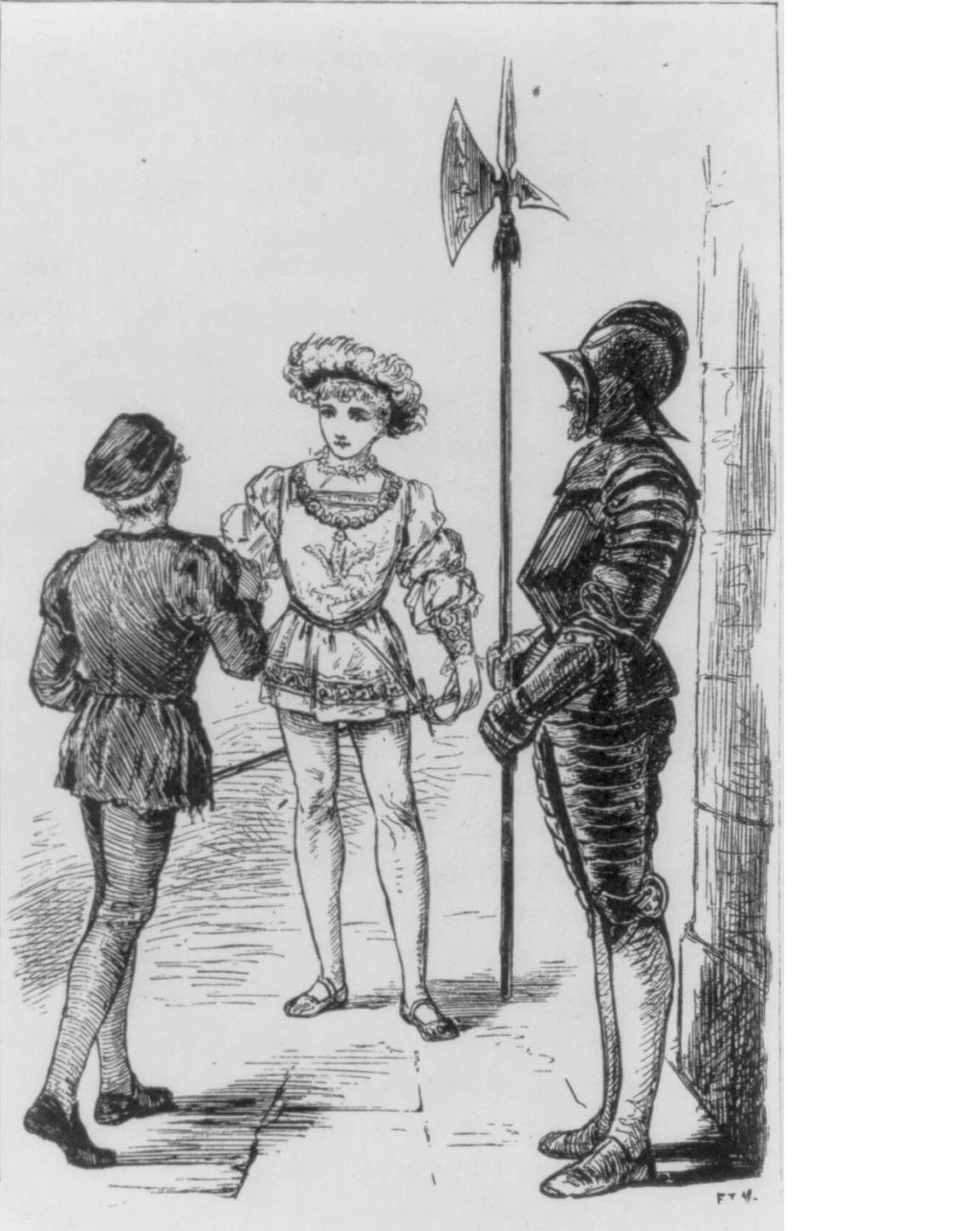
THE PRINCE AND THE PAUPER
Hugh Latimer writes to Lord Cromwell, expressing joy over the Prince of Wales’s birth and advocating for religious reform; the text also recounts a fictionalized, detailed account of Edward VI’s early life, coronation, and associated court proceedings, highlighting themes of identity, justice, and loyalty within a historical and fantastical context.

Adventures of Huckleberry Finn
The king-and-duke frauds erupt in the Wilks affair and a frantic graveyard digging; Huck flees, rejoins Jim on the raft, and later discovers Jim has been sold and is imprisoned. Tormented by conscience, Huck resolves to free him; Tom Sawyer returns and orchestrates an elaborate, theatrical escape (nonnamous letters, pies, rats, snakes, saws and a grindstone inscription), which succeeds. Jim is liberated and rewarded, it transpires Miss Watson had already freed him by will, and Huck, weary of domestication, plans to light out for the Territory.
Life on the Mississippi
Ten brothers, guided by a visionary leader, steal a wampum belt from a giant manito bear, are relentlessly pursued, and—with intermittent aid from supernatural lodge-keepers and a medicine-sack—kill the bear; its scattered flesh becomes the stock of modern black bears. Later the brothers are ambushed and slain; their sister, using the enchanted head and ritual medicines, restores Iamo and revives the men, who then redistribute the wampum. The revived beings are assigned spirit‑roles (Mudjikewis/Kebeyun becomes the west wind) and the wampum is codified as a sacred emblem distinguishing peace from war.
Sketches New and Old
A collection of Mark Twain’s short satirical sketches lampooning 19th‑century American life, journalism, commerce, politics, and manners.
Through irony, burlesque, and tall‑tale narration it exposes gullibility, hypocrisy, and bureaucratic absurdities.
Includes pieces such as “The Petrified Man,” “How I Edited an Agricultural Paper,” the comet advertisement, and political and social vignettes.
The Adventures of Tom Sawyer
Tom publicly reveals that he and Huck have about $12,000 in gold, provoking village-wide excitement and elevating the boys’ social standing.
Huck, placed under the Widow Douglas’s care, finds civilized routine intolerable and resolves to reclaim his free life while Tom prepares a new “gang” with a midnight, blood-signed initiation.
The narrative closes as a chronicle of boyhood, leaving the characters’ adult fates unrecorded.
The Innocents Abroad
A travelogue of a Western pilgrimage through Palestine, Galilee, Jerusalem and Egypt recording topography, monuments (Sea of Galilee, Capernaum, Nazareth, Jerusalem, Dead Sea, Pyramids, etc.) and episodic experiences of the author’s party.
A recurrent critical theme demystifies romantic and pietistic accounts: the author exposes inflated guide‑book rhetoric, pilgrim sentimentality, relic commerce, local poverty and depopulation while noting genuine historical associations.
He concludes that the region is physically desolate but historically and spiritually potent, praises practical hospitality (notably Catholic convents) and affirms travel’s educative value despite hardships.