🏷️ Loading tag...
Детальный документальный портрет каторжной жизни: жестокие телесные наказания и их исполнители (садисты вроде Жеребятникова и «ласковые» палачи/начальники вроде Смекалова), их психология и разрушительное общественное действие.
Повествование также фиксирует быт госпиталя и казарм — боль, страх, привязанности заключённых, сумасшедших, животных, попытки побегов и судебные последствия.
Завершается рассказ изменением устроения острога и личным исходом автора — расковкой кандалов и болезненным, но освобождающим переосмыслением пережитого.
Повествование также фиксирует быт госпиталя и казарм — боль, страх, привязанности заключённых, сумасшедших, животных, попытки побегов и судебные последствия.
Завершается рассказ изменением устроения острога и личным исходом автора — расковкой кандалов и болезненным, но освобождающим переосмыслением пережитого.
free
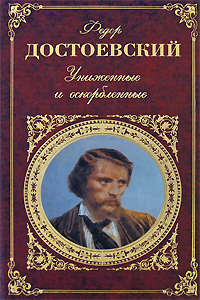
Вельчанинов, измученный ипохондрией и тяжбою по имению, втягивается в воспоминания о давней страсти к Наталье Васильевне и узнаёт о её дочери Лизе.
Попытка приютить и спасти ребёнка приводит к острым столкновениям с её отцом Павлом Трусоцким, пьяным выходкам, ночной драке и смерти Лизы от болезни.
Пережив утрату и насилие, Вельчанинов меняется: страшные события ломают его прежнюю праздную жизнь, а в последующие годы он возвращается в мир обновлённым.
Попытка приютить и спасти ребёнка приводит к острым столкновениям с её отцом Павлом Трусоцким, пьяным выходкам, ночной драке и смерти Лизы от болезни.
Пережив утрату и насилие, Вельчанинов меняется: страшные события ломают его прежнюю праздную жизнь, а в последующие годы он возвращается в мир обновлённым.
free
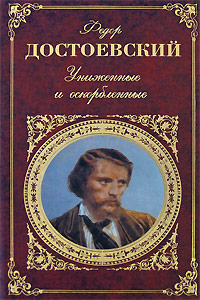
Трагедия разворачивается вокруг любовного треугольника: Наташа, искренняя и страдающая, теряет Алешу — он колеблется между долгом и новой привязанностью к Кате под влиянием коварного князя. Параллельно раскрывается судьба сироты Нелли: её травмированное прошлое, мщение и попытки защитить Наташу приводят к гибели девочки и к глубокой раскаянии старика Ихменева. Князь предстает циничным интриганом, обществу и сердцам грозит нравственная нищета, а рассказчик Иван фиксирует поражение человеческой доброты и горькое осознание утрат.
free
После серии комичных и трогательных эпизодов (с Фалалеем и пьяным Коровкиным) Фома Фомич стал в доме признанным «спасителем» и фактическим властителем, обеспечив свадьбу дяди и Настеньки и вознёсшись на всеобщее почитание. Впоследствии семь лет семейной жизни прошли под его капризами, припадками и деспотизмом; по смерти Фомы семью объединила преданная память о нём, а прочие персонажи разошлись по своим судьбам (Мизинчиков — помещик, Сашенька и Илюша устроены и т.д.).
free
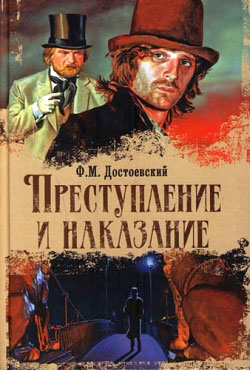
Лужин обвиняет Соню в краже на собрании, но разоблачён Лебезятниковым и отстаивается Раскольников; Соня униженно убегает.
Позже Раскольников признаётся Соне, что убил старуху и её сестру; его мучают сомнения и столкновения с Порфирием и Свидригайловым, и в итоге он сдаётся властям.
В эпилоге он приговорён к каторге в Сибири, Соня следует за ним, Дуня выходит замуж за Разумихина, и через страдание и её верную любовь происходит начало нравственного возрождения Раскольникова.
Позже Раскольников признаётся Соне, что убил старуху и её сестру; его мучают сомнения и столкновения с Порфирием и Свидригайловым, и в итоге он сдаётся властям.
В эпилоге он приговорён к каторге в Сибири, Соня следует за ним, Дуня выходит замуж за Разумихина, и через страдание и её верную любовь происходит начало нравственного возрождения Раскольникова.
free

Подборка коротких помет и реплик (многие отмечены «франц.»/«лат.») — от любовно-провокационных и уничижительных выпадов до денежных просьб, угроз и криков о спасении. Часто повторяются имена и образы: Альфонсина, Ламберт, князь, Версилов, генеральша; встречаются справки о товарах и языке (магазин Андрие, жаргон).
free

В сериях заметок описывается петербургская весна и лето: от робкого пробуждения и прогулок по Невскому до пустеющего летом города, сопровождаемых болезнями, скукой и бытовыми подробностями. Автор режуще критикует светские кружки, пустые разговоры, наивную «добрую» отзывчивость и мечтательную леность, мешающие общественной пользе. Вместе с тем он признаёт Петербург центром современной жизни и прогресса — смесь архитектур, рост науки, литературы и благотворительных инициатив дают надежду на активизацию общественного начала.
free
Рассказчик вспоминает детство, в котором центральную роль сыграл отчим-скрипач Ефимов — талантливый, но саморазрушительный человек, чья гибель и нравственные падения погубили мать и оставили глубокие травмы. Его судьба и последующая спасительная опека княжеской семьи определили дальнейшую жизнь дочери: её тесная привязанность к отцу, ранняя дружба и страстная любовь к княжне Кате и многолетнее воспитание у Александры Михайловны. В шестнадцать лет героиня находит в книге забытое прощальное письмо и вскрывает семейную тайну, что приводит к бурному разоблачению — публичной сцене между супругами и драматическому кризису дома.
free
Автор документально и беспощадно показывает эксплуатацию уличных мальчиков «с ручкой»: их отправляют просить милостыню в любую погоду, избивают при неудаче, поят водкой, втягивают в воровство и бродяжничество. Во второй, аллегорической части — предсмертное видение замерзшего мальчика, попадающего на «Христову елку», где погибшие дети обретают утешение; рассказчик отмечает смешение факта и вымысла.
free
Записи молодого человека о жизни в курортном Рулетенбурге: светские интриги вокруг генерала, его падчерицы Полины, эффектной m‑lle Blanche, маркиза и застенчивого мистера Астлея. Центр повествования — его навязчивая любовь к Полине и зависимость от рулетки: череда выигрышей и катастрофических проигрышей, семейные скандалы и приезд богатой «бабуленьки». Финал — поездка в Париж с Blanche, растрата состояния и болезненное осознание собственной саморазрушительной страсти.
free

На домашнем приёме князь Лев Мышкин, вспыхнув речью о Павлищеве и судьбе России, в порыве осудил католицизм, вызвал скандал, нечаянно разбил китайскую вазу и рухнул в припадке.
Разгорелся бурный любовный конфликт: Аглая и Настасья Филипповна сцепились в открытой конфронтации, Настасья ушла с Рогожиным, а затем была найдена убитой у него в квартире — Рогожин предстал убийцей, Мышкин оказался рядом и надломлен этим событием.
Рогожин осуждён и сослан, Мышкин, окончательно подорванный пережитым, вывезен под надзором Шнейдера в Швейцарию, а вокруг дела остаётся шок и разнородные судьбы знакомых.
Разгорелся бурный любовный конфликт: Аглая и Настасья Филипповна сцепились в открытой конфронтации, Настасья ушла с Рогожиным, а затем была найдена убитой у него в квартире — Рогожин предстал убийцей, Мышкин оказался рядом и надломлен этим событием.
Рогожин осуждён и сослан, Мышкин, окончательно подорванный пережитым, вывезен под надзором Шнейдера в Швейцарию, а вокруг дела остаётся шок и разнородные судьбы знакомых.
free
Титулярный советник Яков Петрович Голядкин — мелкий, мнительный чиновник — суетливо готовится к светскому дню: примеряется, тратит деньги, наведывается к врачу и старается подтвердить своё положение в обществе. На званом обеде у Олсуфья Ивановича его публично дискредитирует точный двойник: второй Голядкин ловко занимает его место, выставляет его посмешищем и доводит до нервного срыва. В конце сцены, преследуемый позором и внутренним смятением, он попадает под опеку доктора Рутеншпица и увозится — дальнейшая судьба героя остаётся угрожающей.
free
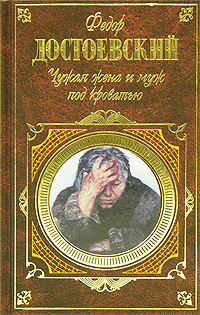
Две сцены у подъезда и в квартире у Достоевского иллюстрируют нелепость и опасность ревности. Сначала двое незнакомцев путаются в догадках о даме, затем Иван Андреич, ведомый ревностью, ошибается этажом, прячется под кроватью, случайно убивает собачку и устраивает трагикомичную суету. В финале недоразумения выясняются, обнажив абсурдность подозрений.
free
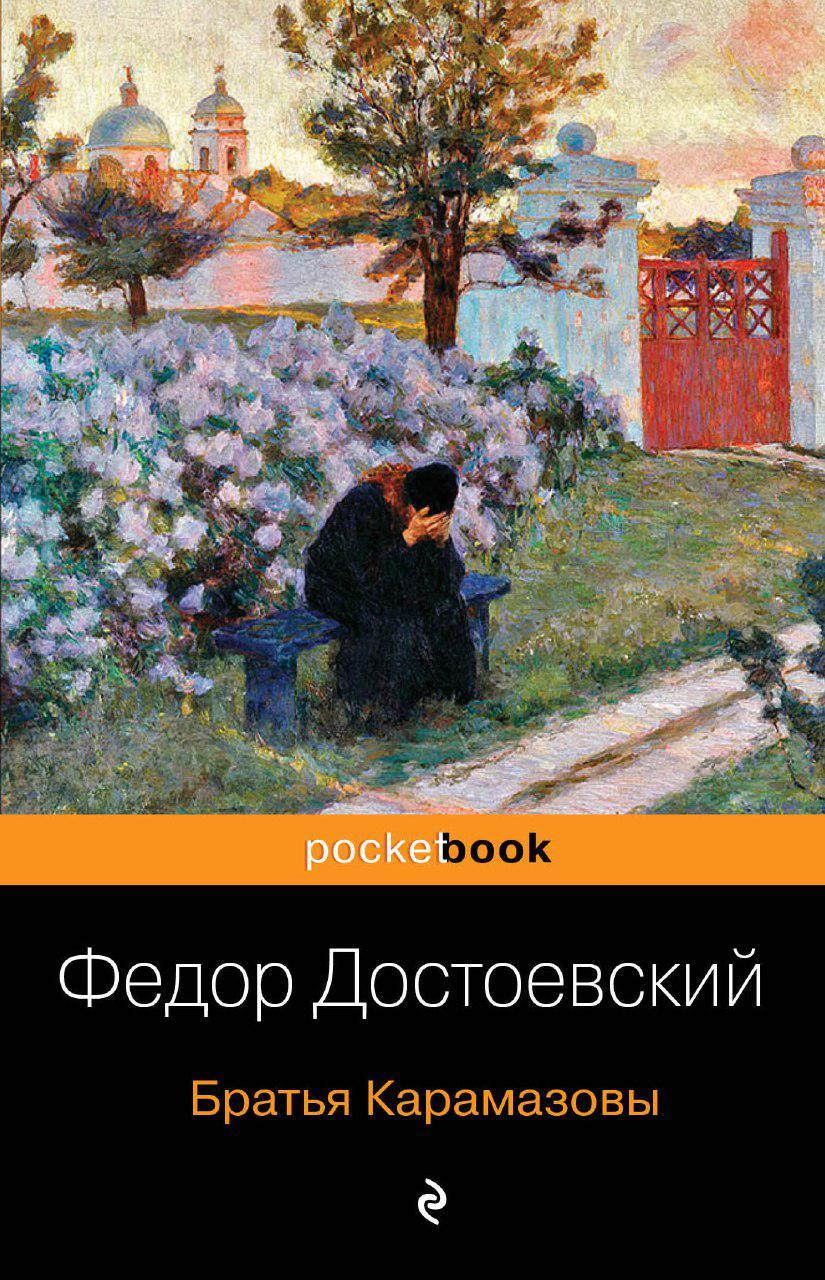
В громком судебном процессе над Дмитрием Карамазовым по делу об убийстве Федора Павловича демонстрируются подробные свидетельства, медицинские экспертизы и бурные эмоции: защитник Фетюкович старается развеять улики, но решающую роль играет найденное письмо Мити и показания Катерины Ивановны. Несмотря на пламенную защиту и сомнения части публики, присяжные признают Дмитрия виновным — зал взрывается и раздирается на сторонников и противников приговора. В эпилоге Алеша и Катя пытаются спасти Митю, а трогательные похороны Илюши объединяют детей и дают повод к памяти и нравственным размышлениям.
free
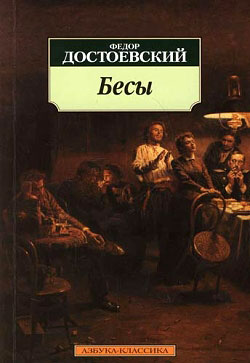
Пётр Степанович организует в Скворешниках ловлю и убийство Шатова, труп топят, он же диктует Кириллову подложную «признательную» записку — и Кириллов кончает жизнь самоубийством.
Степан Трофимович, встретивший Софью Матвеевну и переживший истерико‑религиозный припадок, вскоре умирает, Варвара Петровна берёт Софью под опеку.
Расследование вскрывает тайную сеть: в панике Лямшин всё выдаёт, следуют аресты и общественный скандал; в финале Ставрогин шлёт Дарье Павловне письмо с предложением уехать в кантон Ури.
Степан Трофимович, встретивший Софью Матвеевну и переживший истерико‑религиозный припадок, вскоре умирает, Варвара Петровна берёт Софью под опеку.
Расследование вскрывает тайную сеть: в панике Лямшин всё выдаёт, следуют аресты и общественный скандал; в финале Ставрогин шлёт Дарье Павловне письмо с предложением уехать в кантон Ури.
free

Рассказ — лирическая исповедь петербургского одиночки, который в течение четырёх ночей знакомится с Настенькой и влюбляется. Между ними возникают доверие, признания и надежды на общую жизнь, но в решающую ночь Настенька возвращается к прежнему возлюбленному, выходит за него, а рассказчик остаётся один, приняв и сохранив память о пережитом счастье. Тема произведения — противостояние мечты и будничной реальности, одиночества и мимолётной человеческой близости.
free

Эпистолярная хроника — переписка бедного, добродушного чиновника Макара Девушкина и Варвары Доброселовой, вперемежку с её подробными воспоминаниями о детстве, службе и петербургской нищете.
Через бытовые подробности, литературные споры и интимные признания раскрываются темы любви, долга и социальной несправедливости; в финале Варвара выходит за господина Быкова, а Макар остаётся преданно любящим и морально униженным.
Через бытовые подробности, литературные споры и интимные признания раскрываются темы любви, долга и социальной несправедливости; в финале Варвара выходит за господина Быкова, а Макар остаётся преданно любящим и морально униженным.
free
На допросе бедный, неопрятный Денис Григорьев объясняет, что отвинчивал гайки с рельс для грузил при рыбалке и не верит, что это могло привести к крушению. Следователь указывает на 1081-ю статью об умышленном повреждении железной дороги, грозит ссылкой и упрекает его в убийстве людей. Несмотря на протесты и оправдания про деревенские обычаи и нужду, Дениса берут под стражу и отправляют в тюрьму.
free
В специально устроенной на станции конторке, фактически всегда отпертой, хранится жалобная книга.
Она представляет собой пёструю коллекцию заметок — от формальных жалоб и упрёков до карикатур, любовных признаний и шуток, подписанных абсурдными или знакомыми именами, многие записи частично зачёркнуты.
Она представляет собой пёструю коллекцию заметок — от формальных жалоб и упрёков до карикатур, любовных признаний и шуток, подписанных абсурдными или знакомыми именами, многие записи частично зачёркнуты.
free
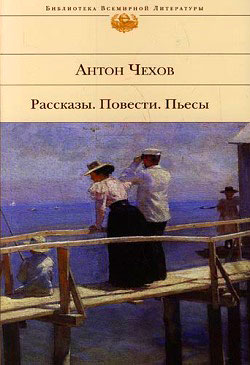
Вечером у земского врача Кирилова умер шестилетний сын, и к нему тотчас явился бледный Абогин с мольбой немедленно поехать к будто бы умирающей жене.
Кирилов, хоть и подавленный горем, согласился ехать на час, но у дома выяснилось, что жена обманула Абогина и убежала с Папчинским.
Абогин в истерике обвиняет её, доктор, оскорблённый тем, что его использовали как бутафорную вещь, и он уезжает, обменявшись с Абогиным жестокими упрёками и унеся с собой долгую обиду на «розовый полумрак».
Кирилов, хоть и подавленный горем, согласился ехать на час, но у дома выяснилось, что жена обманула Абогина и убежала с Папчинским.
Абогин в истерике обвиняет её, доктор, оскорблённый тем, что его использовали как бутафорную вещь, и он уезжает, обменявшись с Абогиным жестокими упрёками и унеся с собой долгую обиду на «розовый полумрак».
free
В фабричном селе Уклеево разворачивается судьба семьи Цыбукиных: хозяин Григорий, его невестка‑властвующая Аксинья, добрая Варвара и сыщик‑сын Анисим. После пышной свадьбы Анисима с бедной Липой и последовавшего за этим скандала с фальшивыми деньгами Анисим попадает в тюрьму, а Аксинья, завладев властью и прибылью, доводит до смерти младенца Липы. Рассказ обнажает корысть, лицемерие и нравственную деградацию провинциального общества, где доброта бессильна перед жадностью и безответственностью.
free

Возвращение помещицы Любови Раневской из Парижа обнажает долговую и управленческую беспомощность семьи: имение с вишнёвым садом выставлено на торги и в итоге куплено купцом Лопахиным. Через бытовые сцены и диалоги раскрываются социальные перемены — упадок помещичьего уклада и подъём буржуазии — и противоречия между поколениями и идеями. Символичным завершением является уход героев и звуки рубки сада, фиксирующие конец прежнего мира.
free

Ночная метель в церковной сторожке: дьячок Савелий убеждён, что его жена Раиса колдует — её «кровь» и помыслы будто вызывают непогоду и кружат почту. Прибывший почтальон, молодой и привлекательный, привлекает к Раисе внимание и разжигает ревность Савелия; напряжение перерастает в слёзы, упрёки и в конце концов — удар.
free
free

Унтер‑офицер Пришибеев предстает перед мировым за оскорбления урядника, старшины, сотского и крестьян, оправдываясь долгом поддерживать порядок у найденного трупа, перечисляя «виновных» из записки и апеллируя к служебному опыту. Суд приговаривает его к месячному аресту; выйдя, он по‑прежнему инстинктивно приказывает народу расходиться, не в силах смириться с переменами.
free

Три сестры Прозоровы — Ольга, Маша и Ирина — живут в провинциальном городе, тяготясь рутиной и тоскуя по Москве, пытаясь найти смысл жизни в работе, любви и семейных обязанностях. Через бытовые сцены, любовные переплетения, упадок брата Андрея и трагическую дуэль (гибель барона) пьеса обнажает конфликт мечты о переменах с тяжёлой, часто бессмысленной обыденностью, оставляя героев с решением жить дальше — трудом и надеждой.
free

Два бывших школьных друга встречаются на вокзале: толстый — теперь высокий чин, тонкий — мелкий служащий, который в смущённом преклонении превращается в посмешище; сцена подчёркнута гротескными бытовыми деталями. Рассказ впервые напечатан в «Осколках» (1883); Чехов в последующих редакциях усилил мотив пресмыкательства «тонкого» и внёс стилистические правки.
free
Комическая сценка — свадебный ужин в зале кухмистера Андронова, где встречаются разные персонажи: семья Жигаловых с невестой Дашенькой, жених Апломбов, телеграфист Ять, грек-кондитер Дымба, нанятый «генерал» капитан Ревунов и прочие гости.
Беседы о приданом, залоге билетов, чинах и «электрическом освещении» перемежаются тостами, буффонными репликами и бытовыми конфликтами.
Кульминация — приход Ревунова и обвинение его в получении платы через Нюнина, что оскорбляет старого офицера и заставляет его уйти, а действие заканчивается шумом и нестройным весельем.
Беседы о приданом, залоге билетов, чинах и «электрическом освещении» перемежаются тостами, буффонными репликами и бытовыми конфликтами.
Кульминация — приход Ревунова и обвинение его в получении платы через Нюнина, что оскорбляет старого офицера и заставляет его уйти, а действие заканчивается шумом и нестройным весельем.
free

Тринадцатилетняя нянька Варька, доведённая бесконечным плачем ребёнка, физическим истощением и полусонными галлюцинациями от мерцающей лампадки, переживает семейную беду (отец Ефим уезжает в больницу и умирает) и целый день рабски служит хозяевам. Вариант отчаяния и стремления к долгожданному сну приводит её к тому, что она душит ребёнка и падает в мёртвый, крепкий сон.
free
В рассказе А. П. Чехова «Смерть чиновника» скромный экзекутор Иван Дмитрич Червяков нечаянно обрызгал чихом во время спектакля статского генерала и, настойчиво извиняясь, лишь подвергается всё новым и новым унижениям. Подавленный последним публичным оскорблением, он возвращается домой и умирает от шока; рассказ впервые напечатан в журнале «Осколки» (1883) под подписью А. Чехонте.
free
В захолустном городке бедный гробовщик Яков (Бронза), всю жизнь экономивший и нередко жестокий к жене Марфе, переживает её болезнь и смерть и в предсмертных размышлениях о «убытках» осознаёт пустоту прожитой жизни. На пороге гибели он отдаёт свою скрипку бывшему музыкальному сопернику — еврейскому музыканту Ротшильду, чьё исполнение печальной мелодии приносит тому неожиданное признание.
free
Рассказчик вызывает гувернантку Юлию Васильевну для расчёта жалованья и, вычитая множественные «штрафы», оставляет ей лишь одиннадцать рублей; женщина смиренно принимает деньги и благодарит. Раскаявшись в жестоком уроке, рассказчик возвращает ей все восемьдесят рублей и констатирует, что быть сильным легко.
free
free
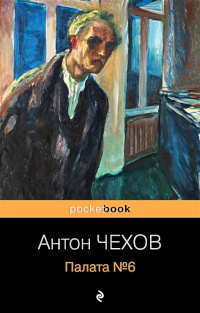
В провинциальной больнице описан убогий флигель и зловонная палата №6 с её обитателями — сторожом Никитой, крикливым нищим Мойсейкой, обжорливым толстяком, бывшим сортировщиком и особенно интеллигентным, маниакальным Иваном Дмитричем Громовым. Доктор Андрей Ефимыч Рагин, уставший от пошлости окружения и самодурства медицины, сближается с Громовым, ведёт с ним философские беседы и испытывает нравственный кризис. В конце Рагин сам оказывается в палате как больной, подвергается унижениям и умирает.
free
Доклад подробно рисует сахалинскую колонию: бытовую нищету, массовые незаконные сожительства, роль женщин и детей, праздность и нравственное разложение в среде ссыльных. Экономика опирается на малоэффективное земледелие, огородничество и периодическую рыбу при слабой организации, коррупции и плохой администрации. Медицинско‑судебная сторона характеризуется высокой заболеваемостью и детской смертностью, частыми побегами и жестокими наказаниями (розги, плети, казни) на фоне неумелого следствия и плохих тюремных порядков.
free
Вдова Елена Попова, погружённая в траур, отказывается выплатить долг покойного мужа требовательному кредитору Григорию Смирнову; их спор перерастает в оскорбления и дуэльный вызов. Конфликт внезапно сменяется взаимным влечением: Смирнов признаётся в любви и делает предложение, сцена завершается поцелуем и примирением.
free

В доме Королевых встречают вернувшегося Володю и его молчаливого товарища Чечевицына; оба увлечены романтическим планом бежать в Америку добывать золото, о чём подслушивают старшие сестры. Побег оказывается предпринят, но мальчиков находят и возвращают; родители ругают, мать Чечевицына увозит сына. Чечевицын прощается, оставив в записке псевдоним «Монтигомо Ястребиный Коготь».
free
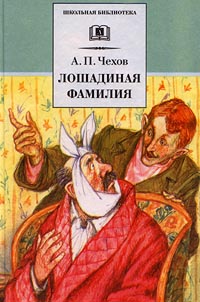
У отставного генерал-майора Булдеева долго разболелся зуб; домашние и докторы бессильно пробовали разные средства, и приказчик Иван Евсеич предложил послать телеграмму саратовскому «заговорщику» Якову Васильичу.
Никто не мог вспомнить его фамилию — всю ночь и весь дом перебирали «лошадиные» варианты — и в итоге врач вырвал зуб.
Позже Иван, гуляя в поле, внезапно вспомнил фамилию «Овсов», но было уже поздно, и генерал презрительно отверг опоздавшую весть.
Никто не мог вспомнить его фамилию — всю ночь и весь дом перебирали «лошадиные» варианты — и в итоге врач вырвал зуб.
Позже Иван, гуляя в поле, внезапно вспомнил фамилию «Овсов», но было уже поздно, и генерал презрительно отверг опоздавшую весть.
free
Семилетний Гриша подслушивает на кухне разговоры и сватовство: нянька и обитатели двора настойчиво предлагают кухарке Пелагее выйти замуж за рыжего извозчика Данилу Семеныча, что мучает и опозоривает её. Вскоре в кухне устраивают простую «свадьбу», Пелагея плачет, извозчик требует присматривать за ней и даёт деньги, а сочувственный Гриша тайком приносит ей яблоко.
free

Каштанка — заблудившаяся рыжая дворняжка — попадает от столяра к добродушному «незнакомцу», который кормит её, даёт имя «Тетка» и обучает цирковым номерам вместе с котом и гусем. После упорных тренировок она успешно дебютирует на сцене и производит впечатление на публику. В финале, возвратившись с выступления на улицу, она видит в толпе своего прежнего хозяина и сына, и история остаётся на грани между новым успехом и тянущей к прошлому ностальгией.
free
Путевые зарисовки по Сибирскому тракту от Тюмени к Томску и дальше: майский холод, частые разливы и распутица, ужасные насыпи и переправы, много дичи и постоянные задержки в пути.
Автор подробно показывает людей дороги — переселенцев, арестантов, ямщиков, перевозчиков и интеллигентных ссыльных — их быт, грубость и доброту, пьянство, нищету и бессмысленность пожизненных наказаний.
Только Енисей и обширная тайга внушают восхищение своей мощью и бесконечностью, но не освобождают от суровости и человеческих трагедий.
Автор подробно показывает людей дороги — переселенцев, арестантов, ямщиков, перевозчиков и интеллигентных ссыльных — их быт, грубость и доброту, пьянство, нищету и бессмысленность пожизненных наказаний.
Только Енисей и обширная тайга внушают восхищение своей мощью и бесконечностью, но не освобождают от суровости и человеческих трагедий.
free

Земский врач Дмитрий Ионыч Старцев влюбляется в молодую пианистку Екатерину (Котик) Туркину, делает ей страстное предложение, но получает отказ — она выбирает артистическую карьеру в Москве. С годами Старцев богатеет, ожиревает и отдаляется от прежних идеалов, Туркины сохраняют прежний светский быт: Вера Иосифовна пишет романы, Котик продолжает играть, а их отношения остаются неудовлетворённой ностальгией.
free

В земской больнице фельдшер Курятин принимает дьячка Вонмигласова с тяжелой зубной болью, между религиозными наставлениями и провинциальной бравадой. После мучительных попыток и хруста зуб почти вырывают; пациент ошеломлён и уходит с остатками зуба. Эпизод иронично высмеивает суеверия, мелкую провинциальную медицину и напыщенность «знатоков».
free
Во время обхода базарной площади надзиратель Очумелов вмешивается в толпу вокруг щенка, укусившего золотых дел мастера Хрюкина; Хрюкин демонстрирует окровавленный палец и требует наказания собаки. Узнав, что щенок принадлежит брату генерала, Очумелов отсылает его повару, толпа насмехается над Хрюкиным, а сам надзиратель грозится расправой.
free

Пьеса разворачивается в усадьбе Серебрякова: вокруг стареющего профессора, его молодой жены Елены, дочери Сони, доктора Астрова и обиженного Войницкого накапливаются личные и имущественные конфликты. В центре — безответная любовь Сони к Астрову, отчаяние и зависть дяди Вани, спор о продаже имения и как следствие — нервный срыв Войницкого (попытка убийства/стрельба) и отъезд Елены с Астровым. Финал показывает невозможность простого решения проблем: надежды разбиты, но жизнь продолжается в той же рутине; основная тема — потраченная жизнь и призыв к делу как нравственному оправданию.
free

Оленька («Душечка») последовательно выходит замуж за антрепренера Кукина и затем за лесного управляющего Пустовалова, переживает их смерти и длительное внутреннее опустошение, между тем недолго утешаясь романами и заботой о чужих людях. Наконец возвращается ветеринар Смирнин с сыном Сашей; забота о мальчике оживляет и наполняет её жизнь смыслом, и повесть кончается тихой бытовой сценой, нарушённой лишь минутной тревогой.
free
Иван Андреич Лаевский разлюбил свою сожительницу Надежду Фёдоровну, задушен долгами и совестью, и пытается найти выход между побегом в Петербург и моральной ответственностью; советами и деньгами ему помогает добродушный доктор Самойленко. В окружении сплетен, измен (Надежда с Кирилиным) и жарких диспутов о нравственности происходит дуэль с фон Кореном, в которой Лаевского ранят, но не убивают. Испытание меняет отношения: пары примиряются, фон Корен уезжает, а повесть остаётся размышлением о лжи, лицемерии и поиске нравственного возрождения.
free
Редактору приносят рукопись бывшего следователя И. П. Камышева — повесть «Драма на охоте», где из записок следователя разворачивается история любви, пьяных оргий и преступления в провинциальном имении.
На охоте убита молодая Ольга; подозревают мужа Урбенина, идут аресты, следствие запутано, общество и власть демонстрируют лицемерие и бессердечность.
В финале автор‑повествователь (Камышев) признаётся в убийстве: рассказ превращается в исповедь о вине, ревности и нравственном разложении окружения.
На охоте убита молодая Ольга; подозревают мужа Урбенина, идут аресты, следствие запутано, общество и власть демонстрируют лицемерие и бессердечность.
В финале автор‑повествователь (Камышев) признаётся в убийстве: рассказ превращается в исповедь о вине, ревности и нравственном разложении окружения.
free

Рассказчик-художник, живущий у помещика Белокурова, сближается с семьёй Волчаниновых — деятельной старшей дочерью Лидой, посвятившей себя школам и больным, и нежной, мечтательной младшей Женей.
Между ними разворачиваются острые споры о смысле помощи и пути освобождения народа от физического труда; любовь рассказчика к Жене прерывается по настоянию семьи, и он уходит, сохранив только грустную память о доме с мезонином.
Между ними разворачиваются острые споры о смысле помощи и пути освобождения народа от физического труда; любовь рассказчика к Жене прерывается по настоянию семьи, и он уходит, сохранив только грустную память о доме с мезонином.
free

Женатый москвич Дмитрий Дмитрич Гуров знакомится в Ялте с Анной Сергеевной — «дамой с собачкой», и между ними завязывается сначала мимолетный, затем более страстный роман. Вернувшись в Москву, Гуров не может забыть её, едет в провинцию, вновь встречает и возобновляет связь. Они тайно встречаются в Москве, привязываются друг к другу и всерьёз обсуждают, как освободиться от прежних браков ради общей жизни.
free
В доме Приклонских распутство сына и долги доводят семью до краха, и к ним на помощь приходит знаменитый, холодный и гордый доктор Топорков, лечащий сначала Егорушку, а затем Марусю. Маруся влюбляется в Топоркова (сначала считавшего брак способом приобретения капитала), но в конце Доктор отвечает ей взаимностью и увозит её во Францию в надежде спасти — увы, напрасно. Маруся умирает, Топорков возвращается к прежней практике внутренне изменённым, а Егорушка остаётся жив и устроен у доктора.
free

В провинциальной усадьбе разворачивается драма творческих амбиций и межличностных страстей: актриса Ирина Аркадина, её сын-драматург Константин Треплев, молодая Нина Заречная и писатель Тригорин вовлечены в любовные треугольники и споры о театре. Провал спектакля, разочарования и личные поражения разрушают надежды героев и заканчиваются известием о самоубийстве Треплева.
free
Старая, ослабевшая волчиха, ушедшая на ночную охоту, пролазит в хлев Игната за ягнёнком, но уносит щенка с белым лбом; щенок привлекает волчат к игре, и волчиха, брезгуя псиной и из-за слабости, не съедает его.
Наутро щенок снова распарывает крышу хлева, будит хозяина, Игнат гонит и бьёт его, приговаривая «Ходи в дверь!», а волчиха уходит, не завладев добычей.
Наутро щенок снова распарывает крышу хлева, будит хозяина, Игнат гонит и бьёт его, приговаривая «Ходи в дверь!», а волчиха уходит, не завладев добычей.
free
Пашка с матерью долго ждали приёма; доктор осмотрел гнойную болячку на локте и, пообещав ярмарку и угощения, настоял на оставлении мальчика в больнице для операции.
В палатах он знакомится с едой и больными, ночью пугается переноса умершего Михайлы и жутких лиц соседей и в панике выбегает на улицу.
Увидев в окне доктора, Пашка падает без чувств и утром приходит в себя под его резкие упрёки.
В палатах он знакомится с едой и больными, ночью пугается переноса умершего Михайлы и жутких лиц соседей и в панике выбегает на улицу.
Увидев в окне доктора, Пашка падает без чувств и утром приходит в себя под его резкие упрёки.
free
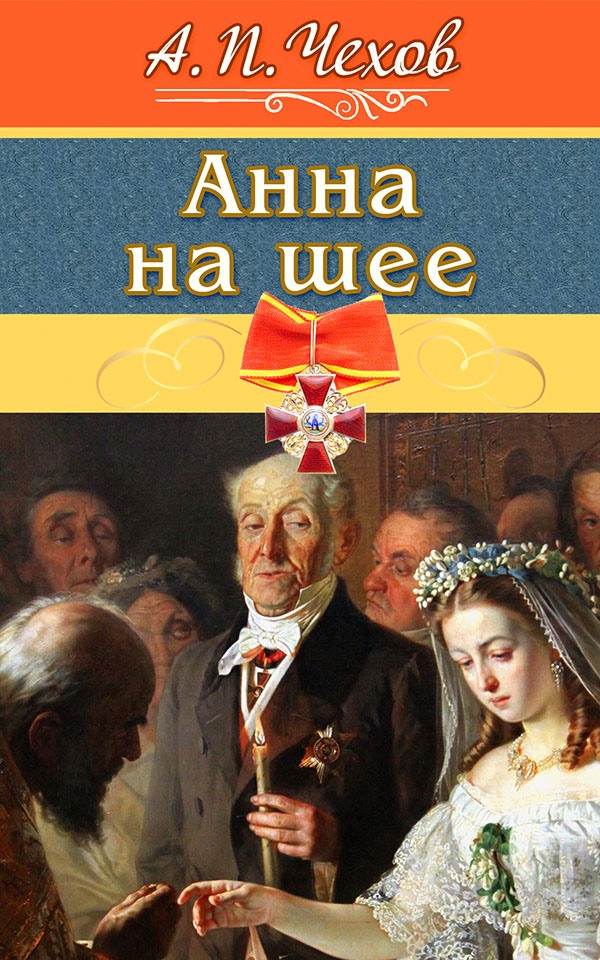
Анна выходит замуж за старого чиновника Модеста Алексеича ради обеспечения семьи, но брак оказывается холодным, унизительным и не спасает от нищеты и отцовского пьянства. Ища утешения, она погружается в светскую жизнь, пользуется вниманием мужчин (в частности Артынова), тратит деньги мужа и отдаляется от родных. Модест добивается карьерных успехов и наград, тогда как семейное положение продолжает разрушаться.
free

Новый учитель Василий Петрович, приехав в приморский город, любуется морем, мечтает о будущем и хранит фотографию невесты. Он случайно встречает давнего товарища Кудряшова, у которого роскошная жизнь добыта фальсификациями при строительстве мола; Кудряшов оправдывает свои поступки прагматикой и убеждает друга не осуждать. Василий потрясён моральным конфликтом, колеблется между возмущением и искушением выгодой (частные уроки, знакомства), их разговор заканчивается показом аквариума и попыткой Кудряшова сгладить разногласия.
free
Дневниковые заметки человека, терзаемого ужасом войны и страхом призыва: он сомневается в собственной смелости и долге, спорит с друзьями, глубоко переживает страдания близких и особенно мучительно ухаживает за умирающим Кузьмой с гангреной. В конце он уходит в ополчение, прощается с семьёй, получает весть о смерти Кузьмы и затем наблюдает кровавую картину боя, где солдаты падают в снегу.
free

Молодой художник Андрей Лопатин влюбляется и пытается спасти от прошлого свою натурщицу Надежду Николаевну, окружённый друзьями — мягким Гельфрейхом и мрачным Бессоновым, в сердце которого просыпается страсть и ревность. Конфликт превращается в трагедию: в стычке при выстреле погибает Надежда, тяжело ранен Лопатин, и убит Бессонов; официально признано действие в самообороне. Записки Лопатина — горькая исповедь о любви, совести и неизбежном наказании за роковый выбор.
free
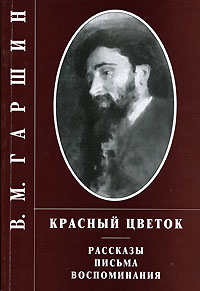
В психиатрическую лечебницу привозят буйного пациента, у которого чередуются ясные прозрения и маниакальные припадки: его жестокие медицинские процедуры и жизнь в больнице стимулируют бредовые идеи о всеобщем знании и борьбе со злом, воплощённом в ярко‑алых маках. Он тайно срывает и уничтожает эти цветы как символическую жертву, стремясь перенять их зло, истощается и, наконец, вырывает последний мак и умирает, сжав его в руке.
free

В мае 1877 г. я пришёл в Кишинёв и, записавшись в 222-й пехотный полк, перенёс тяжёлые марши, дождь, жару и быт походной жизни среди сослуживцев — весёлого Фёдорова и мрачного дяди Житкова.
В роте два офицера — капитан Заикин и молодой Стебельков — и жестокий штабс-капитан Венцель, чья тирания к солдатам обостряет напряжение и в конце кончается нервным срывом.
Переправа через Дунай и бои показали мне кровавую цену дисциплины и массового подчинения: убытки большие, люди гибнут, а чувства и совесть терзают и офицеров, и рядовых.
В роте два офицера — капитан Заикин и молодой Стебельков — и жестокий штабс-капитан Венцель, чья тирания к солдатам обостряет напряжение и в конце кончается нервным срывом.
Переправа через Дунай и бои показали мне кровавую цену дисциплины и массового подчинения: убытки большие, люди гибнут, а чувства и совесть терзают и офицеров, и рядовых.
free

Рассказ противопоставляет двух молодых художников: спокойного, прагматичного пейзажиста Дедова, которому наследство даёт возможность учёбы и успеха, и мучительного Рябинина, создавшего впечатляющий и социально жёсткий этюд «Глухарь», от которого у него случился нервный срыв. Тема — цена искреннего творчества, конфликт между эстетикой и социальной реальностью и разные судьбы художника в обществе.
free
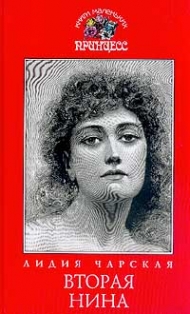
В грозовую ночь Нина падает с коня и чудом спасается горцем‑абреком Керимом; он выручает её, дарит кинжал и сразу оказывается в центре подозрений как разбойник.
Вернувшись в Гори, Нина переживает смерть приёмного отца, попадает под опёку суровой бабушки и в результате семейных перипетий оказывается в ауле и затем отправляется в петербургский институт.
В институте она сталкивается с жестокими правилами и травлёй, но находит неожиданных союзников (в частности Лидию Рамзай), при этом чувства к горам и к Кериму остаются определяющими для неё.
Вернувшись в Гори, Нина переживает смерть приёмного отца, попадает под опёку суровой бабушки и в результате семейных перипетий оказывается в ауле и затем отправляется в петербургский институт.
В институте она сталкивается с жестокими правилами и травлёй, но находит неожиданных союзников (в частности Лидию Рамзай), при этом чувства к горам и к Кериму остаются определяющими для неё.
free
Русская женщина вылечила Израила, за что мулла и горцы оклеветали её, обвинив в колдовстве и побуждении Беллы с Израилом принять христианство и бежать.
Во время ночного побега русскую схватили и приговорили к смерти, но князь Георгий вовремя спас её из рук Эйше и муллы.
Белла и Израил крестились (Елена и Арсений) и начали новую жизнь в Гори; Хаджи‑Магомет вернулся в горы.
Во время ночного побега русскую схватили и приговорили к смерти, но князь Георгий вовремя спас её из рук Эйше и муллы.
Белла и Израил крестились (Елена и Арсений) и начали новую жизнь в Гори; Хаджи‑Магомет вернулся в горы.
free

Провинциалка Людмила Влассовская поступает в петербургский институт, где заводит дружбу с смелой княжной Ниной Джаваха, переживает конфликт с одноклассницами и вписывается в строгую институтскую жизнь.
Нина, защитившая Люду и класс, тяжело заболевает и умирает, оставив героиню в глубокой скорби и чувстве долга.
Люда выдерживает экзамены, становится первой в классе и возвращается домой с матерью и братом, сохраняя память о погибшей подруге.
Нина, защитившая Люду и класс, тяжело заболевает и умирает, оставив героиню в глубокой скорби и чувстве долга.
Люда выдерживает экзамены, становится первой в классе и возвращается домой с матерью и братом, сохраняя память о погибшей подруге.
free

Нина, княжна Джаваха, вспоминает детство в Гори: кавказское происхождение, нежную мать‑татaрку и её раннюю смерть, суровый дед Хаджи‑Магомет и гордость за отца‑воина.
Конные проделки, дружба с Бэллой, трагедия – смерть Юлико, разоблачение предательства Абрека и рискованный побег в горы закаляют её характер и ведут к примирению с отцом.
Отправленная в петербургский институт, Нина переживает травлю и испытания, но находит верных подруг (Ирэн, Люда), остаётся честной и демонстрирует храбрость.
Конные проделки, дружба с Бэллой, трагедия – смерть Юлико, разоблачение предательства Абрека и рискованный побег в горы закаляют её характер и ведут к примирению с отцом.
Отправленная в петербургский институт, Нина переживает травлю и испытания, но находит верных подруг (Ирэн, Люда), остаётся честной и демонстрирует храбрость.
free

Простой деревенский юноша Никита призван в армию, формально признан годным, но не годится в строю и оказывается на тяжёлой чёрной работе. Его назначают денщиком у молодого прапорщика Стебелькова — легкомысленного, амбициозного офицера, чьи светские мечты резко контрастируют с молчаливой покорностью Никиты. Через их быт показаны социальное неравенство, бессилие военной системы и неизменность судьбы простого человека.
free
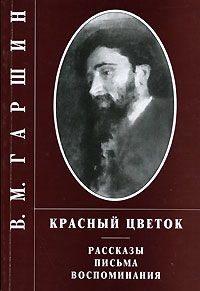
Рассказ от первого лица о том, как рядовой Иванов в 1877 году был тяжело ранен в ноги, провёл в мучительной агонии, жажде и бреду, терзаясь чувством вины за убитого турка. Его наконец замечают товарищи, доставляют в лазарет, где врачи спасают ему жизнь, сняв одну ногу.
free
Бабушка вспоминает свою молодость: куртуазную игру с маркизом д’Юрфе, опеку и ревность командора де Бельевра и поездку в Арденны на фоне легенд о зловещем замке Обербуа.
В дороге карета разбивается, она очнулась у развалин и оказывается на кошмарном маскараде призраков без теней, где францисканец-ползун и рыцарь Бертран претендуют на неё; крест и клятва прогоняют видения, а командор наутро спасает её из леса.
Найдена древняя королевская грамота о преступлениях Бертрана и клятве встретиться через триста лет; бабушка поправляется и вскоре выходит замуж за того, кого называет своим мужем.
В дороге карета разбивается, она очнулась у развалин и оказывается на кошмарном маскараде призраков без теней, где францисканец-ползун и рыцарь Бертран претендуют на неё; крест и клятва прогоняют видения, а командор наутро спасает её из леса.
Найдена древняя королевская грамота о преступлениях Бертрана и клятве встретиться через триста лет; бабушка поправляется и вскоре выходит замуж за того, кого называет своим мужем.
free

Пьеса А. К. Толстого «Дон Жуан» — масштабная философско-психологическая драма о донe Жуане де Маранья: распутство, гордость и сатанинские интриги ведут к убийству Командора и гибели Донны Анны.
Через ряд соблазнов, мистических видений и нравственных испытаний герой переживает внутренний раскол между неверием и прозрением, где любовь предстает как возможное спасение.
Финал — покаяние в монастыре и приближение смерти; пьеса ставит вопросы свободы воли, ответственности и соотношения божественного и демонического.
Через ряд соблазнов, мистических видений и нравственных испытаний герой переживает внутренний раскол между неверием и прозрением, где любовь предстает как возможное спасение.
Финал — покаяние в монастыре и приближение смерти; пьеса ставит вопросы свободы воли, ответственности и соотношения божественного и демонического.
free
Маркиз д'Юрфе рассказывает, как в 1759 году, будучи посланником в Молдавии, он остановился в славянской деревне, влюбился в Зденку и стал свидетелем страшной семейной легенды: старик Горча вернулся из гор с кровавой раной и по словам местных оказался вурдалаком, что повлекло за собой ночные видения, болезни и смерти. В кульминации Зденка сама предалась вампирской ярости и напала на маркиза, которому чудом удалось вырваться и бежать, после чего деревня была опустошена — рассказ служит его жутким воспоминанием и предостережением.
free
Готическая повесть А. К. Толстого «Упырь» рассказывает о Руневском, влюблённом в Дашу из семейства с тайной генеалогией (Ostroviczy), куда вкрадываются легенды о призраках, портрете Прасковьи и упырях в лице близких. Через череду сновидений, рассказов сумасшедшего Рыбаренки, загадочных совпадений и дуэльных событий повесть умело держит читателя между двумя объяснениями — сверхъестественным и психогенным (иллюзия, предание, человеческая коварность). Развязка — спасение Даши, брак и самоубийство Рыбаренки при сохраняющейся двусмысленности происходившего — оставляет вопрос о границе между реальностью и мифом открытым.
free
Ночные рейды князя Никиты Серебряного и разбойников — дерзкая атака на татарский стан с поджогом степи, побратимством и гибелью Максима — сменяются торжеством и похоронами.
Дворовые интриги и суды при Иване Грозном: Басманов, Вяземский и Морозов вовлечены в доносы, поединки и публичные казни в рамках опричнины, показательно высвечивающие жестокость власти.
Впоследствии опричнина распадается, а на фоне исторических перемен возникает завоевание Сибири Ермаком; автор рефлексирует о нравственной цене тирании и храбрости честных людей.
Дворовые интриги и суды при Иване Грозном: Басманов, Вяземский и Морозов вовлечены в доносы, поединки и публичные казни в рамках опричнины, показательно высвечивающие жестокость власти.
Впоследствии опричнина распадается, а на фоне исторических перемен возникает завоевание Сибири Ермаком; автор рефлексирует о нравственной цене тирании и храбрости честных людей.
free
Tom Tringle, frantic over Ayala, strikes Colonel Stubbs in the street and is rescued from the police by Stubbs, whereupon his father sends him abroad. Ayala, after wavering, is courted into accepting Colonel Jonathan Stubbs at Stalham (while Gertrude marries Captain Batsby, Lucy marries Isadore Hamel, and Imogene marries Frank Houston). The tale closes with Ayala and Stubbs wed and Tom departing on his long tour.
free
Mr Whittlestaff takes the orphaned Mary Lawrie into his home, falls in love and obtains her promise, but her former sweetheart John Gordon returns from the Kimberley diamond-fields wealthy and presses his claim.
After long agonies of duty and pride—amid household intrigues (Mrs Baggett and Sergeant Baggett) and side- romances (Montagu Blake and Kattie Forrester)—Whittlestaff nobly yields Mary to Gordon, who marries her, while Whittlestaff and Mrs Baggett settle their fates at Croker's Hall.
After long agonies of duty and pride—amid household intrigues (Mrs Baggett and Sergeant Baggett) and side- romances (Montagu Blake and Kattie Forrester)—Whittlestaff nobly yields Mary to Gordon, who marries her, while Whittlestaff and Mrs Baggett settle their fates at Croker's Hall.
free
He argues that authors must rely on conscience and decorum—neither soliciting praise nor squabbling with critics, but taking praise and censure dispassionately.
He recounts a disciplined, prolific career—Waltham Cross routine, resignation from the Post Office to edit St. Paul's, postal missions to America, travels in Australia, and the steady production of many novels that yielded comfortable though not extravagant returns.
He adds reflections on politics (as an "advanced Conservative‑Liberal"), failed parliamentary attempts (Beverley), his private life and hunting, and concludes that persevering industry, not inspiration, is his chief literary virtue.
He recounts a disciplined, prolific career—Waltham Cross routine, resignation from the Post Office to edit St. Paul's, postal missions to America, travels in Australia, and the steady production of many novels that yielded comfortable though not extravagant returns.
He adds reflections on politics (as an "advanced Conservative‑Liberal"), failed parliamentary attempts (Beverley), his private life and hunting, and concludes that persevering industry, not inspiration, is his chief literary virtue.
free
Fred Neville, heir (and then Earl) of Scroope, falls in love with Kate O'Hara, an Irish girl of doubtful parentage; torn between his family’s duty and his promise to Kate, he vows not to make her Countess and seeks compromises. When he returns resolved to refuse the marriage, Mrs O'Hara, in a fury of vengeance, thrusts him from the Cliffs of Moher; she is declared mad and confined, Kate is ruined and removed, and the Scroope household is left shattered.
free
A solitary English traveller enlists a bashful companion who calls himself John Smith and they journey together through Jerusalem, the Dead Sea, Jordan and Jericho, the younger man becoming confiding about personal sorrow. At Jaffa the companion is revealed to be Miss Julia Weston in male disguise when her uncle Sir William appears; the uncle takes her away by steamer, leaving the narrator ashamed and regretful for having been deceived.
free
Thoreau describes daily life at Walden Pond: vivid natural observations (birds, loons, ants’ battle), building and wintering in a simple cabin, and the pond’s seasonal changes. From these particulars he draws philosophical reflections on solitude, simplicity, self-reliance, and the need to "explore thyself." He argues that a deliberate, modest life in Nature reveals deeper truths than social ambition or worldly travel.
free
A travelogue of a canoe expedition through the swampy Allegash and Penobscot headwaters: the party, guided by an Indian named Polis, endures fallen timber, carries, rapids, insects, storms and a temporary loss of a companion before reuniting at campsites on successive lakes.
Detailed natural-history observations accompany the narrative—botanical lists, bird and mammal sightings, indigenous place-names and practical woodcraft—set against frequent descriptions of dams and logging operations that have flooded shores and strewn dead timber.
The account balances admiration for the wild scenery and native expertise with a pointed critique of lumbermen’s destructive impact on the forest.
Detailed natural-history observations accompany the narrative—botanical lists, bird and mammal sightings, indigenous place-names and practical woodcraft—set against frequent descriptions of dams and logging operations that have flooded shores and strewn dead timber.
The account balances admiration for the wild scenery and native expertise with a pointed critique of lumbermen’s destructive impact on the forest.
free
Government is a useful but frequently abusive expedient: the best government governs least, and individual conscience must take precedence over obedience to unjust laws.
When the state sustains grave injustices (e.g., slavery, aggressive war), citizens have a moral duty to withdraw support and resist nonviolently—even by refusing taxes and accepting imprisonment—rather than trusting majority rule or mere petitioning.
Real reform depends on decisive, principled minorities acting from conscience; voting or opinion without committed action is ineffective.
When the state sustains grave injustices (e.g., slavery, aggressive war), citizens have a moral duty to withdraw support and resist nonviolently—even by refusing taxes and accepting imprisonment—rather than trusting majority rule or mere petitioning.
Real reform depends on decisive, principled minorities acting from conscience; voting or opinion without committed action is ineffective.
free
Survey of Cape Cod: examines competing discovery claims (Norse sagas, Basque/French reports, Gosnold) and records the Pilgrims’ 1620 landing.
Contrasts early reports of wooded, fertile shore with the author's observation of a largely sandy, windswept Cape, and documents Provincetown’s harbor, fishing life, wrecks, and the history of Minot’s Ledge lighthouse.
Characterizes the Cape’s long uninterrupted beach, maritime economy and local customs, and recommends autumn as the best season to visit.
Contrasts early reports of wooded, fertile shore with the author's observation of a largely sandy, windswept Cape, and documents Provincetown’s harbor, fishing life, wrecks, and the history of Minot’s Ledge lighthouse.
Characterizes the Cape’s long uninterrupted beach, maritime economy and local customs, and recommends autumn as the best season to visit.
free
A prolonged river voyage on the Merrimack and its tributaries provides detailed naturalistic, topographic, and antiquarian observations interspersed with local incidents and sketches of persons and places. From the voyage the author develops reflective essays on nature, seasons, islands and rocks, friendship, poetry, genius, and the relation of imagination to science. Tone and method are meditative and descriptive: close field observation fused with classical allusion, moral reflection, and occasional narrative anecdote.
free
The speaker defends Captain John Brown as a sober, religiously motivated, and heroic opponent of slavery—whose deeds in Kansas and at Harpers Ferry sprang from conscience, not madness—and praises his moral courage, Spartan character, and humane discipline. He denounces newspapers, politicians, and the government as hypocritical supporters of tyranny, arguing Brown’s fate will expose that injustice and seed a moral revival that will outlast his death.
free
Methodist preacher Richard Stockdale falls in love with Lizzy Newberry, who is deeply implicated in organised smuggling, placing him in a conflict between affection and conscience. After joining her on night-runs and witnessing a large seizure by the excise and attendant violence, he demands she abandon the trade; she refuses and he leaves the parish. Years later the contraband trade collapses, Lizzy repents, they marry, and she helps circulate a reform tract.
free
Hardy records, with ethnographic nostalgia, the vanished west‑gallery choir tradition and the social loss caused by replacing communal string bands with single organists.
The plot traces village life through seasonal episodes—the Dewy family choir, the schoolmistress Fancy Day, rival suitors (Shiner and the vicar Maybold), and disputes over church music—framing a courtship tested by class, ambition, and local customs.
Through carols, parties, and a wedding, the novel stages rural social change and its effects on community, art, and private loyalties.
The plot traces village life through seasonal episodes—the Dewy family choir, the schoolmistress Fancy Day, rival suitors (Shiner and the vicar Maybold), and disputes over church music—framing a courtship tested by class, ambition, and local customs.
Through carols, parties, and a wedding, the novel stages rural social change and its effects on community, art, and private loyalties.
free
Viviette’s secret marriage to Swithin is found legally void when news proves her first husband died later than supposed and Swithin stands to inherit an annuity conditional on remaining unmarried until twenty‑five. To preserve his scientific prospects she renounces their union; Swithin sails for southern observatories, while Viviette—pressed by shame and Dr. Helmsdale’s suit—weds the Bishop and has a son. Years later Swithin returns, they briefly reconcile on the tower, and Viviette dies suddenly in his arms.
free
Dr Edgar Fitzpiers becomes entangled with Felice Charmond, neglecting his wife Grace and provoking her father George Melbury to intervene while he tries to reinstate Grace with her former lover Giles Winterborne.
Grace secretly shelters Winterborne, who succumbs after exposure; Fitzpiers, wounded and remorseful, is helped to flee abroad by Charmond, who shortly afterwards dies in scandal.
Grace mourns Winterborne, rebuffs Fitzpiers’s advances, and the household is left divided by grief, repentance, and unresolved ties.
Grace secretly shelters Winterborne, who succumbs after exposure; Fitzpiers, wounded and remorseful, is helped to flee abroad by Charmond, who shortly afterwards dies in scandal.
Grace mourns Winterborne, rebuffs Fitzpiers’s advances, and the household is left divided by grief, repentance, and unresolved ties.
free
A false alarm of a French landing sends the county into uproar; Festus Derriman’s boastful bravado culminates in his attempt to force Anne Garland, who escapes on his horse and is rescued by John Loveday.
Bob Loveday is nearly impressed, then volunteers and wins distinction at Trafalgar; Anne endures jealousy and sorrow but unexpectedly inherits Oxwell Hall when Uncle Benjy’s will is found.
John, who loves Anne and sacrifices for his brother, restrains himself for Bob’s sake and at last departs with his regiment to the Peninsula, bidding a farewell that proves final.
Bob Loveday is nearly impressed, then volunteers and wins distinction at Trafalgar; Anne endures jealousy and sorrow but unexpectedly inherits Oxwell Hall when Uncle Benjy’s will is found.
John, who loves Anne and sacrifices for his brother, restrains himself for Bob’s sake and at last departs with his regiment to the Peninsula, bidding a farewell that proves final.
free
Yeobright gives Charley a lock of Eustacia’s hair; they watch Thomasin and Venn’s wedding from a screened window, and Clym returns solitary, lamenting his failure to heed his late mother. He soon adopts the role of itinerant, open‑air moral lecturer—delivering non‑dogmatic "Sermons on the Mount" from Rainbarrow and elsewhere—which meets mixed critical response but general sympathy.
free
A public accusation that Michael Henchard once sold his wife ruins his reputation and fortunes while Lucetta, scandalised, marries Donald Farfrae and later dies after a humiliating skimmington exposes her past.
Henchard alternately menaces and repents, shelters Elizabeth‑Jane (whom he long passed off as his daughter), but Captain Newson returns, reclaims her and she marries Farfrae; Henchard dies alone, his terse last wishes observed.
Henchard alternately menaces and repents, shelters Elizabeth‑Jane (whom he long passed off as his daughter), but Captain Newson returns, reclaims her and she marries Farfrae; Henchard dies alone, his terse last wishes observed.
free
After a wet night and the cavalry’s withdrawal from Quatre-Bras, the Anglo-Allied and French armies deploy on the slopes of Mont Saint‑Jean and engage in protracted fighting—artillery, infantry and repeated cavalry charges concentrate on Hougomont, La Haye Sainte and the Allied centre.
Ney’s cavalry and d’Erlon’s columns repeatedly assault Wellington’s squares and reserves while Wellington holds firm; Blücher’s Prussians, after difficult marching, strike the French right at Plancenoit and help turn the tide.
The Imperial Guard’s final assault is repulsed, the French routs, Napoleon withdraws into despondent reflection, and the dramatis personae close with a philosophical chorus on suffering, chance and the impersonal force driving history.
Ney’s cavalry and d’Erlon’s columns repeatedly assault Wellington’s squares and reserves while Wellington holds firm; Blücher’s Prussians, after difficult marching, strike the French right at Plancenoit and help turn the tide.
The Imperial Guard’s final assault is repulsed, the French routs, Napoleon withdraws into despondent reflection, and the dramatis personae close with a philosophical chorus on suffering, chance and the impersonal force driving history.
free
Angel Clare returns intent on reconciliation but finds Tess estranged and under the influence of Alec d’Urberville.
Tess kills Alec, reunites with Angel and they flee—hiding in an empty manor and at Stonehenge—until she surrenders.
She is apprehended and ultimately executed, and Clare later mourns her with Liza-Lu.
Tess kills Alec, reunites with Angel and they flee—hiding in an empty manor and at Stonehenge—until she surrenders.
She is apprehended and ultimately executed, and Clare later mourns her with Liza-Lu.
free
Jack Winter, jilted by Harriet Palmley, breaks into her aunt’s house to recover his letters, is apprehended on strong circumstantial evidence, tried for burglary and executed.
Georgy Crookhill swaps clothes with a farmer, flees with horse and some money, is captured and momentarily mistaken for a military deserter but receives only a light sentence while the actual deserter escapes.
Netty Sargent fakes her dead uncle’s signature to secure the copyhold and marry Jasper Cliff, later suffers domestic unhappiness, and the account closes with Mr. Lackland’s melancholic visit to a changed Longpuddle.
Georgy Crookhill swaps clothes with a farmer, flees with horse and some money, is captured and momentarily mistaken for a military deserter but receives only a light sentence while the actual deserter escapes.
Netty Sargent fakes her dead uncle’s signature to secure the copyhold and marry Jasper Cliff, later suffers domestic unhappiness, and the account closes with Mr. Lackland’s melancholic visit to a changed Longpuddle.
free
Sue swears on the New Testament and, despite visible aversion, yields to Richard and is taken back into his house.
Jude, wasting away, is told by Mrs. Edlin that Sue has resumed conjugal relations; he broods bitterly over ruined ambitions and rails against social conventions.
Arabella, who flirts with Dr. Vilbert, leaves Jude alone to die amid town festivities; he expires calling for Sue, and at his funeral Arabella and Mrs. Edlin quarrel over whether Sue has found peace.
Jude, wasting away, is told by Mrs. Edlin that Sue has resumed conjugal relations; he broods bitterly over ruined ambitions and rails against social conventions.
Arabella, who flirts with Dr. Vilbert, leaves Jude alone to die amid town festivities; he expires calling for Sue, and at his funeral Arabella and Mrs. Edlin quarrel over whether Sue has found peace.
free
Bathsheba Everdene’s entanglements—Boldwood’s morbid fixation and her impulsive liaison and marriage with Sergeant Troy—produce jealousy, concealment and social scandal. The exposure of Troy’s prior connection with Fanny Robin, Fanny’s death and Troy’s furtive return culminate in Boldwood’s shooting of Troy and subsequent confinement on grounds of insanity. Gabriel Oak’s steady industry and fidelity secure Bathsheba’s lands and, after the tragedy, lead to their understated marriage and a re‑establishment of domestic order.
free
Aeneas Manston confesses to accidentally killing his first wife in a jealous outburst, concealing the body in an outhouse oven and later marrying Cytherea Graye after arranging a substitution with Anne Seaway; his admission ultimately clears the women suspected of complicity. Miss Aldclyffe, on her deathbed, discloses a long-hidden maternal past connected to Cytherea, and by a shrewd will (naming “the wife of Aeneas Manston”) the estate is settled under Pa’son Raunham’s management while Cytherea and her husband Edward Springrove live reconciled and content.
free
A provincial love-triangle forms around Elfride Swancourt, her early lover Stephen Smith and the reserved Henry Knight; after a perilous cliff incident Elfride and Knight become engaged.
Elfride conceals a prior secret liaison and near-elopement; the dying Mrs Jethway’s posthumous letter accusing Elfride of betraying her son awakens Knight’s jealousy, he renounces her and departs.
Elfride then marries Lord Luxellian but dies abroad; Knight and Smith return to learn the truth and are left remorseful and bereaved.
Elfride conceals a prior secret liaison and near-elopement; the dying Mrs Jethway’s posthumous letter accusing Elfride of betraying her son awakens Knight’s jealousy, he renounces her and departs.
Elfride then marries Lord Luxellian but dies abroad; Knight and Smith return to learn the truth and are left remorseful and bereaved.
free
Newlyweds Somerset and Paula arrive amid village comment while Sir William De Stancy, brooding over a broken match, confronts the dissolute Dare about family disgrace.
An unknown person assembles the De Stancy heirlooms in the Long Gallery and sets them on fire, and Paula, having just received Charlotte’s letter announcing withdrawal to a Protestant sisterhood, learns of the conflagration.
After assessing losses and that the stone shell remains, the couple decide against rebuilding the castle and resolve to erect a new, modern house beside the ruin.
An unknown person assembles the De Stancy heirlooms in the Long Gallery and sets them on fire, and Paula, having just received Charlotte’s letter announcing withdrawal to a Protestant sisterhood, learns of the conflagration.
After assessing losses and that the stone shell remains, the couple decide against rebuilding the castle and resolve to erect a new, modern house beside the ruin.
free
The Grail quest culminates as the pure Sir Galahad—joined by Percival and Bors—proves himself (sits in the Siege Perilous, draws the enchanted sword), achieves the Sangreal, heals King Pelles and is translated; Percival retires to a hermitage and Bors returns to Arthur.
Later Lancelot, celebrated yet compromised by his love for Queen Guinevere, rescues her, causes deadly schisms (including the accidental deaths of Gareth and Gaheris), and after Modred’s usurpation and Guinevere’s retreat to a nunnery he withdraws from the world.
Civil war follows: Arthur defeats Modred but is mortally wounded, orders Excalibur cast into the lake, is borne away to Avilion, and the Round Table and his realm pass.
Later Lancelot, celebrated yet compromised by his love for Queen Guinevere, rescues her, causes deadly schisms (including the accidental deaths of Gareth and Gaheris), and after Modred’s usurpation and Guinevere’s retreat to a nunnery he withdraws from the world.
Civil war follows: Arthur defeats Modred but is mortally wounded, orders Excalibur cast into the lake, is borne away to Avilion, and the Round Table and his realm pass.
free
After the Curzon Street scandal Rebecca (Mrs. Rawdon Crawley) descends into despair and a restless, disreputable continental life of gambling, drinking and flirtation.
By artifice and charm she ingratiates herself with Joseph Sedley and Mrs. Osborne, foments the rupture between Amelia and Major Dobbin, and eventually benefits from Sedley’s ruined affairs and life‑insurance.
She never regains her family’s favour, maintains a public air of piety and charity, while the other principal characters marry or settle and life at Queen’s Crawley resumes its course.
By artifice and charm she ingratiates herself with Joseph Sedley and Mrs. Osborne, foments the rupture between Amelia and Major Dobbin, and eventually benefits from Sedley’s ruined affairs and life‑insurance.
She never regains her family’s favour, maintains a public air of piety and charity, while the other principal characters marry or settle and life at Queen’s Crawley resumes its course.
free
An episode of the Conway Cabal and Colonel Warrington’s jealousy over Lafayette that showcases Washington’s patience, wounded pride, and conciliatory moral authority.
Washington’s dignified farewell to his officers is presented as the exemplar of endurance and self‑sacrifice for the republic.
A secondary arc follows Sir George’s contest with Lord Castlewood over a Virginian estate—amid Loyalist intrigues (Arnold, Van den Bosch, Will Esmond)—resolved by the recovery of the assignment and closing domestic reflection.
Washington’s dignified farewell to his officers is presented as the exemplar of endurance and self‑sacrifice for the republic.
A secondary arc follows Sir George’s contest with Lord Castlewood over a Virginian estate—amid Loyalist intrigues (Arnold, Van den Bosch, Will Esmond)—resolved by the recovery of the assignment and closing domestic reflection.
free
Ethel finds a paper of the late Mrs. Newcome bequeathing £6,000 to Clive; Mr. Luce verifies the handwriting and arranges for the sum to be placed at Clive’s disposal.
The legacy settles the household debts and prompts temporary reconciliation, but Rosa dies following a stillbirth and the weakened Colonel Newcome soon after dies at Grey Friars, murmuring “Adsum.”
Pendennis closes the narrative with a reflective coda, hinting at a probable happy union for Ethel and Clive and treating the events as a moralised “Fable‑land” of restorative justice.
The legacy settles the household debts and prompts temporary reconciliation, but Rosa dies following a stillbirth and the weakened Colonel Newcome soon after dies at Grey Friars, murmuring “Adsum.”
Pendennis closes the narrative with a reflective coda, hinting at a probable happy union for Ethel and Clive and treating the events as a moralised “Fable‑land” of restorative justice.
free
Two letters recount John “Jack Alias” Armstrong’s flight and refuge and convey warm congratulations to Arthur and Laura. Arthur and Laura marry at Clavering; the epilogue sketches outcomes for others (Harry Foker abroad, Blanche married in Paris, Cos’s ignominious end, Morgan respectable, Bows politically successful, Pendennis as borough representative). The closing notes Major Pendennis’s domestic contentment, George’s modest life, and a moral reflection on human fallibility that asks charity for Arthur, an ordinary but lovable man.
free
Colonel Henry Esmond narrates his hopeless passion for his kinswoman Beatrix—her beauty, coquetry and ambition, and the tragedy of her broken engagement when the Duke of Hamilton is slain. He then describes a secret Jacobite scheme by which he brings the Chevalier (the Pretender) into England under the name of Lord Castlewood, the Prince’s stay at Kensington, and how timidity, betrayals and ill‑timing frustrate the enterprise. The plot’s collapse—followed by George’s proclamation—ruins hopes, estranges Beatrix, and ushers in the narrator’s later exile and domestic consolation.
free
Satirical compendium diagnosing "snobbery" as a pervasive social malady: the writer classifies and lampoons its many species—royal, aristocratic, clerical, military, university, commercial, continental, country, club and domestic—by means of brisk anecdotes and caricatures. He concludes that snobbishness pervades all ranks, corrupts manners and morals, and deserves exposure and reform.
free
Redmond (Barry) Lyndon recounts how he rose from a penniless Irish soldier and professional gambler to win the wealthy Countess of Lyndon and immense social and material advancement by daring, intrigue, and courtship.
He revels in continental and English high society, rebuilds estates and assumes grandeur, but squanders money, alienates peers, quarrels with his stepson Lord Bullingdon and endures the crushing loss of his little son Bryan.
Harried by debts, lawsuits and family conspiracies, his hopes of a peerage collapse and, betrayed and outlawed, he ends ruined and imprisoned while the Lyndon inheritance passes to rival kin.
He revels in continental and English high society, rebuilds estates and assumes grandeur, but squanders money, alienates peers, quarrels with his stepson Lord Bullingdon and endures the crushing loss of his little son Bryan.
Harried by debts, lawsuits and family conspiracies, his hopes of a peerage collapse and, betrayed and outlawed, he ends ruined and imprisoned while the Lyndon inheritance passes to rival kin.
free
Das Werk erzählt die Geschichte von Victor Frankenstein und seinem Geschöpf, thematisiert gesellschaftliche und menschliche Abgründe und die tragischen Konsequenzen wissenschaftlicher Ambitionen. Es schildert sowohl Franksteins Schöpfung als auch den erbitterten Rachefeldzug des Wesens, verbunden mit tiefgreifendem Leid und existenziellen Fragen zu Wissenschaft, Verantwortung und Moral. Im Sterben reflektiert Frankenstein, während sein Geschöpf in einer Mischung aus Schmerz, Reue und Trotz seine Isolation beklagt. Schließlich beschließt die Kreatur, ihr Leiden zu beenden und sich selbst auf einem Eisschollen zu verbrennen, um sowohl seine Qualen als auch das Vermächtnis von sich und seinem Schöpfer auszulöschen.
free
Edward Waverley, torn between Flora Mac‑Ivor and Rose Bradwardine, is swept into the Jacobite rising and into a fatal friendship and quarrel with the Highland chieftain Fergus Mac‑Ivor.
After the retreat and skirmishes Fergus is captured and executed, while Waverley, sheltered and later pardoned through Colonel Talbot’s influence, aids in restoring the Baron of Bradwardine.
Waverley marries Rose and returns to Waverley‑Honour, the narrative closing on the personal consequences of the rebellion and a reflective lament for vanishing Scottish ways.
After the retreat and skirmishes Fergus is captured and executed, while Waverley, sheltered and later pardoned through Colonel Talbot’s influence, aids in restoring the Baron of Bradwardine.
Waverley marries Rose and returns to Waverley‑Honour, the narrative closing on the personal consequences of the rebellion and a reflective lament for vanishing Scottish ways.
free
Mysie Happer, disguised as a page, rescues Sir Piercie Shafton and accompanies him with strict propriety.
At Glendearg Mary Avenel, visited by the White Lady, finds her mother's "Black Book" and spiritual consolation; Henry Warden is captured, debates the Sub‑Prior, and is spared on parole.
Border warfare follows: Julian Avenel is killed, Edward confesses jealous malice and becomes a novice, Halbert rises under Murray and marries Mary, while Piercie and his bride depart for the Continent.
At Glendearg Mary Avenel, visited by the White Lady, finds her mother's "Black Book" and spiritual consolation; Henry Warden is captured, debates the Sub‑Prior, and is spared on parole.
Border warfare follows: Julian Avenel is killed, Edward confesses jealous malice and becomes a novice, Halbert rises under Murray and marries Mary, while Piercie and his bride depart for the Continent.
free
Line-by-line critical and philological annotations to Sir Walter Scott’s The Lady of the Lake, noting manuscript and early-edition variants, archaic vocabulary, historical and literary references, and occasional emendations. Includes a collation addendum on editions and provenance, numbered footnotes with sources, and a Gutenberg acknowledgment.
free
Lord Glenvarloch's violent quarrel in Greenwich Park leads to his arrest and imprisonment in the Tower amid accusations against him and the disappearance of a royal warrant that threatens his estate.
Margaret Ramsay (disguised), Richie Moniplies and Martha Trapbois, aided by George Heriot, expose intrigues, secure the warrant and redemption-money while Lord Dalgarno's plots end violently.
A royal inquiry clears Nigel, his mortgage is redeemed, he marries Margaret, Richie receives royal honour, and the principal villains are either dead, fled, or discredited.
Margaret Ramsay (disguised), Richie Moniplies and Martha Trapbois, aided by George Heriot, expose intrigues, secure the warrant and redemption-money while Lord Dalgarno's plots end violently.
A royal inquiry clears Nigel, his mortgage is redeemed, he marries Margaret, Richie receives royal honour, and the principal villains are either dead, fled, or discredited.
free
Father Clement warns Simon Glover that the young Highland chief Eachin (once Conachar) loves his daughter Catharine; Simon refuses the match, Eachin confesses a paralyzing cowardice and is driven to despair.
At Falkland the Duke of Rothsay is secretly starved to death by Sir John Ramorny and the quack Dwining; Archibald Douglas uncovers the plot, executes the guilty, while Albany’s suspected role remains politically fraught.
On Palm Sunday the North Inch fight slays most combatants; Henry Wynd wins distinction, Eachin flees and later dies, and Catharine is sheltered by the Douglas and finally weds Henry.
At Falkland the Duke of Rothsay is secretly starved to death by Sir John Ramorny and the quack Dwining; Archibald Douglas uncovers the plot, executes the guilty, while Albany’s suspected role remains politically fraught.
On Palm Sunday the North Inch fight slays most combatants; Henry Wynd wins distinction, Eachin flees and later dies, and Catharine is sheltered by the Douglas and finally weds Henry.
free
The Master of Ravenswood, reconciled for a time with Sir William Ashton, becomes secretly engaged to Lucy Ashton but is thwarted by Lady Ashton’s hostility and political manoeuvres. Lucy is forcibly alienated, married to Bucklaw amid intrigue; the wedding-night ends in violence—Bucklaw wounded, Lucy driven mad and dead. Ravenswood returns, is insulted, accepts Douglas Ashton’s challenge, disappears (presumed drowned), and the families suffer ruin while Lady Ashton remains unrepentant.
free
Jedediah Cleishbotham introduces and vouches for the Tales’ provenance, attributing the texts to the late Peter Pattieson and defending their unaltered publication.
“The Black Dwarf” recounts how the solitary Elshender—partly modelled on the real David Ritchie—lives as a misanthropic but resourceful hermit whose unexpected interventions expose local violence, foil a coercive marriage amid Jacobite intrigue, and redistribute relief to the wronged.
The narrative closes with settlements and reconciliations: Earnscliff weds Isabella, Hobbie Elliot receives indemnity, Sir Edward/Elshie vanishes after conferring benefits, and the conspirators’ plans collapse.
“The Black Dwarf” recounts how the solitary Elshender—partly modelled on the real David Ritchie—lives as a misanthropic but resourceful hermit whose unexpected interventions expose local violence, foil a coercive marriage amid Jacobite intrigue, and redistribute relief to the wronged.
The narrative closes with settlements and reconciliations: Earnscliff weds Isabella, Hobbie Elliot receives indemnity, Sir Edward/Elshie vanishes after conferring benefits, and the conspirators’ plans collapse.
free
The episodes recount Eveline Berenger's interrupted betrothal to Hugo de Lacy—who, under Archbishop Baldwin's pressure, delays departure for the Holy Land—leaving his nephew Damian as her guardian; Randal de Lacy's intrigues, a Welsh abduction at the Red Pool and Damian's wounding spark a siege and widespread accusations of treason.
Reprisals and disclosures (notably the minstrel Renault Vidal/Cadwallon's killing of Randal and King Henry's intervention) lead to Damian's brief imprisonment, subsequent pardon and the collapse of the conspiracy.
Resolution: Hugo reappears, public order is restored, Eveline and Damian are united, loyal retainers are recompensed, and the Constable ultimately departs for Ireland.
Reprisals and disclosures (notably the minstrel Renault Vidal/Cadwallon's killing of Randal and King Henry's intervention) lead to Damian's brief imprisonment, subsequent pardon and the collapse of the conspiracy.
Resolution: Hugo reappears, public order is restored, Eveline and Damian are united, loyal retainers are recompensed, and the Constable ultimately departs for Ireland.
free
King Louis, seized and humiliated at Peronne by Duke Charles for his intrigues in Liège, endures fear, plots revenge (even narrowly staying the execution of his astrologer Galeotti), and goes through a tense council with Burgundy that forces painful concessions.
During the siege of Liège William de la Marck plans a treacherous night sally that Quentin Durward detects and warns of, averting disaster.
In the fierce ensuing fighting Durward distinguishes himself, De la Marck is killed, and the spoil of victory—Isabelle de Croye's hand and estates—becomes the prize that propels Durward's fortunes.
During the siege of Liège William de la Marck plans a treacherous night sally that Quentin Durward detects and warns of, averting disaster.
In the fierce ensuing fighting Durward distinguishes himself, De la Marck is killed, and the spoil of victory—Isabelle de Croye's hand and estates—becomes the prize that propels Durward's fortunes.
free
Francis Osbaldistone and his Glasgow companions, after a quarrelous night at Jeanie MacAlpine's inn, are swept into the Highland turmoil: seized by militia, caught in an ambush at a lake pass, and witness the rout of Captain Thornton and the cold-blooded murder of the gauger Morris by Helen MacGregor's party. Rob Roy is briefly captive but escapes; Diana Vernon appears disguised, renounces Frank under pressure, is spirited away with her father, and ultimately placed beyond immediate danger. In the aftermath Frank recovers his father's papers and estate, Rashleigh dies, Frank succeeds to Osbaldistone Hall and marries Diana, while Rob Roy survives in the Highlands as a fabled, ambivalent protector of his people.
free
Mr. Oldbuck probes the Glenallan mystery: Elspeth’s late confession and family papers rekindle hope for Eveline’s child though she dies ere all is revealed.
Meanwhile Edie, Lovel/Major Neville, Sir Arthur and the quack Dousterswivel are embroiled in the buried-treasure affair that, with Reginald Wardour’s timely assistance, averts ruin; a false beacon alarm musters the militia, and the tale closes in reconciliations, marriages, and settled fortunes.
Meanwhile Edie, Lovel/Major Neville, Sir Arthur and the quack Dousterswivel are embroiled in the buried-treasure affair that, with Reginald Wardour’s timely assistance, averts ruin; a false beacon alarm musters the militia, and the tale closes in reconciliations, marriages, and settled fortunes.
free
A conspiracy to seize Whitehall—apparently organized by Christian and implicating the Duke of Buckingham through concealed arms in a violoncello—throws Charles’s court into alarm. Inquiry with witnesses (the dwarf Hudson, the Peverils, the Countess of Derby and the mute Fenella/Zarah) exposes Christian’s intrigues and deceptions; Buckingham is publicly exonerated though mistrusted, and Christian is driven into exile. The Peverils are vindicated, the Countess decides to withdraw to the Isle of Man, and a marriage is arranged to restore the family’s estates.
free
After the rout at Bothwell Bridge Morton and his squire flee; Morton is seized by zealous Cameronians who intend to execute him, but Claverhouse’s dragoons storm the farmhouse and secure his parole and banishment.
Returning incognito, Morton seeks out the fanatic Burley at the Black Linn, discovers Burley’s violent plots to control the Bellenden estate, and fails to recover the incriminating deed before Burley destroys it.
The quarrel ends in a violent skirmish in which Basil Olifant and Burley are killed and Lord Evandale mortally wounded; subsequently Morton and Edith Bellenden marry and the Tillietudlem fortunes are restored.
Returning incognito, Morton seeks out the fanatic Burley at the Black Linn, discovers Burley’s violent plots to control the Bellenden estate, and fails to recover the incriminating deed before Burley destroys it.
The quarrel ends in a violent skirmish in which Basil Olifant and Burley are killed and Lord Evandale mortally wounded; subsequently Morton and Edith Bellenden marry and the Tillietudlem fortunes are restored.
free
Edition and paratext present Walter Scott’s Marmion (1808), its publication history, and cantos’ introductions.
Narrative traces Lord Marmion’s intrigue over Constance and Clare, the Palmer’s revelations, and ends with Marmion mortally wounded at Flodden, exposing themes of honour, guilt, and the costs of ambition.
Narrative traces Lord Marmion’s intrigue over Constance and Clare, the Palmer’s revelations, and ends with Marmion mortally wounded at Flodden, exposing themes of honour, guilt, and the costs of ambition.
free
Prince John, aghast that Richard has returned, rages and plots while his partisans quarrel and De Bracy resists striking against the king.
Isaac of York brings his daughter Rebecca to the Preceptory of Templestowe, where Grand Master Lucas Beaumanoir, urged by bigotry and intrigue, accuses her of witchcraft and she demands trial by combat.
Wounded Wilfred of Ivanhoe takes up her cause, overthrows Bois-Guilbert (who dies of his passions), King Richard reveals himself, quells the Templar plot, Rebecca is spared and subsequently leaves England, and Ivanhoe is reconciled with Cedric and wins Rowena.
Isaac of York brings his daughter Rebecca to the Preceptory of Templestowe, where Grand Master Lucas Beaumanoir, urged by bigotry and intrigue, accuses her of witchcraft and she demands trial by combat.
Wounded Wilfred of Ivanhoe takes up her cause, overthrows Bois-Guilbert (who dies of his passions), King Richard reveals himself, quells the Templar plot, Rebecca is spared and subsequently leaves England, and Ivanhoe is reconciled with Cedric and wins Rowena.
free
Bertram, rescued from Portanferry during a smuggler riot and guided by Meg Merrilies and Dinmont, is recognised—by Dominie Sampson’s zeal, Meg’s dying declaration at Derncleugh, Gabriel Faa’s evidence, and Colonel Mannering’s corroboration—as the lost heir of Ellangowan and the victim of the gang that slew the gauger. Hatteraick and his accomplice Glossin perish amid exposure and violence in custody; Pleydell and Mac‑Morlan prosecute the legal recovery, Mannering and the friends secure the family’s restoration, and plans are laid to rebuild Ellangowan and settle the young people's futures.
free
Ranald MacEagh is introduced under a false name and, amid Highland second-sight mysticism, Montrose maneuvers through the mountains and wins a decisive victory over Argyle at Inverlochy, after which Dalgetty is knighted.
Ranald, dying, reveals that Annot Lyle is Sir Duncan Campbell of Ardenvohr’s lost daughter; Menteith and Annot are hastily married.
Jealous Allan M’Aulay stabs Menteith at the bridal, then flees (his fate uncertain), producing lasting personal and military consequences.
Ranald, dying, reveals that Annot Lyle is Sir Duncan Campbell of Ardenvohr’s lost daughter; Menteith and Annot are hastily married.
Jealous Allan M’Aulay stabs Menteith at the bridal, then flees (his fate uncertain), producing lasting personal and military consequences.
free
Ossaroo, having fashioned a hemp net, nearly sank in quicksand while hauling a large fish and was rescued by Caspar; subsequently the trio slew a bear and explored an immense cave where their torches failed and they became disoriented. They subsisted on the bear’s flesh, rendered its fat into tallow and moulded candles from emptied gun barrels to regain light and escape, but repeated explorations later failed to find a through‑route and they reluctantly accepted prolonged isolation, consoling themselves with faith.
free
A hunting party locates Willem with a captured young giraffe and secures a second, while suffering thefts, a rhinoceros stampede and other hazards but ultimately recovering most of their stock. Congo tracks the stolen giraffes to a camp, is seized and abandoned, yet is saved after Spoor’em signals their approach; Willem and Hendrik retake the animals and subdue the thieves. The group returns to Graaf Reinet, delivers the giraffes to the consul for the reward, rewards their native attendants, and the story closes with two marriages and departures.
free
Beth's slow decline refocuses the March household into mutual care, teaches Jo resignation, and precipitates deep grief.
Laurie overcomes his thwarted passion, marries Amy, while Jo later marries Professor Bhaer and they found a homely school at Plumfield.
The book closes on restored domestic equilibrium: practical labors, flourishing children, and sustained family solidarity.
Laurie overcomes his thwarted passion, marries Amy, while Jo later marries Professor Bhaer and they found a homely school at Plumfield.
The book closes on restored domestic equilibrium: practical labors, flourishing children, and sustained family solidarity.
free
Longfellow’s Song of Hiawatha (written 1854–55) draws on Ojibway and other Algonquian legends collected chiefly by Henry R. Schoolcraft (with significant contribution from his wife Jane) to present an epic narrative of the culture-hero Hiawatha. The poem recounts his wondrous birth and upbringing, feats and friendships (Chibiabos, Kwasind), quests and battles (winds, monsters, magicians), the gift of Mondamin and picture‑writing, his marriage to Minnehaha, trials of famine and spirits, and his farewell at the arrival of the White missionary.
free
Narratorial digressions and travel anecdotes (France, Paris, Lyons, Avignon) intermingle with philippics on love, writing and method.
Central action: Uncle Toby, gentle and naïve, falls for Widow Wadman, whose artful advances (arbour approaches, sentry‑box manoeuvres, the map, Bridget and Trim’s counterplots) initiate a slow, comic courtship closely observed and anatomized by the household.
Central action: Uncle Toby, gentle and naïve, falls for Widow Wadman, whose artful advances (arbour approaches, sentry‑box manoeuvres, the map, Bridget and Trim’s counterplots) initiate a slow, comic courtship closely observed and anatomized by the household.
free
Yorick’s episodic travelogue traces his passage through France and Italy, reporting encounters (a Franciscan monk, a distressed lady, his servant La Fleur, Parisian coteries, etc.) that serve as case studies in behaviour. Sterne uses wit and digression to contrast national manners, the pretensions of travellers, and recurring acts of charity and folly. The piece privileges sensibility and imaginative sympathy over cool reason, blending satire with genuine pathos.
free
A collection of fables, poems and short tales explores the Jungle’s ancient Law, the origin of Fear and Man’s lethal arts, and how ecological stress (drought) enforces truce and collective behaviour. Central is Mowgli—wolf‑reared—whose exploits (Shere Khan, the King’s ankus, the “letting in the Jungle” and his return toward men) dramatize the clash between human craft and wild law. Interwoven human episodes (notably Purun Bhagat’s renunciation and miracle) and lyric pieces echo themes of law, sacrifice, and the fraught boundary between civilisation and wilderness.
free
Elizabeth receives Darcy's explanatory letter, learns Wickham's true character and Darcy's motives, and revises her judgments.
Lydia's elopement with Wickham triggers a family emergency resolved by Gardiner's and especially Darcy's interventions, producing a hurried but legally secured marriage.
A subsequent visit to Pemberley reveals Darcy's changed, civil demeanour; his declared affection leads to Elizabeth's acceptance, Bingley and Jane's engagement, and eventual family reconciliations despite Lady Catherine's objections.
Lydia's elopement with Wickham triggers a family emergency resolved by Gardiner's and especially Darcy's interventions, producing a hurried but legally secured marriage.
A subsequent visit to Pemberley reveals Darcy's changed, civil demeanour; his declared affection leads to Elizabeth's acceptance, Bingley and Jane's engagement, and eventual family reconciliations despite Lady Catherine's objections.
free
London intrigues uncover secret engagements and family scheming—Lucy Steele’s covert attachment to Edward Ferrars, Mrs. Ferrars’ favouritism toward Robert, and widespread social scandal.
Colonel Brandon’s gift of the Delaford living enables Edward’s escape from destitution, leading to his marriage with Elinor; Marianne’s serious illness, Willoughby’s confession and Elinor’s disclosure prompt Marianne’s moral recovery.
By the close Lucy secures Robert and maternal favour, Edward and Elinor settle at Delaford, Marianne marries Colonel Brandon, and most family relations are reconciled.
Colonel Brandon’s gift of the Delaford living enables Edward’s escape from destitution, leading to his marriage with Elinor; Marianne’s serious illness, Willoughby’s confession and Elinor’s disclosure prompt Marianne’s moral recovery.
By the close Lucy secures Robert and maternal favour, Edward and Elinor settle at Delaford, Marianne marries Colonel Brandon, and most family relations are reconciled.
free
Lady Susan Vernon, a clever and manipulative recent widow, migrates between Langford, Churchhill and London, engineering sentimental attachments for herself and her daughter Frederica and sowing domestic discord. Her conduct at Langford is revealed, causing Reginald De Courcy to break with her; ultimately Lady Susan marries Sir James Martin while Frederica is placed under her uncle and aunt’s care.
free
Catherine returns to Fullerton humiliated and anxious after General Tilney abruptly expels her from Northanger, dreading the effect on Henry and her family.
Henry soon visits, explains that his father was misled by John Thorpe about the Morlands’ fortune, declares his affection and proposes despite his father’s prohibition.
The General is finally appeased after Eleanor’s advantageous marriage and new information about Catherine’s prospects, and Henry and Catherine wed within a year.
Henry soon visits, explains that his father was misled by John Thorpe about the Morlands’ fortune, declares his affection and proposes despite his father’s prohibition.
The General is finally appeased after Eleanor’s advantageous marriage and new information about Catherine’s prospects, and Henry and Catherine wed within a year.
free
During a series of Bath visits the Musgroves arrive and Henrietta's engagement is arranged, while Mr. Elliot’s unexpected appearance stokes Anne’s anxieties and provokes uneasy interactions with Captain Wentworth. Wentworth then declares by letter and in person that his attachment to Anne has endured; they reconcile, become engaged, and their families and friends reluctantly adjust to the match.
free
Fanny, anguished by suspense and Tom’s dangerous illness, lived by letters and at last hurried back to Mansfield to comfort her afflicted relations.
A public scandal — Mrs. Rushworth’s elopement with Mr. Crawford (and Julia’s separate flight) — laid bare Mary Crawford’s cold selfishness, ruined reputations, and broke Edmund’s romantic illusions.
The crisis forced Sir Thomas to face his parenting errors; in time the family recovered, Edmund’s attachment passed to Fanny, they married, and domestic order and happiness were restored.
A public scandal — Mrs. Rushworth’s elopement with Mr. Crawford (and Julia’s separate flight) — laid bare Mary Crawford’s cold selfishness, ruined reputations, and broke Edmund’s romantic illusions.
The crisis forced Sir Thomas to face his parenting errors; in time the family recovered, Edmund’s attachment passed to Fanny, they married, and domestic order and happiness were restored.
free
Frank Churchill’s explanatory letter reveals a secret engagement to Jane Fairfax; Emma, admitting his faults, forgives him and reflects on her own responsibility toward Harriet.
Mr. Knightley proposes marriage and to reside at Hartfield to safeguard Mr. Woodhouse’s comfort, Emma accepts with family consent.
Harriet marries Robert Martin, Jane returns to the Campbells, and the story closes with the couples’ weddings and restored domestic order.
Mr. Knightley proposes marriage and to reside at Hartfield to safeguard Mr. Woodhouse’s comfort, Emma accepts with family consent.
Harriet marries Robert Martin, Jane returns to the Campbells, and the story closes with the couples’ weddings and restored domestic order.
free
Mrs. Stringham tells Densher that Milly has refused to speak or see him after Lord Mark's visit—having been told (truthfully or not) of an engagement between Densher and Kate—and Densher agonises over whether a denial could save her; Sir Luke returns from Venice and sends Densher to see the dying girl.
Back in London Densher brings Kate a sealed letter from Milly; she burns it unread and, confronted with the legacy it implies, forces him to choose: renounce any gain connected with Milly or lose her.
He swears to marry Kate and to give up the bequest, but when pressed to vow he is not in love with Milly's memory she accepts that he will wed her while warning that they "shall never be again as we were."
Back in London Densher brings Kate a sealed letter from Milly; she burns it unread and, confronted with the legacy it implies, forces him to choose: renounce any gain connected with Milly or lose her.
He swears to marry Kate and to give up the bequest, but when pressed to vow he is not in love with Milly's memory she accepts that he will wed her while warning that they "shall never be again as we were."
free
Milly's evening with Mrs. Lowder and Kate exposes her dependence on others: Kate's charm and manoeuvres leave Milly feeling handled while talk of possible letters from Merton Densher complicates her position.
Next day she meets Densher unexpectedly at the National Gallery with Kate; polite civility and Kate's control smooth the encounter, but Milly remains inwardly torn—fond of him yet uneasy that his view of her may be only conventional, and still preoccupied with Sir Luke Strett.
Next day she meets Densher unexpectedly at the National Gallery with Kate; polite civility and Kate's control smooth the encounter, but Milly remains inwardly torn—fond of him yet uneasy that his view of her may be only conventional, and still preoccupied with Sir Luke Strett.
free
Maisie’s quiet moral awakening is tested at Boulogne as the newly arrived, attractive Mrs. Beale wins influence over Mrs. Wix and provokes jealousy and anxiety about family loyalties. Sir Claude returns, presses Maisie to choose between him (and Mrs. Beale) or Mrs. Wix—proposing she be given up to secure a conventional household—and Maisie insists he must give up Mrs. Beale if she is to surrender Mrs. Wix. After a violent confrontation the two women depart together by steamer; Sir Claude remains with Mrs. Beale.
free
Dr. Austin Sloper, a proud New York physician, distrusts the handsome but improvident Morris Townsend and forbids the match with his plain, devoted daughter Catherine.
Morris woos, wins a brief engagement, then withdraws under pressure and disappears, leaving Catherine wounded but steadfast; she refuses other suitors and lives quietly on.
Years later Morris returns unsuccessful and is rebuffed; Dr. Sloper, vindictive in death, largely disinherits Catherine.
Morris woos, wins a brief engagement, then withdraws under pressure and disappears, leaving Catherine wounded but steadfast; she refuses other suitors and lives quietly on.
Years later Morris returns unsuccessful and is rebuffed; Dr. Sloper, vindictive in death, largely disinherits Catherine.
free
A young governess at Bly documents repeated sightings of two malign apparitions (Peter Quint and Miss Jessel) whom she implicates in a corrupting influence on her charges, the siblings Miles and Flora.
She and the housekeeper Mrs. Grose adopt surveillance and intervention measures, interpreting the children’s secrecy and unnatural behaviour as evidence of occult transmission rather than ordinary vice.
The struggle escalates into direct confrontations and, following the governess’s final attempt to confront and protect Miles, the boy collapses and dies.
She and the housekeeper Mrs. Grose adopt surveillance and intervention measures, interpreting the children’s secrecy and unnatural behaviour as evidence of occult transmission rather than ordinary vice.
The struggle escalates into direct confrontations and, following the governess’s final attempt to confront and protect Miles, the boy collapses and dies.
free
free
Impecunious young tutor Pemberton accepts a post with the eccentric, socially‑ambitious Moreens and grows attached to their precocious, frail son Morgan. Recurrent money troubles, parental hypocrisy and conflicting duties create moral strain—Morgan sees the exploitation and urges escape while Pemberton vacillates between self‑respect and devotion. Attempts to break away (a brief paid engagement and a planned “rescue”) end in the Moreens’ public humiliation and Morgan’s collapse when faced with permanent removal, laying bare the family’s emotional and moral bankruptcy.
free
Isabel’s Roman life unravels: Lord Warburton withdraws, Osmond’s petty tyranny grows (Pansy is sent to a convent), and she uncovers Madame Merle’s duplicity and the compromised motives behind Pansy’s position.
Caspar Goodwood reappears offering rescue meanwhile Henrietta Stackpole escorts the ailing Ralph Touchett to Gardencourt, where Isabel nurses him and learns more of the past.
Ralph dies; his testamentary dispositions settle affairs, Isabel mourns and faces Goodwood’s ardent proposal while remaining torn and undecided about returning to Osmond.
Caspar Goodwood reappears offering rescue meanwhile Henrietta Stackpole escorts the ailing Ralph Touchett to Gardencourt, where Isabel nurses him and learns more of the past.
Ralph dies; his testamentary dispositions settle affairs, Isabel mourns and faces Goodwood’s ardent proposal while remaining torn and undecided about returning to Osmond.
free
Mr. Touchett’s illness ends in death after Ralph persuades him to provide Isabel a large legacy (about £70,000).
Isabel, newly wealthy, grows close to the worldly, enigmatic Madame Merle and is drawn into Florentine and Roman society.
Gilbert Osmond (whom Madame Merle promotes) and Lord Warburton reappear as rival figures in her life, foreshadowing a fateful choice.
Isabel, newly wealthy, grows close to the worldly, enigmatic Madame Merle and is drawn into Florentine and Roman society.
Gilbert Osmond (whom Madame Merle promotes) and Lord Warburton reappear as rival figures in her life, foreshadowing a fateful choice.
free
The narrator relates H---’s story of Theobald, an American artist in Florence who, consumed by idealism, obsessed over creating a perfect Madonna and kept a humble Italian woman, Serafina, as his living model and inspiration. Years of preparation, vanity and procrastination left him unable to begin the work; confronted with the truth that his vision depended on vanished youth, he sank into despair, never painted the masterpiece, and died, leaving only a blank canvas. The tale is a concise parable of how perfectionism, illusion and social indifference can paralyze talent and squander a life.
free
Spencer Brydon, returned to New York after thirty-three years, becomes obsessively attached to his family house and undertakes nightly vigils to confront an imagined "alter ego" representing the man he might have been. One night he encounters a horrific stranger in the house, collapses from the shock, and is found and tended by Miss Staverton and Mrs. Muldoon. Miss Staverton reveals she too dreamed the alternative figure, had accepted its difference, and comforts Brydon as he accepts that the stranger is not himself.
free
Maggie discovers a gilt cup that links Amerigo and Charlotte, summons Fanny, and—after a symbolic smashing—chooses not to denounce them publicly.
She and Amerigo then confront the fact in private, agree (by silence and guarded performance) to conceal the truth to spare Adam Verver and preserve social order.
At Fawns the household sustains a brittle decorum: Maggie accepts the painful rôle of protector and scapegoat, managing appearances and hospitality to contain the scandal.
She and Amerigo then confront the fact in private, agree (by silence and guarded performance) to conceal the truth to spare Adam Verver and preserve social order.
At Fawns the household sustains a brittle decorum: Maggie accepts the painful rôle of protector and scapegoat, managing appearances and hospitality to contain the scandal.
free
European cousins—Baroness Eugenia Münster and her brother Felix Young—take up with the conservative Wentworth household in New England, their foreign manners disturbing local routine and stimulating flirtations and social scrutiny.
Their presence precipitates marriages and rearrangements (Felix with Gertrude; later Charlotte with Mr. Brand; Clifford with Lizzie Acton), while Eugenia, after entertaining Robert Acton’s suit, declines and returns to Europe.
Their presence precipitates marriages and rearrangements (Felix with Gertrude; later Charlotte with Mr. Brand; Clifford with Lizzie Acton), while Eugenia, after entertaining Robert Acton’s suit, declines and returns to Europe.
free
John Marcher is haunted by the conviction that some singular catastrophe—the "Beast in the Jungle"—awaits him; May Bartram learns his secret, keeps watch, and becomes his lifelong confidante. At her death she reveals that the event has occurred and that Marcher, through inaction and failure to love her, has spent his life waiting for a fate that, when fulfilled, he missed.
free
An American editor ingratiates himself into the household of two reclusive Venetian sisters to secure the private papers of the poet Jeffrey Aspern, employing deceit and monetary offers. He befriends the niece Tita, clashes with the jealous aunt, and after a nocturnal discovery the aunt dies; Tita then burns the letters. The narrator leaves remorseful, retaining only a portrait and the memory of his compromised conduct.
free
Newman, an affluent American, woos Claire de Cintré but her aristocratic family—Madame de Bellegarde and her son—force her to renounce the engagement and enter a Carmelite convent.
Her brother Valentin is mortally wounded in a duel tied to Mademoiselle Noémie Nioche; on his deathbed he intimates a manuscript in which the late marquis accuses Madame de Bellegarde of causing his death.
Newman obtains the paper, confronts the family, but ultimately destroys the document and renounces public exposure, withdrawing from Paris.
Her brother Valentin is mortally wounded in a duel tied to Mademoiselle Noémie Nioche; on his deathbed he intimates a manuscript in which the late marquis accuses Madame de Bellegarde of causing his death.
Newman obtains the paper, confronts the family, but ultimately destroys the document and renounces public exposure, withdrawing from Paris.
free
Strether and Maria dissect Madame de Vionnet’s unyielding, imaginatively packed character and the moral complications she brings to Chad, and Strether seeks respite in a pastoral excursion that is upended by a chance, revealing encounter with Chad and Madame de Vionnet which lays bare their intimacy and an uneasy theatricality.
Back in Paris he meets both of them—endures Madame de Vionnet’s appeal, presses Chad to remain loyal, and, after confiding once more with Maria, resolves to return home “to be right,” accepting the personal loss that decision implies.
Back in Paris he meets both of them—endures Madame de Vionnet’s appeal, presses Chad to remain loyal, and, after confiding once more with Maria, resolves to return home “to be right,” accepting the personal loss that decision implies.
free
George Stransom, who yearly mourns Mary Antrim, builds and tends a splendid church altar of candles to memorialize his Dead and there meets a solitary mourning woman with whom he forms a quiet, impersonal friendship. When he discovers she has long loved Acton Hague—who once grievously wronged Stransom—and she asks that Hague be honoured with a candle, Stransom refuses and their intimacy breaks. Near death he returns to the altar, she relents and comes back to him, and he collapses in her arms amid the blazing lights.
free
Rowland Mallet is drawn into the tangled relations of Christina Light (a beautiful, capricious socialite), Roderick Hudson (a gifted but unstable sculptor), and Mary Garland (Roderick’s devoted fiancée), attempting to counsel and restrain them amid Roman society.
Christina’s flirtations, her broken engagement to Prince Casamassima and subsequent moods intensify Roderick’s dissipation; Rowland strives to protect Hudson’s art and Mary’s interests.
The story ends in Switzerland with Roderick’s fatal fall, Mary’s bereavement, and Rowland left to bear the weight of conscience and responsibility.
Christina’s flirtations, her broken engagement to Prince Casamassima and subsequent moods intensify Roderick’s dissipation; Rowland strives to protect Hudson’s art and Mary’s interests.
The story ends in Switzerland with Roderick’s fatal fall, Mary’s bereavement, and Rowland left to bear the weight of conscience and responsibility.
free
Travel notebooks (1872–1909) recording visits to Rome, Tuscany (Siena, Florence, Pisa, Lucca, etc.), Ravenna, Naples and nearby sites.
Vivid art‑historical descriptions of churches, frescoes, villas and gardens are interwoven with social vignettes and a recurring, elegiac reflection on modern change and the aesthetic pleasures of Italian life.
Vivid art‑historical descriptions of churches, frescoes, villas and gardens are interwoven with social vignettes and a recurring, elegiac reflection on modern change and the aesthetic pleasures of Italian life.
free
A young telegraphist at Cocker’s lives a double life: confined to a smelly little post-office and engaged to the steady Mr. Mudge, she is secretly fascinated by the world of the rich—especially by the handsome, troubled Captain Everard and the brilliant Lady Bradeen—and by her friend Mrs. Jordan’s entrée into fashionable houses. Torn between loyalty, social longing and practical marriage, she uses her intimate knowledge of telegrams to help Everard out of a crisis while weighing whether to keep her post or accept a modest suburban future.
free
Critical essay sketches Nathaniel Hawthorne's quiet, provincially rooted life—Salem birth, Puritan ancestry, Bowdoin education, long solitary years in Salem and Concord, brief Brook Farm episode, consulate at Liverpool and later travels in Europe.
It assesses his limited but distinctive output (Twice-Told Tales, The Scarlet Letter, The House of the Seven Gables, The Blithedale Romance, The Marble Fawn), stressing his imaginative, allegorical style, moral preoccupation with sin and New England local colour rather than realist method.
After returning from Europe he spent his last years at Concord and died in 1864, leaving an original and exquisitely styled body of work.
It assesses his limited but distinctive output (Twice-Told Tales, The Scarlet Letter, The House of the Seven Gables, The Blithedale Romance, The Marble Fawn), stressing his imaginative, allegorical style, moral preoccupation with sin and New England local colour rather than realist method.
After returning from Europe he spent his last years at Concord and died in 1864, leaving an original and exquisitely styled body of work.
free
Winterbourne, an American expatriate, becomes intrigued by Daisy Miller, a charming but socially uninhibited young American whose casual intimacy with foreign men provokes scandal among the expatriate community in Geneva and Rome. Ignoring warnings, she continues to defy local conventions, undertakes hazardous nocturnal outings with an Italian suitor, contracts Roman fever and dies. Winterbourne, left to reflect, recognizes his misjudgment and attributes part of the tragedy to cultural misunderstanding and his own failure to appreciate her innocence.
free
Gordon, enraged and threatening divorce over Blanche’s supposed infidelity, confronts Bernard and Angela; Angela, with Mrs. Vivian’s help, engineers a subtle plan to restore the marriage. Bernard goes to London briefly, returns, and Angela’s interventions persuade Gordon to renounce separation and value his wife. Blanche and Gordon decide on a Nile voyage and give Angela a pearl necklace; Bernard and Angela marry, and Bernard receives Gordon’s long letter during his honeymoon.
free
Two young Englishmen, Lord Lambeth and Percy Beaumont, travel to America, are befriended by Mr. Westgate and his wife at Newport, and Lambeth falls for Miss Bessie Alden while Beaumont grows uneasy. Back in London, amid family suspicions and Mrs. Westgate’s schemes (and the Duchess of Bayswater’s disapproval), Bessie—facing social consequences—refuses Branches and departs for the Continent, leaving Lambeth thwarted.
free
Anthology of legends, anecdotes and historical sketches centered on the Alhambra and Granada, blending local color, antiquarian observation, and Moorish folklore (enchanted vaults, phantom armies, love-tragedies). Recurring themes: Moorish–Christian contact and conflict, chivalric honour, popular superstition, and everyday life of officials and commoners. The tone fuses romantic storytelling with documentary intent to preserve Andalusian memory.
free
Washington Irving locates the tale in the dreamlike, superstition‑rich valley of Sleepy Hollow and sketches its Dutch‑American rural milieu.
The narrative centers on Ichabod Crane—an odd, credulous schoolmaster—who courts heiress Katrina Van Tassel while rivaled by the brawny Brom Bones.
On a nocturnal ride Ichabod is pursued by a headless horseman and disappears; the outcome is left ambiguous between supernatural abduction and a local practical joke.
The narrative centers on Ichabod Crane—an odd, credulous schoolmaster—who courts heiress Katrina Van Tassel while rivaled by the brawny Brom Bones.
On a nocturnal ride Ichabod is pursued by a headless horseman and disappears; the outcome is left ambiguous between supernatural abduction and a local practical joke.
free
A sequence of framed traveller‑tales about Italian banditti (the antiquary, the Popkins family, the painter and the chieftain, the young robber) documents robberies as a social phenomenon blending violence, piety, romanticization and personal ruin.
Part Four shifts to American coastal folklore: Hell Gate and pirate‑treasure legends (Captain Kidd), the Faustian “Devil and Tom Walker” cautionary tale about usury, and nocturnal money‑digging superstitions.
The Wolfert Webber episode closes the set: obsessive treasure‑hunting and collective credulity produce personal ruin, yet ironic fortune arrives through urban development rather than recovered hoard.
Part Four shifts to American coastal folklore: Hell Gate and pirate‑treasure legends (Captain Kidd), the Faustian “Devil and Tom Walker” cautionary tale about usury, and nocturnal money‑digging superstitions.
The Wolfert Webber episode closes the set: obsessive treasure‑hunting and collective credulity produce personal ruin, yet ironic fortune arrives through urban development rather than recovered hoard.
free
The author lauds old English Christmas customs—Yule‑log, wassail, boar's head, carols, masks and rural games—while lamenting their erosion by modern refinement. A detailed Bracebridge Hall narrative illustrates how music, church service, household revels and charity knit family and village life. Overall a nostalgic defence of festive traditions as sources of social cohesion and moral warmth in winter.
free
A found manuscript frames a fantastical account of the narrator’s death (Dec. 1741) and passage into the other world—Mercury guides him by a spiritual coach through the City of Diseases, the palace of Death, the Wheel of Fortune and to the gates of Elysium.
Passengers and personified maladies recount causes of death, lots are drawn determining rebirths, and Judge Minos adjudicates souls, exposing human vanities and hypocrisies.
A long central episode follows “Julian” through numerous successive lives (soldier, monk, king, beggar, tailor, poet, etc.), and the volume closes with Anne Boleyn’s reflective memoir—satirical meditations on ambition, vanity and true happiness.
Passengers and personified maladies recount causes of death, lots are drawn determining rebirths, and Judge Minos adjudicates souls, exposing human vanities and hypocrisies.
A long central episode follows “Julian” through numerous successive lives (soldier, monk, king, beggar, tailor, poet, etc.), and the volume closes with Anne Boleyn’s reflective memoir—satirical meditations on ambition, vanity and true happiness.
free
Phœbe departs after brief intimacies at the Seven Gables while Holgrave, observant and mesmeric, remains in the house. Judge Pyncheon is found dead, Hepzibah and Clifford flee and are momentarily suspected, and Holgrave and Phœbe confront and disclose the incident. An old deed is recovered, the family’s fortunes and residence are rearranged, and Phœbe and Holgrave form a confirmed attachment.
free
A collection of Hawthorne’s White Mountains tales, framed by his notes and sketches.
“The Great Stone Face” follows Ernest, whose simple goodness ultimately fulfills a local prophecy.
“The Ambitious Guest” and “The Great Carbuncle” explore doomed ambition and the moral cost of seeking fame or treasure.
“The Great Stone Face” follows Ernest, whose simple goodness ultimately fulfills a local prophecy.
“The Ambitious Guest” and “The Great Carbuncle” explore doomed ambition and the moral cost of seeking fame or treasure.
free
Zenobia, wounded by Hollingsworth's rejection, gives Priscilla a token, leaves Blithedale and drowns herself.
Coverdale, Hollingsworth and Silas Foster recover her body at night; she is buried in the pasture amid contested explanations of her act.
Years later Coverdale records Hollingsworth living withdrawn with Priscilla, reflects on the ruinous effects of single‑minded philanthropy, and confesses he himself had loved Priscilla.
Coverdale, Hollingsworth and Silas Foster recover her body at night; she is buried in the pasture amid contested explanations of her act.
Years later Coverdale records Hollingsworth living withdrawn with Priscilla, reflects on the ruinous effects of single‑minded philanthropy, and confesses he himself had loved Priscilla.
free
A sequence of compact sketches: a rain-dark canal passage, a pitiable apple-dealer, the tortured artist Owen Warland torn between ideal beauty and crude practicality, and a museum of fanciful curiosities.
Central motifs: decay, solitude, the conflict of spirit versus material utility, and the virtuoso’s sterile connoisseurship.
Tone: elegiac and satirical, exposing the cost of modernity and the melancholy of misunderstood genius.
Central motifs: decay, solitude, the conflict of spirit versus material utility, and the virtuoso’s sterile connoisseurship.
Tone: elegiac and satirical, exposing the cost of modernity and the melancholy of misunderstood genius.
free
Old Tulliver dies, and Tom and Maggie briefly reconcile.
Maggie’s arrival at St Ogg’s provokes a love-triangle (Stephen Guest and Philip Wakem), an anguished inward struggle, a rash flight with Stephen and her ultimate renunciation of that passion.
Shunned by society but aided by Dr Kenn, Maggie returns home and is killed with Tom in the Dorlcote flood; the Mill is rebuilt and their tomb bears “In their death they were not divided.”
Maggie’s arrival at St Ogg’s provokes a love-triangle (Stephen Guest and Philip Wakem), an anguished inward struggle, a rash flight with Stephen and her ultimate renunciation of that passion.
Shunned by society but aided by Dr Kenn, Maggie returns home and is killed with Tom in the Dorlcote flood; the Mill is rebuilt and their tomb bears “In their death they were not divided.”
free
Narrator with terminal angina and an intermittent clairvoyant faculty recounts how involuntary insight into others’ minds and recurrent visions of future events ruined his life. His obsessive passion for Bertha Grant, rivalry with his brother Alfred (who dies in an accident), and a dramatic post-mortem transfusion by Charles Meunier—which briefly revives the maid Archer and elicits an accusation against Bertha—lead to marital estrangement and lifelong isolation. The memoir examines the psychological cost of foreknowledge, ethical conflict between passion and responsibility, and the intersection of scientific experiment and human suffering as the narrator foresees his imminent death.
free
Silas Marner, a devout weaver falsely accused and exiled, becomes a solitary miser in Raveloe, finding solace in hoarded gold.
After his gold is stolen, his life is transformed when an abandoned child, Eppie, comes to his hearth and, by raising her, he regains human affection and social integration.
Years later Eppie’s biological father appears and offers her a genteel life, but she chooses to remain with Silas; reconciliations follow and Silas attains lasting domestic fulfilment.
After his gold is stolen, his life is transformed when an abandoned child, Eppie, comes to his hearth and, by raising her, he regains human affection and social integration.
Years later Eppie’s biological father appears and offers her a genteel life, but she chooses to remain with Silas; reconciliations follow and Silas attains lasting domestic fulfilment.
free
Janet Dempster arranges lodgings at Holly Mount for Mrs. Pettifer and persuades the consumptive curate Edgar Tryan to take them, hoping change of air and reduced labours will help him.
Tryan temporarily improves but then declines; Janet nurses him through his final months and he dies in early spring.
His death profoundly reforms Janet: she devotes her life to quiet service, adopts a daughter, and remains the living memorial of his influence.
Tryan temporarily improves but then declines; Janet nurses him through his final months and he dies in early spring.
His death profoundly reforms Janet: she devotes her life to quiet service, adopts a daughter, and remains the living memorial of his influence.
free
Romola wakes in a boat, rescues a child and nurses a pestilence-stricken valley—staying months to save the living, bury the dead, and have the Hebrew infant Benedetto baptized. She returns to Florence, learns of Tito’s death and Savonarola’s tortured confession and execution, and finds and shelters Tessa with her two children. Years later she lives quietly with the family, teaching Lillo and reflecting on duty, faith, and moral responsibility.
free
Bulstrode’s suspected past and the Raffles affair ignite a scandal that ruins Lydgate’s reputation and torments Bulstrode and his loyal wife.
Dorothea, convinced of Lydgate’s innocence, intervenes (practically and financially), while Rosamond and Lydgate’s marriage frays amid suspicion and Will Ladislaw’s involvement, leading to a growing attachment between Dorothea and Will.
The dénouement records steadier outcomes for secondary characters (Fred and Mary Garth prosper; Lydgate succeeds professionally but dies early) and Dorothea and Will’s enduring union, emphasizing sacrifice, social judgment, and private goodness.
Dorothea, convinced of Lydgate’s innocence, intervenes (practically and financially), while Rosamond and Lydgate’s marriage frays amid suspicion and Will Ladislaw’s involvement, leading to a growing attachment between Dorothea and Will.
The dénouement records steadier outcomes for secondary characters (Fred and Mary Garth prosper; Lydgate succeeds professionally but dies early) and Dorothea and Will’s enduring union, emphasizing sacrifice, social judgment, and private goodness.
free
A sequence of short essays that blend intimate self-examination with sharp social and literary satire.
It diagnoses human self‑deception, vanity, and temper; criticises shallow criticism, moral debasement by burlesque and commerce, and the excesses of facile authorship; and laments modern risks to national feeling and humane culture amid mechanisation.
It diagnoses human self‑deception, vanity, and temper; criticises shallow criticism, moral debasement by burlesque and commerce, and the excesses of facile authorship; and laments modern risks to national feeling and humane culture amid mechanisation.
free
Esther Lyon, unexpectedly revealed as heiress and wooed by Harold Transome, is torn between social advancement and her deep attachment to Felix Holt, a radical watchmaker charged after election riots. She gives moving testimony at his trial (he is convicted but later reprieved amid local intervention), and ultimately renounces fortune and rank to marry Felix. The affair leaves lasting ruin and displacement—Jermyn disgraced, the Transomes broken—and the couple withdraw to a modest life together.
free
Deronda discovers his Jewish parentage, accepts a vocation to work for the Jewish people, and, after declaring his love, becomes betrothed to Mirah Lapidoth. Mirah’s estranged father reappears—begging, stealing (first her purse, then Deronda’s ring) and being sheltered despite Ezra’s stern rebuke—and Ezra dies reconciled, blessing the spiritual union between Deronda and himself. Gwendolen, bereaved and conscience-stricken, resolves to reform and to live on despite being forsaken by Deronda’s impending Eastern departure.
free
The narrative follows David Faux, an ambitious but unscrupulous apprentice confectioner who steals his mother’s guineas, flees to the West Indies, then returns as “Edward Freely” to set up a prosperous shop in Grimworth.
His fabricated credentials and courtship of Penelope Palfrey are undone when his half-witted brother Jacob unexpectedly appears and reveals his true identity and past theft.
Exposed and shunned, Freely loses his business and prospects, the plot demonstrating the inevitable ruin brought by deceit and self-fashioning.
His fabricated credentials and courtship of Penelope Palfrey are undone when his half-witted brother Jacob unexpectedly appears and reveals his true identity and past theft.
Exposed and shunned, Freely loses his business and prospects, the plot demonstrating the inevitable ruin brought by deceit and self-fashioning.
free
Hetty Sorrel runs away to find Arthur, wanders in poverty, gives birth in secret and is accused of murdering her child.
Arrested and condemned at Stoniton, she confesses to Dinah Morris; Adam, broken with grief, forgives her while Arthur returns in time with a reprieve.
After the catastrophe Adam and Dinah marry, and life at the Hall Farm slowly begins again.
Arrested and condemned at Stoniton, she confesses to Dinah Morris; Adam, broken with grief, forgives her while Arthur returns in time with a reprieve.
After the catastrophe Adam and Dinah marry, and life at the Hall Farm slowly begins again.
free
A Hollingford scandal about Molly Gibson’s secret meetings with Mr. Preston brings gossip and social chill, while Cynthia’s flirtations and refusals entangle her with several suitors and lead her to break off her engagement to Roger Hamley.
Osborne Hamley’s sudden death reveals a secret marriage and child; the French widow Aimée arrives, the Squire is prostrated, and Molly nurses the family, gaining their gratitude.
Roger returns from Africa, grows attached to Molly, and—though Mrs. Gaskell died before finishing the novel—the editor states her intention that Roger and Molly marry.
Osborne Hamley’s sudden death reveals a secret marriage and child; the French widow Aimée arrives, the Squire is prostrated, and Molly nurses the family, gaining their gratitude.
Roger returns from Africa, grows attached to Molly, and—though Mrs. Gaskell died before finishing the novel—the editor states her intention that Roger and Molly marry.
free
An old lawyer narrates the tangled history of Starkey Manor: Bridget Fitzgerald, who lost her daughter Mary after the seductions and misdeeds of an English officer (Gisborne), cursed the man when he needlessly shot her dog and then wandered in vain to find her child. Years later Mary’s granddaughter, Lucy Gisborne, is tormented by a malignant double that alienates everyone; the narrator falls in love with her and uncovers the family story and the curse’s origin. Bridget, having become Sister Magdalen, at last makes full confession and penance and dies proclaiming the curse lifted, freeing Lucy.
free
Maggie Browne, a gentle moorland girl loved by the wealthy Buxtons, becomes engaged to Frank while her brother Edward’s vanity, extravagance and eventual forgery bring scandal and Mr. Buxton’s hostile interference. To save Edward Maggie sacrifices her prospects and sails with him to America; a shipboard fire separates them—Edward is lost and Maggie is miraculously rescued by Frank—leaving a tale of class friction, moral trial and self‑sacrifice.
free
Mr Farquhar, convinced of Richard’s guilt, removes him from the partnership and places him in a guarded post in Glasgow, while family relations with Mr Bradshaw alternate between estrangement and tentative reconciliation. Ruth Denbigh volunteers as matron during a typhus epidemic, nurses the fevered—including Mr Donne (alias Bellingham)—contracts the disease and dies. Mr Donne offers to provide for Ruth’s son Leonard but Mr Benson refuses the offer on principle; the town publicly honors Ruth’s sacrifice and assumes care of the boy.
free
Mr. Hale’s sudden death, the collapse of Frederick’s chance of exculpation, and Margaret’s remorse over a past lie—compounded by the unexpected death of her friend Mr. Bell—leave her prostrate and longing for explanation.
Removed to her aunt’s house in London and made a residuary legatee, she finds the ease of fashionable life hollow while following Milton news, notably Mr. Thornton’s business ruin.
When Margaret offers practical help for Thornton’s predicament the tension breaks into a tender reconciliation: mutual confessions follow and a prospect of union is set before them.
Removed to her aunt’s house in London and made a residuary legatee, she finds the ease of fashionable life hollow while following Milton news, notably Mr. Thornton’s business ruin.
When Margaret offers practical help for Thornton’s predicament the tension breaks into a tender reconciliation: mutual confessions follow and a prospect of union is set before them.
free
At Hanbury, debates about class, trade and dissent—led by Miss Galindo’s defence of a baker and of Baptists—clash with Lady Ludlow’s sense of propriety over Captain James’s engagement to the baker’s daughter.
The narrator prepares to leave for health reasons; subsequently Mr. Gray marries Bessy, Lady Ludlow shows unexpected graciousness to common visitors, and eventually both she and Mr. Gray die, their line continued by Reverend Henry Gregson as vicar.
The narrator prepares to leave for health reasons; subsequently Mr. Gray marries Bessy, Lady Ludlow shows unexpected graciousness to common visitors, and eventually both she and Mr. Gray die, their line continued by Reverend Henry Gregson as vicar.
free
Susan Dixon, a stern but devoted Westmorland farmer’s daughter, vows on her dying mother’s charge to protect her fragile brother Willie and becomes engaged to Michael Hurst. William’s death and a fever leave Willie mentally impaired; Michael demands Willie be removed as a condition of marriage, Susan refuses, Michael deserts and later marries another, and Willie dies after years of violent fits, leaving Susan solitary and parsimonious. In a late storm Susan rescues a mortally-wounded Michael, who dies despite her care, and she ultimately shelters his widow and children at Yew Nook, finding some comfort in her last years.
free
Anna is forced into marriage with the charming but cruel M. de la Tourelle, discovers his leadership of a murderous gang at Les Rochers, witnesses a killing and flees by night with her devoted maid Amante.
As fugitives she bears a child, Amante is later slain, Anna marries Dr. Voss for protection, de la Tourelle is eventually captured and executed, and she learns her lover M. Lebrun’s true name: Maurice de Poissy.
As fugitives she bears a child, Amante is later slain, Anna marries Dr. Voss for protection, de la Tourelle is eventually captured and executed, and she learns her lover M. Lebrun’s true name: Maurice de Poissy.
free
Cranford is a small English town dominated by a self-contained sisterhood of gentlewomen who uphold strict codes of gentility despite limited means.
Through episodes—Captain Brown and his family, the conjuror Signor Brunoni, and the collapse of the Town and County Bank that ruins Miss Matilda Jenkyns—the book examines etiquette, petty quarrels and the spontaneous solidarity that sustains the community.
Miss Matty ultimately finds a modest livelihood selling tea, her brother Peter returns from India, and Cranford’s social harmony is restored.
Through episodes—Captain Brown and his family, the conjuror Signor Brunoni, and the collapse of the Town and County Bank that ruins Miss Matilda Jenkyns—the book examines etiquette, petty quarrels and the spontaneous solidarity that sustains the community.
Miss Matty ultimately finds a modest livelihood selling tea, her brother Peter returns from India, and Cranford’s social harmony is restored.
free
White captives liberated by an old trapper are seized by the squatter Ishmael Bush, who convenes an ad hoc tribunal to adjudicate property, marriage claims, and guilt.
A major engagement between Pawnees and Tetons follows: the Pawnees, led by Hard‑Heart and reinforced by Ishmael’s rifle volley, win after the death of the Teton chief Mahtoree.
Afterward Ishmael executes his nephew Abiram for the murder of his son, the trapper dies and is honorably buried by the Pawnees, and Middleton, Paul, and others return to settled life with restored order.
A major engagement between Pawnees and Tetons follows: the Pawnees, led by Hard‑Heart and reinforced by Ishmael’s rifle volley, win after the death of the Teton chief Mahtoree.
Afterward Ishmael executes his nephew Abiram for the murder of his son, the trapper dies and is honorably buried by the Pawnees, and Middleton, Paul, and others return to settled life with restored order.
free
Natty Bumppo is tried, sentenced to the stocks and jail for threatening a constable, and shortly thereafter escapes custody with aid from Benjamin Penguillium and Oliver Edwards.
A sudden wildfire on the Vision provokes dramatic rescues: Natty and Edwards save Elizabeth, the Delaware chief Mohegan dies, and communal loyalties and enmities are exposed.
The cave reveals Major Effingham as Oliver's grandfather, prompting reconciliations and Oliver's marriage to Elizabeth, while Natty departs again for the western wilderness.
A sudden wildfire on the Vision provokes dramatic rescues: Natty and Edwards save Elizabeth, the Delaware chief Mohegan dies, and communal loyalties and enmities are exposed.
The cave reveals Major Effingham as Oliver's grandfather, prompting reconciliations and Oliver's marriage to Elizabeth, while Natty departs again for the western wilderness.
free
Mabel, besieged in the blockhouse after an ambush, signals Chingachgook and is joined by Pathfinder, who helps bring in the wounded Sergeant Dunham and stoutly defends the post. The Quartermaster Muir’s treachery is exposed and he is killed, Jasper’s cutter (the Scud) arrives to scatter the assailants and effect a negotiated evacuation. Dunham dies; Mabel marries Jasper, while the selfless Pathfinder, who loved her, relinquishes his claim and disappears into the wilderness.
free
A coordinated assault routs the Hurons but in the pursuit Magua leads Cora into the caves and up the mountain, where she is murdered and Uncas is fatally stabbed by Le Subtil; Magua then falls to his death after Hawkeye shoots him from the precipice.
The Lenape perform solemn funerals for Cora and Uncas; Munro, Heyward and David depart in mourning, while Chingachgook and Hawkeye, joined in grief, reflect on their people's decline.
The Lenape perform solemn funerals for Cora and Uncas; Munro, Heyward and David depart in mourning, while Chingachgook and Hawkeye, joined in grief, reflect on their people's decline.
free
Judith offers marriage to Deerslayer, who, bound to filial loyalties and without romantic love for her, courteously refuses and she withdraws heartbroken.
Deerslayer becomes the famed Hawkeye; fifteen years later he revisits Glimmerglass to find the settlement and castle ruined and a ribbon of Judith’s among the debris.
Judith’s subsequent fate is unknown and forgotten, the narrator noting that vice and time consign such lives to oblivion.
Deerslayer becomes the famed Hawkeye; fifteen years later he revisits Glimmerglass to find the settlement and castle ruined and a ribbon of Judith’s among the debris.
Judith’s subsequent fate is unknown and forgotten, the narrator noting that vice and time consign such lives to oblivion.
free
Jason Compson rages through a day of petty cruelties and anxieties—arguing over money, burning a check, chasing his niece Quentin when he suspects her with a showman, and finding his car sabotaged while telegrams about the cotton market cost him.
Quentin then vanishes; Jason denounces her, drags the sheriff into a fruitless hunt, assaults a showman and returns frantic and violent, more obsessed with reputation and money than with mercy.
Meanwhile Dilsey and the servants keep the household, soothe the disturbed Ben and Luster, attend a fiery revival, and bear the family’s burdens with quiet, pained devotion.
Quentin then vanishes; Jason denounces her, drags the sheriff into a fruitless hunt, assaults a showman and returns frantic and violent, more obsessed with reputation and money than with mercy.
Meanwhile Dilsey and the servants keep the household, soothe the disturbed Ben and Luster, attend a fiery revival, and bear the family’s burdens with quiet, pained devotion.
free
Arundel amuses Lady Droitwich’s daughter while the household dresses for dinner.
Rose finds her husband Frederick in the drawing-room; they reconcile passionately and are introduced at table to the stunned Briggs and the other guests.
Under the full moon the garden witnesses pairings, Scrap’s kindness to Briggs, and the scented bloom of acacias as San Salvatore’s enchantment completes the scene.
Rose finds her husband Frederick in the drawing-room; they reconcile passionately and are introduced at table to the stunned Briggs and the other guests.
Under the full moon the garden witnesses pairings, Scrap’s kindness to Briggs, and the scented bloom of acacias as San Salvatore’s enchantment completes the scene.
free
Constance Chatterley, alienated from her intellectual, controlling husband, pursues a life-changing physical and emotional liaison with the gamekeeper Oliver Mellors.
Mellors’ estranged wife reappears, precipitating local scandal and legal complications just as Connie becomes pregnant, forcing fraught decisions about divorce, paternity and exile.
The episodes stage a sustained tension between bodily desire, class divisions and industrial modernity, leaving the couple’s future precarious.
Mellors’ estranged wife reappears, precipitating local scandal and legal complications just as Connie becomes pregnant, forcing fraught decisions about divorce, paternity and exile.
The episodes stage a sustained tension between bodily desire, class divisions and industrial modernity, leaving the couple’s future precarious.
free
Ursula abruptly marries Rupert Birkin, leaves her home and sets out with him to make a private life apart from conventional society. Gudrun becomes caught in a triangular, erotic‑intellectual entanglement with Gerald Crich and the sculptor Loerke, generating escalating rivalry and moral collision. The struggle culminates in a violent episode on the Tyrolean snow in which Gerald dies; thereafter Gudrun departs for Dresden while Ursula and Birkin remain to reckon with the emotional and ethical aftermath.
free
A sequence of travel sketches from the Bavarian and Tyrolean Alps to the Lago di Garda, rendering roadside crucifixes, village characters (peasants, priests, actors, emigrants) and local scenes — lemon‑houses, dances, theatre and mountain passes — in vivid, observational detail. Interwoven are reflective judgments on national temperaments and the central dichotomy of flesh versus spirit, and on the social dislocation caused by mechanization, migration and the decline of traditional rural life.
free
A provincial chronicle of Nethermere: young villagers (notably George, Lettie, Emily, Meg, Leslie and the narrator Cyril) confront love, ambition and class as they marry, migrate and try new roles. Pastoral incidents (Sam’s rescue, Leslie’s accident) and experiments in outward advancement (Canada plans, public‑house, socialist meetings) expose tensions between freedom and duty. Consequent trajectories—Lettie’s social success and maternal occupation, George’s frustrated aspirations and decline into drinking—trace the moral and social costs of their choices.
free
Ursula Brangwen’s early career at St. Philip’s reduces her from an idealistic young teacher to a hardened, mechanical authority as she clashes with headmasters, struggles with undisciplined classes and finds occasional refuge in colleagues and study. A turbulent liaison with Anton Skrebensky—marked by consummation, betrayal, pregnancy and illness—ends in disillusion; recovering, Ursula repudiates past illusions and attains a renewed inner freedom and hopeful vision (the rainbow).
free
free
Paul Morel’s passionate liaison with Clara, and his violent rivalry with Baxter Dawes, collapses under the long illness and death of his mother, which exposes the couple’s emotional distance and moral contradictions. Dawes slowly recovers and Clara returns to him, while Paul, unable to work or to be claimed, drifts into despair and restlessness. The book ends with Paul isolated, determined to continue living alone despite his grief.
free
A travelogue of a rain‑soaked Rome–Naples–Palermo passage: crowded trains, a scramble for berths, and sharp exchanges about the postwar exchange rate and national resentments, followed by an uncomfortable shipboard table company. The journey closes with a consoling visit to a marionette theatre and reflections on masculine myth, social envy and wartime consequences.
free
Series of provincial English vignettes depicting domestic life fractured by desire, duty and the after‑effects of war.
Characters from different classes—soldiers, wives, lovers, fathers, servants—face economic dependence, moral ambiguity and recurrent small violences that erode intimacy.
Realist, austere tone emphasizes how social pressures and private passions reshape identity and relationships.
Characters from different classes—soldiers, wives, lovers, fathers, servants—face economic dependence, moral ambiguity and recurrent small violences that erode intimacy.
Realist, austere tone emphasizes how social pressures and private passions reshape identity and relationships.
free
Sherlock Holmes is engaged by Miss Mary Morstan, who has received annual pearls and a mysterious summons linked to her father’s 1878 disappearance.
His inquiry uncovers the Agra treasure misappropriated by Major Sholto, the murder of Bartholomew Sholto, and forensic evidence implicating Jonathan Small, a wooden‑legged ex‑convict, and his Andaman accomplice Tonga.
Holmes intercepts the thieves at sea—Tonga is killed, Small captured and admits scattering the loot in the Thames—and the case closes while Watson and Mary form a personal attachment.
His inquiry uncovers the Agra treasure misappropriated by Major Sholto, the murder of Bartholomew Sholto, and forensic evidence implicating Jonathan Small, a wooden‑legged ex‑convict, and his Andaman accomplice Tonga.
Holmes intercepts the thieves at sea—Tonga is killed, Small captured and admits scattering the loot in the Thames—and the case closes while Watson and Mary form a personal attachment.
free
Sherlock Holmes and Dr. Watson tackle a series of cases: a leaked scholarship paper, the golden pince‑nez murder with its Russian secret, the vanished three‑quarter that leads to a tragic domestic death, the Abbey Grange homicide revealed as an act of protection, and the disappearance of a diplomatic despatch that might have provoked war.
By minute observation, clever experiments and relentless questioning Holmes exposes lies, locates hidden evidence and discerns motives.
With discretion and stern compassion he averts scandal where he can, brings culprits to light or spares the innocent when justice and mercy permit.
By minute observation, clever experiments and relentless questioning Holmes exposes lies, locates hidden evidence and discerns motives.
With discretion and stern compassion he averts scandal where he can, brings culprits to light or spares the innocent when justice and mercy permit.
free
Three short narratives: in "The Greek Interpreter" Mr. Melas, an interpreter, is terrorized into assisting two English villains who hold Paul Kratides captive to extort his sister’s fortune; Holmes and the police rescue Melas and the victims though the principal conspirators escape.
In "The Naval Treaty" Percy Phelps, a Foreign Office clerk, loses a secret naval document which Holmes proves was stolen and concealed by Joseph Harrison and then recovers, thereby averting political ruin.
In "The Final Problem" Holmes describes and pursues Professor Moriarty’s criminal network; after a European chase the two men confront one another at Reichenbach Falls and are lost, while Holmes leaves materials that dismantle the gang.
In "The Naval Treaty" Percy Phelps, a Foreign Office clerk, loses a secret naval document which Holmes proves was stolen and concealed by Joseph Harrison and then recovers, thereby averting political ruin.
In "The Final Problem" Holmes describes and pursues Professor Moriarty’s criminal network; after a European chase the two men confront one another at Reichenbach Falls and are lost, while Holmes leaves materials that dismantle the gang.
free
At a London meeting Professor Summerlee summarized the expedition’s route and scientific results from the isolated plateau—many new insects and several living prehistoric forms (iguanodon, stegosaurus, pterodactyl, phororachus) plus anthropoid apes—while withholding its location. Dr. Illingworth moved to declare the claims “non‑proven,” but Professor Challenger produced photographs, specimens and a live pterodactyl from a packing‑case, provoking panic then public acclaim and a triumphant procession. The narrator adds personal aftermaths: the loss of Gladys to another man, Lord John Roxton’s discovery of valuable diamonds from the plateau, and plans to fund further exploration.
free
Dr. James Mortimer brings Sherlock Holmes the Baskerville legend and the strange, apparently fright‑induced death of Sir Charles; Holmes swiftly extracts key facts from physical evidence and agrees to advise about the heir, Sir Henry.
Dr. Watson, sent to Dartmoor to protect Sir Henry, reports local findings—the Barrymores secretly shelter an escaped convict, a threatening anonymous letter and missing boots, and the Stapletons are suspicious neighbours.
Holmes, operating covertly, proves that Stapleton (possessionally posing as a naturalist) engineered a luminous, chemically treated mastiff to terrorize heirs; the hound is killed, Selden is found dead, Stapleton perishes in the Grimpen Mire, and Holmes reconstructs the criminal plot.
Dr. Watson, sent to Dartmoor to protect Sir Henry, reports local findings—the Barrymores secretly shelter an escaped convict, a threatening anonymous letter and missing boots, and the Stapletons are suspicious neighbours.
Holmes, operating covertly, proves that Stapleton (possessionally posing as a naturalist) engineered a luminous, chemically treated mastiff to terrorize heirs; the hound is killed, Selden is found dead, Stapleton perishes in the Grimpen Mire, and Holmes reconstructs the criminal plot.
free
An engineer hired to mend a hydraulic press is lured into a coining gang’s lair, narrowly escapes being crushed but loses his thumb, and the counterfeit works are later destroyed by fire.
Lord St. Simon’s bride vanishes at her wedding; Holmes shows she eloped with a long‑lost American lover rather than suffer a public scene.
Holmes then clears an accused son by exposing Sir George’s theft of three beryls and recovering them, and rescues Violet Hunter from the sinister household at the Copper Beeches where a girl had been secretly imprisoned.
Lord St. Simon’s bride vanishes at her wedding; Holmes shows she eloped with a long‑lost American lover rather than suffer a public scene.
Holmes then clears an accused son by exposing Sir George’s theft of three beryls and recovering them, and rescues Violet Hunter from the sinister household at the Copper Beeches where a girl had been secretly imprisoned.
free
Dr. John H. Watson, returned from Afghanistan, becomes the roommate and chronicler of Sherlock Holmes, a consulting detective who applies rigorous observation and analytical deduction.
Holmes unravels the linked murders of Enoch J. Drebber and Joseph Stangerson in London—using footprints, a found ring and toxicological tests he identifies the cabman Jefferson Hope as the perpetrator.
Part II supplies the motive: a Utah backstory in which Hope avenges the forced marriage and death of Lucy Ferrier and her father at the hands of Drebber and Stangerson; Hope confesses but dies of an aortic aneurism after capture.
Holmes unravels the linked murders of Enoch J. Drebber and Joseph Stangerson in London—using footprints, a found ring and toxicological tests he identifies the cabman Jefferson Hope as the perpetrator.
Part II supplies the motive: a Utah backstory in which Hope avenges the forced marriage and death of Lucy Ferrier and her father at the hands of Drebber and Stangerson; Hope confesses but dies of an aortic aneurism after capture.
free
Lucy Snowe, a reserved English governess at Madame Beck’s pensionnat, weathers M. Emanuel’s teasing surveillance and doctrinal interventions, forms with him a tentative but deep attachment, and is anguished when he suddenly sails away on mysterious business connected with Madame Walravens.
During his three‑year absence he secretly endows her with a school at Faubourg Clotilde, which she conducts successfully while the pupils’ own romances (notably Paulina with Dr. Bretton and Ginevra’s elopement) are settled.
Emanuel returns as promised; their proved constancy, the trials endured, and mutual fidelity culminate in a reconciled, hopeful union.
During his three‑year absence he secretly endows her with a school at Faubourg Clotilde, which she conducts successfully while the pupils’ own romances (notably Paulina with Dr. Bretton and Ginevra’s elopement) are settled.
Emanuel returns as promised; their proved constancy, the trials endured, and mutual fidelity culminate in a reconciled, hopeful union.
free
William Crimsworth, after receiving his mother’s salvaged portrait and with M. Vandenhuten’s recommendation, obtains an English professorship in Brussels and quietly marries Frances, his devoted pupil formerly a lace‑mender.
They build a successful school, raise a reflective son (Victor), endure the recurring presence of the sardonic Hunsden, and ultimately retire prosperous to Crimsworth’s native county in England.
They build a successful school, raise a reflective son (Victor), endure the recurring presence of the sardonic Hunsden, and ultimately retire prosperous to Crimsworth’s native county in England.
free
Jane recovers at Moor House, tells her Lowood history, becomes a village schoolmistress and is taken into the Rivers family.
She inherits twenty thousand pounds, divides it with her cousins; St. John Rivers urges her to marry him and go as a missionary but she refuses.
Hearing Rochester’s voice, she finds Thornfield burnt and Rochester maimed and blind at Ferndean, cares for him, they marry and live together; St. John departs for missionary work.
She inherits twenty thousand pounds, divides it with her cousins; St. John Rivers urges her to marry him and go as a missionary but she refuses.
Hearing Rochester’s voice, she finds Thornfield burnt and Rochester maimed and blind at Ferndean, cares for him, they marry and live together; St. John departs for missionary work.
free
Courtly factionalism and familial treachery—Isabel’s intrigue with Clarence, Warwick’s alliance with Lancaster, and Edward’s return—drive successive reversals that culminate at the Battle of Barnet.
Parallel personal strands—Hastings torn between Sibyll Warner and Katherine Bonville, Adam Warner’s inventive labours, and Sibyll’s abduction by Friar Bungey—intersect the political struggle and yield betrayal, exile, and mourning.
Science and superstition collide as Warner’s Eureka is coveted and Bungey manipulates omens; fog, misrecognition, and artillery confusion turn the field, costing Warwick and Montagu their lives and restoring the Yorkist cause.
Parallel personal strands—Hastings torn between Sibyll Warner and Katherine Bonville, Adam Warner’s inventive labours, and Sibyll’s abduction by Friar Bungey—intersect the political struggle and yield betrayal, exile, and mourning.
Science and superstition collide as Warner’s Eureka is coveted and Bungey manipulates omens; fog, misrecognition, and artillery confusion turn the field, costing Warwick and Montagu their lives and restoring the Yorkist cause.
free
During gladiatorial games a web of intrigue unfolds—Nydia's testimony exposes Arbaces and exonerates Glaucus—but before justice is secured Vesuvius erupts, annihilating Pompeii; Glaucus and Ione escape by sea while Nydia disappears and many perish. Years later Glaucus, converted to Christianity, settles in Athens and reflects on the catastrophe and the city's eventual archaeological recovery.
free
An American adventurer exploring a mine falls into a hidden, highly advanced subterranean civilisation (the Vril-ya) that wields a universal force called “vril,” with strange technologies, winged inhabitants, long life, and a pacific but absolute social order. Hosted by Aph‑Lin’s family, he learns their language and lore, is loved by the powerful Gy Zee, and barely escapes when the community’s ruthless capacity for destruction and its political customs imperil him. He returns aboveground to record the marvels and to warn that such a superior subterranean race could one day threaten humanity.
free
Cola di Rienzi, after acquittal at Avignon and Papal recognition, returns to Rome as Senator and seeks to restore law, order and civic militias while courting power and popular devotion. Walter de Montreal’s mercenary politics and secret dealings with the Barons culminate in his arrest and execution, intensifying factional tensions. Rienzi’s fiscal measures to pay citizen legions (the gabelle), combined with unreliable foreign troops and noble conspiracies, provoke a popular uprising; deserted and betrayed, he is captured and murdered as the Capitol burns.
free
Gertrude, seduced by Tyrrell, lapses into madness and dies; Sir Reginald Glanville, racked by grief, vows revenge and contrives Tyrrell’s ruin, but when Tyrrell is murdered Glanville becomes the prime suspect. Pelham, with the rogue Job Jonson, extracts Dawson’s confession that he and Thornton committed the murder; Thornton is arrested and condemned and Glanville is exonerated. Pelham marries Ellen, Glanville soon dies, and the narrator withdraws to the country, reflecting on love, guilt and the solace of study.
free
William Brandon, an ambitious, proud judge who had secretly married and later betrayed a young wife and lost his son (Paul), rises to legal eminence while concealing his past. At the trial of the highwayman Lovett—revealed to be Paul/Clifford—witnesses expose the connection and Clifford accuses Brandon of having set him on a criminal path; Brandon collapses and dies soon after the verdict, and Clifford's death sentence is commuted to transportation. Years later Clifford (with his wife) is shown to have reformed abroad as a respected benefactor, Lucy Brandon disappears from England and other minor characters meet varied fates.
free
A contested claim to the Beaufort estates unfolds: Philip, the long‑lost son of Catherine Morton, reappears and, despite Lord Lilburne’s and Robert Beaufort’s manoeuvres to suppress evidence and buy witnesses, a recovered parish register and credible testimony vindicate his birth and title. The family is reconstituted by two marriages (Sidney with Camilla; Philip with Fanny), Robert Beaufort dies reconciled, Lilburne escapes public punishment, and the story closes on domestic stability at Beaufort Court.
free
Young Kenelm Chillingly, heir of an old house, becomes enamoured of Lily Mordaunt, the naive, poetic ward of the artist Walter Melville, and their growing intimacy is strained by class scruples and rival claims. Melville, who also loves Lily, is chosen as her protector and would‑be husband, but Lily dies young—leaving a last, private note and a returned ring that reveal her deep, conflicted feeling for Kenelm and plunge him into grief. Crushed yet chastened, Kenelm wanders abroad, then returns resolved to put his energies into public life rather than into romantic idealism.
free
free
Percy Godolphin, an idealistic and indolent man, is torn between the devoted, visionary Lucilla Volktman and the proud, ambitious Constance Vernon, whom he ultimately marries while remaining haunted by guilt.
Lucilla, driven by superstition and despair, seeks him out, prophesies danger, and dies after a final, fatal meeting that jolts Godolphin into remorse and a brief turn toward public life.
Awakened too late, Godolphin drowns in a stormy ford; Constance survives, mourning him and reflecting on the social and moral causes of their tragedy.
Lucilla, driven by superstition and despair, seeks him out, prophesies danger, and dies after a final, fatal meeting that jolts Godolphin into remorse and a brief turn toward public life.
Awakened too late, Godolphin drowns in a stormy ford; Constance survives, mourning him and reflecting on the social and moral causes of their tragedy.
free
Ernest Maltravers, crushed by a virulent review of his newly published book and by Florence Lascelles’s ruin and death—caused by Castruccio Cesarini’s forgery—vows vengeance.
At the confrontation Cesarini is mad; Maltravers spares and tends him, then quits England in self‑exile while Lord Vargrave prospers, and the tale closes with a sombre reflection on fate’s unequal distribution of suffering.
At the confrontation Cesarini is mad; Maltravers spares and tends him, then quits England in self‑exile while Lord Vargrave prospers, and the tale closes with a sombre reflection on fate’s unequal distribution of suffering.
free
During the reign of Philip III the ambitious upstart Roderigo Calderon rises to virtual power at court by intrigue, patronage and alliance with Lerma and the king’s confessor, while contending with rivals (notably the Duke d’Uzeda) and the profligate prince. A love triangle over the novice Beatriz Coello — beloved by Don Martin Fonseca and coveted by the prince — leads to Beatriz’s flight, Calderon’s revelation that she is his daughter and her death in the ensuing struggle. Calderon is then arrested by the Inquisition, tried and executed amid factional reprisals that precipitate the fall of Lerma’s party and the rise of Gaspar de Guzmán (Olivares).
free
A detailed critique of Sophocles’ principal plays (Oedipus Tyrannus and at Coloneus, Antigone, Electra, Trachiniae, Ajax, Philoctetes) that praises his consummate theatrical art—mastery of concentrated pathos, character-contrasts, and stage-effect—while noting occasional defects (excessive appeal to physical pain, episodic unity). It contrasts Sophocles’ humane, actor‑oriented drama with Aeschylus’ loftier, less theatrical sublimity and situates Sophocles as the poetic embodiment of Periclean Athens.
free
Set in a fashionable English seaside hotel, the play follows the Clandons—reformist Mrs. Lanfrey Clandon and her children Gloria, Philip and Dolly—whose quiet expatriate life is disrupted when the local landlord Fergus Crampton is revealed as their estranged husband/father and the household confronts questions of parentage, respectability and custody.
Conflicts over gender, social pretence and romantic responsibility intensify as the penniless dentist Valentine courts Gloria and as solicitor McComas and the interventionist Bohun advise on legal and practical settlements.
Resolution is pragmatic and comic: counsel, concessions and a negotiated reunion lead to engagements and a final festival of dancing that restores a tentative family equilibrium.
Conflicts over gender, social pretence and romantic responsibility intensify as the penniless dentist Valentine courts Gloria and as solicitor McComas and the interventionist Bohun advise on legal and practical settlements.
Resolution is pragmatic and comic: counsel, concessions and a negotiated reunion lead to engagements and a final festival of dancing that restores a tentative family equilibrium.
free
Sir Colenso Ridgeon, famed for an opsonin test, is forced by limited resources into choosing which consumptive patients to treat, amid rival doctors, professional vanity and domestic entreaties.
His decision lets the artist Louis Dubedat be treated by others and die—an outcome tinged by Ridgeon’s jealous motives—exposing conflicts of medical ethics, art’s value, and personal conscience while Jennifer preserves her husband’s fame.
His decision lets the artist Louis Dubedat be treated by others and die—an outcome tinged by Ridgeon’s jealous motives—exposing conflicts of medical ethics, art’s value, and personal conscience while Jennifer preserves her husband’s fame.
free
In 1777 Websterbridge the stern Mrs Dudgeon and her fractious family quarrel over Timothy Dudgeon’s death and a surprising new will. The rebellious, witty Richard—the self‑styled “Devil’s Disciple”—returns, protects his uncle’s illegitimate child Essie and is arrested after assuming the minister’s identity. At the gallows Anderson arrives with a militia safe‑conduct, stopping the execution and exposing sacrifices, loyalty and role‑reversals.
free
Preface: the author explains why he dramatises the Dark Lady as Mary Fitton, recounts Thomas Tyler’s Fitton theory and Frank Harris’s rival portrait, and argues that Shakespeare was a socially aspirant, ironic, and persistently witty dramatist—pessimistic by temperament but not a love‑broken wreck.
Play: a comic Whitehall nocturne in which Shakespeare, the Dark Lady and Queen Elizabeth clash over jealousy, rank and art, ending with Shakespeare’s plea for a publicly endowed National Theatre and the parties parting under ambiguous consent.
Play: a comic Whitehall nocturne in which Shakespeare, the Dark Lady and Queen Elizabeth clash over jealousy, rank and art, ending with Shakespeare’s plea for a publicly endowed National Theatre and the parties parting under ambiguous consent.
free
Shaw’s preface champions phonetic reform and didactic art, citing phoneticians (especially Henry Sweet) as the inspiration for his scientist-hero.
Pygmalion dramatizes Professor Henry Higgins’s experiment in transforming Eliza Doolittle, a Cockney flower girl, into a socially acceptable “lady,” thereby exposing class prejudice, the social power of speech, and the ethics of scientific intervention in a human life.
After Eliza’s public success she asserts independence (refuses Higgins), ultimately marries Freddy, and the play closes as a commentary on language, class mobility, and personal autonomy.
Pygmalion dramatizes Professor Henry Higgins’s experiment in transforming Eliza Doolittle, a Cockney flower girl, into a socially acceptable “lady,” thereby exposing class prejudice, the social power of speech, and the ethics of scientific intervention in a human life.
After Eliza’s public success she asserts independence (refuses Higgins), ultimately marries Freddy, and the play closes as a commentary on language, class mobility, and personal autonomy.
free
Preface: a clinical critique arguing that breaches of monogamy are common but concealed by sincere hypocrisy, socially inculcated jealousy, and disproportionate penalties; honest, comic depiction of sex on stage would supply needed facts for sound moral hygiene.
Play: in the farce Overruled two married couples' mutual flirtations and confusions produce comic misunderstanding rather than catastrophe, exposing the gap between professed principles and actual conduct.
Play: in the farce Overruled two married couples' mutual flirtations and confusions produce comic misunderstanding rather than catastrophe, exposing the gap between professed principles and actual conduct.
free
Shaw defends Mrs Warren’s Profession and attacks theatrical censorship, arguing the stage must expose social causes of vice rather than pander to sentimental or sensational portrayals.
The play presents Mrs Warren, who rose from poverty by running brothels/hotels, and her daughter Vivie, a Cambridge‑educated woman who rejects both her mother’s trade and gilded offers, choosing independent, honest work.
Shaw indicts social hypocrisy and the compromise of art under censorship, insisting “problem” drama is the proper instrument for moral and political reform.
The play presents Mrs Warren, who rose from poverty by running brothels/hotels, and her daughter Vivie, a Cambridge‑educated woman who rejects both her mother’s trade and gilded offers, choosing independent, honest work.
Shaw indicts social hypocrisy and the compromise of art under censorship, insisting “problem” drama is the proper instrument for moral and political reform.
free
Ann faints after declaring she will marry Jack; the men fuss, Straker and Mendoza insist on fresh air (brandy is rejected), and Ann quickly revives. Tanner, brusque and self-deprecating, insists he is not happy despite the engagement, announces a modest, legally simple wedding and that any gifts will be sold to fund distribution of the Revolutionist's Handbook, provoking universal laughter.
free
Andrew Undershaft, a millionaire maker of arms, returns and reignites a family dispute over money, succession and the Undershaft tradition.
Barbara, a Major in the Salvation Army, is torn when Undershaft’s cheque saves the shelter but compromises its principles, and Professor Cusins—hoping to marry her—accepts a post in the firm.
The drama pits money, power and pragmatic paternalism against religion and conscience: Stephen rejects the business for politics while Lady Britomart recoils and Barbara resolves to work within her father's world.
Barbara, a Major in the Salvation Army, is torn when Undershaft’s cheque saves the shelter but compromises its principles, and Professor Cusins—hoping to marry her—accepts a post in the firm.
The drama pits money, power and pragmatic paternalism against religion and conscience: Stephen rejects the business for politics while Lady Britomart recoils and Barbara resolves to work within her father's world.
free
Preface: Shaw recounts the playlet's composition for Arnold Daly (1905), defends Mrs Warren's Profession against press censorship, and indicts the social and commercial hypocrisy that attacks plays exposing prostitution. Play: a comic drawing-room farce in which a young poet's love-poems to a married woman (Aurora) are found, leading to confrontations, lies and a theatrical confession that ends in reconciliation and the ironic title How He Lied to Her Husband.
free
Preface: Heartbreak House is Shaw’s diagnosis of cultured, leisured Europe—an idle, hypochondriacal class detached from political power whose neglect, false doctrines, and moral vacuity helped precipitate catastrophic war.
The play dramatizes that microcosm through eccentric household figures (Shotover, Hesione, Lady Utterword, Ellie Dunn, Mangan, Hector, Mazzini) whose vanity, hypocrisy and tangled love‑for‑money bargains expose personal and civic bankruptcy.
A nocturnal assault, a bungled burglary and symbolic explosions underscore the fragility of civility and insist that shirking political responsibility yields ruin.
The play dramatizes that microcosm through eccentric household figures (Shotover, Hesione, Lady Utterword, Ellie Dunn, Mangan, Hector, Mazzini) whose vanity, hypocrisy and tangled love‑for‑money bargains expose personal and civic bankruptcy.
A nocturnal assault, a bungled burglary and symbolic explosions underscore the fragility of civility and insist that shirking political responsibility yields ruin.
free
The author explains that Great Catherine is a theatrical farce, not a sober historical portrait, written to showcase actors (especially Miss Gertrude Kingston) and the reciprocal art of playwright and performer.
In the opening scenes the drunken, grotesque Prince Patiomkin parades the English Captain Edstaston before Empress Catherine, whose amused, flirtatious handling of him produces comic misunderstandings, mock‑torture and courtly absurdities.
National manners, jealous lovers and satiric wit culminate in Catherine's capricious favor and a final note of ironic sentiment as she turns back to her museum plans.
In the opening scenes the drunken, grotesque Prince Patiomkin parades the English Captain Edstaston before Empress Catherine, whose amused, flirtatious handling of him produces comic misunderstandings, mock‑torture and courtly absurdities.
National manners, jealous lovers and satiric wit culminate in Catherine's capricious favor and a final note of ironic sentiment as she turns back to her museum plans.
free
A five‑act drama (with prefatory notes) portraying Julius Caesar’s arrival in Egypt, his rescue and political shaping of the young Cleopatra amid palace intrigue, military clashes and assassinations, and his pragmatic, ambiguous exercise of power before departing and arranging Mark Antony’s role. The author’s appended commentary discusses historical anachronisms, sketches principal characters (Cleopatra, Britannus, Caesar) and foregrounds themes of authority, art, progress and the moral paradoxes of greatness.
free
In a north‑east London parsonage the energetic Christian‑Socialist clergyman James Morell, his wife Candida and their household are upset when the shy young poet Eugene Marchbanks falls passionately in love with Candida.
Marchbanks denounces Morell’s preaching as hollow, Morell grows jealous and demands that Candida choose between them.
Candida declares she will give herself to “the weaker of the two”; Morell accepts and Eugene departs, restoring the household though leaving its relations altered.
Marchbanks denounces Morell’s preaching as hollow, Morell grows jealous and demands that Candida choose between them.
Candida declares she will give herself to “the weaker of the two”; Morell accepts and Eugene departs, restoring the household though leaving its relations altered.
free
Shaw’s comic drama follows Androcles, a mild tailor who removes a thorn from a lion and later tames it, alongside a band of Christian prisoners (notably Lavinia, Ferrovius, and the debauched Spintho) paraded for execution in the Roman arena. In the Coliseum Spintho is eaten, Ferrovius—overcome by martial fury—slays several gladiators, and Androcles’ rapport with the lion forces a sudden reversal of imperial attitudes. Shaw frames the episode as allegory and polemic: persecutions serve opportunistic elites, exposing popular cruelty, clerical opportunism and the seductions of militarism.
free
Mark Antony’s passion for Cleopatra compromises his duties as a Roman triumvir, provoking rivalry with Octavius Caesar and fracturing the Rome–Egypt power balance. Political manoeuvre, the marriage pact with Octavia and the naval defeat at Actium precipitate Antony’s collapse, desertion by his allies and his suicide. Cleopatra evades Roman triumph by taking her own life, Caesar secures Egypt and orders honourable rites for the fallen.
free
Кочевой табор цыган принимает в свои шатры беглого Алеко, который влюбляется в молодую Земфиру и привыкает к их вольной, но бедной жизни. Его любовь перерастает в мучительную ревность; ночью он убивает Земфиру и её возлюбленного, после чего табор отвергает его и уходит, оставив Алеко в одиночестве. Эпилог лирически подводит итог: счастье бренно, и даже у вольных кочевников не спасают от страданий ни песня, ни свобода.
free
Пьеса показывает смутное время: после гибели царевича Димитрия Борис Годунов правит, мучимый виной и страхом, при том что бояре и народ колеблются.
На границе появляется самозванец, выдающий себя за воскресшего Димитрия, собирает войско и сеет мятеж, опираясь на религиозные знамения и политические интриги.
В развившейся борьбе власть Бориса рушится — царь умирает, смута обостряется, семейство Годуновых погибает.
На границе появляется самозванец, выдающий себя за воскресшего Димитрия, собирает войско и сеет мятеж, опираясь на религиозные знамения и политические интриги.
В развившейся борьбе власть Бориса рушится — царь умирает, смута обостряется, семейство Годуновых погибает.
free

На борту «Альцеста» вспыхнул мятеж нанятых негров; Самбо требует отдать белую женщину, якобы скрытую в каюте Стерса.
Стерс, пригрозив взорвать пороховой бочонок, добился, чтобы восемь ружей сбросили за борт и мятежники поспешно ушли на шлюпках.
На палубе выясняется, что «белая женщина» — не человек, а восковой манекен, который Стерс демонстративно бросает в море.
Стерс, пригрозив взорвать пороховой бочонок, добился, чтобы восемь ружей сбросили за борт и мятежники поспешно ушли на шлюпках.
На палубе выясняется, что «белая женщина» — не человек, а восковой манекен, который Стерс демонстративно бросает в море.
free
Jonas Chuzzlewit, motivated by debt and malice, contrives and perpetrates a murder; Lewsome’s disclosure, Chuffey’s recollection and Nadgett’s surveillance expose the crime, leading to Jonas’s apprehension and death.
Mr Pecksniff’s theatrical hypocrisy and the Assurance-office fraud surrounding Montague are laid bare, provoking public disgrace and Mr Chuzzlewit elder’s stern denunciation.
The household fractures are healed: Martin and Mary are reconciled and secure, Tom and Ruth (with John Westlock) find domestic happiness, Merry accepts protection and Augustus Pecksniff flees.
Mr Pecksniff’s theatrical hypocrisy and the Assurance-office fraud surrounding Montague are laid bare, provoking public disgrace and Mr Chuzzlewit elder’s stern denunciation.
The household fractures are healed: Martin and Mary are reconciled and secure, Tom and Ruth (with John Westlock) find domestic happiness, Merry accepts protection and Augustus Pecksniff flees.
free
Clennam’s probe into a furtive visitor—identified by Cavalletto as the French ruffian Rigaud/Blandois—raises damning questions about his mother’s secret past and invites the villain’s blackmail.
The exposure of Mr Merdle as a forger triggers a financial crash that ruins Clennam’s firm, drives Arthur to confess and be imprisoned in the Marshalsea, and culminates in Rigaud’s menace and the catastrophic fall of Mrs Clennam’s house.
Meagles and Doyce, with Tattycoram’s recovered box of papers, remove the peril; Arthur is restored and released, and he and Little Dorrit marry and settle into a modest, happy life.
The exposure of Mr Merdle as a forger triggers a financial crash that ruins Clennam’s firm, drives Arthur to confess and be imprisoned in the Marshalsea, and culminates in Rigaud’s menace and the catastrophic fall of Mrs Clennam’s house.
Meagles and Doyce, with Tattycoram’s recovered box of papers, remove the peril; Arthur is restored and released, and he and Little Dorrit marry and settle into a modest, happy life.
free
Miserly Ebenezer Scrooge is visited by Jacob Marley’s ghost and three Spirits who show him his past, present, and a bleak possible future. Horrified by the harm his greed has caused—most painfully the fate of Tiny Tim—he repents. He wakes on Christmas Day transformed: generous, affectionate, and determined to amend his ways.
free
Материал сочетает словарные пометки (русские лексемы с пометкой «фр.») и лирическое стихотворение. В поэме говорится об отказе от театральной игры и неожиданном осознании, что мнимая боль оказалась подлинной.
free

Рассказчик, прошедший через семейные несчастья, пустоту и отчаяние, возвращается в Зурбаган, встречает детского друга Фильса и случайно вовлекается в мрачное общество «для никого и ничего», практикующее рискованные саморазрушительные игры. Позже он знакомится с охотником Астаротом, участвует в дерзкой засаde в проходе Бига против Фильбанка — и после жестокой перестрелки переживает неожиданный подъём жизни и внутреннее возрождение.
free

Матрос Ленур таинственно исчез на двое суток и внезапно вернулся, рассказывая о тумане, призрачной шхуне и холодной руке, ухватившей его на носу чужого судна. Оказалось, он подслушал заговор капитана с сообщником потопить судно ради страховой премии, застрелил сообщника и спрятал труп в ящике с мылом. Его посадили в карцер, но при приближении к берегу Ленур открыто даёт понять капитану, что всё раскрыто, и явно доволен исходом.
free
Журналист Галиен Марк, измученный гипертрофированной нервностью, уезжает к Визи; после дуэли с Гуктасом тяжело ранен и долго болеет, а при пробуждении утрачивает прежнюю глубину переживаний и живёт в простом, равнодушном покое. Это отчуждение ломает их отношения: Визи уходит, оставив прощальное письмо, и лишь обнаружив у неё незавершённые тексты и свои "статьи", Марк осознаёт её тайную преданность и решает разыскать её. На пароходе он находит Визи — их беседа и её прикосновение возвращают ему прежнюю страсть и старый "ад" сознания.
free

Алексей Рылеев — аккуратный библиотекарь с планами на спокойную жизнь — оказывается потрясён разрывом с Лизой и отправляется искать её, чтобы вернуть утраченное счастье.
В дороге он сталкивается с провинциальной жизнью и людьми (Звонкий, гибель Петрухи), узнаёт о сопернике Тушине и переживает мучительную ревность и смятение.
В финале Лиза неожиданно возвращается к Рылееву, они мирятся и уезжают вместе, но в душе героя остаётся тёмная тень соперника и пережитого горя.
В дороге он сталкивается с провинциальной жизнью и людьми (Звонкий, гибель Петрухи), узнаёт о сопернике Тушине и переживает мучительную ревность и смятение.
В финале Лиза неожиданно возвращается к Рылееву, они мирятся и уезжают вместе, но в душе героя остаётся тёмная тень соперника и пережитого горя.
free

В ресторане перед состязанием хвастливые авиаторы обсуждали призы, и незнакомец насмешливо противопоставил их технике истинное ощущение полёта, описав его как безтяжелое, чистое переживание. На следующий день в небе Картреф столкнулся с тем же человеком, увидел его парящим и, охваченный ужасом, потерял управление. Аэроплан Картрефа рухнул, а незнакомец спокойно приземлился в лесу.
free

Рассказ повествует о караване Генри Стэнли, отправленном на поиски Давида Ливингстона, и о появлении в нём таинственного охотника Гента, который на Руфутских скалах находит скрытый в пещере клад.
Гент частично помогает Ливингстону и замышляет создание «Общества открытий», но сокровище разжигает жадность, предательства и череду трагедий среди спутников.
В попытке вывезти клад случается драма в пещере: товарищи гибнут, а сам Гент смертельно ранен — финал подчёркивает цену авантюризма и разрушительную силу богатства.
Гент частично помогает Ливингстону и замышляет создание «Общества открытий», но сокровище разжигает жадность, предательства и череду трагедий среди спутников.
В попытке вывезти клад случается драма в пещере: товарищи гибнут, а сам Гент смертельно ранен — финал подчёркивает цену авантюризма и разрушительную силу богатства.
free

Путешественник Рег проезжает чумной южный порт, сталкивается с мутной, гротескной толпой (Денсон, Соррон) и от доктора Гледа узнаёт о найденном Таймоном источнике «Теллури» — синей воде, обещающей чудесные исцеления. Получив пакет с документами, он вместе с Изоттой организует побег через гавань и в конце сознательно выбрасывает бумаги, отказываясь превращать Теллури в курорт и уезжая прочь.
free

Ретиан Дугби возвращается на пампасы, встречает англичанина Тэдвука Линсея, спасает бродягу‑мальчика Роберта и ввязывается в стычки с хозяином трактиру и бандитами, после чего вместе с новым товарищем едет на ранчо Вермонта «Каменный Столб».
Роберт случайно отыскивает закопанный клад под таинственным столбом, а Ретиан с Линсеем и кинооператором Генри Рамзаем организуют дерзкую операцию по освобождению Хуана Маньяна из лечебницы Ригоцци.
В финале влюблённые обретают счастье, злодеи наказаны, Рамзай и Инес идут в кино, а Роберт уезжает учиться — его подвиги остаются в памяти всех участников.
Роберт случайно отыскивает закопанный клад под таинственным столбом, а Ретиан с Линсеем и кинооператором Генри Рамзаем организуют дерзкую операцию по освобождению Хуана Маньяна из лечебницы Ригоцци.
В финале влюблённые обретают счастье, злодеи наказаны, Рамзай и Инес идут в кино, а Роберт уезжает учиться — его подвиги остаются в памяти всех участников.
free

Йог Ранум Нузаргет, обладатель исключительной силы воображения, готовившийся к Великому Посвящению, пал в последнее испытание и был возвращён в мир с запретом проявлять силу, получив от посвящения эпитет «Отпавший Лист». Увидев прохожего с «мёртвой душой», он мысленно вмешался, вызвав крушение летевшего бандита и тем самым совершив преступление; поступок был прощён как жертва, но Ранум обречён на одинокую, «оторванную» жизнь, подобную зелёному листу.
free

Писатель Коломб не может убедительно объяснить внезапный переворот души его героини Фай и соглашается поехать с корреспондентом Браулем на передовую в поисках впечатлений. По пути повозку расстреливают, Коломб тяжело ранен и в предсмертной ясности постигает психологический ключ: и он, и Фай относились к людям как к материалу, и страх перед смертью заставил её отказаться от преступления — это открытие решает сюжет повести.
free

Капитан Тарт на «Виоле» обнаружил на отдалённом острове Фарфонте коллективное самоубийство 24 жителей: остались живы двое детей и тяжело ослабевший Леон Скоррей; при осмотре найдено посмертное коллективное письмо и бутылка с ядовитой жидкостью, анализ которой подтвердил наличие яда.
Расследование (показания капитана Брамса, экспедиция психиатра Де‑Местра и свидетельство Скоррея) показало, что незадолго до трагедии остров посетили моряки, поведавшие о войне, после чего у жителей развился страх/массовые галлюцинации и отчаяние, приведшие к договорному самоуничтожению; Скоррей выжил, похоронил умерших и бросил детей на судно.
Расследование (показания капитана Брамса, экспедиция психиатра Де‑Местра и свидетельство Скоррея) показало, что незадолго до трагедии остров посетили моряки, поведавшие о войне, после чего у жителей развился страх/массовые галлюцинации и отчаяние, приведшие к договорному самоуничтожению; Скоррей выжил, похоронил умерших и бросил детей на судно.
free

Старый охотник Фингар, осевший в Зурбагане и записывающий мемуары при помощнике Юнге, узнаёт из газеты о серийных нападениях хулигана Камбона на горожан (в том числе на Диану Мелисс) и о назначенной награде. Воодушевлённый охотничьей страстью, он с собакой Ганимедом и Юнгом выследил Камбона на окраине и смертельно ранил его. После убийства Фингар внезапно вспоминает старую обиду, когда тридцать лет назад назвал некого Цейса «паучком».
free

Во время ночной вахты у лесного ручья часовой Мур охвачен паническим страхом из‑за серии бесследных исчезновений. Лейтенант Рен устраивает засаду, задерживает нападавшего — им оказывается капитан Чербель, который сам утверждает, что во сне (или в ином состоянии) душил часовых. Рен стреляет в Чербеля, инсценирует обстоятельства и скрывает правду.
free

В поселке ходят слухи о ночных отлучках кузнеца Пенкаля: жена Клавдия плачет, соседи шепчутся и шпионируют. Пенкаль рассказывает Ритлю, что его странные ночи связаны не с преступлением, а с мистическим лунным явлением — он видел у реки безтеневой свет и пару — застенчивого мужчину и полуобнажённую женщину. Позже группа мужчин приходит к его костру с подозрением, но Пенкаль спокойно принимает их, и тайна его походов остаётся.
free
Торговец Ганэль, заблудившись в лесу из‑за преследования рыси, натыкается на охотника Роэнка, который отказывает ему в помощи, ссылаясь на таинственную ежемесячную церемонию.
Ганэль становится свидетелем перестрелки между Роэнком (Фиасом) и его противниками: Нуарес убит, Фиас тяжело ранен, а у поражённого на камне Ганэль обнаруживает надпись о Мери Роэнк с датой 11 ноября.
Удивлённый и возмущённый суеверной и жестокой подоплёкой происшествия, Ганэль уезжает, тая в себе тоску по дому и чувство мщения.
Ганэль становится свидетелем перестрелки между Роэнком (Фиасом) и его противниками: Нуарес убит, Фиас тяжело ранен, а у поражённого на камне Ганэль обнаруживает надпись о Мери Роэнк с датой 11 ноября.
Удивлённый и возмущённый суеверной и жестокой подоплёкой происшествия, Ганэль уезжает, тая в себе тоску по дому и чувство мщения.
free
Текст вводит порт Лисс и его обитателей — авантюристов и капитанов — и концентрируется на личности лоцмана Битт‑Боя, ставшего для моряков талисманом удачи.
Битт‑Бой, окружённый доверием и суевериями, решает сопроводить бригантину «Фелицата», проводя жребий (символически — баклана), и прощается с возлюбленной Режи.
Перед отплытием у него обнаруживается злокачественная опухоль; он уходит в море с капитаном Эскиросом, и исход его судьбы остаётся неопределённым.
Битт‑Бой, окружённый доверием и суевериями, решает сопроводить бригантину «Фелицата», проводя жребий (символически — баклана), и прощается с возлюбленной Режи.
Перед отплытием у него обнаруживается злокачественная опухоль; он уходит в море с капитаном Эскиросом, и исход его судьбы остаётся неопределённым.
free

В гавани всем знаком «Комендант» — старый клерк Тильс, добродушный, болтливый человек, трогательно привязанный к морякам и кораблям.
Ему поручают известить Пегги Скоттер о смерти её жениха Вилли Бранта; Тильс смущается, не находит сил сказать правду и затем лжёт сестре, будто выполнил дело.
Через год Тильс умирает, и на его место явился дерзкий самозванец, которого Ластон с товарищами отталкивают.
Ему поручают известить Пегги Скоттер о смерти её жениха Вилли Бранта; Тильс смущается, не находит сил сказать правду и затем лжёт сестре, будто выполнил дело.
Через год Тильс умирает, и на его место явился дерзкий самозванец, которого Ластон с товарищами отталкивают.
free

Легенда вводит фигуру Бам‑Грана — мистического обманщика, наделяющего мир странными явлениями и влияющего на судьбы людей. Молодой Франгейт из ивовой заросли встречает Бам‑Грана при солнечном затмении, получает закопченное стекло и указания искать Карион; через реку и странствия он добирается до театра. На сцене Карион, ныне — Элен Грен, узнаёт ивовый прут как знак, но отказывается оставить сцену; Франгейт уходит, не нарушив её выбора.
free

Зимним днём рассказчик по поручению ищет и торгуется за картину у Брока, встречает цыган и экзотическую испанскую делегацию, вокруг которой разгорается скандал и звучит «Фанданго». Получив от цыган мистический конус, он переживает трансформационное перенесение в жаркий южный мир Бам‑Грана, возвращается с золотыми пиастрами и обнаруживает странное смещение времени и границ между видением и действительностью.
free

Бангок рассказывает Ингеру о поездке 1892 года: как он на пароходе познакомился с депрессивным русским Иваном Барановым, вместе с ним сошёл в Порт‑Мель, угнал дрезину, бежал через лес, голодал, соорудил плот и доплыл к городу. Наконец, у костра на берегу, когда у них осталась одна пуля, утомлённый Баранов просит Бангока убить его — Бангок выполняет просьбу и затем снова идёт в море матросом.
free
Рассказ следит за судьбами Юлии и Александра: поверхностное, разрозненное воспитание Юлии (француз, немец, русский) рождает в ней сентиментальную мечтательность; замужество без любви и последующая страстная связь с Александром превращаются в череду ревности, ссор и душевных катастроф. Александр переживает крах иллюзий — от петербургского утомления и разгульной забвенности он отходит в деревню, восстанавливается трудом и мыслями, затем возвращается и, ради спокойствия и положения, женится на состоятельной невесте. Эпилог показывает последствия практических компромиссов: Пётр Иваныч и Лизавета Александровна пытаются лечить супружеское равнодушие материальными и организационными мерами, но внутренние сомнения и утраты не исчезают.
free

В результате землетрясения 11 декабря фрегат «Диана» получил серьёзные повреждения (потерян руль, трюм затоплен, провизия испорчена), был разоружён — 60 орудий переданы японцам, которые оказали значительную помощь матросам.
Плаватели 11 декабря—6 января покинули корабль, безуспешно пытались его спасти, затем при помощи японцев построили шебеку «Хеда», разделились на три партии и разными путями вернулись в Россию; адмирал Посьет с частью прошёл по Амуру и добрался до Петербурга.
Экспедиция перенесла тяжкие лишения и потери, но большая часть выжила и сделала карьеру; автор заключает, что, несмотря на опасности, дальние плавания стоит предпринимать.
Плаватели 11 декабря—6 января покинули корабль, безуспешно пытались его спасти, затем при помощи японцев построили шебеку «Хеда», разделились на три партии и разными путями вернулись в Россию; адмирал Посьет с частью прошёл по Амуру и добрался до Петербурга.
Экспедиция перенесла тяжкие лишения и потери, но большая часть выжила и сделала карьеру; автор заключает, что, несмотря на опасности, дальние плавания стоит предпринимать.
free
Галеран с группой контрабандистов организовал подкоп и ночную операцию с Факрегедом, чтобы вытащить из тюрьмы приговорённого Тиррея (Давенанта).
План почти удался, но Давенант оказался слишком слаб; спасение пришло иначе — Консуэло добилась признания Ван‑Конета перед генералом Фельтоном, дело пересмотрели и Давенанта вывезли в больницу.
Несмотря на это, его состояние ухудшилось и вскоре он умер.
План почти удался, но Давенант оказался слишком слаб; спасение пришло иначе — Консуэло добилась признания Ван‑Конета перед генералом Фельтоном, дело пересмотрели и Давенанта вывезли в больницу.
Несмотря на это, его состояние ухудшилось и вскоре он умер.
free
Матрос Лонгрен, овдовев, вырастил дочь Ассоль в изоляции и местном презрении после случая с Меннерсом; странник Эгль предсказал девочке, что к ней приплывёт корабль с алыми парусами. Спустя годы капитан Артур Грэй, влюблённый в Ассоль, организовал появление корабля с алыми парусами и увёз её с собой, тем самым исполнив пророчество и изменив их судьбы.
free
A cyclone transports Kansas girl Dorothy to the magical Land of Oz, where she dons enchanted silver shoes and, with the Scarecrow, Tin Woodman and Cowardly Lion, follows the Yellow Brick Road to seek the Wizard’s help to return home. They are sent to destroy the Wicked Witch of the West, endure many adventures (the Witch is accidentally melted by Dorothy), and discover the Wizard is a humbug who nevertheless gives symbolic gifts to fulfill their wishes. Glinda then reveals the silver shoes’ power; Dorothy clicks their heels three times and is transported back to Kansas.
free
Markham warns Lawrence, hears of Helen Huntingdon’s self‑sacrificing return to nurse her estranged, dying husband, reads her letters about the relapse and death, and endures jealousy and delays while Lawrence secretly courts and marries Esther.
Urged by rumor he hastens to Grassdale, learns the truth, meets Helen face to face, they renew their affection with prudence (postponing marriage a year), and ultimately marry and live happily at Staningley.
Urged by rumor he hastens to Grassdale, learns the truth, meets Helen face to face, they renew their affection with prudence (postponing marriage a year), and ultimately marry and live happily at Staningley.
free
Agnes Grey, a clergyman’s daughter, becomes a governess to help her family and endures difficult households, ungrateful pupils, and social humiliation.
These experiences refine her principles about education and duty and bring her into contact with the kindly curate Edward Weston.
After a period of family loss and setting up a small school with her mother, she marries Weston and attains modest domestic stability.
These experiences refine her principles about education and duty and bring her into contact with the kindly curate Edward Weston.
After a period of family loss and setting up a small school with her mother, she marries Weston and attains modest domestic stability.
free
Alice steps through a looking‑glass into a mirrored, topsy‑turvy world of talking flowers, chessmen and nursery characters, where a sequence of absurd encounters advances her like a pawn toward queenship. She becomes Queen Alice, then wakes to ambiguity about whether the adventure was her dream or the Red King’s, leaving reality and dream unresolved.
free
Mr. Pickwick’s journey is marked by comic incidents (notably Bob Sawyer’s buffoonery) and an initial failure: Mr. Winkle senior rejects his son’s secret marriage, and the party return despondent.
A succession of local episodes — editors’ quarrels, Sam’s family bereavement and legacy, the departure or reform of hangers‑on (Jingle and Trotter) — leads to reconciliations: Mr. Winkle is won round, Snodgrass is engaged to Emily Wardle, Sam delays marriage to remain with Pickwick.
Pickwick retires to a house at Dulwich, the Pickwick Club is dissolved, he hosts the weddings, and an epilogue briefly records the subsequent, generally prosperous, outcomes for the principal characters.
A succession of local episodes — editors’ quarrels, Sam’s family bereavement and legacy, the departure or reform of hangers‑on (Jingle and Trotter) — leads to reconciliations: Mr. Winkle is won round, Snodgrass is engaged to Emily Wardle, Sam delays marriage to remain with Pickwick.
Pickwick retires to a house at Dulwich, the Pickwick Club is dissolved, he hosts the weddings, and an epilogue briefly records the subsequent, generally prosperous, outcomes for the principal characters.
free
Kit finds the old man watching over Nell in the church; she dies peacefully and the village buries her amid sincere mourning.
The bereft old man waits daily at her grave, dies of grief, and is laid beside her.
An epilogue summarizes outcomes: villains meet disgrace or death, while the humane characters (Garland, Kit, Swiveller, Abel) attain steadiness, marriage, and modest prosperity.
The bereft old man waits daily at her grave, dies of grief, and is laid beside her.
An epilogue summarizes outcomes: villains meet disgrace or death, while the humane characters (Garland, Kit, Swiveller, Abel) attain steadiness, marriage, and modest prosperity.
free
Newman Noggs reveals a plot by Ralph Nickleby and Arthur Gride to marry off Madeline Bray for money; Nicholas confronts them, Bray suddenly dies, and Nicholas rescues the stricken Madeline and nurses her through a perilous illness.
The conspiracy unravels—Squeers and Peg Sliderskew are caught with a stolen deed, Snawley’s confession exposes Smike’s true parentage and Smike dies, Ralph is ruined by financial collapse and ultimately dies by his own hand.
Madeline recovers, inherits the recovered fortune and marries Nicholas; Kate marries Frank Cheeryble, the Cheeryble brothers retire content, and the chief villains meet downfall.
The conspiracy unravels—Squeers and Peg Sliderskew are caught with a stolen deed, Snawley’s confession exposes Smike’s true parentage and Smike dies, Ralph is ruined by financial collapse and ultimately dies by his own hand.
Madeline recovers, inherits the recovered fortune and marries Nicholas; Kate marries Frank Cheeryble, the Cheeryble brothers retire content, and the chief villains meet downfall.
free
Pip, Herbert and allies attempt to smuggle the returned convict Abel “Magwitch” Provis out of England by river; after surveillance, an ambush by Orlick and a violent encounter with a galley result in Compeyson’s drowning, Magwitch’s capture, severe wounds, and commitment for trial.
Miss Havisham, confronted with her culpability for Estella’s upbringing, is consumed in an accidental fire, repents and makes provision for Herbert before dying.
Pip recovers from his injuries, reconciles with Joe and Biddy, enters steady business life with Herbert, and years later meets a softened Estella at the ruined Satis House, where they part as friends.
Miss Havisham, confronted with her culpability for Estella’s upbringing, is consumed in an accidental fire, repents and makes provision for Herbert before dying.
Pip recovers from his injuries, reconciles with Joe and Biddy, enters steady business life with Herbert, and years later meets a softened Estella at the ruined Satis House, where they part as friends.
free
Florence nurses her dying, penitent father with help from Susan and Mrs Toots as his mind drifts between memory and remorse.
Cousin Feenix contrives a meeting in which Edith gives Florence a sealed paper, denies the gravest imputations against her, and entrusts Florence to convey a conditional apology and appeal for mutual forbearance to Dombey.
In the dénouement Dombey is softened and domestic life stabilizes; Dickens’s prefaces thank readers and reflect on character-observation and the circumstances of composition.
Cousin Feenix contrives a meeting in which Edith gives Florence a sealed paper, denies the gravest imputations against her, and entrusts Florence to convey a conditional apology and appeal for mutual forbearance to Dombey.
In the dénouement Dombey is softened and domestic life stabilizes; Dickens’s prefaces thank readers and reflect on character-observation and the circumstances of composition.
free
Mr. Micawber, with Copperfield, Traddles and Miss Trotwood, exposes Uriah Heep’s forgeries and frauds, recovers misapplied funds and compels Heep’s retreat while arranging assistance for the Micawber family’s emigration.
Mr. Peggotty’s persistence and Martha’s aid result in Emily’s discovery and rescue, but Steerforth drowns in the storm and Ham Peggotty is killed attempting a rescue; Emily sails abroad with her uncle.
Copperfield endures Dora’s death, travels to recover, returns to resume his literary career and marries Agnes; the epilogue records reconciliations and improved fortunes (Micawber prospering overseas, Peggotty and the emigrants settled).
Mr. Peggotty’s persistence and Martha’s aid result in Emily’s discovery and rescue, but Steerforth drowns in the storm and Ham Peggotty is killed attempting a rescue; Emily sails abroad with her uncle.
Copperfield endures Dora’s death, travels to recover, returns to resume his literary career and marries Agnes; the epilogue records reconciliations and improved fortunes (Micawber prospering overseas, Peggotty and the emigrants settled).
free
A vivid account of Charles I’s fall, execution, and the Parliament’s abolition of the monarchy.
The rise and rule of Oliver Cromwell as military dictator and Lord Protector—his wars, foreign triumphs, and harsh suppression—followed by his death, Richard’s failure, and the Restoration of the extravagant Charles II, with its persecutions, Plague and Great Fire.
James II’s pro‑Catholic policies precipitate the Glorious Revolution, the accession of William and Mary, and a brief survey of the subsequent Hanoverian succession, the Union with Scotland, loss of America, and the story’s close under Queen Victoria.
The rise and rule of Oliver Cromwell as military dictator and Lord Protector—his wars, foreign triumphs, and harsh suppression—followed by his death, Richard’s failure, and the Restoration of the extravagant Charles II, with its persecutions, Plague and Great Fire.
James II’s pro‑Catholic policies precipitate the Glorious Revolution, the accession of William and Mary, and a brief survey of the subsequent Hanoverian succession, the Union with Scotland, loss of America, and the story’s close under Queen Victoria.
free
A linked sequence of short mystery tales, narrated by journalist Harold March, centers on the enigmatic Horne Fisher—a cultured, laconic investigator who repeatedly confesses he “knows too much.”
The episodes—murders, disappearances, stolen relics and political plots—draw a tight web between private vice, public corruption and class hypocrisy at home and abroad.
Fisher alternately exposes, manipulates and even perpetrates crimes himself, taking pragmatic, morally ambiguous actions he deems necessary to protect family, state or his own inscrutable ends.
The episodes—murders, disappearances, stolen relics and political plots—draw a tight web between private vice, public corruption and class hypocrisy at home and abroad.
Fisher alternately exposes, manipulates and even perpetrates crimes himself, taking pragmatic, morally ambiguous actions he deems necessary to protect family, state or his own inscrutable ends.
free

Дед, копая, находит котёл, вокруг которого звучат голоса и возникают чудные видения; перепугавшись, он выносит котёл, но внутри оказывается не золото, а сор. После случая, когда мать обольёт его помоями, дед клянётся не верить нечистой силе и ограждает «заколдованное» место, где земля даёт уродливые, непригодные всходы.
free

У Лескова «художник» — не только живописец: парикмахер‑гримировщик Аркадий предстает как творец с «идеями». Он влюбляется в актрису Любовь Онисимовну, спасает её от надругательства графа Каменского и бежит, но впоследствии, вернувшись офицером, оказывается зарезан постоялым дворовником. Через рассказ няни и посещение могилы автор фиксирует трагическое столкновение человеческого достоинства и феодальной жестокости.
free
Византийский вельможа Ермий отрёкся от власти и богатства, стал столпником и по божественному внушению отправился в Дамаск искать Памфалона. Скоморох Памфалон, несмотря на жизнь потехи и падений, проявил великое милосердие — выкупал и спасал несчастных (в частности Магну и её семью), что потрясло Ермия. Через встречу с ним рассказ показывает, что истинное благочестие — не внешнее отчуждение, а милосердная любовь; оба героя обретают прощение и примирение.
free
Протопоп Савелий Туберозов — пламенный священник и критик нравственного упадка — вступает в конфликт с местной властью и организованной интригой, возглавляемой Измаилом Термосесовым. В результате доносов и провокаций Туберозова сосылают; его жена Наталья умирает, затем сам протопоп возвращается, совершает примирительную проповедь и умирает, оставив верных Ахиллу и Николая Афанасьевича хранить память о нём. На фоне основной драмы разворачиваются дела шантажа, краж и фарсовых сцен (включая подлог писем, похищение бриллиантов и «чёрта» — Данилку), иллюстрирующие коррупцию, лицемерие и народное возмущение.
free
Сборник автобиографических и анекдотических эпизодов, в которых рассказчик через череду комичных и трагических «сюрпризов» изображает русскую провинцию, школу, семью и чиновничью систему. Главная идея — жизнь в России полна внезапностей и противоречий; Leskov сатирически вскрывает лицемерие, жестокость воспитания и чиновничью абсурдность, где смех тесно соседствует с горем.
free

Рассказ Н. Лескова «Человек на часах» описывает, как рядовой Постников, покинув караульную будку, спас тонущего у Зимнего дворца человека и из‑за этого оказался под угрозой сурового воинского наказания, тогда как обер‑полицеймейстер Кокошкин тактично приписал заслугу инвалидному офицеру и усмирил скандал. История выявляет противоречие между служебным долгом и состраданием, а также лицемерие и бюрократическую хитрость, стоящие над простым героизмом.
free

Повествование сводится к обстоятельной исповеди бывшего конэсера Ивана Северьяныча: от детства при графском конном заводе через войну, ярмарочные приключения, цыганскую и татарскую жизнь, любовную трагедию с цыганкой Грушей и чудные эпизоды (магнетизм, видения) он проходит длинный путь падений и насилий.
Наконец герой каянием и постригом приходит в монастырь, где, хоть и обретя покой, продолжает вести внутреннюю борьбу с искушениями, демонами и пророческими наитиями, сохраняя твердое чувство долга перед своей землёй.
Наконец герой каянием и постригом приходит в монастырь, где, хоть и обретя покой, продолжает вести внутреннюю борьбу с искушениями, демонами и пророческими наитиями, сохраняя твердое чувство долга перед своей землёй.
free
Н. С. Лесков в повести «Левша» рассказывает о тульских оружейниках, которые под руководством мастера‑левши настолько филигранно подковали английскую стальную «нимфозорию», что обнаружили превосходство русского ремесла над иностранной показной техникой. Левшу посылают в Лондон демонстрировать работу; после оскорбительного обращения и болезни он умирает, не успев донести важного технического предостережения о чистке ружей. Автор констатирует утрату народного гения и противопоставляет живое мастерство механизированному производству.
free

Н. Лесков описывает судьбы трёх воспитанников петербургского инженерного училища — Брянчанинова, Чихачева и Н. Фермора — воспитанных в аскетическом стремлении к бескорыстию и нравственной чистоте. Брянчанинов и Чихачев ушли в монашество и сделали церковную карьеру; Фермор, оставаясь в миру и борясь с повсеместной системой взяточничества, впал в нравственный и нервный кризис и в конце концов утонул во время заграничной поездки. Рассказ показывает трагедию личной честности в коррумпированном обществе.
free

Голован — простой, добродушный молочник из Орла, примечательный огромной головой, постоянной улыбкой и привычкой жить в одном тулупе с семейным хозяйством в сарае на обрыве. Во время смертоносной эпидемии «пупырыха» он бесстрашно ухаживал за заражёнными, по слухам утаил у аптекаря безоар и даже отрезал себе икру ради спасения людей — деяния, породившие легенду о его «несмертельности». Жил с матерью, сёстрами и Павлой (народ называл её «грехом», но, по свидетельству отца Петра и бабушки рассказчика, их связь была целомудренной); впоследствии Голован погиб в большом пожаре.
free
Николай Лесков в повести «Островитяне» ведёт рассказ о тонко чувствующей Маничке Норк — василеостровской девушке из немецкой семьи, чья впечатлительность и любовь к книгам сводят её в круг испытывающих на неё влияние людей (художника Истомина, зятя Шульца и прочих), что оборачивается нравственным и душевным кризисом: нервным срывом, беременностью и лечением в лечебнице.
История кончается отъездом Манички за границу и замужеством, а сам текст — это исследование хрупкости души, влияния искусства и общественных условностей на судьбу человека.
История кончается отъездом Манички за границу и замужеством, а сам текст — это исследование хрупкости души, влияния искусства и общественных условностей на судьбу человека.
free

Мелкопоместный дворянин С., бывший петербургский чиновник, назначенный приводить в исполнение телесные наказания, по жалости расспросил и стал защищать молодого французa, приговорённого к плетям. Рискуя «изменой» и вмешиваясь через посольство, он добился отмены казни, получил благодарность и вознаграждение, а позже, увидев спасённого богатым в Париже, осознал, что даже самый ничтожный человек, действуя по совести, может помочь ближнему и опровергнуть общественное безразличие.
free

Рассказ Лескова повествует о Солигаличском квартальном Александре Афанасьевиче Рыжове по прозвищу «Однодум», сыне пирожницы, в молодости пешем почтальоне, начитавшемся Библии и оформившемся в внемлющего ей чудака-философа. Став участливым и бескорыстным чиновником, он отказался от взяток, женился на простой батрачке, вел скромную библейскую жизнь и сочинял громадный рукописный «Однодум», а публичным упреком надменному губернатору Ланскому в церкви вызвал у того уважение. За эту дерзость Ланской представил его к Владимирову кресту; рукопись «Однодум» впоследствии утеряна, сам Рыжов дожил до глубокой старости.
free
Умирающий генерал Синтянин в письме завещает жене Александре немедленно выйти замуж за друга Андрея Подозерова и поручает Подозерову лично вручить ей это посмертное прошение в девятый день.
Александра, подчинившись воле покойного, вскоре выходит за Подозерова; вокруг их союза разворачиваются бытовые сцены и разговоры о нигилизме, и год спустя у них рождается сын.
Александра, подчинившись воле покойного, вскоре выходит за Подозерова; вокруг их союза разворачиваются бытовые сцены и разговоры о нигилизме, и год спустя у них рождается сын.
free
Н. Лесков защищает архиереев от односторонних насмешек, утверждая, что многие курьёзные или жестокие эпизоды понятны лишь в свете их служебного положения и общественного окружения. На множестве живых анекдотов и портретов (Смарагд, майор Шульц, Лукьян, митрополиты Филарет и Исидор и др.) он показывает, что владыки — люди противоречивые: податливые общественному мнению и сатире, но и чуткие, щедрые или уязвлённые, поэтому судить о них нужно обстоятельно и с участием.
free
В Аскалоне купец‑корабельщик Фалалей, одержимый жадностью, теряет флот и по долгам оказывается в Иродовой темнице, а его молодая жена Тения, добродушная и верная, терпит нищету, оскорбления и настойчивые домогательства влиятельного ипарха Милия и доимщика Тивуртия. Под руководством разбойника Анастаса Тения находит зарытое сокровище, выкупает пленников и мужа; темница сгорает в ходе бунта — гибнут Милий, Раввула и Анастас, а Фалалей кается, Тения остаётся чиста.
free

Князь Барятинский останавливается у опрятного смотрителя Филиппа Филипповича, который таинственно утверждает, что «голос природы» напомнит князю, где он его видел. Смотритель угощает князя на праздновании своей серебряной свадьбы и просит не торопиться с воспоминаниями. В финале он подаёт валторну и одним звуком вызывает у князя внезапное узнавание: это егерский музыкант, с которым у князя была давняя связь.
free

Два длинных очерка: первый — детские воспоминания о Селиване, которого деревенские суеверия и наветы делают пугалом; описаны его мистификации, нападения и, в конечном счёте, спасение семьи в метель, после чего он реабилитируется и становится уважаемым. Второй — портрет «Фигуры», бывшего солдата и простого хозяина, который, отвергнув карьеру и гордость, выбирает скромный труд, хранит нравственную стойкость и приютил ребёнка.
free

Лермонтовская поэма «Демон» повествует о изгнанном духе, томящемся по утраченной радости и уставшем от пустого владычества злом.
Он влюбляется в грузинку Тамару, соблазняет её — что приводит к её смерти и к спасению её души ангелом, тогда как демон остаётся непрощённым и одиноким.
Завершение — образ развалин замка и церкви у Казбека как символы тщеты земных страстей и вечной печали падшего.
Он влюбляется в грузинку Тамару, соблазняет её — что приводит к её смерти и к спасению её души ангелом, тогда как демон остаётся непрощённым и одиноким.
Завершение — образ развалин замка и церкви у Казбека как символы тщеты земных страстей и вечной печали падшего.
free
Повествование Н. М. Карамзина: возвращаясь из Англии, рассказчик на острове Борнгольм встречает печального юношу и, поддавшись любопытству, проникает в готический замок, где доброжелательный старец позволяет ему обнаружить в подземелье заточенную молодую женщину — её трагическая история остаётся нераскрытой. Текст пронизан романтической меланхолией, мотивами изгнания, любви и наказания; впервые опубликован в альманахе «Аглая» (1794).
free
В повести Н. М. Карамзина «Наталья, боярская дочь» прекрасная и набожная дочь боярина Матвея влюбляется в таинственного юношу Алексея, тайно уходит с ним, венчается в уединённой церковке и живёт в лесном убежище. Алексей оказывается сыном осуждённого Любославского, добывает честь семьи на войне и возвращает супругу к отцу — рассказ о чистой страсти, испытаниях, дружбе и примирении.
free
Карамзинская повесть описывает борьбу Новгорода под предводительством Марфы Борецкой за древнюю вольность против притязаний великого князя Иоанна III на объединение русских земель.
Возвышенные речи, назначение Мирослава вождём и героическая битва на Шелони кончаются поражением, смертью вождей, казнью Марфы и утратой новгородской независимости — трагическое столкновение свободы и самодержавия.
Возвышенные речи, назначение Мирослава вождём и героическая битва на Шелони кончаются поражением, смертью вождей, казнью Марфы и утратой новгородской независимости — трагическое столкновение свободы и самодержавия.
free
Рассказ Карамзина повествует о бедной крестьянке Лизе, которая, поддерживая мать, влюбляется в дворянина Эраста; он соблазняет её, а затем бросает, женившись на богатой вдове. Оскорблённая и безнадежная, Лиза кончает жизнь самоубийством, мать умирает от горя. Эраст остаётся с тоской и чувством вины, рассказчик часто навещает её могилу у пруда.
free
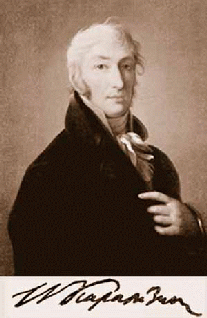
Сигизмунд и его послы, пользуясь расколом в Москве и предательством части бояр, вели торг о московской короне: Тушинский мятеж и Лжедмитриево шаткое владычество распались (самозванец бежал в Калугу и вскоре был убит), а Князь Михаил, собрав народное войско и на время спасший Отечество, внезапно умер. Победа Жолкевского при Клушине и последовавшие события привели к низложению Василия Шуйского, к приходу польских отрядов в Москву и к спорному избранию Владислава при одновременной политике Сигизмунда, стремившегося прежде всего к взятию Смоленска. В ответ на иностранное вмешательство и договоры началось всенародное вооружённое движение (Ермоген, Ляпунов, Пожарский и др.), горение и разграбление Москвы, дальнейшее разложение власти и вовлечение Швеции (взятие Новгорода Делагарди), что увело страну в новый этап смуты.
free
Фёдор Иваныч Лаврецкий возвращается в провинцию, сближается и влюбляется в Елизавету Калитину; вскоре открывается неверность его жены Варвары, он расстаётся с ней и обеспечивает ей жизнь в Лавриках.
Лиза отвергает Паншина, принимает решение о постриге и уходит в монастырь; Лаврецкий, разочарованный, остаётся заниматься имением и жить тихой, одинокой жизнью.
Прошло восемь лет: судьбы второстепенных персонажей сложились по‑разному (Паншин — на службе, Михалевич — воспитатель), Лиза в монастыре, Лаврецкий — в родовом доме, смирившийся и созерцающий.
Лиза отвергает Паншина, принимает решение о постриге и уходит в монастырь; Лаврецкий, разочарованный, остаётся заниматься имением и жить тихой, одинокой жизнью.
Прошло восемь лет: судьбы второстепенных персонажей сложились по‑разному (Паншин — на службе, Михалевич — воспитатель), Лиза в монастыре, Лаврецкий — в родовом доме, смирившийся и созерцающий.
free

Рассказчик, странствуя по Рейну, знакомится с молодым художником Гагиным и его необычной сводной сестрой Асей; между ним и Асей возникает тёплая, но шаткая близость на фоне её бурного нрава и смутного происхождения. Когда Ася признаётся в любви, герой колеблется и, упрекнув её за откровенность, не отвечает взаимностью; в результате Гагин уводит Асю, и рассказчик остаётся с горьким чувством утраченного счастья.
free
Николай Гоголь — «Ревизор» — сатирическая комедия о пороках провинциальной администрации.
По слуху о тайном ревизоре чиновники принимают за него пустого столичного прохожего Хлестакова, осыпают его почестями и взятками, а тот пользуется их доверием.
Разоблачение ложного ревизора и весть о приезде подлинного чиновника оборачивают всю компанию в немую конфузию.
По слуху о тайном ревизоре чиновники принимают за него пустого столичного прохожего Хлестакова, осыпают его почестями и взятками, а тот пользуется их доверием.
Разоблачение ложного ревизора и весть о приезде подлинного чиновника оборачивают всю компанию в немую конфузию.
free

Отрывок совмещает городские сплетни и анекдоты — рассказ почтмейстера о капитане Копейкине, домыслы чиновников (включая абсурдные версии о Наполеоне) и неумеренную болтовню Ноздрева, вследствие которой умирает прокурор. Дается подробная биография Чичикова: его карьерный путь от мелкого служащего к расчетливому приобретателю, прагматизм, стремление к богатству и нравственная неоднозначность. Заканчивается подготовкой к отъезду и замыслом переработать проблему через покупку «мертвых душ» как средство обогащения.
free
Отрывки из романа М. Ю. Лермонтова "Герой нашего времени": предисловие, первая часть (повесть "Бэла") и начало журнала Печорина — путешествия по Кавказу, бытовые и нравственные зарисовки.
Сюжетно — знакомство рассказчика с Максимом Максимычем и штабс‑капитаном, похищение и гибель Бэлы, затем дневниковые заметки Печорина (Тамань, княжна Мери), где проявляются его холодный эгоизм, любовные перипетии и дуэль с Грушницким.
Текст сочетает пейзажные и этнографические сцены с психологическим портретом героя и размышлениями о судьбе, скуке и моральной ответственности.
Сюжетно — знакомство рассказчика с Максимом Максимычем и штабс‑капитаном, похищение и гибель Бэлы, затем дневниковые заметки Печорина (Тамань, княжна Мери), где проявляются его холодный эгоизм, любовные перипетии и дуэль с Грушницким.
Текст сочетает пейзажные и этнографические сцены с психологическим портретом героя и размышлениями о судьбе, скуке и моральной ответственности.
free
М. Ю. Лермонтов — драма в стихах «Маскарад» (четыре действия) о пороках светского общества 1830-х.
Сюжет сводится к интриге на маскараде: князь Звездич получает от незнакомки браслет, Арбенин, заподозрив измену жены Нины, мстит — её отравляют; позднее выясняется невиновность Нины, Арбенин теряет рассудок.
Пьеса многократно редактировалась и долго преследовалась цензурой (1835–1846), впервые напечатана в 1842 г.; критика и цензурные инстанции спорили о её остром социальном характере.
Сюжет сводится к интриге на маскараде: князь Звездич получает от незнакомки браслет, Арбенин, заподозрив измену жены Нины, мстит — её отравляют; позднее выясняется невиновность Нины, Арбенин теряет рассудок.
Пьеса многократно редактировалась и долго преследовалась цензурой (1835–1846), впервые напечатана в 1842 г.; критика и цензурные инстанции спорили о её остром социальном характере.
free
Пьеса Н. В. Гоголя «Женитьба» сатирически изображает брачные торги: сваха Фекла и родственники приводят к Агафье Тихоновне череду комических женихов (Яичница, Жевакин, Анучкин, Подколесин и др.), демонстрируя общественное внимание к чину, приданому и наружности. Подколесин, долго колебавшийся и вконец подталкиваемый приятелем Кочкаревым, кажется готов к немедленному браку, тогда как сцена наполнена нервной суетой, интригами и фарсом. В кульминации, перед венчаньем, под давлением страха и смущения Подколесин в панике убегает — сатирическое разоблачение показной серьезности «взрослой» жизни.
free
Беспокойная молодая купчиха Катерина Измайлова заводит страстную связь с приказчиком Сергеем, вследствие чего вместе они убивают свекра и мужа, а затем из страха и корысти душат малолетнего наследника. Вычисленные, они преданы суду, пороты и сосланы на каторгу; в дороге отношения с Сергеем разрушаются, её унижают и предают. Совершив отчаянный поступок, Катерина бросается в Волгу вместе с Сонеткой и исчезает в волнах.
free
Поэма М. Ю. Лермонтова рассказывает, как купец Степан Калашников, отстаивая честь жены, убивает на кулачном бою опричника Кирибеевича при царе Иване Васильевиче и за это приговорён к казни, тогда как его семье дарована царская милость. Произведение стилизовано под народную песню, опирается на фольклорные мотивы и при публикации (1838–1840) столкнулось с цензурой; критика отмечала его политический заряд и художественное единение с народной традицией.
free
«Мцыри» М. Ю. Лермонтова — лирико-эпическая поэма в 26 главах, почти целиком монолог пленённого кавказского юноши, воспитанного в грузинском монастыре; герой бежит, переживает острое чувство ностальгии и единения с природой, сражается с барсом и умирает, не вернувшись на родину. Поэма датируется 1839 годом (опубликована в 1840), опирается на грузинский фольклор и ранние Лермонтовы тексты; критика отмечала в ней бунтарский пафос и образ свободолюбивого идеала.
free
Лермонтовская запись народной сказки рассказывает, как бедный ашик Кериб ради руки Магуль‑Мегери уходит в семилетнее странствование, переживает предательство Куршуд‑бека, становится богат у паши и чудесно возвращается с помощью Хадерилиаза, доказывая свою личность (восстановлением зрения матери) и женясь на возлюбленной.
Текст — запись устной версии (вероятно азербайджанского ашуга), датируется 1837 годом и впервые опубликован в 1846 г.; автограф содержит стилистические и языковые неустойчивости.
Лексика и имена сочетают тюркские, азербайджанские, персидские и арабские элементы, что подчёркивает фольклорную и этнолингвистическую ценность записи.
Текст — запись устной версии (вероятно азербайджанского ашуга), датируется 1837 годом и впервые опубликован в 1846 г.; автограф содержит стилистические и языковые неустойчивости.
Лексика и имена сочетают тюркские, азербайджанские, персидские и арабские элементы, что подчёркивает фольклорную и этнолингвистическую ценность записи.
free
Повествование начинается с роскошного описания малороссийского лета и прибытия на Сорочинскую ярмарку бедного мужика с прелестной дочерью Параской, чье первое на ярмарке появление и внимание к ней бойкого парубка в белой свитке привлекают толпу.
Ярмарочный шум и торги нарушает слух о «красной свитке» — проклятой одежде, вокруг которой разгораются суеверные рассказы, ночная паника и комические видения «свиной рожи», приводящие к бегству, побоям и подозрениям.
К утру суматоха утихает: ярмарка продолжается, недоразумения разрешаются в народном гаморе, и действие завершается народными гуляниями и помолвкой Параски.
Ярмарочный шум и торги нарушает слух о «красной свитке» — проклятой одежде, вокруг которой разгораются суеверные рассказы, ночная паника и комические видения «свиной рожи», приводящие к бегству, побоям и подозрениям.
К утру суматоха утихает: ярмарка продолжается, недоразумения разрешаются в народном гаморе, и действие завершается народными гуляниями и помолвкой Параски.
free
«Тарас Бульба» — эпическое повествование о старом казаке Тарасе Бульбе, вернувшемся к сыновьям и ведшем их на Запорожскую Сечь.
Остап и Андрий закаляются в войне: Первый умирает мучеником, второй влюбляется в польскую панночку, переходит на сторону врага и за это убит собственным отцом.
Тарас возглавляет козацкие походы мщения против поляков — суровая слава, братство и трагические жертвы составляют ядро повествования.
Остап и Андрий закаляются в войне: Первый умирает мучеником, второй влюбляется в польскую панночку, переходит на сторону врага и за это убит собственным отцом.
Тарас возглавляет козацкие походы мщения против поляков — суровая слава, братство и трагические жертвы составляют ядро повествования.
free
Цикл очерков и рассказов о провинциальной России: бытовые сцены из жизни деревни и кабака, певческие состязания, разнообразные типажи (целовальник Николай Иваныч, Яшка‑Турок, Дикий‑Барин, Пётр Петрович Каратаев, Чертопханов и др.) и мелкие и большие трагедии — смерть, разорение, потеря любви и коня.
Автор соединяет подробную этнографическую наблюдательность и фольклорные мотивы с иронией и подлинным сочувствием, рисуя пейзажи, суеверия и нравы околичной жизни.
Автор соединяет подробную этнографическую наблюдательность и фольклорные мотивы с иронией и подлинным сочувствием, рисуя пейзажи, суеверия и нравы околичной жизни.
free
Повесть в старинной рукописи: в XVI‑вековой Ферраре двое друзей, Фабий и Муций, влюбляются в одну женщину — Валерию; она выходит замуж за Фабия, а Муций уезжает на Восток и возвращается с экзотическими дарами.
Его музыка, странные ритуалы и немой малаец вызывают у Валерии сны, лунатизм и мистические явления; в кульминации Фабий ранит Муция, после чего тот таинственно уезжает.
История остаётся двусмысленной: магия или психологическое воздействие, но семейная жизнь восстанавливается, с загадочным намёком на зарождение новой жизни у Валерии.
Его музыка, странные ритуалы и немой малаец вызывают у Валерии сны, лунатизм и мистические явления; в кульминации Фабий ранит Муция, после чего тот таинственно уезжает.
История остаётся двусмысленной: магия или психологическое воздействие, но семейная жизнь восстанавливается, с загадочным намёком на зарождение новой жизни у Валерии.
free
Повесть рассказывает о провинциальном обществе 1829 года и столкновении трёх характеров: бретёра Авдея Лучкова, доброго и идеалистичного корнета Фёдора Кистера и молодой Маши Перекатовой. Кистер, жертвуя собственными чувствами, пытается сблизить Машу и Лучкова, но тот цинично оскорбляет девушку, а затем в припадке самолюбивой злобы вызывает Кистера на дуэль. На поединке Лучков убивает Кистера; повесть кончается мрачным итогом — Маша остаётся жива, но утрата страшна.
free

Дмитрий Павлович Санин, на отдыхе во Франкфурте, спас от обморока юного Эмилио и влюбился в его сестру Джемму; их взаимное чувство созрело быстро, но сопровождалось дуэлью и семейными осложнениями. Затем Санин поддался соблазну богатой и волевой Марии Николаевне Полозовой, оставил Джемму, пережил с нею страстную, унизительную связь и долгие раскаяния. Спустя годы, ищя искупления, он находит в Нью-Йорке Джемму замужней и материной и решает сам отправиться в Америку.
free

Воспоминание Владимира Петровича о первой любви: в шестнадцать лет он влюбляется в соседскую Зинаиду Александровну, чей капризный флирт и власть над поклонниками доводят юношу до ревности и страданий. В центре повествования — игры, интимные сцены и ночные дозоры, а также открытие тайных отношений Зинаиды с его отцом, что приводит к семейному скандалу, переезду и смерти отца. Рассказ — тонкий психологический очерк юношеской страсти, её нравственных последствий и утраты иллюзий.
free

В московском дачном обществе 1853 года разворачивается любовно‑социальный треугольник: тихий студент‑идеалист Андрей Берсенев, ветреный художник Павел Шубин и горячий болгарский патриот Дмитрий Инсаров вокруг хрупкой Елены Стаховой. Елена тайно выходит за Инсарова; тот умирает в Венеции, Елена уезжает с его телом и затем бесследно исчезает. Повесть о столкновении личного чувства и народного долга, о жертве, роке и утрате.
free
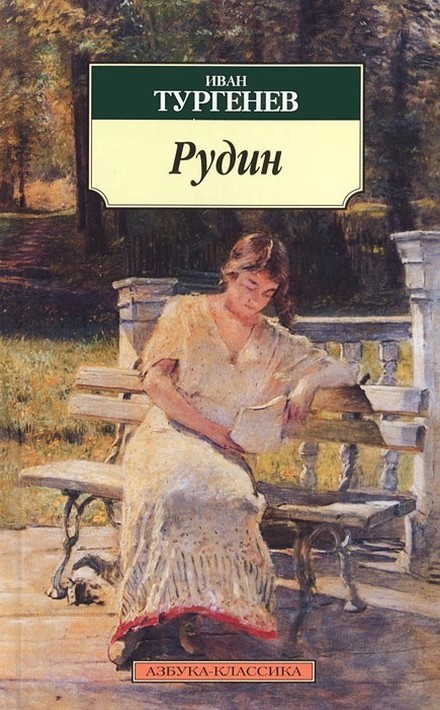
В провинциальный салон Дарьи Михайловны входит умный, красноречивый, но противоречивый Дмитрий Рудин, чьё слово мгновенно производит впечатление и вызывает споры.
Он увлекает и Наталью, и местное общество, но неспособность претворять слова в постоянные действия и страх ответственности разрушают его отношения и ведут к отъезду.
Эпилог завершает судьбу героя — годы скитаний и общественной деятельности и гибель Рудина в революционных событиях 1848 года.
Он увлекает и Наталью, и местное общество, но неспособность претворять слова в постоянные действия и страх ответственности разрушают его отношения и ведут к отъезду.
Эпилог завершает судьбу героя — годы скитаний и общественной деятельности и гибель Рудина в революционных событиях 1848 года.
free
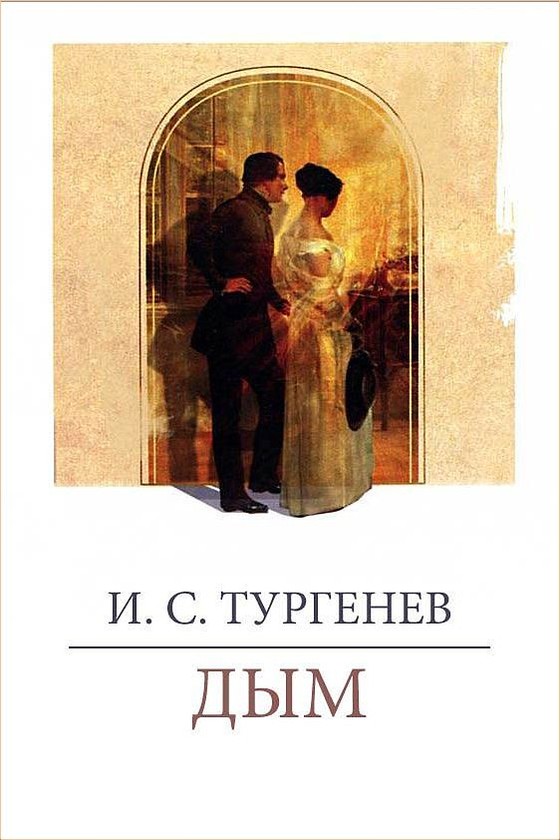
Собрание коротких реплик и вставок на иностранных языках (преимущественно французских, есть немецкие и одна латинская) с пометками сносок [43]–[142]. В сноске [138] приведён исторический факт: в 1866 г. в Гейдельберге училось 13 русских студентов в летнем семестре и 12 — в зимнем.
free
Ahab rejects instruments and reason, binds ship and crew to a monomaniacal pursuit of Moby Dick amid storms, compass failures, and portentous signs.
A prolonged three-day chase ensues in which the whale maims boats, kills or consigns several hunters (Fedallah, the Parsee among them) and shatters Ahab’s prosthetic limb.
The Pequod is ultimately destroyed and Ahab dies; Ishmael alone survives, afloat on Queequeg’s coffin, and is rescued by the Rachel.
A prolonged three-day chase ensues in which the whale maims boats, kills or consigns several hunters (Fedallah, the Parsee among them) and shatters Ahab’s prosthetic limb.
The Pequod is ultimately destroyed and Ahab dies; Ishmael alone survives, afloat on Queequeg’s coffin, and is rescued by the Rachel.
В рассказе «Судный день» Короленко описывает зловещую атмосферу в селе, где мельник сталкивается с мистическим чёртом, который уносит еврея. Мельник, оказавшись в плену разговоров о долгах и процентах, переживает внутренний конфликт между человеческими чувствами и яростью на нечистую силу. В конечном итоге, мельник спасает себя и обретает новое понимание жизни.
free
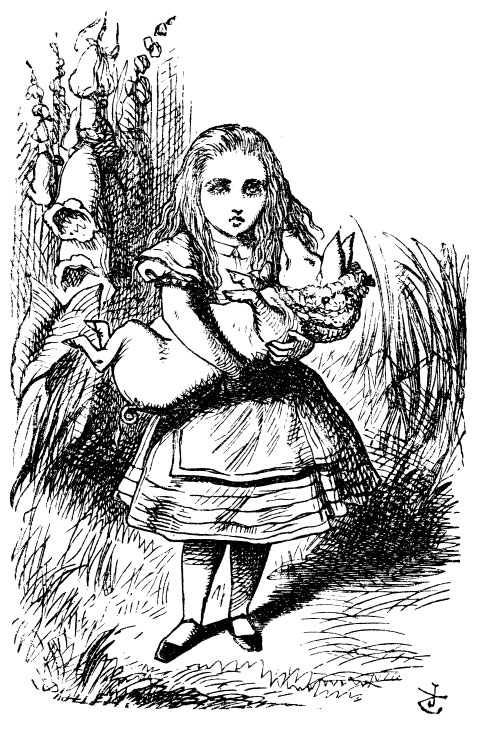
Alice grows increasingly bored while sitting with her sister when she spots a peculiar White Rabbit, leading her to follow it down a rabbit hole into a fantastical world filled with curious creatures and nonsensical events. As she navigates through absurd challenges, including bizarre trials and conversations with talking animals, Alice grapples with her changing size and the chaotic rules of Wonderland, ultimately standing up to the arbitrary authority of the Queen of Hearts.
free
Юлий Цезарь прошел путь от молодого сенатора, пережил плен у пиратов и участие в гражданской войне, установил единоличную власть и реформы, сопровождавшиеся милитаризмом и интригами, что вызвало как возвеличивание, так и ненависть. Императоры, такие как Гальба и Домициан, славились жестокостью, масштабными строительствами и репрессиями, что привело к падению династий. Текст содержит мифологические, археологические и культурные отсылки, отражающие богатство античных традиций.
free
The play "Hamlet" revolves around Prince Hamlet of Denmark, who grapples with the murder of his father by his uncle Claudius, now king, while dealing with his own sorrow and madness. As Hamlet seeks to uncover the truth and exact revenge, he faces a web of intrigue, betrayal, and tragedy, culminating in a deadly confrontation that claims multiple lives, including his own. The themes of existential doubt, morality, and the human experience are explored against the backdrop of political turmoil and personal loss.
free
Текст описывает дневную и ночную жизнь в военном учебном заведении, его традиции, дисциплину и культуру, а также внутренние переживания и мечты юнкеров, особенно Александрова, о любви, литературе и будущей карьере. В центре повествования — взросление, самоанализ и романтические чувства героя, борющегося с внутренними сомнениями и внешней строгостью. Впрочем, несмотря на строгие испытания, в финале подчеркивается влияние дружбы, традиций и личностного роста, а также возможность внутренней свободы и духовного преображения.
free
В первой главе описывается жизнь Ибрагима, крестника Петра Великого, который, отучившись в Париже, попадает в круг французской аристократии и влюбляется в графиню D. Их отношения становятся объектом общественного обсуждения, а его желание остаться в Париже сталкивается с долгом перед Россией. Во втором моменте повествования Ибрагим получает предложение о свадьбе с Натальей Ржевской, что приводит к конфликту между его чувствами и обязанностями, а в дальнейшем к неожиданной болезни Наташи, которая его пугает.
free
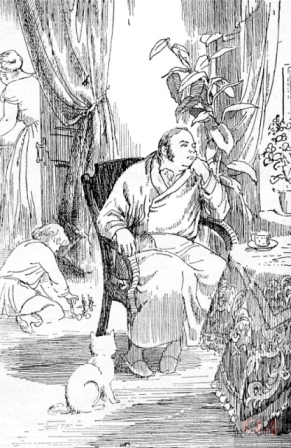
Обломов — ленивый дворянин, предпочитающий покой и уединение яростному рвению к деятельности, и его внутренний мир.Authentic внутренний конфликт раскрывается через описание его быта, взаимоотношений с слугами и мечт о свободе, любви и благополучии. Его жизнь иллюстрирует трагедию пассивности, потерянной возможности и столкновения мечты с реальностью, что подчеркивает главную тему романа о судьбе человека и его отсутствии активности.
free
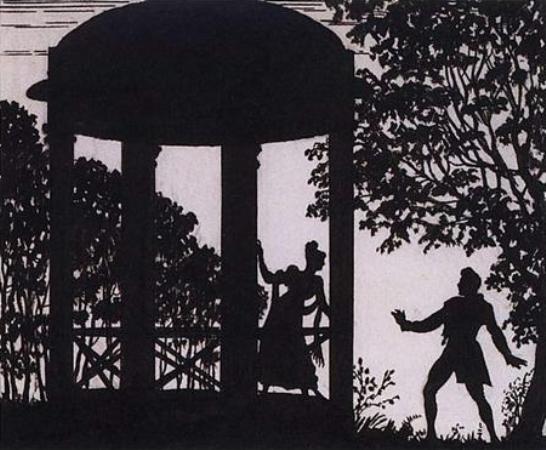
Повесть повествует о судьбе русского разбойника Владимира Дубровского и его конфронтации с поручиком Троекуровым, который пытается незаконно отобрать у него имущество. В процессе событий раскрываются семейные тайны, искусные мошенничества, пожар и столкновения с разбойниками, а также личные романтические связи и интриги. История наполнена драматизмом, предательствами и борьбой за справедливость, противопоставленной жажде власти и богатства.
free
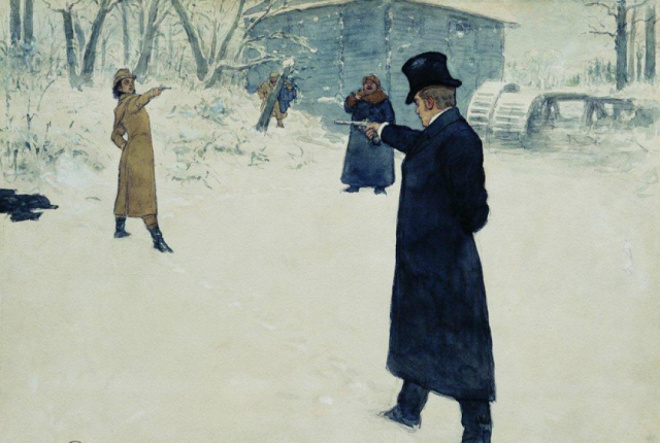
Трагическая смерть офицера Ромашова в результате дуэли символизирует кризис военной дисциплины и моральной деградации в офицерском корпусе, усугубляемой грубой служебной обстановкой. Текст изображает распущенность, жестокость и пустоту армейской жизни, ностальгию по духовным ценностям и внутренний кризис главных героев. Внутренний разлом и безысходность офицеров раскрываются через их фантазии, социальные конфликты и драматические судьбы, свидетельствующие о глубоких духовных и моральных проблемах общества.
free
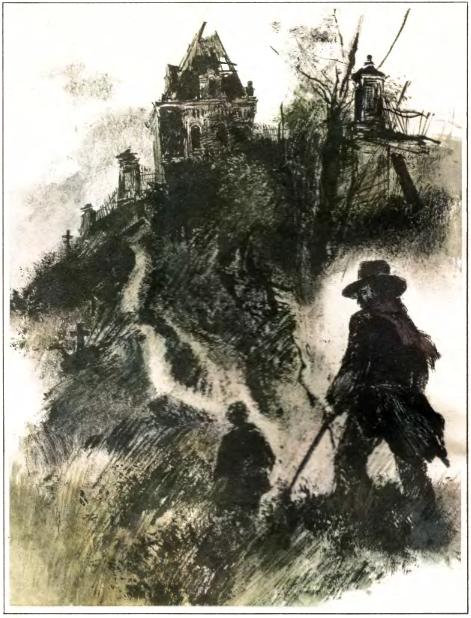
Рассказ изображает тяжелую жизнь и внутренние переживания мальчика, потерявшего мать и испытывающего отчуждение от отца, в окружении мрачных городских обитателей и антиутопического общества. В нем раскрываются темы сиротства, социальной несправедливости и влияния старого времени на поколение, подвергшееся духовному и физическому разрушению. Через символизм разрушенных зданий и загадочных персонажей просматривается борьба с моральными и социальными пороками, а также зарождение личной чувствительности в детском сознании.
free
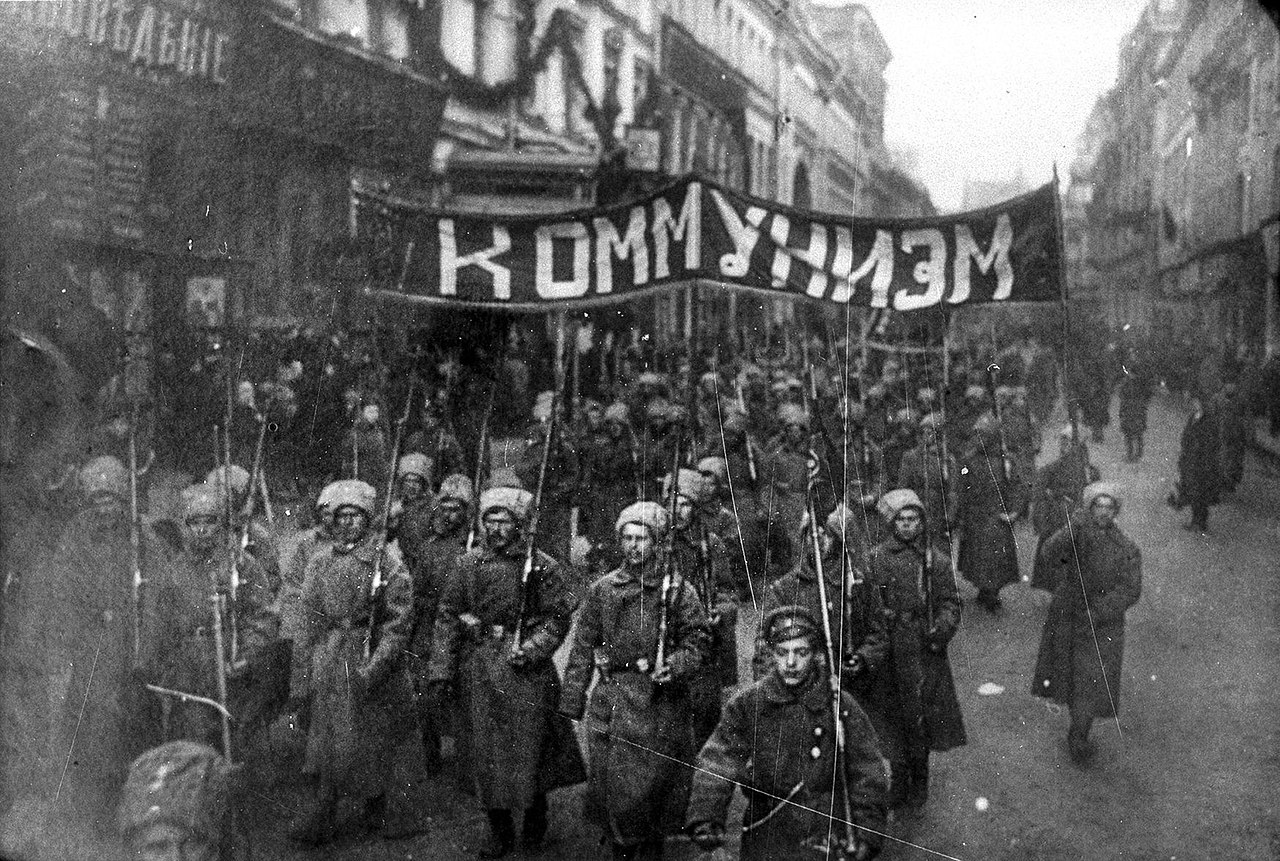
Текст представляет собой богатое, детальное дневниковое описание московских и одесских событий 1918–1919 годов, передающего атмосферу смутных революционных и гражданских потрясений, наполненное личными переживаниями и сокровенными мыслями автора. В нем отражаются хаос, насилие, ложь, разложение общества, политические интриги, различные слухи и настроения, связанные с гражданской войной, интервенцией и новой властью. Произведение является критической хроникой русской революции, передающей духовное и культурное разрушение эпохи, и одновременно внутренним монологом, наполненным разочарованием, горечью и безнадежностью.
free
Summary:
В основе текста лежит последовательно изложенная художественная идея о внутренней жизни человека, о его духовных и нравственных борьбах, а также о сложных отношениях между героями, раскрывающихся через внутренние монологи, письма и диалоги.
Автор неоднократно использует сложные психологические и философские рассуждения, подкрепленные богатым символизмом и аллюзиями, чтобы показать внутренние переживания героев и их духовное развитие в контексте социальных и личных испытаний.
Текст насыщен глубокими философскими размышлениями и подробным описанием внутреннего мира персонажей, создавая многоуровневое повествование о человеческом достоинстве, любви, свободе и нравственности.
В основе текста лежит последовательно изложенная художественная идея о внутренней жизни человека, о его духовных и нравственных борьбах, а также о сложных отношениях между героями, раскрывающихся через внутренние монологи, письма и диалоги.
Автор неоднократно использует сложные психологические и философские рассуждения, подкрепленные богатым символизмом и аллюзиями, чтобы показать внутренние переживания героев и их духовное развитие в контексте социальных и личных испытаний.
Текст насыщен глубокими философскими размышлениями и подробным описанием внутреннего мира персонажей, создавая многоуровневое повествование о человеческом достоинстве, любви, свободе и нравственности.
free
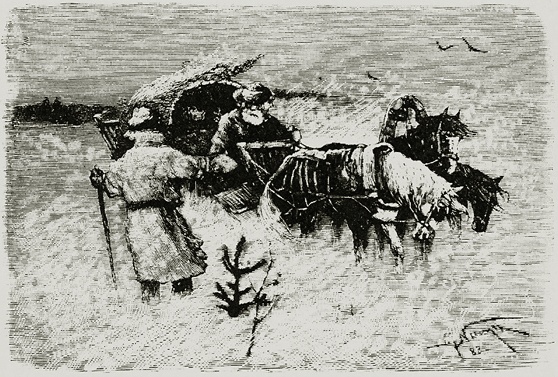
Это автобиографический очерк русского офицера XVIII века, пережившего публичный разнос, опасности и войны, связанные с пугачевским бунтом. В нем описаны его воспоминания о службе, личные трагедии, контакты с самозванцем Пугачевым и внутренние переживания в условиях смутного времени. Произведение сочетает духовные размышления с историческими событиями, раскрывая моральные дилеммы и нравственные ценности того периода.
free
Автор описывает свою изоляцию в деревне Полесья, сталкиваясь с местными обрядами, суевериями и отношениями с местными жителями, включая таинственную девушку Олесю, обладающую колдовскими знаниями. В ходе наблюдений и личных контактов раскрывается атмосфера сельской обстановки, народных верований и магических практик, а также внутренние переживания рассказчика, вызванные любовью, тревогой и предчувствиями беды. В конце повествования он сталкивается с предзнаменованием опасности, которая реализуется в грозной природной и социальной стихии, угрожающей его жизни и судьбе Олеси.
free
Повесть ярко изображает жизнь русских публичных домов, характеризующуюся моральной деградацией и бесчеловечностью, отражая неотвратимый разорительный чат России на фоне социальных потрясений начала XX века. Автор использует ошеломительный поток эпизодов, сцен и диалогов, проливающих свет на внутреннюю жизнь обитателей и владельцев таких заведений, а также на их клиентов и судьбы, кропко и без прикрас раскрывая их пороки, страсти и духовное разложение. Текст служит суровым критиком общественных пороков, показывая, что под маской позорных развлечений кроется трагедия униженных, покорных и разрушенных человеческих судеб, символизируя неотъемлемость корысти, насилия и морального разложения в обществе.
free
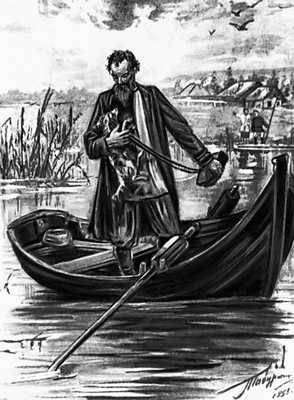
Герасим, глухонемой дворник, живет у барыньки в Москве и страдает от одиночества, пока не влюбляется в собаку Муму. После того как барыня решает избавиться от животного, Герасим принимает решение утопить Муму, а затем бежит обратно в свою родную деревню, оставив жизнь в городе позади. Вернувшись к привычной деревенской жизни, Герасим продолжает работать как прежде, но навсегда теряет связь с женщинами и собаками.
free
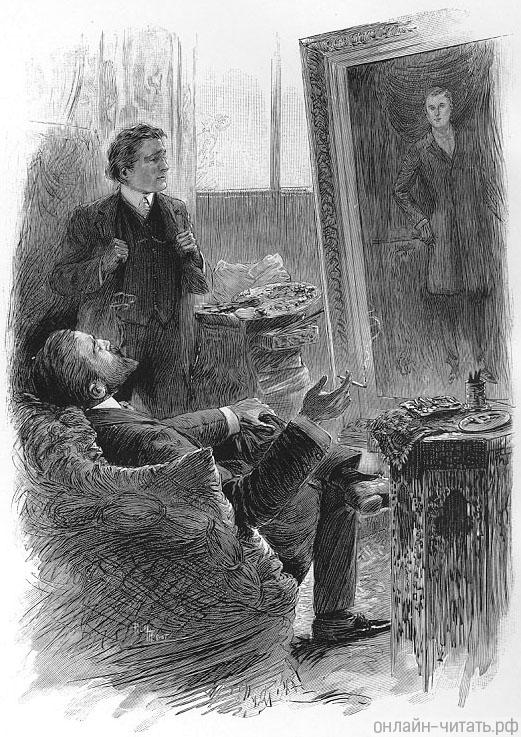
Oscar Wilde's "The Picture of Dorian Gray" tells the story of a young man, Dorian Gray, whose wish for eternal youth leads to a hedonistic life filled with moral degradation. Influenced by Lord Henry Wotton, Dorian eventually murders his friend Basil Hallward, whose portrait reflects the corruption of Dorian's soul, while Dorian remains outwardly beautiful. Ultimately, the novel explores themes of beauty, morality, and the consequences of living a life without accountability.
free
Frank A. Cowperwood, a calculating street-railway magnate, engineers bold financial maneuvers (notably around American Match) and seeks to consolidate transit franchises while skirmishing with rival bankers.
Parallelly he pursues a complicated private life—patronage of Berenice Fleming, estrangement from his wife Aileen—and leverages wealth, art, and political influence to press a fifty‑year franchise and a public‑service commission.
Intense newspaper agitation, mass civic opposition and aldermanic resistance culminate in the defeat of his municipal ordinance, a decisive public setback that reshapes his ambitions.
Parallelly he pursues a complicated private life—patronage of Berenice Fleming, estrangement from his wife Aileen—and leverages wealth, art, and political influence to press a fifty‑year franchise and a public‑service commission.
Intense newspaper agitation, mass civic opposition and aldermanic resistance culminate in the defeat of his municipal ordinance, a decisive public setback that reshapes his ambitions.
free
The author reflects on the challenges of documenting the history of a town due to a lack of reliable material, ultimately discovering archives that detail the lives of the town's mayors and their effect on civic life. The text explores the impact of various leaders on the town Gлупов, emphasizing the diverse administrative styles and the townspeople's responses to authority, culminating in the rise of a new administrator whose ineffective governance leads to chaos and discontent among the citizenry.
free
In "The Mystery of Edwin Drood," various characters in Cloisterham grapple with themes of love, loyalty, and the consequences of their choices. John Jasper, haunted by his nephew's disappearance, becomes increasingly dark and obsessed, while Rosa Bud and Neville Landless navigate their own feelings of entrapment and longing, ultimately deciding to part ways as engaged friends rather than spouses. The narrative weaves through complex relationships, misunderstandings, and the interplay of fate, leading to tension and unresolved mysteries.
free
"Шинель" — это повесть о чиновнике Акакие Акакиевиче Башмачкине, который живет обыденной и незаметной жизнью, переживая унижения со стороны коллег. Его жизнь меняется, когда он решает приобрести новую шинель, но после её потери он страдает от нищеты и непонимания, что приводит к его скоропостижной смерти. В финале повести появляется его призрак, который мстит, срывая у людей шинели, став символом забытых и угнетенных.
free
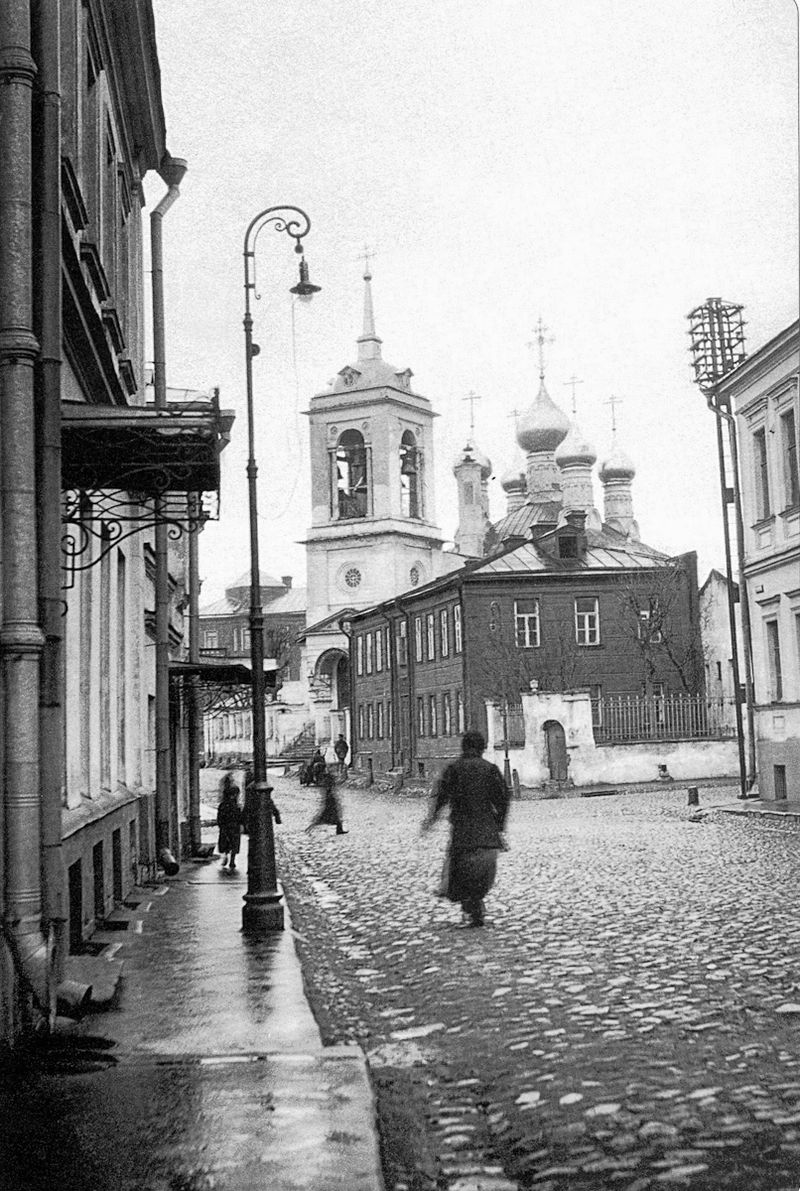
Это своеобразное описание московской культуры и быта XIX–XX веков, включая общественные заведения, торговлю, преступность, и клубную жизнь, окрашенную богатой лексикой и историческими деталями. Автор ведет читателя через различные районы города, раскрывая их особенности, традиционные праздники, легенды и социальные слои, сохранившиеся до революции. В рассказе активно освещаются эпоха, быт и юмористические стороны московской жизни, а также ее исторические образы и легенды.
free

Гарвей оказывается вовлеченным в сложные интриги, связанные с кораблем "Бегущая по волнам" и его владельцами, Гезом и Биче Сениэль. В результате конфликта на корабле Гез убивает себя, а Гарвей становится свидетелем этого события, что приводит к аресту и дальнейшим расследованиям. На фоне карнавальной атмосферы Гель-Гью раскрываются личные проблемы персонажей и их связи, которые приводят Гарвея к неоднозначным встречам и размышлениям о любви и судьбе.
free
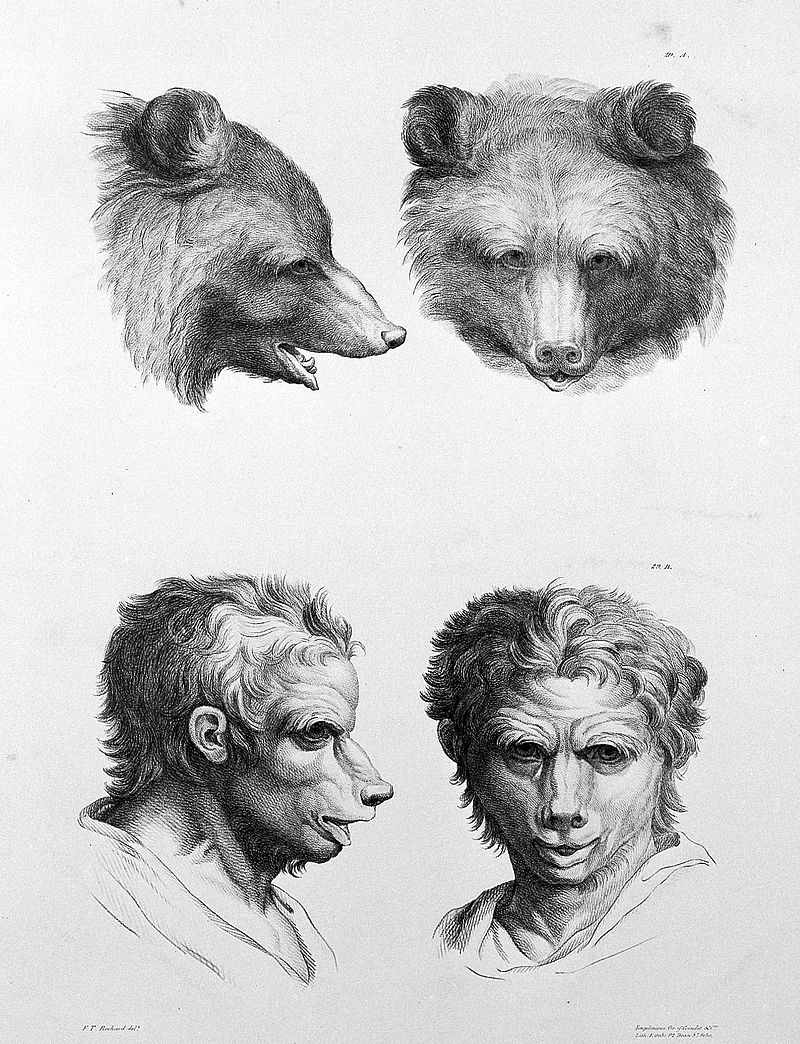
Профессор Виттенбах описывает свои исследования самогитского языка и взаимодействие с графом Михаилом Шеметом, включая его страсть к панне Ивинской, что приводит к печальным событиям на свадьбе. У графа замечаются признаки психического расстройства, что вызывает опасения. Финал повести шокирует, когда на свадьбе происходит трагедия после неадекватного поведения графини, что оставляет множество вопросов о природе семьи Шеметов.
free
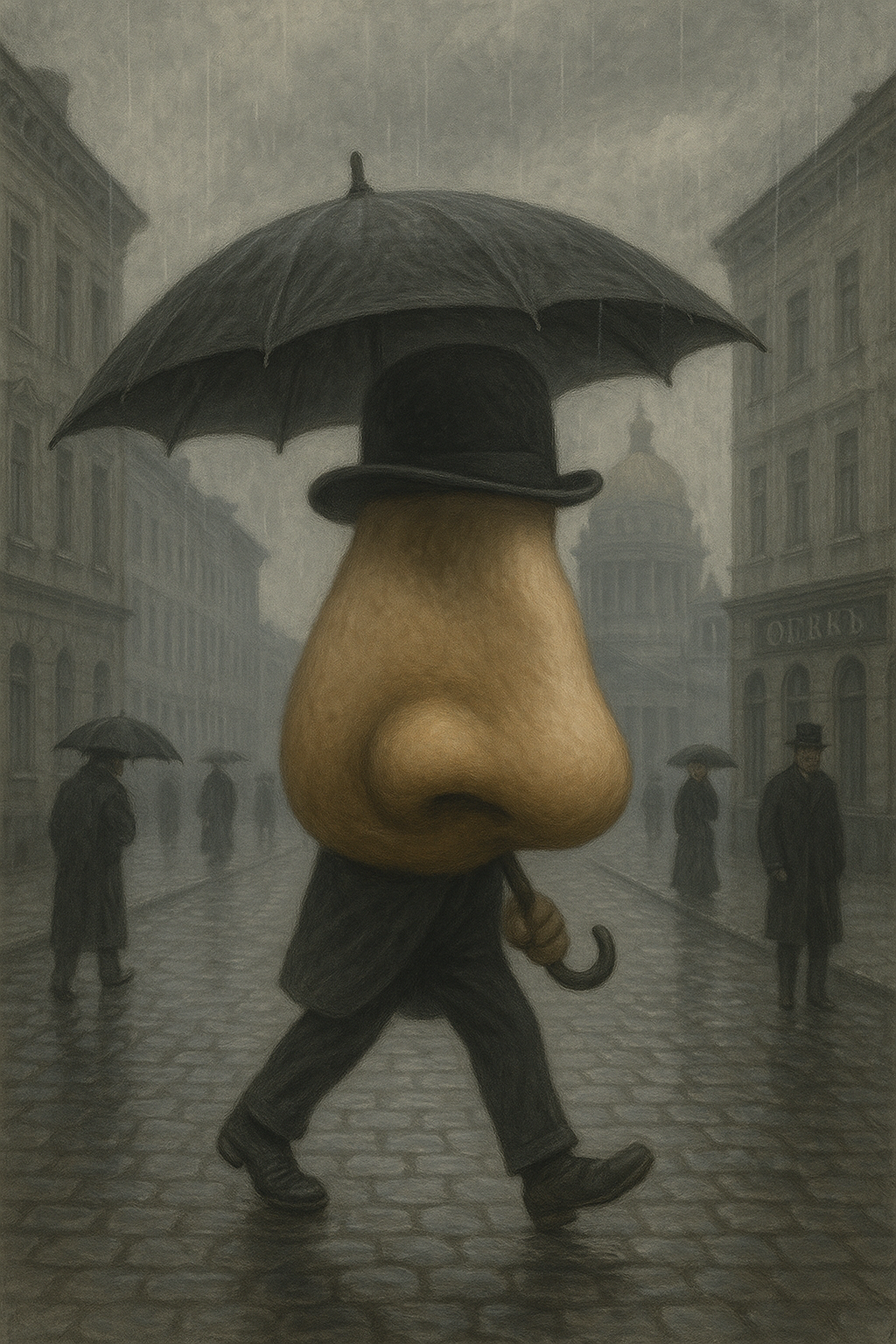
В Петербурге парикмахер Иван Яковлевич обнаруживает отрезанный нос коллежского асессора Ковалева в хлебе и сталкивается с паникой, пытаясь избавиться от него. Ковалев просыпается без носа, в ужасе ищет его и разумеет, что тот живет своей жизнью, даже заявляет о себе как о статском советнике. В итоге нос возвращается к Ковалеву, но не прикрепляется на место, оставляя его в смятении.
free

В тексте описывается захватывающая история о главном герое по имени Санди, который сталкивается с таинственными событиями в окружении моря, любви и предательства. Он оказывается вовлеченным в сложные отношения между персонажами, а также в интригу, связанную с Ганувером, Молли Варрен и другими участниками, которые ведут свои игры в мире владения богатством и властью. В конечном итоге, повествование обнажает запутанные человеческие эмоции и глубокие связи между персонажами на фоне таинственной обстановки.
free
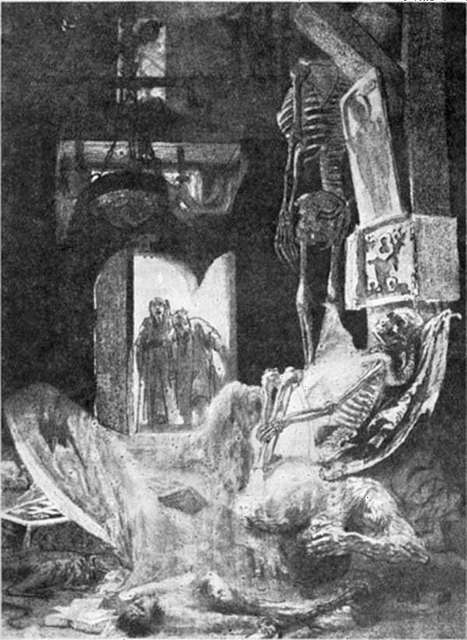
Произведение "Вий" рассказывает о страшных событиях в жизни философа Хомы Брута, который становится жертвой ведьмы, вызывающей ужасные проявления нечистой силы. После того как Хома уклоняется от исполнения своих обязательств по чтению молитв над телом ведьмы, он сталкивается с ужасной реальностью, приводящей к его падению. Финал истории подчеркивает тему страха и последствий побега от обязательств, оканчивая трагично-страшным образом ведьмы и гномов, заполнивших церковь.
free
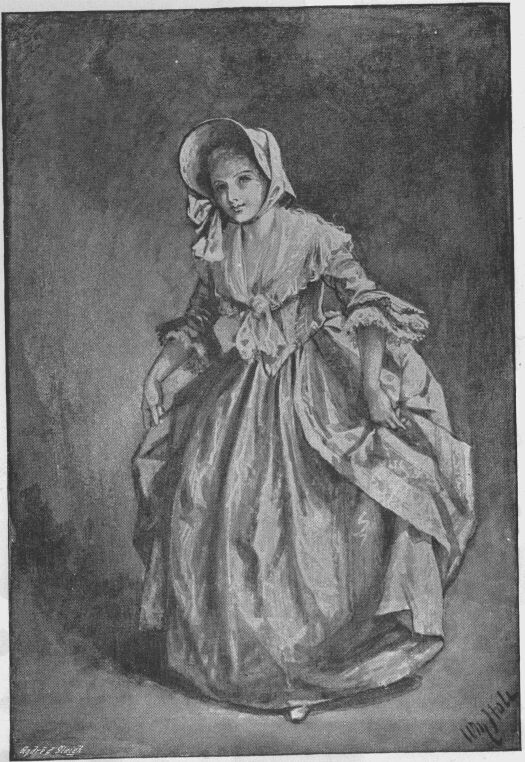
A vivid autobiographical narrative recounts the protagonist’s perilous political and personal adventures across Scotland, France, and Holland, highlighting themes of love, loyalty, and innocence amid turbulent times. The story intricately blends episodes of danger, court intrigue, and romantic longing to depict the hero’s moral struggles and resilience. Through detailed character interactions and reflections, it explores the collision of personal virtue with political conspiracy in a richly textured historical setting.
free
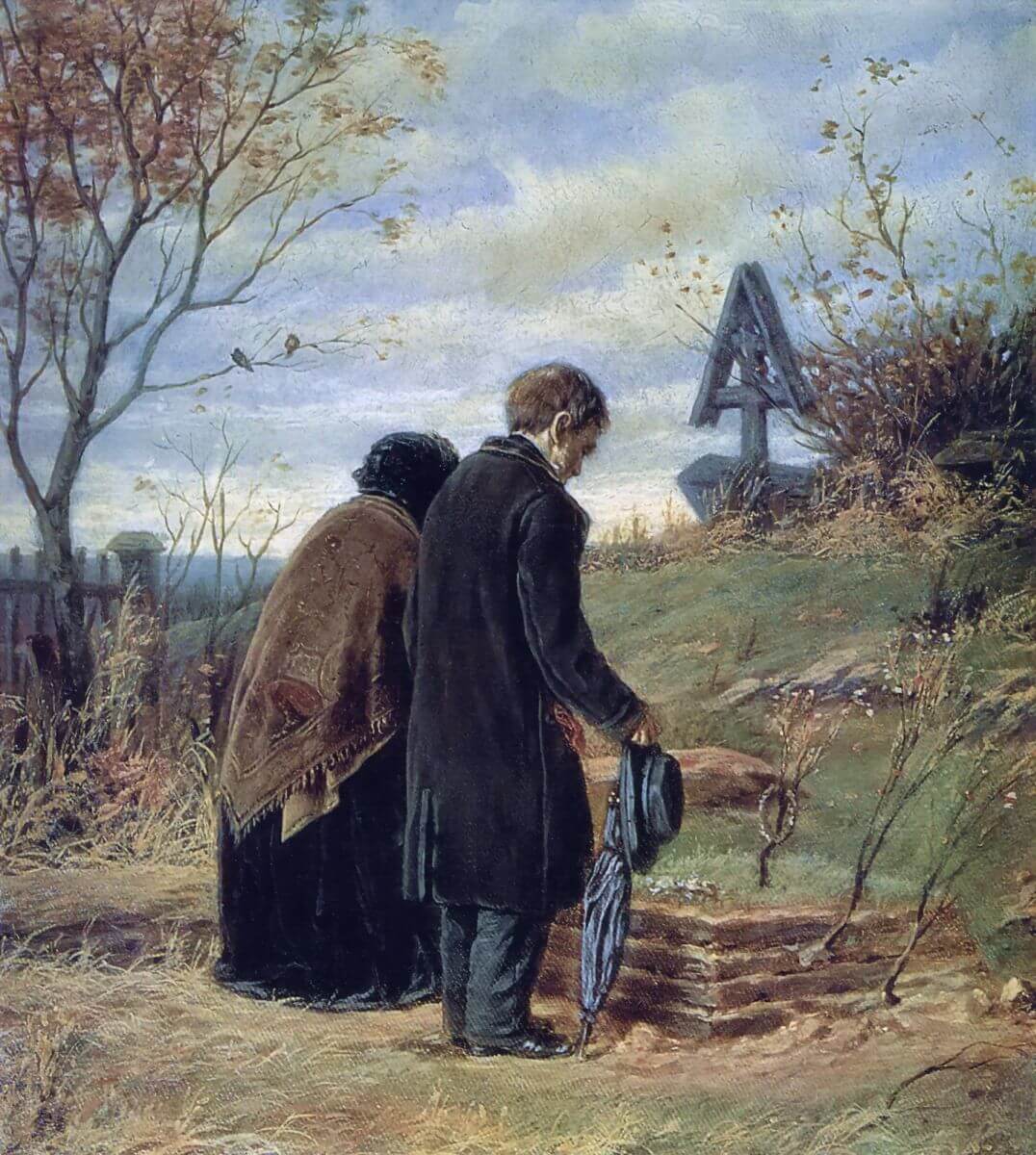
Базаров, вернувшись в родное имение, сталкивается с трудностями на фоне личной и социальной трансформации, освободительного движения и неутолимого духа. Его отношения с друзьями, семьей и окружающей реальностью становятся сложными и противоречивыми, в то время как проявляется влияние любви и самопознания. Через призму этих нелепых и трагических событий автор исследует глубинные аспекты человеческого существования и вызовы, стоящие перед поколениями в бурное время перемен.
free
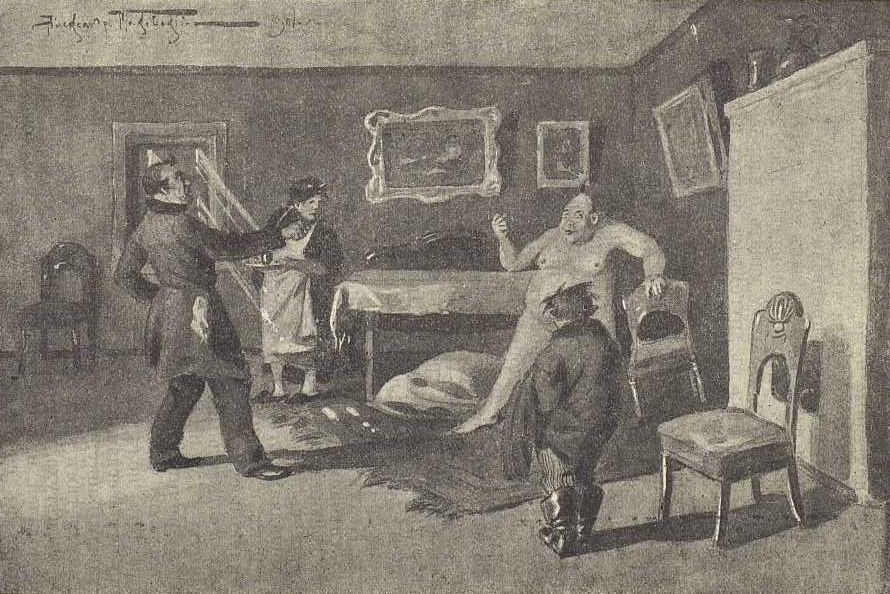
Иван Иванович и Иван Никифорович, соседи и друзья в Миргороде, поссорились из-за незначительной обиды, что привело к взаимным уколам и ненависти, спровоцировав судебные разбирательства и насмешки окружающих. Несмотря на попытки примирения, их вражда только усилилась, что отошло в забытье на фоне комичных происшествий, связанных со свиньей, кражей и легким безумием. История завершается тем, что оба, забыв о дружбе, продолжают жить в конфликте, отражая абсурдность человеческих отношений.
free
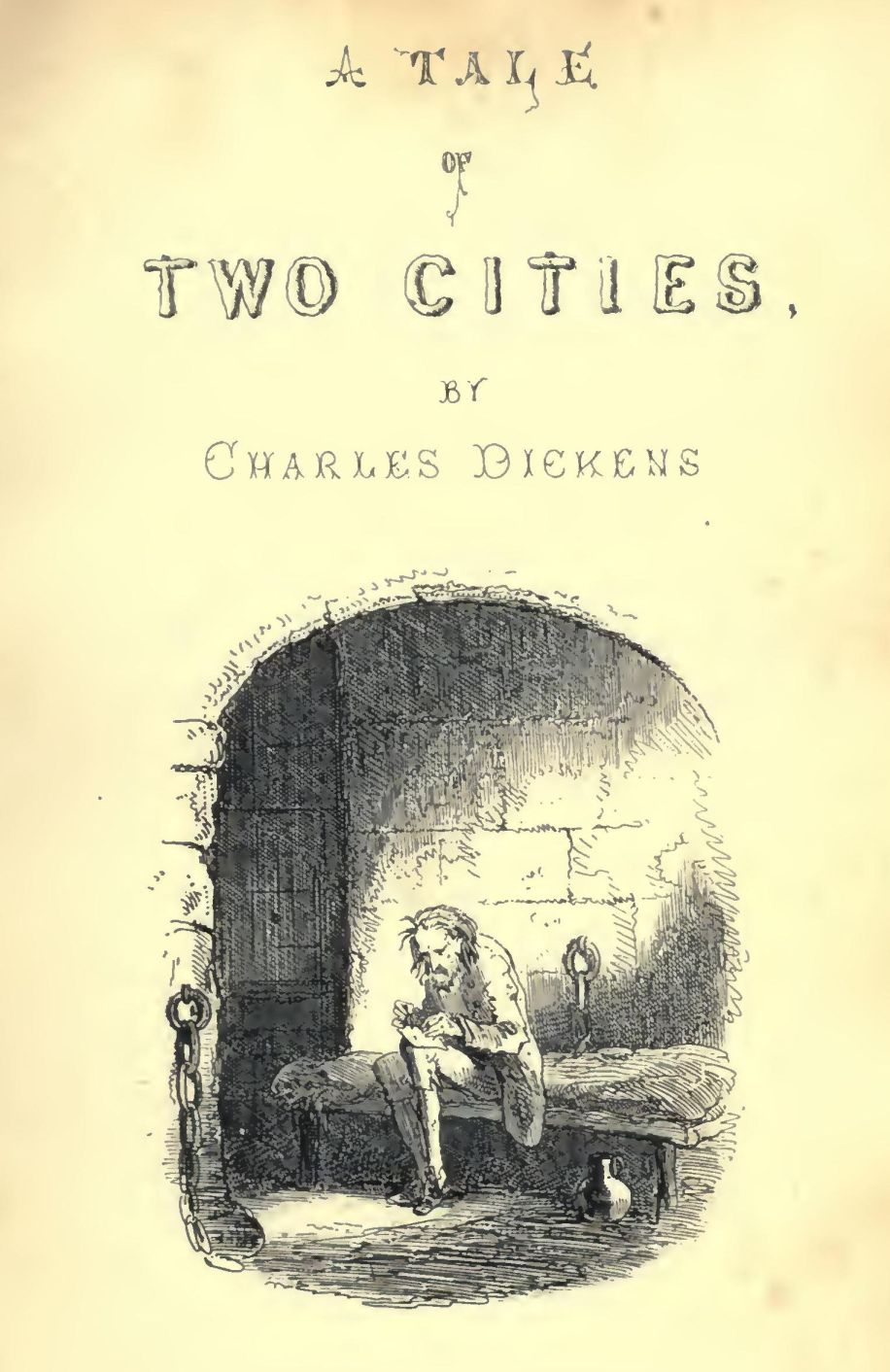
This intricate narrative recounts the tumultuous events of the French Revolution, focusing on characters such as Dr. Manette, Charles Darnay, and Sydney Carton, amid chaos, imprisonment, and revolutionary violence. It explores themes of sacrifice, resurrection, and the enduring power of love and loyalty through vivid scenes of trial, martyrdom, and secret plotting. Ultimately, it illustrates how personal salvation and moral heroism unfold within the destructive sweep of history’s upheavals.
free
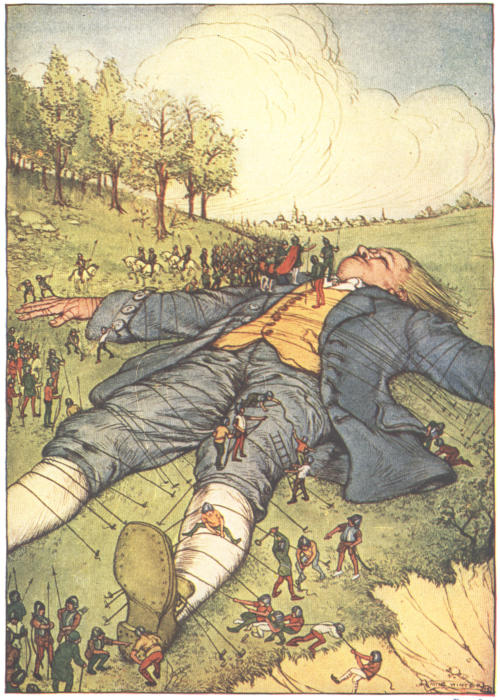
The text is an extensive satirical narrative of Gulliver's travels, depicting his encounters with various fictional nations and creatures, highlighting the foolishness and corruption of human institutions and behaviors through exaggerated allegories. It emphasizes the importance of truthfulness in travel writing, criticizes political, legal, and social corruption, and advocates for virtue and rationality exemplified by the Houyhnhnms. The work combines detailed fictional adventures with philosophical reflections, aiming to instruct and morally improve the reader by contrasting human vice with the virtues of the Houyhnhnms.
free
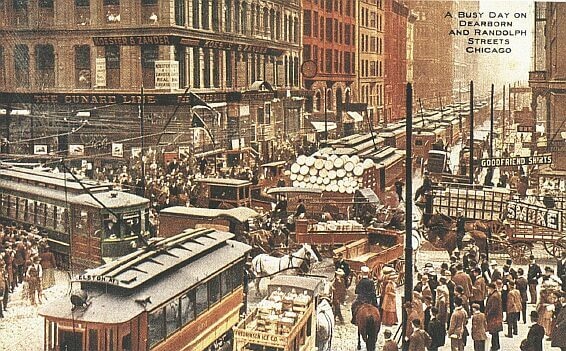
The text narrates the rise and fall of Frank Algernon Cowperwood, a keen and ambitious financier involved in corrupt city politics and stock manipulations, leading to his arrest, conviction, and imprisonment. It highlights his ruthless pursuit of wealth, the integrity of societal institutions, the corrupt intertwining of politics and finance, and his eventual remorseful reflection during imprisonment. Ultimately, Cowperwood’s story exemplifies the destructive consequences of greed, deception, and the moral compromises inherent in pursuit of material success.
free
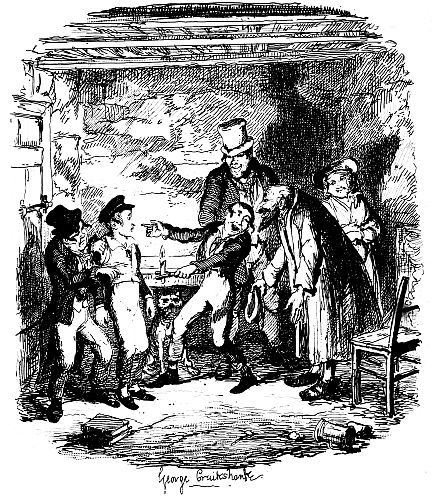
The concluding chapters depict Oliver's restored happiness through his marriage and reunion with loved ones, after unveiling a web of dark family secrets and criminal schemes involving Monks, Fagin, and Sikes. The narrative emphasizes themes of virtue, retribution, and redemption, illustrating that justice ultimately prevails and that sincere gratitude and love refine human character. Despite tragic losses and wickedness, the story ends with hope, moral triumph, and the peaceful memory of those departed.
free
A young woman's pursuit of success in Chicago and New York leads her through cycles of hope, disillusionment, and hardship, driven by her longing for beauty and recognition. Her associations with men of different moralities and social standings gradually transform her perception of happiness, culminating in a rise to fame and a tragic downfall. The narrative explores the fleeting nature of material success and the enduring power of longing and human aspiration amidst adversity.
free
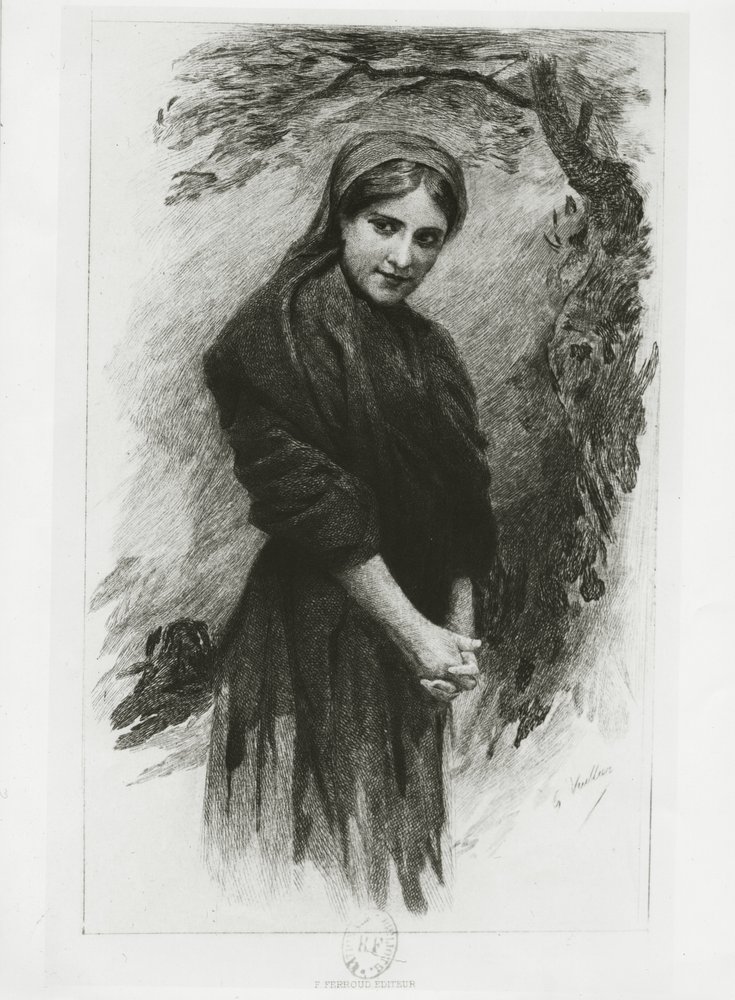
В рассказе описывается начало конфликта между двумя семьями на Корсике, делла Реббиа и Барричини, обострившееся после убийства полковника делла Реббиа, что приводит к мести и напряженности среди молодежи. Главный герой, Орсо, пытается найти справедливость, сталкиваясь с предрассудками своего народа и собственной моральной дилеммой. В то же время, его возлюбленная, мисс Невиль, становится символом надежды и внешнего мира, который Орсо желает сохранить.
free
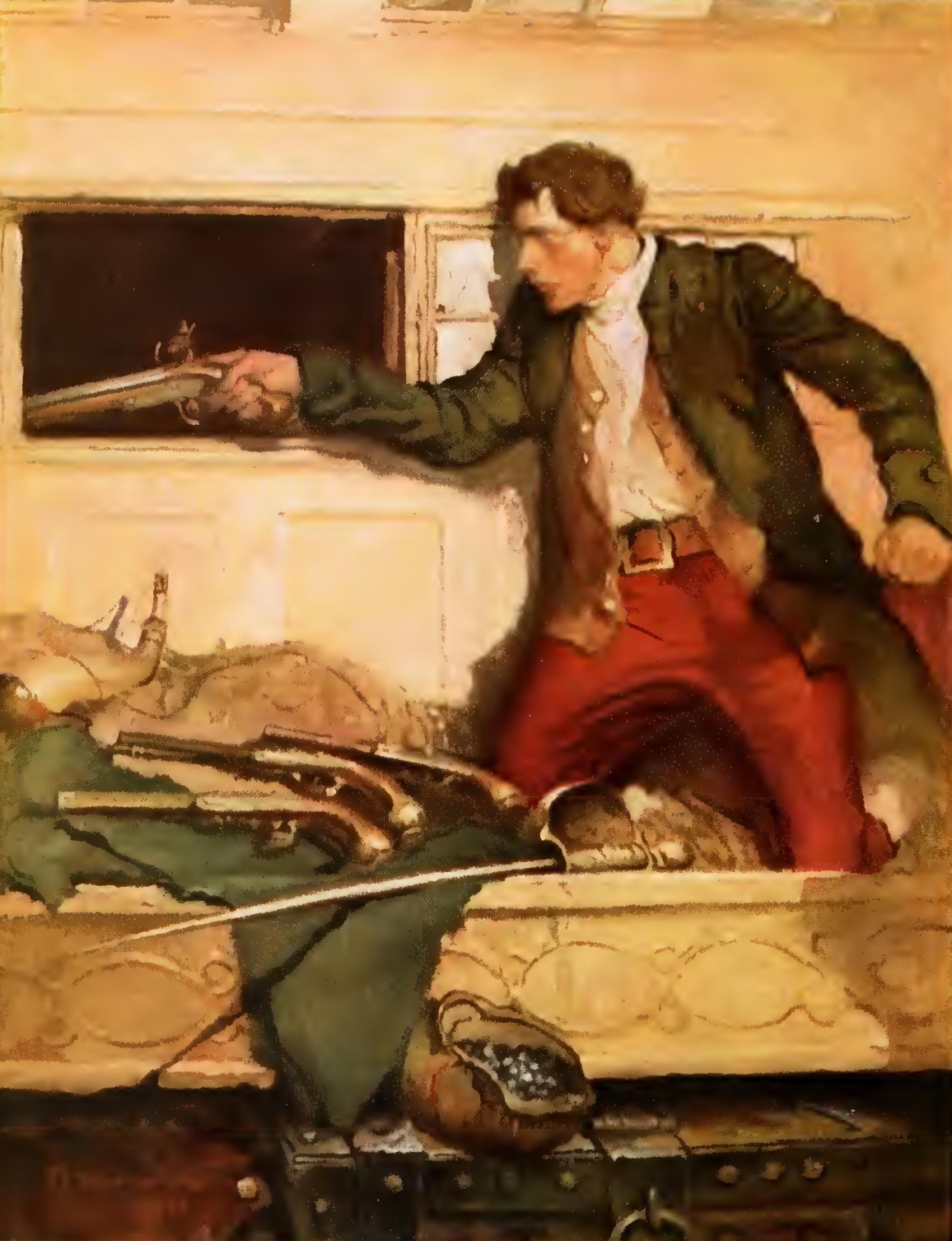
David Balfour recounts his harrowing adventures, detailing his kidnapping, shipwreck, and subsequent journey through the Scottish Highlands in 1751. He seeks to reclaim his rightful inheritance at the estate of Shaws while navigating the treachery of his uncle Ebenezer and the dangers posed by various factions, including the Campbells and those involved in a murder. As he grapples with his identity, loyalty, and friendships, particularly with Alan Breck Stewart, David ultimately faces choices that will define his future and test his courage.
free

The text recounts the story of Jay Gatsby, a man who reinvents himself in pursuit of his dream for love, specifically with Daisy Buchanan, and navigates the complexities of wealth, class, and ambition in 1920s America. Gatsby's tragic downfall culminates after a series of misunderstandings and misfortunes, leading to his untimely death and revealing the emptiness and disillusionment behind his extravagant lifestyle. Ultimately, the narrative reflects on the elusive nature of dreams and the impossibility of recapturing the past.
free
G.K. Chesterton's *The Man Who Was Thursday* is a detective story that transcends the genre, exploring themes of anarchy, identity, and morality as the characters grapple with their roles in a society that blurs the lines between order and chaos. The protagonist, Gabriel Syme, navigates a surreal adventure involving a secret anarchist council and the enigmatic figure of the President, ultimately confronting deep existential questions amidst absurd and comedic situations. The tale culminates in a complex interplay of ideas about freedom, authority, and the nature of good and evil in a rapidly unraveling world.
free

В цирке «Солейль» проходит выступление «Человека Двойной Звезды», вызывающее широкий интерес и загадки. Главный герой, обладающий уникальными способностями, оставляет загадочное воздействие на зрителей и приводит к волнению среди артистической среды. По истечении событий его появления, затевшиеся дальнейшие поиски и вызовы становятся кульминацией изменений в жизни Руни Бегуэм, вынуждая её столкнуться с тайной, связанной с её собственным существованием.
free
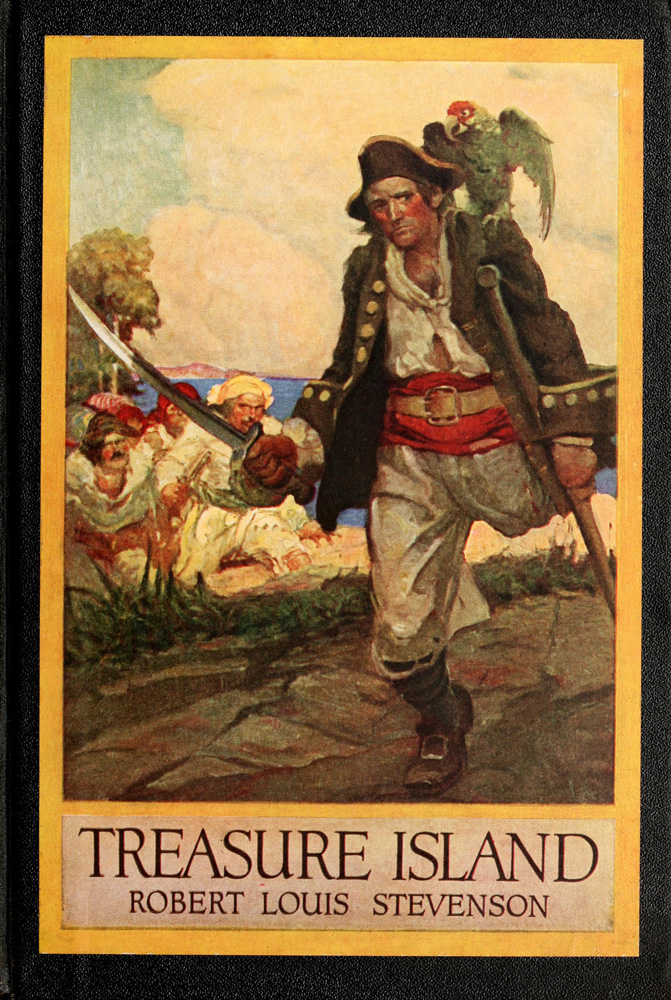
"Treasure Island" follows young Jim Hawkins as he embarks on a perilous adventure involving pirates and buried treasure. After encountering the notorious Long John Silver and unearthing a treachery-filled plot, Jim navigates danger, betrayal, and the hunt for Flint's treasure. Ultimately, the story highlights themes of loyalty, greed, and survival amid a deadly conflict between buccaneers and honest men.
free
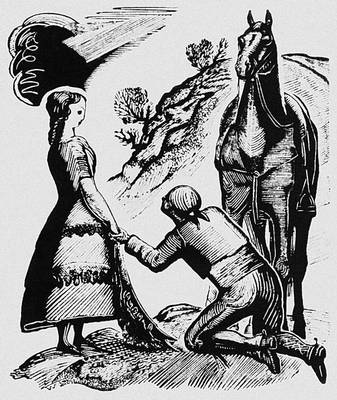
В тексте описывается история цыганки Кармен и ее интриг с мужчиной, который, оказавшийся в роли любовника и контрабандиста, взаимодействует с опасными ситуациями и персонажами на фоне испанской культуры. Основное внимание уделяется их сложным отношениям, изменам и всплескам ревности, а также кочевому образу жизни цыган. Конфликт между любовью и предательством подчеркивает драматизм их жизней, завершаясь трагическим исходом.
free
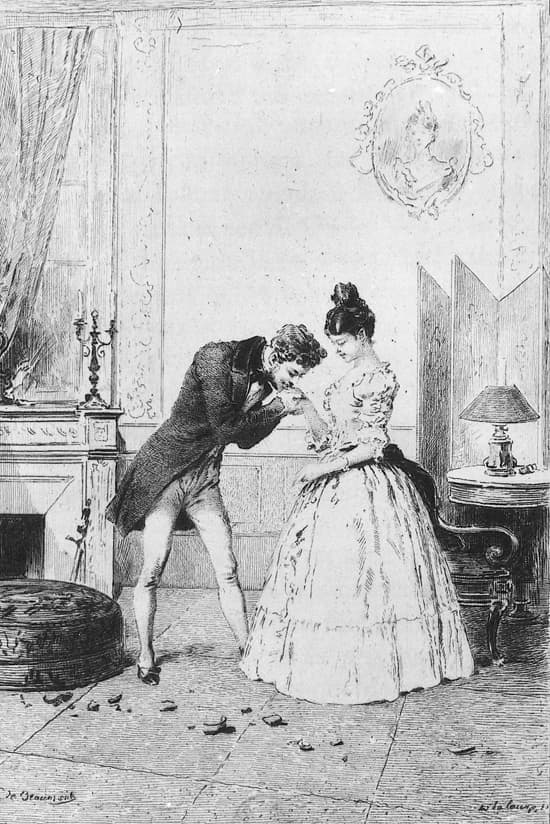
Огюст Сен-Клер, человек с нежным, но скрытным характером, испытывает терзания из-за своей любви к графине Матильде де Курси, в прошлом ухаживавшей за Масиньи. После мучительных сомнений и подозрений, которые почти приводят его к дуэли, Сен-Клер находит утешение в откровении о настоящих чувствах графини к нему. В конечном итоге их связь оказывается крепче, чем опасения и недоразумения, даже несмотря на трагические события, втянувшие их в конфликт.
free
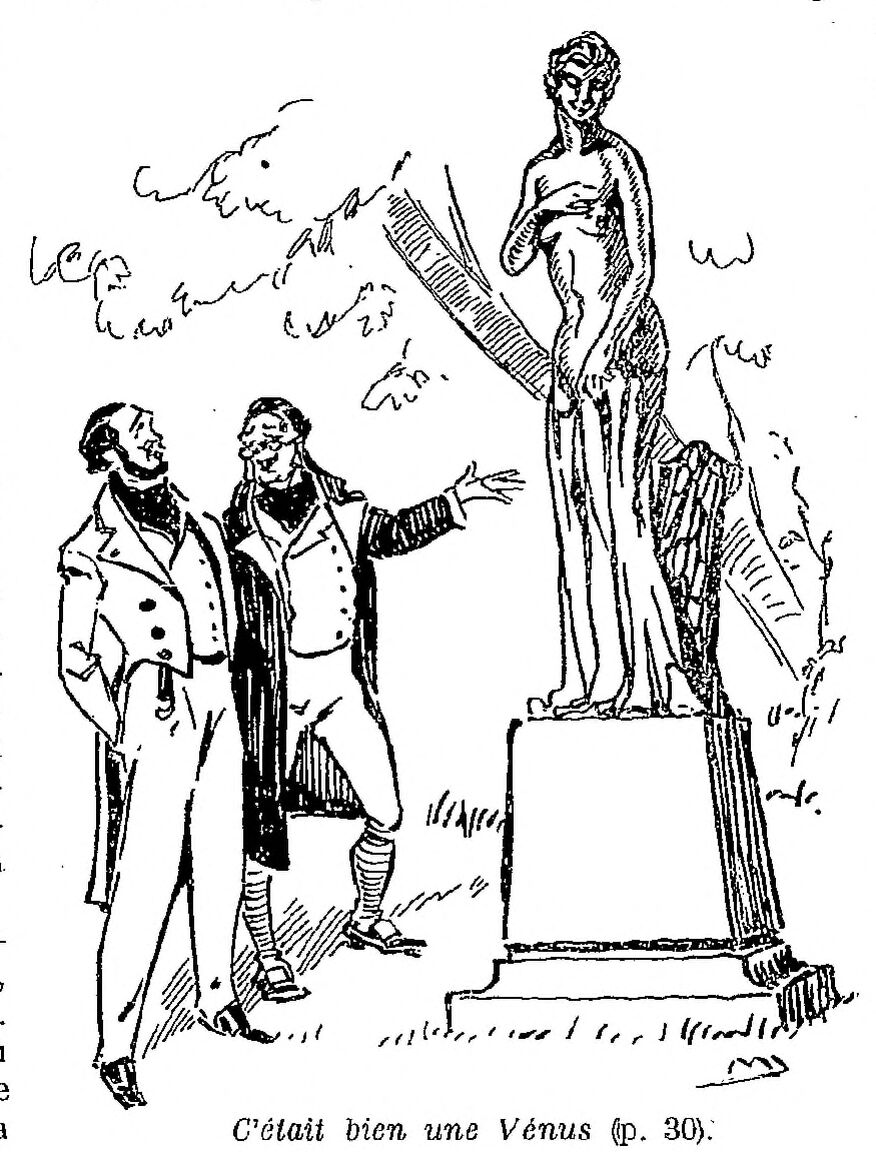
В рассказе "Венера Илльская" археолог прибыл в маленький городок Илль, чтобы исследовать античные памятники, но вместо этого сталкивается с трагедией, связанной с загадочной бронзовой статуей Венеры. Молодой человек Альфонс де Пейрорад, чей брак с богатой невестой проходит на фоне обручения с загадочной статуей, погибает при загадочных обстоятельствах, придавая историю элементы мистики и уголовной тайны. Заканчивается всё тем, что статуя, как зловещий объект, оказывается переплавленной в колокол, оставляя за собой следы трагедии и суеверий.
free
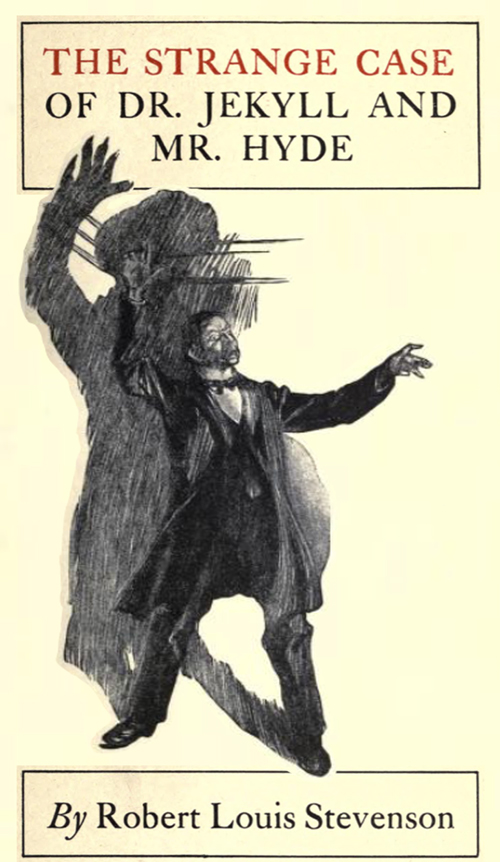
Mr. Utterson, a reserved lawyer, becomes troubled by the connection between his friend Dr. Jekyll and the sinister Edward Hyde, particularly after a violent incident involving Hyde. As Utterson investigates, he discovers Jekyll's mysterious duality and the tragic consequences of his experiments to separate his good and evil sides, ultimately leading to Hyde's dominance and Jekyll's downfall. The story unfolds as a cautionary tale about the dangers of unchecked ambition and the complexities of human nature.
free