🏷️ Loading tag...
Тексты подробно анализируют сложный характер Великой французской революции, выделяя взаимодействие идейного буржуазного движения и народных восстаний крестьянства и пролетариата, с особым вниманием к роли коммун, законодательным реформам и социально-экономическим преобразованиям периода 1789—1793 годов. Значительные изменения включают отмену феодальных прав, дробление земельной собственности и усиление народной власти, что способствовало улучшению экономического положения крестьян и борьбе с голодом, однако реализовывались они с сопротивлением аристократии и буржуазии. Внутренняя напряженность между политическими силами, разделение революционеров на жирондистов и монтаньяров, а также период радикализации и террора привели к падению Робеспьера и окончанию революционного периода. Собрание заметок и цитат из различных источников дополняет анализ, освещая ключевые события, политические фигуры и противоречия, формировавшие ход революции и заложившие основу для дальнейших социально-политических преобразований в XIX веке.
free
Разрозненный свод примечаний и свидетельств по истории России XVII—XVIII вв., охватывающий бытовые и налогово-хозяйственные сведения, церковные реформы и раскол, казацкие и народные восстания, военные кампании и дипломатические эпизоды. Главные мотивы — жестокость и злоупотребления власти, судьбы ключевых деятелей (Никон, Матвеев, Хмельницкий, Стенька Разин, Пётр I и др.) и масштабные административно-культурные преобразования (реформы, типография, образование).
free
Филарет в Смутное время то придерживался закона и сопротивлялся самозванцам — был насильно увезён в Тушино и потом в Польшу, но на посольстве упрямо отказался отдать Смоленск и присягать королю. Вернувшись в Москву, он был хиротонисан патриархом; как отец царя Михаила сосредоточил в своих руках широкую светскую и церковную власть, наводил порядок, преследовал безнравственность и ереси и управлял государственными делами. Скончался в октябре 1633 года; его патриаршество значительно возвысило значение сана патриарха.
free
Систематичний огляд символіки тварин у південно-руській (українській) народній поезії: птахи (пава, сокіл, орел, галка, сорока, півень тощо), комахи, риби, плазуни й звірі набувають ролей від шлюбних і жіночих образів до героїчних символів, вісників нещастя й міфічних істот.
Розглянуто функції кожного образу в пісенному репертуарі (вестоносці, супутники козаків, провісники, жертви обрядів), їх давні міфологічні корені та зв’язок із побутовими уявленнями.
Окремо проаналізовано уособлення долі/біди як міфічної сили, що керує людською участю й постає в численних пісенних мотивах.
Розглянуто функції кожного образу в пісенному репертуарі (вестоносці, супутники козаків, провісники, жертви обрядів), їх давні міфологічні корені та зв’язок із побутовими уявленнями.
Окремо проаналізовано уособлення долі/біди як міфічної сили, що керує людською участю й постає в численних пісенних мотивах.
free

Рассказ Н. И. Костомарова «Скотской бунт» — политическая сатира-антиутопия: в малороссийском имении скот под руководством агитаторов восстаёт против человека, переводчик Омелько временно улаживает мятеж обманом (выпуск скота на поля), лидеры наказаны, большинство вскоре возвращается в неволю.
Публикатор В. Третьяков восстанавливает текст, подчёркивает его романно-историческую и жанровую значимость (предвосхищение Оруэлла) и просит вернуть рассказ в собрания Костомарова.
Публикатор В. Третьяков восстанавливает текст, подчёркивает его романно-историческую и жанровую значимость (предвосхищение Оруэлла) и просит вернуть рассказ в собрания Костомарова.
free
Русь, единый по вере и языку народ, длительно страдала от междоусобиц и набегов кочевников, а татарское иго и распад политической целостности вызвали нарастание централизации вокруг Москвы. В начале XVII века в «смутное время» самозванцы, польско‑литовское вмешательство и голод привели к анархии, которую преодолели народные ополчения под Кузьмой Мининым и князем Д. М. Пожарским — освобождение Москвы (1612) и избрание Михаила Романова. В дальнейшем религиозно‑политическое противостояние с Польшей завершилось постепенным укреплением и расширением Московского государства, а к концу XVIII века многие бывшие польско‑литовские земли отошли к России.
free
Дело об убийстве царевича Димитрия неоднократно пересматривалось, но следственное дело, составленное Василием Шуйским, недостоверно: сам Шуйский впоследствии отвергал свои выводы, многие показания явно скопированы или добыты в Москве под давлением.
Независимый угличский рассказ и совокупность обстоятельств — мотив у Бориса Годунова, удобный момент, поведение убийц, давление на свидетелей и последующие репрессии против Углича — делают более вероятной версию о убийстве, чем о самоубийстве, хотя прямой приказ Бориса доказать нельзя.
Угличское дело и его политическая эксплуатация (канонизация Димитрия, волна самозванцев и Смутное время) имели решающее значение для кризиса начала XVII века.
Независимый угличский рассказ и совокупность обстоятельств — мотив у Бориса Годунова, удобный момент, поведение убийц, давление на свидетелей и последующие репрессии против Углича — делают более вероятной версию о убийстве, чем о самоубийстве, хотя прямой приказ Бориса доказать нельзя.
Угличское дело и его политическая эксплуатация (канонизация Димитрия, волна самозванцев и Смутное время) имели решающее значение для кризиса начала XVII века.
free
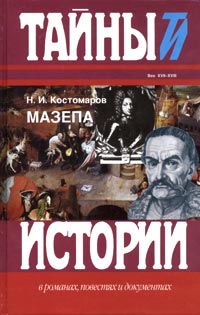
27 июня 1709 г. под Полтавой шведская армия Карла XII при не скоординированной атаке была разгромлена: Меншиков нанес решающий контрудар, взял в плен многих генералов, а остатки войска капитулировали у Переволочны.
Карл, раненый, в сопровождении Мазепы бежал в турецкие владения; Мазепа вскоре умер в изгнании, Пётр почтил пленённых и устроил торжественное погребение павших.
Полтавская победа сломила шведскую экспансию, лишила смысла планы Мазепы и окончательно укрепила русскую власть над Малороссией, повлияв на её дальнейшую административную интеграцию.
Карл, раненый, в сопровождении Мазепы бежал в турецкие владения; Мазепа вскоре умер в изгнании, Пётр почтил пленённых и устроил торжественное погребение павших.
Полтавская победа сломила шведскую экспансию, лишила смысла планы Мазепы и окончательно укрепила русскую власть над Малороссией, повлияв на её дальнейшую административную интеграцию.
free
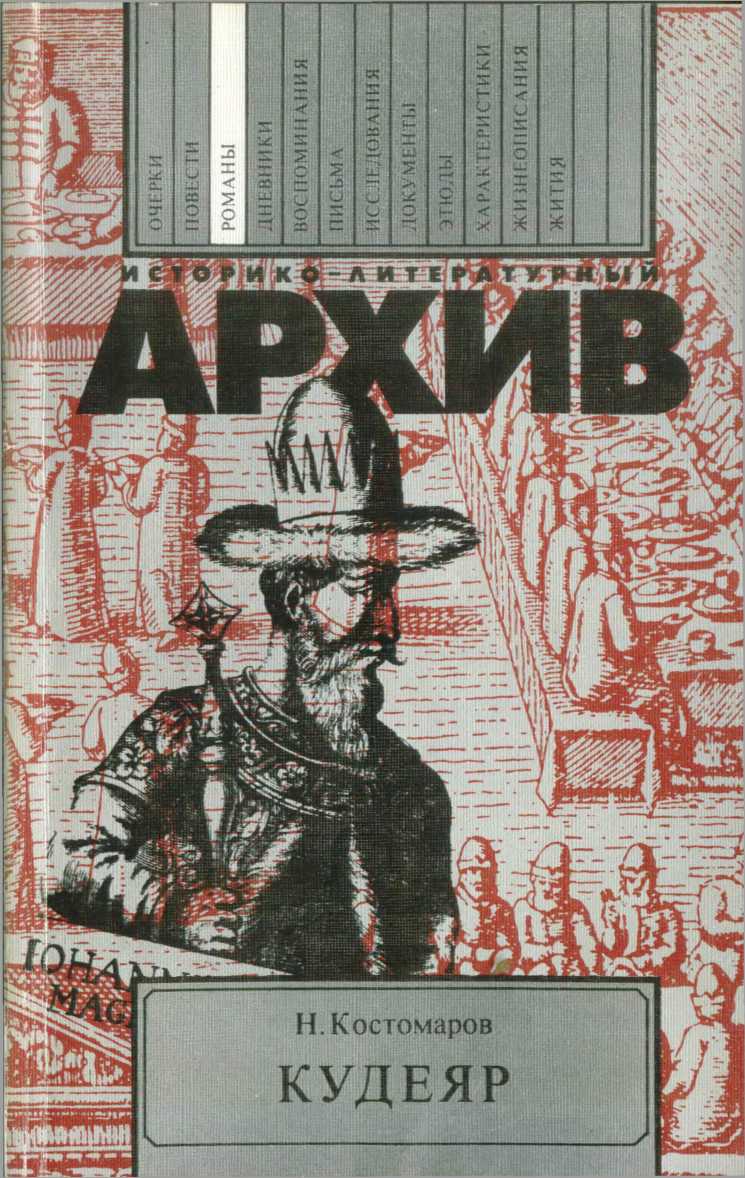
Хроника Н. И. Костомарова «Кудеяр» повествует о Юрии Кудеяре — разбойнике и ватажке, замышлявшем свержение Ивана Грозного, примкнувшем к Девлет‑Гирею и оказавшемся соучастником разгрома и поджога Москвы; в кульминации герой, узнав о своём происхождении, падает бездыханным.
Автор опирается на легенды и документы, стремясь показать нравственный и политический кризис эпохи и распад личности тирана, но художественно образ Кудеяра остаётся противоречивым и недостаточно раскрытым.
В послесловии даётся биография Костомарова и критическая оценка: хроника ценна источниковостью и бытовыми подробностями, но слабее в психологической разработке главного героя.
Автор опирается на легенды и документы, стремясь показать нравственный и политический кризис эпохи и распад личности тирана, но художественно образ Кудеяра остаётся противоречивым и недостаточно раскрытым.
В послесловии даётся биография Костомарова и критическая оценка: хроника ценна источниковостью и бытовыми подробностями, но слабее в психологической разработке главного героя.
free
Сборник — разновременный набор афористических размышлений и наблюдений о человеке, любви, скуке, искусстве, судьбе и общественной власти, часто выраженных в образных сравнениях и кратких максима́х. В тексте сочетаются философские, нравственные и литературные суждения о прошлом и будущем, памяти и забвении, критике и добродетели. В приложении — цензорские замечания П. А. Вяземского к рукописи Е. П. Ковалевского «Граф Блудов и его время» с перечнем исключённых или смягчённых мест.
free
Командование русских войск форсированно сосредоточило силы у Фратешти/Журжи, однако Омер-паша избежал открытого сражения, в результате чего князь Горчаков отозвал войска в Молдавию и далее в Россию, а Австрия без боя заняла княжества, вызвав недовольство армии и местного населения.
Дипломатические ноты (Меншиков, Нессельрод) и действия англо‑французских эскадр у Дарданелл обострили кризис и предопределили расширение военных действий.
Подробно изложено также второе бомбардирование Севастополя: многодневная артиллерийская канонада и большие потери при упорной обороне гарнизона; в приложениях приведены сводки о войсках, тыловом обеспечении и правила довольствия.
Дипломатические ноты (Меншиков, Нессельрод) и действия англо‑французских эскадр у Дарданелл обострили кризис и предопределили расширение военных действий.
Подробно изложено также второе бомбардирование Севастополя: многодневная артиллерийская канонада и большие потери при упорной обороне гарнизона; в приложениях приведены сводки о войсках, тыловом обеспечении и правила довольствия.
free
Повесть А. Бестужева разворачивается в Ливонии вокруг любовного триугольника: рыцарь Эвальд фон Нордек, его жена Эмма и русский пленник Всеслав, которым манипулирует ревнивец Ромуальд. Ромуальд оклеветал Нордека перед тайным аренасбургским судилищем, Эвальда арестовали и Эмму похитили, но Всеслав с новгородцами штурмом спасают Эмму, освобождают Нордека, а Ромуальд гибнет. Повесть вскрывает злоупотребления тайных судов и последствия феодальной зависти, клеветы и мщения.
free
В Ревеле барон Бернгард фон Буртнек, его дочь Минна, доктор Лонциус и прочие готовятся к рыцарскому турниру на фоне земельного спора с фрейгером Унгерном. Пылкий купец Эдвин, влюблённый в Минну, тайно выступает под забралом, побеждает Унгерна и тем вызывается конфликт между рыцарством и горожанами. После боёв и признания Минны барон соглашается на их союз, и торжество примиряет враждующие стороны.
free
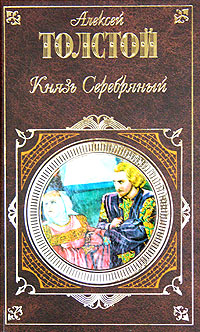
Ночные рейды князя Никиты Серебряного и разбойников — дерзкая атака на татарский стан с поджогом степи, побратимством и гибелью Максима — сменяются торжеством и похоронами.
Дворовые интриги и суды при Иване Грозном: Басманов, Вяземский и Морозов вовлечены в доносы, поединки и публичные казни в рамках опричнины, показательно высвечивающие жестокость власти.
Впоследствии опричнина распадается, а на фоне исторических перемен возникает завоевание Сибири Ермаком; автор рефлексирует о нравственной цене тирании и храбрости честных людей.
Дворовые интриги и суды при Иване Грозном: Басманов, Вяземский и Морозов вовлечены в доносы, поединки и публичные казни в рамках опричнины, показательно высвечивающие жестокость власти.
Впоследствии опричнина распадается, а на фоне исторических перемен возникает завоевание Сибири Ермаком; автор рефлексирует о нравственной цене тирании и храбрости честных людей.
free
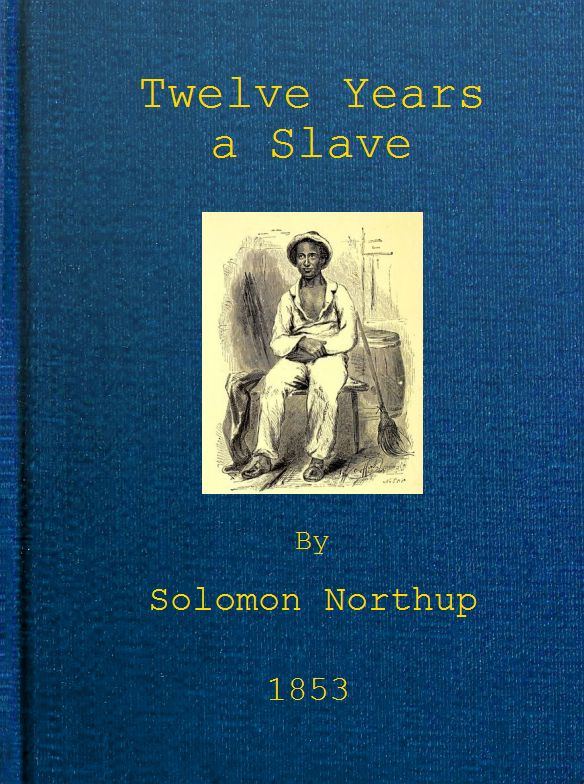
A letter leads Henry B. Northup and Mr. Waddill to Bass, who identifies "Platt" as Solomon Northup on Edwin Epps' Bayou Bœuf plantation; Northup and the sheriff serve legal papers and rescue Solomon in the cotton field.
Epps formally surrenders him in Marksville, they pass through New Orleans and Washington where James Burch is tried for kidnapping and acquitted despite contradictory testimony, and a subsequent conspiracy charge against Solomon is withdrawn.
Solomon returns to Sandy Hill, reunites with his wife Anne and children, and the text appends official memorials, affidavits and the governor’s commission documenting his recovery.
Epps formally surrenders him in Marksville, they pass through New Orleans and Washington where James Burch is tried for kidnapping and acquitted despite contradictory testimony, and a subsequent conspiracy charge against Solomon is withdrawn.
Solomon returns to Sandy Hill, reunites with his wife Anne and children, and the text appends official memorials, affidavits and the governor’s commission documenting his recovery.
free
The Grail quest culminates as the pure Sir Galahad—joined by Percival and Bors—proves himself (sits in the Siege Perilous, draws the enchanted sword), achieves the Sangreal, heals King Pelles and is translated; Percival retires to a hermitage and Bors returns to Arthur.
Later Lancelot, celebrated yet compromised by his love for Queen Guinevere, rescues her, causes deadly schisms (including the accidental deaths of Gareth and Gaheris), and after Modred’s usurpation and Guinevere’s retreat to a nunnery he withdraws from the world.
Civil war follows: Arthur defeats Modred but is mortally wounded, orders Excalibur cast into the lake, is borne away to Avilion, and the Round Table and his realm pass.
Later Lancelot, celebrated yet compromised by his love for Queen Guinevere, rescues her, causes deadly schisms (including the accidental deaths of Gareth and Gaheris), and after Modred’s usurpation and Guinevere’s retreat to a nunnery he withdraws from the world.
Civil war follows: Arthur defeats Modred but is mortally wounded, orders Excalibur cast into the lake, is borne away to Avilion, and the Round Table and his realm pass.
free
Edward Waverley, torn between Flora Mac‑Ivor and Rose Bradwardine, is swept into the Jacobite rising and into a fatal friendship and quarrel with the Highland chieftain Fergus Mac‑Ivor.
After the retreat and skirmishes Fergus is captured and executed, while Waverley, sheltered and later pardoned through Colonel Talbot’s influence, aids in restoring the Baron of Bradwardine.
Waverley marries Rose and returns to Waverley‑Honour, the narrative closing on the personal consequences of the rebellion and a reflective lament for vanishing Scottish ways.
After the retreat and skirmishes Fergus is captured and executed, while Waverley, sheltered and later pardoned through Colonel Talbot’s influence, aids in restoring the Baron of Bradwardine.
Waverley marries Rose and returns to Waverley‑Honour, the narrative closing on the personal consequences of the rebellion and a reflective lament for vanishing Scottish ways.
free
Mysie Happer, disguised as a page, rescues Sir Piercie Shafton and accompanies him with strict propriety.
At Glendearg Mary Avenel, visited by the White Lady, finds her mother's "Black Book" and spiritual consolation; Henry Warden is captured, debates the Sub‑Prior, and is spared on parole.
Border warfare follows: Julian Avenel is killed, Edward confesses jealous malice and becomes a novice, Halbert rises under Murray and marries Mary, while Piercie and his bride depart for the Continent.
At Glendearg Mary Avenel, visited by the White Lady, finds her mother's "Black Book" and spiritual consolation; Henry Warden is captured, debates the Sub‑Prior, and is spared on parole.
Border warfare follows: Julian Avenel is killed, Edward confesses jealous malice and becomes a novice, Halbert rises under Murray and marries Mary, while Piercie and his bride depart for the Continent.
free
Line-by-line critical and philological annotations to Sir Walter Scott’s The Lady of the Lake, noting manuscript and early-edition variants, archaic vocabulary, historical and literary references, and occasional emendations. Includes a collation addendum on editions and provenance, numbered footnotes with sources, and a Gutenberg acknowledgment.
free
Lord Glenvarloch's violent quarrel in Greenwich Park leads to his arrest and imprisonment in the Tower amid accusations against him and the disappearance of a royal warrant that threatens his estate.
Margaret Ramsay (disguised), Richie Moniplies and Martha Trapbois, aided by George Heriot, expose intrigues, secure the warrant and redemption-money while Lord Dalgarno's plots end violently.
A royal inquiry clears Nigel, his mortgage is redeemed, he marries Margaret, Richie receives royal honour, and the principal villains are either dead, fled, or discredited.
Margaret Ramsay (disguised), Richie Moniplies and Martha Trapbois, aided by George Heriot, expose intrigues, secure the warrant and redemption-money while Lord Dalgarno's plots end violently.
A royal inquiry clears Nigel, his mortgage is redeemed, he marries Margaret, Richie receives royal honour, and the principal villains are either dead, fled, or discredited.
free
Father Clement warns Simon Glover that the young Highland chief Eachin (once Conachar) loves his daughter Catharine; Simon refuses the match, Eachin confesses a paralyzing cowardice and is driven to despair.
At Falkland the Duke of Rothsay is secretly starved to death by Sir John Ramorny and the quack Dwining; Archibald Douglas uncovers the plot, executes the guilty, while Albany’s suspected role remains politically fraught.
On Palm Sunday the North Inch fight slays most combatants; Henry Wynd wins distinction, Eachin flees and later dies, and Catharine is sheltered by the Douglas and finally weds Henry.
At Falkland the Duke of Rothsay is secretly starved to death by Sir John Ramorny and the quack Dwining; Archibald Douglas uncovers the plot, executes the guilty, while Albany’s suspected role remains politically fraught.
On Palm Sunday the North Inch fight slays most combatants; Henry Wynd wins distinction, Eachin flees and later dies, and Catharine is sheltered by the Douglas and finally weds Henry.
free
The Master of Ravenswood, reconciled for a time with Sir William Ashton, becomes secretly engaged to Lucy Ashton but is thwarted by Lady Ashton’s hostility and political manoeuvres. Lucy is forcibly alienated, married to Bucklaw amid intrigue; the wedding-night ends in violence—Bucklaw wounded, Lucy driven mad and dead. Ravenswood returns, is insulted, accepts Douglas Ashton’s challenge, disappears (presumed drowned), and the families suffer ruin while Lady Ashton remains unrepentant.
free
Jedediah Cleishbotham introduces and vouches for the Tales’ provenance, attributing the texts to the late Peter Pattieson and defending their unaltered publication.
“The Black Dwarf” recounts how the solitary Elshender—partly modelled on the real David Ritchie—lives as a misanthropic but resourceful hermit whose unexpected interventions expose local violence, foil a coercive marriage amid Jacobite intrigue, and redistribute relief to the wronged.
The narrative closes with settlements and reconciliations: Earnscliff weds Isabella, Hobbie Elliot receives indemnity, Sir Edward/Elshie vanishes after conferring benefits, and the conspirators’ plans collapse.
“The Black Dwarf” recounts how the solitary Elshender—partly modelled on the real David Ritchie—lives as a misanthropic but resourceful hermit whose unexpected interventions expose local violence, foil a coercive marriage amid Jacobite intrigue, and redistribute relief to the wronged.
The narrative closes with settlements and reconciliations: Earnscliff weds Isabella, Hobbie Elliot receives indemnity, Sir Edward/Elshie vanishes after conferring benefits, and the conspirators’ plans collapse.
free
The episodes recount Eveline Berenger's interrupted betrothal to Hugo de Lacy—who, under Archbishop Baldwin's pressure, delays departure for the Holy Land—leaving his nephew Damian as her guardian; Randal de Lacy's intrigues, a Welsh abduction at the Red Pool and Damian's wounding spark a siege and widespread accusations of treason.
Reprisals and disclosures (notably the minstrel Renault Vidal/Cadwallon's killing of Randal and King Henry's intervention) lead to Damian's brief imprisonment, subsequent pardon and the collapse of the conspiracy.
Resolution: Hugo reappears, public order is restored, Eveline and Damian are united, loyal retainers are recompensed, and the Constable ultimately departs for Ireland.
Reprisals and disclosures (notably the minstrel Renault Vidal/Cadwallon's killing of Randal and King Henry's intervention) lead to Damian's brief imprisonment, subsequent pardon and the collapse of the conspiracy.
Resolution: Hugo reappears, public order is restored, Eveline and Damian are united, loyal retainers are recompensed, and the Constable ultimately departs for Ireland.
free
King Louis, seized and humiliated at Peronne by Duke Charles for his intrigues in Liège, endures fear, plots revenge (even narrowly staying the execution of his astrologer Galeotti), and goes through a tense council with Burgundy that forces painful concessions.
During the siege of Liège William de la Marck plans a treacherous night sally that Quentin Durward detects and warns of, averting disaster.
In the fierce ensuing fighting Durward distinguishes himself, De la Marck is killed, and the spoil of victory—Isabelle de Croye's hand and estates—becomes the prize that propels Durward's fortunes.
During the siege of Liège William de la Marck plans a treacherous night sally that Quentin Durward detects and warns of, averting disaster.
In the fierce ensuing fighting Durward distinguishes himself, De la Marck is killed, and the spoil of victory—Isabelle de Croye's hand and estates—becomes the prize that propels Durward's fortunes.
free
Francis Osbaldistone and his Glasgow companions, after a quarrelous night at Jeanie MacAlpine's inn, are swept into the Highland turmoil: seized by militia, caught in an ambush at a lake pass, and witness the rout of Captain Thornton and the cold-blooded murder of the gauger Morris by Helen MacGregor's party. Rob Roy is briefly captive but escapes; Diana Vernon appears disguised, renounces Frank under pressure, is spirited away with her father, and ultimately placed beyond immediate danger. In the aftermath Frank recovers his father's papers and estate, Rashleigh dies, Frank succeeds to Osbaldistone Hall and marries Diana, while Rob Roy survives in the Highlands as a fabled, ambivalent protector of his people.
free
Mr. Oldbuck probes the Glenallan mystery: Elspeth’s late confession and family papers rekindle hope for Eveline’s child though she dies ere all is revealed.
Meanwhile Edie, Lovel/Major Neville, Sir Arthur and the quack Dousterswivel are embroiled in the buried-treasure affair that, with Reginald Wardour’s timely assistance, averts ruin; a false beacon alarm musters the militia, and the tale closes in reconciliations, marriages, and settled fortunes.
Meanwhile Edie, Lovel/Major Neville, Sir Arthur and the quack Dousterswivel are embroiled in the buried-treasure affair that, with Reginald Wardour’s timely assistance, averts ruin; a false beacon alarm musters the militia, and the tale closes in reconciliations, marriages, and settled fortunes.
free
A conspiracy to seize Whitehall—apparently organized by Christian and implicating the Duke of Buckingham through concealed arms in a violoncello—throws Charles’s court into alarm. Inquiry with witnesses (the dwarf Hudson, the Peverils, the Countess of Derby and the mute Fenella/Zarah) exposes Christian’s intrigues and deceptions; Buckingham is publicly exonerated though mistrusted, and Christian is driven into exile. The Peverils are vindicated, the Countess decides to withdraw to the Isle of Man, and a marriage is arranged to restore the family’s estates.
free
After the rout at Bothwell Bridge Morton and his squire flee; Morton is seized by zealous Cameronians who intend to execute him, but Claverhouse’s dragoons storm the farmhouse and secure his parole and banishment.
Returning incognito, Morton seeks out the fanatic Burley at the Black Linn, discovers Burley’s violent plots to control the Bellenden estate, and fails to recover the incriminating deed before Burley destroys it.
The quarrel ends in a violent skirmish in which Basil Olifant and Burley are killed and Lord Evandale mortally wounded; subsequently Morton and Edith Bellenden marry and the Tillietudlem fortunes are restored.
Returning incognito, Morton seeks out the fanatic Burley at the Black Linn, discovers Burley’s violent plots to control the Bellenden estate, and fails to recover the incriminating deed before Burley destroys it.
The quarrel ends in a violent skirmish in which Basil Olifant and Burley are killed and Lord Evandale mortally wounded; subsequently Morton and Edith Bellenden marry and the Tillietudlem fortunes are restored.
free
Edition and paratext present Walter Scott’s Marmion (1808), its publication history, and cantos’ introductions.
Narrative traces Lord Marmion’s intrigue over Constance and Clare, the Palmer’s revelations, and ends with Marmion mortally wounded at Flodden, exposing themes of honour, guilt, and the costs of ambition.
Narrative traces Lord Marmion’s intrigue over Constance and Clare, the Palmer’s revelations, and ends with Marmion mortally wounded at Flodden, exposing themes of honour, guilt, and the costs of ambition.
free
Prince John, aghast that Richard has returned, rages and plots while his partisans quarrel and De Bracy resists striking against the king.
Isaac of York brings his daughter Rebecca to the Preceptory of Templestowe, where Grand Master Lucas Beaumanoir, urged by bigotry and intrigue, accuses her of witchcraft and she demands trial by combat.
Wounded Wilfred of Ivanhoe takes up her cause, overthrows Bois-Guilbert (who dies of his passions), King Richard reveals himself, quells the Templar plot, Rebecca is spared and subsequently leaves England, and Ivanhoe is reconciled with Cedric and wins Rowena.
Isaac of York brings his daughter Rebecca to the Preceptory of Templestowe, where Grand Master Lucas Beaumanoir, urged by bigotry and intrigue, accuses her of witchcraft and she demands trial by combat.
Wounded Wilfred of Ivanhoe takes up her cause, overthrows Bois-Guilbert (who dies of his passions), King Richard reveals himself, quells the Templar plot, Rebecca is spared and subsequently leaves England, and Ivanhoe is reconciled with Cedric and wins Rowena.
free
Bertram, rescued from Portanferry during a smuggler riot and guided by Meg Merrilies and Dinmont, is recognised—by Dominie Sampson’s zeal, Meg’s dying declaration at Derncleugh, Gabriel Faa’s evidence, and Colonel Mannering’s corroboration—as the lost heir of Ellangowan and the victim of the gang that slew the gauger. Hatteraick and his accomplice Glossin perish amid exposure and violence in custody; Pleydell and Mac‑Morlan prosecute the legal recovery, Mannering and the friends secure the family’s restoration, and plans are laid to rebuild Ellangowan and settle the young people's futures.
free
Ranald MacEagh is introduced under a false name and, amid Highland second-sight mysticism, Montrose maneuvers through the mountains and wins a decisive victory over Argyle at Inverlochy, after which Dalgetty is knighted.
Ranald, dying, reveals that Annot Lyle is Sir Duncan Campbell of Ardenvohr’s lost daughter; Menteith and Annot are hastily married.
Jealous Allan M’Aulay stabs Menteith at the bridal, then flees (his fate uncertain), producing lasting personal and military consequences.
Ranald, dying, reveals that Annot Lyle is Sir Duncan Campbell of Ardenvohr’s lost daughter; Menteith and Annot are hastily married.
Jealous Allan M’Aulay stabs Menteith at the bridal, then flees (his fate uncertain), producing lasting personal and military consequences.
free
Frederick Douglass’s autobiography documents his birth and upbringing in Maryland slavery, the routine cruelties and legal degradations he endured under multiple masters and overseers, and the system’s deliberate efforts to blunt black humanity.
He recounts self-education (learning to read and write), persistent resistance—including a turning-point fight with Covey—and his 1838 escape to New York and New Bedford, where he became a leading abolitionist orator and author.
Prefatory endorsements by Wm. Lloyd Garrison and Wendell Phillips endorse the Narrative’s truthfulness; an appendix condemns American “slaveholding” Christianity and demands uncompromising abolition.
He recounts self-education (learning to read and write), persistent resistance—including a turning-point fight with Covey—and his 1838 escape to New York and New Bedford, where he became a leading abolitionist orator and author.
Prefatory endorsements by Wm. Lloyd Garrison and Wendell Phillips endorse the Narrative’s truthfulness; an appendix condemns American “slaveholding” Christianity and demands uncompromising abolition.
free
Courtly factionalism and familial treachery—Isabel’s intrigue with Clarence, Warwick’s alliance with Lancaster, and Edward’s return—drive successive reversals that culminate at the Battle of Barnet.
Parallel personal strands—Hastings torn between Sibyll Warner and Katherine Bonville, Adam Warner’s inventive labours, and Sibyll’s abduction by Friar Bungey—intersect the political struggle and yield betrayal, exile, and mourning.
Science and superstition collide as Warner’s Eureka is coveted and Bungey manipulates omens; fog, misrecognition, and artillery confusion turn the field, costing Warwick and Montagu their lives and restoring the Yorkist cause.
Parallel personal strands—Hastings torn between Sibyll Warner and Katherine Bonville, Adam Warner’s inventive labours, and Sibyll’s abduction by Friar Bungey—intersect the political struggle and yield betrayal, exile, and mourning.
Science and superstition collide as Warner’s Eureka is coveted and Bungey manipulates omens; fog, misrecognition, and artillery confusion turn the field, costing Warwick and Montagu their lives and restoring the Yorkist cause.
free
During gladiatorial games a web of intrigue unfolds—Nydia's testimony exposes Arbaces and exonerates Glaucus—but before justice is secured Vesuvius erupts, annihilating Pompeii; Glaucus and Ione escape by sea while Nydia disappears and many perish. Years later Glaucus, converted to Christianity, settles in Athens and reflects on the catastrophe and the city's eventual archaeological recovery.
free
Cola di Rienzi, after acquittal at Avignon and Papal recognition, returns to Rome as Senator and seeks to restore law, order and civic militias while courting power and popular devotion. Walter de Montreal’s mercenary politics and secret dealings with the Barons culminate in his arrest and execution, intensifying factional tensions. Rienzi’s fiscal measures to pay citizen legions (the gabelle), combined with unreliable foreign troops and noble conspiracies, provoke a popular uprising; deserted and betrayed, he is captured and murdered as the Capitol burns.
free
free
A detailed critique of Sophocles’ principal plays (Oedipus Tyrannus and at Coloneus, Antigone, Electra, Trachiniae, Ajax, Philoctetes) that praises his consummate theatrical art—mastery of concentrated pathos, character-contrasts, and stage-effect—while noting occasional defects (excessive appeal to physical pain, episodic unity). It contrasts Sophocles’ humane, actor‑oriented drama with Aeschylus’ loftier, less theatrical sublimity and situates Sophocles as the poetic embodiment of Periclean Athens.
free
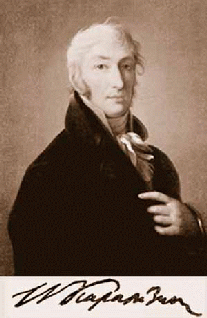
Повествование Н. М. Карамзина: возвращаясь из Англии, рассказчик на острове Борнгольм встречает печального юношу и, поддавшись любопытству, проникает в готический замок, где доброжелательный старец позволяет ему обнаружить в подземелье заточенную молодую женщину — её трагическая история остаётся нераскрытой. Текст пронизан романтической меланхолией, мотивами изгнания, любви и наказания; впервые опубликован в альманахе «Аглая» (1794).
free
В повести Н. М. Карамзина «Наталья, боярская дочь» прекрасная и набожная дочь боярина Матвея влюбляется в таинственного юношу Алексея, тайно уходит с ним, венчается в уединённой церковке и живёт в лесном убежище. Алексей оказывается сыном осуждённого Любославского, добывает честь семьи на войне и возвращает супругу к отцу — рассказ о чистой страсти, испытаниях, дружбе и примирении.
free
Карамзинская повесть описывает борьбу Новгорода под предводительством Марфы Борецкой за древнюю вольность против притязаний великого князя Иоанна III на объединение русских земель.
Возвышенные речи, назначение Мирослава вождём и героическая битва на Шелони кончаются поражением, смертью вождей, казнью Марфы и утратой новгородской независимости — трагическое столкновение свободы и самодержавия.
Возвышенные речи, назначение Мирослава вождём и героическая битва на Шелони кончаются поражением, смертью вождей, казнью Марфы и утратой новгородской независимости — трагическое столкновение свободы и самодержавия.
free
Сигизмунд и его послы, пользуясь расколом в Москве и предательством части бояр, вели торг о московской короне: Тушинский мятеж и Лжедмитриево шаткое владычество распались (самозванец бежал в Калугу и вскоре был убит), а Князь Михаил, собрав народное войско и на время спасший Отечество, внезапно умер. Победа Жолкевского при Клушине и последовавшие события привели к низложению Василия Шуйского, к приходу польских отрядов в Москву и к спорному избранию Владислава при одновременной политике Сигизмунда, стремившегося прежде всего к взятию Смоленска. В ответ на иностранное вмешательство и договоры началось всенародное вооружённое движение (Ермоген, Ляпунов, Пожарский и др.), горение и разграбление Москвы, дальнейшее разложение власти и вовлечение Швеции (взятие Новгорода Делагарди), что увело страну в новый этап смуты.
free
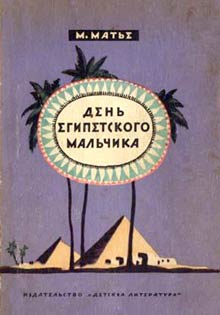
Текст знакомит с биографией и научно‑литературным наследием Милицы Эдвиновны Матье — видного египтолога, долгие годы хранившей древности в Эрмитаже и автора популярных работ по искусству Египта.
Особое место отведено её повестям для детей («День египетского мальчика», «Кари — ученик художника»), где на основе глубоких знаний воссоздан быт, школа и нравы Древнего Египта и через художественные образы переданы гуманистические и педагогические идеи.
В приложении приводится большой фрагмент повести о мальчике Сети — его утро, школьные уроки, приключения и размышления, а также переводы древнеегипетских сказок, гимнов и поучений.
Особое место отведено её повестям для детей («День египетского мальчика», «Кари — ученик художника»), где на основе глубоких знаний воссоздан быт, школа и нравы Древнего Египта и через художественные образы переданы гуманистические и педагогические идеи.
В приложении приводится большой фрагмент повести о мальчике Сети — его утро, школьные уроки, приключения и размышления, а также переводы древнеегипетских сказок, гимнов и поучений.
free
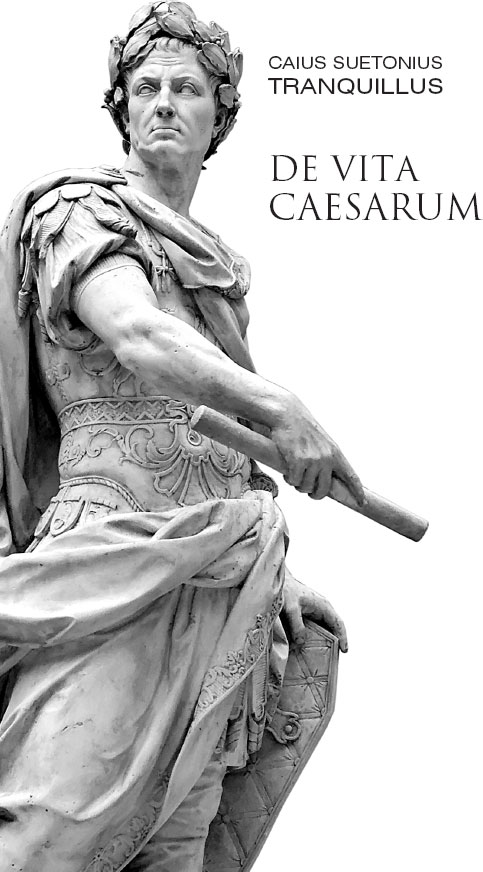
Юлий Цезарь прошел путь от молодого сенатора, пережил плен у пиратов и участие в гражданской войне, установил единоличную власть и реформы, сопровождавшиеся милитаризмом и интригами, что вызвало как возвеличивание, так и ненависть. Императоры, такие как Гальба и Домициан, славились жестокостью, масштабными строительствами и репрессиями, что привело к падению династий. Текст содержит мифологические, археологические и культурные отсылки, отражающие богатство античных традиций.
free
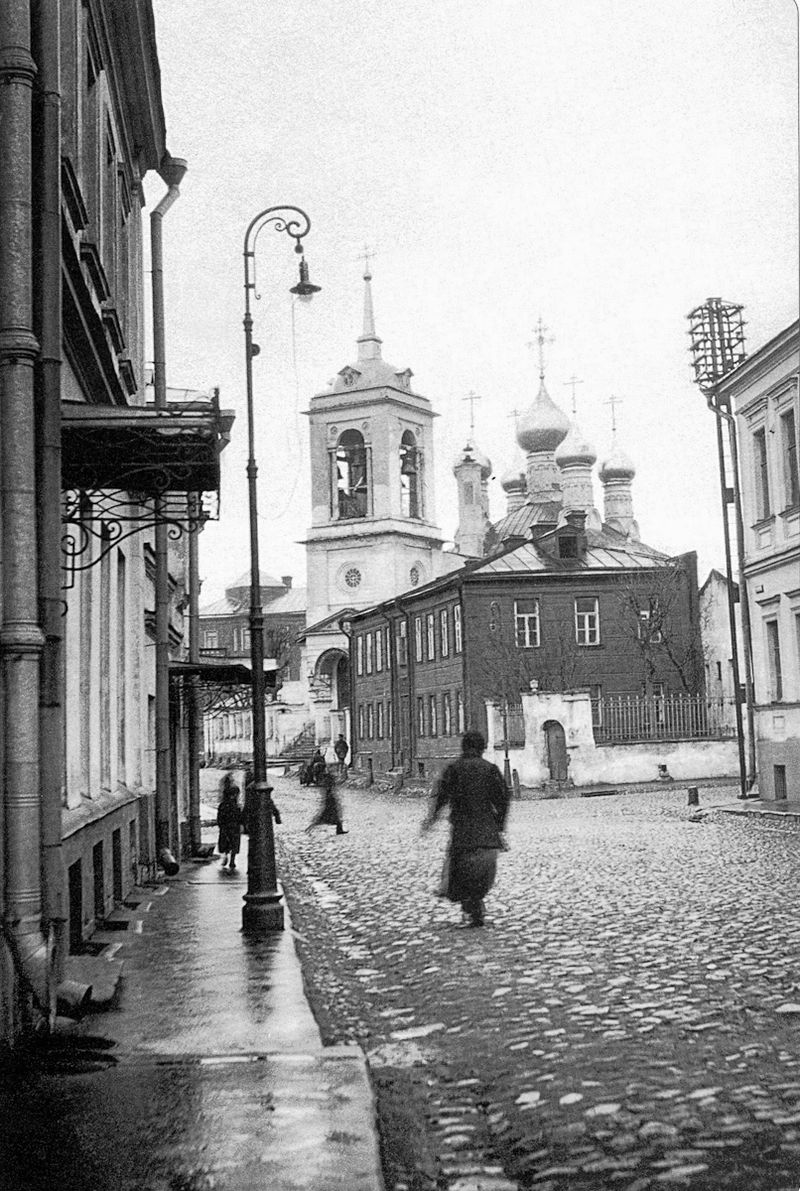
Это своеобразное описание московской культуры и быта XIX–XX веков, включая общественные заведения, торговлю, преступность, и клубную жизнь, окрашенную богатой лексикой и историческими деталями. Автор ведет читателя через различные районы города, раскрывая их особенности, традиционные праздники, легенды и социальные слои, сохранившиеся до революции. В рассказе активно освещаются эпоха, быт и юмористические стороны московской жизни, а также ее исторические образы и легенды.
free