🏷️ Loading tag...
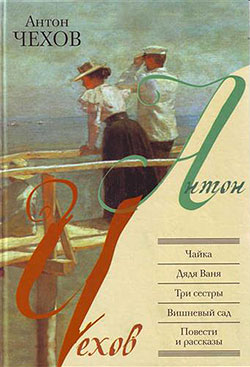
Возвращение помещицы Любови Раневской из Парижа обнажает долговую и управленческую беспомощность семьи: имение с вишнёвым садом выставлено на торги и в итоге куплено купцом Лопахиным. Через бытовые сцены и диалоги раскрываются социальные перемены — упадок помещичьего уклада и подъём буржуазии — и противоречия между поколениями и идеями. Символичным завершением является уход героев и звуки рубки сада, фиксирующие конец прежнего мира.
free
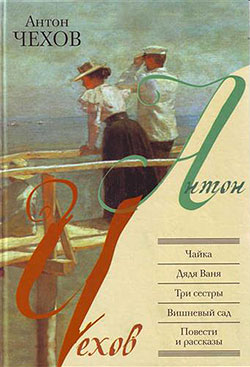
Три сестры Прозоровы — Ольга, Маша и Ирина — живут в провинциальном городе, тяготясь рутиной и тоскуя по Москве, пытаясь найти смысл жизни в работе, любви и семейных обязанностях. Через бытовые сцены, любовные переплетения, упадок брата Андрея и трагическую дуэль (гибель барона) пьеса обнажает конфликт мечты о переменах с тяжёлой, часто бессмысленной обыденностью, оставляя героев с решением жить дальше — трудом и надеждой.
free

Пьеса разворачивается в усадьбе Серебрякова: вокруг стареющего профессора, его молодой жены Елены, дочери Сони, доктора Астрова и обиженного Войницкого накапливаются личные и имущественные конфликты. В центре — безответная любовь Сони к Астрову, отчаяние и зависть дяди Вани, спор о продаже имения и как следствие — нервный срыв Войницкого (попытка убийства/стрельба) и отъезд Елены с Астровым. Финал показывает невозможность простого решения проблем: надежды разбиты, но жизнь продолжается в той же рутине; основная тема — потраченная жизнь и призыв к делу как нравственному оправданию.
free
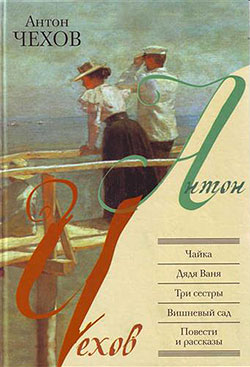
В провинциальной усадьбе разворачивается драма творческих амбиций и межличностных страстей: актриса Ирина Аркадина, её сын-драматург Константин Треплев, молодая Нина Заречная и писатель Тригорин вовлечены в любовные треугольники и споры о театре. Провал спектакля, разочарования и личные поражения разрушают надежды героев и заканчиваются известием о самоубийстве Треплева.
free

Пьеса А. К. Толстого «Дон Жуан» — масштабная философско-психологическая драма о донe Жуане де Маранья: распутство, гордость и сатанинские интриги ведут к убийству Командора и гибели Донны Анны.
Через ряд соблазнов, мистических видений и нравственных испытаний герой переживает внутренний раскол между неверием и прозрением, где любовь предстает как возможное спасение.
Финал — покаяние в монастыре и приближение смерти; пьеса ставит вопросы свободы воли, ответственности и соотношения божественного и демонического.
Через ряд соблазнов, мистических видений и нравственных испытаний герой переживает внутренний раскол между неверием и прозрением, где любовь предстает как возможное спасение.
Финал — покаяние в монастыре и приближение смерти; пьеса ставит вопросы свободы воли, ответственности и соотношения божественного и демонического.
free
Set in a fashionable English seaside hotel, the play follows the Clandons—reformist Mrs. Lanfrey Clandon and her children Gloria, Philip and Dolly—whose quiet expatriate life is disrupted when the local landlord Fergus Crampton is revealed as their estranged husband/father and the household confronts questions of parentage, respectability and custody.
Conflicts over gender, social pretence and romantic responsibility intensify as the penniless dentist Valentine courts Gloria and as solicitor McComas and the interventionist Bohun advise on legal and practical settlements.
Resolution is pragmatic and comic: counsel, concessions and a negotiated reunion lead to engagements and a final festival of dancing that restores a tentative family equilibrium.
Conflicts over gender, social pretence and romantic responsibility intensify as the penniless dentist Valentine courts Gloria and as solicitor McComas and the interventionist Bohun advise on legal and practical settlements.
Resolution is pragmatic and comic: counsel, concessions and a negotiated reunion lead to engagements and a final festival of dancing that restores a tentative family equilibrium.
free
Sir Colenso Ridgeon, famed for an opsonin test, is forced by limited resources into choosing which consumptive patients to treat, amid rival doctors, professional vanity and domestic entreaties.
His decision lets the artist Louis Dubedat be treated by others and die—an outcome tinged by Ridgeon’s jealous motives—exposing conflicts of medical ethics, art’s value, and personal conscience while Jennifer preserves her husband’s fame.
His decision lets the artist Louis Dubedat be treated by others and die—an outcome tinged by Ridgeon’s jealous motives—exposing conflicts of medical ethics, art’s value, and personal conscience while Jennifer preserves her husband’s fame.
free
In 1777 Websterbridge the stern Mrs Dudgeon and her fractious family quarrel over Timothy Dudgeon’s death and a surprising new will. The rebellious, witty Richard—the self‑styled “Devil’s Disciple”—returns, protects his uncle’s illegitimate child Essie and is arrested after assuming the minister’s identity. At the gallows Anderson arrives with a militia safe‑conduct, stopping the execution and exposing sacrifices, loyalty and role‑reversals.
free
Shaw’s preface champions phonetic reform and didactic art, citing phoneticians (especially Henry Sweet) as the inspiration for his scientist-hero.
Pygmalion dramatizes Professor Henry Higgins’s experiment in transforming Eliza Doolittle, a Cockney flower girl, into a socially acceptable “lady,” thereby exposing class prejudice, the social power of speech, and the ethics of scientific intervention in a human life.
After Eliza’s public success she asserts independence (refuses Higgins), ultimately marries Freddy, and the play closes as a commentary on language, class mobility, and personal autonomy.
Pygmalion dramatizes Professor Henry Higgins’s experiment in transforming Eliza Doolittle, a Cockney flower girl, into a socially acceptable “lady,” thereby exposing class prejudice, the social power of speech, and the ethics of scientific intervention in a human life.
After Eliza’s public success she asserts independence (refuses Higgins), ultimately marries Freddy, and the play closes as a commentary on language, class mobility, and personal autonomy.
free
Preface: a clinical critique arguing that breaches of monogamy are common but concealed by sincere hypocrisy, socially inculcated jealousy, and disproportionate penalties; honest, comic depiction of sex on stage would supply needed facts for sound moral hygiene.
Play: in the farce Overruled two married couples' mutual flirtations and confusions produce comic misunderstanding rather than catastrophe, exposing the gap between professed principles and actual conduct.
Play: in the farce Overruled two married couples' mutual flirtations and confusions produce comic misunderstanding rather than catastrophe, exposing the gap between professed principles and actual conduct.
free
Shaw defends Mrs Warren’s Profession and attacks theatrical censorship, arguing the stage must expose social causes of vice rather than pander to sentimental or sensational portrayals.
The play presents Mrs Warren, who rose from poverty by running brothels/hotels, and her daughter Vivie, a Cambridge‑educated woman who rejects both her mother’s trade and gilded offers, choosing independent, honest work.
Shaw indicts social hypocrisy and the compromise of art under censorship, insisting “problem” drama is the proper instrument for moral and political reform.
The play presents Mrs Warren, who rose from poverty by running brothels/hotels, and her daughter Vivie, a Cambridge‑educated woman who rejects both her mother’s trade and gilded offers, choosing independent, honest work.
Shaw indicts social hypocrisy and the compromise of art under censorship, insisting “problem” drama is the proper instrument for moral and political reform.
free
Ann faints after declaring she will marry Jack; the men fuss, Straker and Mendoza insist on fresh air (brandy is rejected), and Ann quickly revives. Tanner, brusque and self-deprecating, insists he is not happy despite the engagement, announces a modest, legally simple wedding and that any gifts will be sold to fund distribution of the Revolutionist's Handbook, provoking universal laughter.
free
Andrew Undershaft, a millionaire maker of arms, returns and reignites a family dispute over money, succession and the Undershaft tradition.
Barbara, a Major in the Salvation Army, is torn when Undershaft’s cheque saves the shelter but compromises its principles, and Professor Cusins—hoping to marry her—accepts a post in the firm.
The drama pits money, power and pragmatic paternalism against religion and conscience: Stephen rejects the business for politics while Lady Britomart recoils and Barbara resolves to work within her father's world.
Barbara, a Major in the Salvation Army, is torn when Undershaft’s cheque saves the shelter but compromises its principles, and Professor Cusins—hoping to marry her—accepts a post in the firm.
The drama pits money, power and pragmatic paternalism against religion and conscience: Stephen rejects the business for politics while Lady Britomart recoils and Barbara resolves to work within her father's world.
free
Preface: Shaw recounts the playlet's composition for Arnold Daly (1905), defends Mrs Warren's Profession against press censorship, and indicts the social and commercial hypocrisy that attacks plays exposing prostitution. Play: a comic drawing-room farce in which a young poet's love-poems to a married woman (Aurora) are found, leading to confrontations, lies and a theatrical confession that ends in reconciliation and the ironic title How He Lied to Her Husband.
free
Preface: Heartbreak House is Shaw’s diagnosis of cultured, leisured Europe—an idle, hypochondriacal class detached from political power whose neglect, false doctrines, and moral vacuity helped precipitate catastrophic war.
The play dramatizes that microcosm through eccentric household figures (Shotover, Hesione, Lady Utterword, Ellie Dunn, Mangan, Hector, Mazzini) whose vanity, hypocrisy and tangled love‑for‑money bargains expose personal and civic bankruptcy.
A nocturnal assault, a bungled burglary and symbolic explosions underscore the fragility of civility and insist that shirking political responsibility yields ruin.
The play dramatizes that microcosm through eccentric household figures (Shotover, Hesione, Lady Utterword, Ellie Dunn, Mangan, Hector, Mazzini) whose vanity, hypocrisy and tangled love‑for‑money bargains expose personal and civic bankruptcy.
A nocturnal assault, a bungled burglary and symbolic explosions underscore the fragility of civility and insist that shirking political responsibility yields ruin.
free
The author explains that Great Catherine is a theatrical farce, not a sober historical portrait, written to showcase actors (especially Miss Gertrude Kingston) and the reciprocal art of playwright and performer.
In the opening scenes the drunken, grotesque Prince Patiomkin parades the English Captain Edstaston before Empress Catherine, whose amused, flirtatious handling of him produces comic misunderstandings, mock‑torture and courtly absurdities.
National manners, jealous lovers and satiric wit culminate in Catherine's capricious favor and a final note of ironic sentiment as she turns back to her museum plans.
In the opening scenes the drunken, grotesque Prince Patiomkin parades the English Captain Edstaston before Empress Catherine, whose amused, flirtatious handling of him produces comic misunderstandings, mock‑torture and courtly absurdities.
National manners, jealous lovers and satiric wit culminate in Catherine's capricious favor and a final note of ironic sentiment as she turns back to her museum plans.
free
A five‑act drama (with prefatory notes) portraying Julius Caesar’s arrival in Egypt, his rescue and political shaping of the young Cleopatra amid palace intrigue, military clashes and assassinations, and his pragmatic, ambiguous exercise of power before departing and arranging Mark Antony’s role. The author’s appended commentary discusses historical anachronisms, sketches principal characters (Cleopatra, Britannus, Caesar) and foregrounds themes of authority, art, progress and the moral paradoxes of greatness.
free
In a north‑east London parsonage the energetic Christian‑Socialist clergyman James Morell, his wife Candida and their household are upset when the shy young poet Eugene Marchbanks falls passionately in love with Candida.
Marchbanks denounces Morell’s preaching as hollow, Morell grows jealous and demands that Candida choose between them.
Candida declares she will give herself to “the weaker of the two”; Morell accepts and Eugene departs, restoring the household though leaving its relations altered.
Marchbanks denounces Morell’s preaching as hollow, Morell grows jealous and demands that Candida choose between them.
Candida declares she will give herself to “the weaker of the two”; Morell accepts and Eugene departs, restoring the household though leaving its relations altered.
free
Shaw’s comic drama follows Androcles, a mild tailor who removes a thorn from a lion and later tames it, alongside a band of Christian prisoners (notably Lavinia, Ferrovius, and the debauched Spintho) paraded for execution in the Roman arena. In the Coliseum Spintho is eaten, Ferrovius—overcome by martial fury—slays several gladiators, and Androcles’ rapport with the lion forces a sudden reversal of imperial attitudes. Shaw frames the episode as allegory and polemic: persecutions serve opportunistic elites, exposing popular cruelty, clerical opportunism and the seductions of militarism.
free
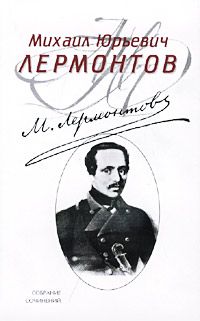
М. Ю. Лермонтов — драма в стихах «Маскарад» (четыре действия) о пороках светского общества 1830-х.
Сюжет сводится к интриге на маскараде: князь Звездич получает от незнакомки браслет, Арбенин, заподозрив измену жены Нины, мстит — её отравляют; позднее выясняется невиновность Нины, Арбенин теряет рассудок.
Пьеса многократно редактировалась и долго преследовалась цензурой (1835–1846), впервые напечатана в 1842 г.; критика и цензурные инстанции спорили о её остром социальном характере.
Сюжет сводится к интриге на маскараде: князь Звездич получает от незнакомки браслет, Арбенин, заподозрив измену жены Нины, мстит — её отравляют; позднее выясняется невиновность Нины, Арбенин теряет рассудок.
Пьеса многократно редактировалась и долго преследовалась цензурой (1835–1846), впервые напечатана в 1842 г.; критика и цензурные инстанции спорили о её остром социальном характере.
free
В преддверии и во время революционных и военных событий 1918–1919 годов в Городе происходят кровавые столкновения, легенды, предзнаменования и серийные трагедии, отражающие хаос и хаосное настроение эпохи. Время наполнено опасностями, предательствами, мистическими снами и разрушениями, но также и надеждой на спасение и возвращение порядка. Множество персонажей сталкиваются с последствиями войн, предательств и личных кризисов, передавая атмосферу страшной и непредсказуемой исторической эпохи в России и Украине.
free