🏷️ Loading tag...
Текст представляет собой воспоминания автора о жизни в деревенском поместье, учебе в гимназии и пансионской жизни с описанием характеров, семейных традиций, строгости отца-барина и трудностей классического образования. Особое внимание уделено конфликтам с одноклассниками и учителями, включая учителя латыни Лиханова, а также исключению Артёмова за защиту товарищей. Автор подробно описывает внутренние конфликты, жестокие методы воспитания и поддержку добрых наставников, в частности врача Ивана Николаевича. В финале повествования говорится об освобождении гимназистов и ожидании новых перемен в жизни.
free

Рассказ раскрывает жизнь русской деревни XIX века через судьбы семьи Степана и её окружения, отражая социальные и культурные реалии, включая борьбу крестьян с помещиками, эпидемии, пожары и судебные процессы. Герои — Алёша, Надя, Лида, Суровцов и другие — переживают сложные личные и общественные конфликты, борьбу за власть, нравственное обновление и противостояние традициям. Особое внимание уделяется внутренним переживаниям, моральным испытаниям и стремлениям к справедливости, а также трагической судьбе крестьян, влияющей на их переселение и возрождение надежд. Через живописные сцены сельской и светской жизни показаны изменения времени и вызовы российского провинциального общества.
free
Книга объединяет отрывочные воспоминания автора о детстве в крепостнической России XIX века и живописные описания народных и монастырских традиций Курской губернии, включая ярмарки, обряды и повседневные приключения, отражающие уклад и нравы той эпохи. В повествовании подробно раскрываются семейные отношения, обычаи богомольцев, вера и взаимодействие человека с природой, лесом и животными. Автор делится наблюдениями о жизни, характере местного общества и значимости религиозных святынь, подчёркивая уникальность и утрату этой эпохи. В целом, книга передаёт атмосферу жизни, традиций и духовного мира людей того времени с чувством ностальгии и уважения к прошлому.
free
В 1803 году по инициативе великого князя Константина Павловича в России был учреждён первый уланский полк — формировавшийся из дивизионов Сумского, Ахтырского, Изюмского и Мариупольского полков, отличавшийся новым австрийским фасоном обмундирования и пристальным шефским надзором по комплектованию и выездке. Полк участвовал в кампаниях 1805–1807 (Аустерлиц, Фридланд), в 1809 получил гвардейский статус и затем в 1812–1814 годах блестяще проявил себя в многочисленных боях, особенно при Красном, Кульме, Соммепюи и Фершампенуазе, за что удостоен наград и трофеев. Тесные отношения с цесаревичем, высокий боевой дух и дисциплина закрепили за лейб‑гвардии уланским полком репутацию одного из лучших подразделений российской гвардии.
free

Малахитов оформляет процесс о разводе, но выясняется, что «супруга» уехала за границу — дело затягивается, Каржоль в панике получает письмо Тамары и срочно уезжает в Москву.
Тамара приезжает в Петербург, обнаруживает, что Каржоль женат на Ольге; в резком столкновении выплывают компрометирующие письма, Ольга отстаивает своё положение и нейтрализует угрозу развода.
В кульминации Ольга предлагает Каржолю выгодную «светскую» сделку — жить у неё как муж при покровительстве, он соглашается; Тамара, освободившись морально, решает уехать в провинцию работать.
Тамара приезжает в Петербург, обнаруживает, что Каржоль женат на Ольге; в резком столкновении выплывают компрометирующие письма, Ольга отстаивает своё положение и нейтрализует угрозу развода.
В кульминации Ольга предлагает Каржолю выгодную «светскую» сделку — жить у неё как муж при покровительстве, он соглашается; Тамара, освободившись морально, решает уехать в провинцию работать.
free

Дневниковые записи Тамары — хроника взросления еврейской девушки: светская жизнь и учеба, душевный перелом после чтения Евангелия, роман с графом Каржолем и решимость принять христианство. На этом фоне разворачиваются семейные трагедии (крах и смерть отца), разоблачения кагальной тирании и погромы в городе; Тамара укрывается в монастыре и по ходатайству игуменьи отправляется в Петербург для крещения.
free

Сборник замечаний и глоссарий воровского и уличного арго с многочисленными пометками переводов (фр., нем., лат., ит.) и объяснениями бытовых и преступных терминов.
Также содержатся очерки о петербургских трущобных домах (дом Дероберти, Вяземский дом), их антисанитарии и мерах полиции и подробное описание мошеннической схемы «маз—ученик».
Также содержатся очерки о петербургских трущобных домах (дом Дероберти, Вяземский дом), их антисанитарии и мерах полиции и подробное описание мошеннической схемы «маз—ученик».
free

Русские части под командой Хвалынцева преследуют и расправляются с повстанческими шайками Робака; в одном бою Хвалынцев захватывает знамя, получает ранение от Цезарины, выдерживает лечение в Гродно, добровольно пишет покаянное признание и, после ареста, предстает перед генерал‑губернатором Муравьевым, который, убедившись в искренности, освобождает его и предлагает службу в крестьянском деле. Муравьев жёстко подавляет мятеж в крае: вводит военное положение, разгоняет и расправляется с руководителями (в т.ч. Калиновским/В. Свиткой), обезоруживает ополяченную верхушку и закладывает основы русских административных и образовательных реформ. На личном плане развивается тема искупления и смены приоритетов у Хвалынцева — от увлечения заговором к сознательному служению возрождению русской жизни и размышлению о неотвратимой «борьбе за существование» между польским и русским началами.
free
Полояров, написавший донос в пьяном дроге, попал под арест, был выпущен и возвратился в коммуну как «политический мученик», взяв там власть в свои руки.
Поручик Анзельм Бейгуш женится на Сусанне, проигрывается в карты, её самоотверженно спасает, но он терзается совестью и, вовлечённый в подпольную «военную» организацию, вынужден скрытно уехать, оставив ей прощальное письмо.
Тем временем Петербург охватили серия крупных пожаров и поджогов, появилось радикальное воззвание «Молодая Россия», что вызвало панику, народные волнения и жёсткие правительственные репрессии.
Поручик Анзельм Бейгуш женится на Сусанне, проигрывается в карты, её самоотверженно спасает, но он терзается совестью и, вовлечённый в подпольную «военную» организацию, вынужден скрытно уехать, оставив ей прощальное письмо.
Тем временем Петербург охватили серия крупных пожаров и поджогов, появилось радикальное воззвание «Молодая Россия», что вызвало панику, народные волнения и жёсткие правительственные репрессии.
free
Рассказ аккумулирует италийские и швейцарские подвиги фельдмаршала А. В. Суворова 1799 г.: блистательные победы и трофеи в Италии, торжественные приёмы и европейское признание. Политические интриги австрийских союзников (Тугута) поставили армию в безвыходное положение в Швейцарии, но через ужасающие переходы через Альпы и ожесточённые бои Суворов сумел спасти войско и честь русского оружия. Возвращение увенчалось наградами и падением здоровья полководца; в 1800 г. он умер, похоронен с общенациональной скорбью.
free
27 июня 1709 г. под Полтавой шведская армия Карла XII при не скоординированной атаке была разгромлена: Меншиков нанес решающий контрудар, взял в плен многих генералов, а остатки войска капитулировали у Переволочны.
Карл, раненый, в сопровождении Мазепы бежал в турецкие владения; Мазепа вскоре умер в изгнании, Пётр почтил пленённых и устроил торжественное погребение павших.
Полтавская победа сломила шведскую экспансию, лишила смысла планы Мазепы и окончательно укрепила русскую власть над Малороссией, повлияв на её дальнейшую административную интеграцию.
Карл, раненый, в сопровождении Мазепы бежал в турецкие владения; Мазепа вскоре умер в изгнании, Пётр почтил пленённых и устроил торжественное погребение павших.
Полтавская победа сломила шведскую экспансию, лишила смысла планы Мазепы и окончательно укрепила русскую власть над Малороссией, повлияв на её дальнейшую административную интеграцию.
free

Хроника Н. И. Костомарова «Кудеяр» повествует о Юрии Кудеяре — разбойнике и ватажке, замышлявшем свержение Ивана Грозного, примкнувшем к Девлет‑Гирею и оказавшемся соучастником разгрома и поджога Москвы; в кульминации герой, узнав о своём происхождении, падает бездыханным.
Автор опирается на легенды и документы, стремясь показать нравственный и политический кризис эпохи и распад личности тирана, но художественно образ Кудеяра остаётся противоречивым и недостаточно раскрытым.
В послесловии даётся биография Костомарова и критическая оценка: хроника ценна источниковостью и бытовыми подробностями, но слабее в психологической разработке главного героя.
Автор опирается на легенды и документы, стремясь показать нравственный и политический кризис эпохи и распад личности тирана, но художественно образ Кудеяра остаётся противоречивым и недостаточно раскрытым.
В послесловии даётся биография Костомарова и критическая оценка: хроника ценна источниковостью и бытовыми подробностями, но слабее в психологической разработке главного героя.
free
Детальный документальный портрет каторжной жизни: жестокие телесные наказания и их исполнители (садисты вроде Жеребятникова и «ласковые» палачи/начальники вроде Смекалова), их психология и разрушительное общественное действие.
Повествование также фиксирует быт госпиталя и казарм — боль, страх, привязанности заключённых, сумасшедших, животных, попытки побегов и судебные последствия.
Завершается рассказ изменением устроения острога и личным исходом автора — расковкой кандалов и болезненным, но освобождающим переосмыслением пережитого.
Повествование также фиксирует быт госпиталя и казарм — боль, страх, привязанности заключённых, сумасшедших, животных, попытки побегов и судебные последствия.
Завершается рассказ изменением устроения острога и личным исходом автора — расковкой кандалов и болезненным, но освобождающим переосмыслением пережитого.
free
Вельчанинов, измученный ипохондрией и тяжбою по имению, втягивается в воспоминания о давней страсти к Наталье Васильевне и узнаёт о её дочери Лизе.
Попытка приютить и спасти ребёнка приводит к острым столкновениям с её отцом Павлом Трусоцким, пьяным выходкам, ночной драке и смерти Лизы от болезни.
Пережив утрату и насилие, Вельчанинов меняется: страшные события ломают его прежнюю праздную жизнь, а в последующие годы он возвращается в мир обновлённым.
Попытка приютить и спасти ребёнка приводит к острым столкновениям с её отцом Павлом Трусоцким, пьяным выходкам, ночной драке и смерти Лизы от болезни.
Пережив утрату и насилие, Вельчанинов меняется: страшные события ломают его прежнюю праздную жизнь, а в последующие годы он возвращается в мир обновлённым.
free
Трагедия разворачивается вокруг любовного треугольника: Наташа, искренняя и страдающая, теряет Алешу — он колеблется между долгом и новой привязанностью к Кате под влиянием коварного князя. Параллельно раскрывается судьба сироты Нелли: её травмированное прошлое, мщение и попытки защитить Наташу приводят к гибели девочки и к глубокой раскаянии старика Ихменева. Князь предстает циничным интриганом, обществу и сердцам грозит нравственная нищета, а рассказчик Иван фиксирует поражение человеческой доброты и горькое осознание утрат.
free
После серии комичных и трогательных эпизодов (с Фалалеем и пьяным Коровкиным) Фома Фомич стал в доме признанным «спасителем» и фактическим властителем, обеспечив свадьбу дяди и Настеньки и вознёсшись на всеобщее почитание. Впоследствии семь лет семейной жизни прошли под его капризами, припадками и деспотизмом; по смерти Фомы семью объединила преданная память о нём, а прочие персонажи разошлись по своим судьбам (Мизинчиков — помещик, Сашенька и Илюша устроены и т.д.).
free
Лужин обвиняет Соню в краже на собрании, но разоблачён Лебезятниковым и отстаивается Раскольников; Соня униженно убегает.
Позже Раскольников признаётся Соне, что убил старуху и её сестру; его мучают сомнения и столкновения с Порфирием и Свидригайловым, и в итоге он сдаётся властям.
В эпилоге он приговорён к каторге в Сибири, Соня следует за ним, Дуня выходит замуж за Разумихина, и через страдание и её верную любовь происходит начало нравственного возрождения Раскольникова.
Позже Раскольников признаётся Соне, что убил старуху и её сестру; его мучают сомнения и столкновения с Порфирием и Свидригайловым, и в итоге он сдаётся властям.
В эпилоге он приговорён к каторге в Сибири, Соня следует за ним, Дуня выходит замуж за Разумихина, и через страдание и её верную любовь происходит начало нравственного возрождения Раскольникова.
free

Подборка коротких помет и реплик (многие отмечены «франц.»/«лат.») — от любовно-провокационных и уничижительных выпадов до денежных просьб, угроз и криков о спасении. Часто повторяются имена и образы: Альфонсина, Ламберт, князь, Версилов, генеральша; встречаются справки о товарах и языке (магазин Андрие, жаргон).
free

В сериях заметок описывается петербургская весна и лето: от робкого пробуждения и прогулок по Невскому до пустеющего летом города, сопровождаемых болезнями, скукой и бытовыми подробностями. Автор режуще критикует светские кружки, пустые разговоры, наивную «добрую» отзывчивость и мечтательную леность, мешающие общественной пользе. Вместе с тем он признаёт Петербург центром современной жизни и прогресса — смесь архитектур, рост науки, литературы и благотворительных инициатив дают надежду на активизацию общественного начала.
free
Рассказчик вспоминает детство, в котором центральную роль сыграл отчим-скрипач Ефимов — талантливый, но саморазрушительный человек, чья гибель и нравственные падения погубили мать и оставили глубокие травмы. Его судьба и последующая спасительная опека княжеской семьи определили дальнейшую жизнь дочери: её тесная привязанность к отцу, ранняя дружба и страстная любовь к княжне Кате и многолетнее воспитание у Александры Михайловны. В шестнадцать лет героиня находит в книге забытое прощальное письмо и вскрывает семейную тайну, что приводит к бурному разоблачению — публичной сцене между супругами и драматическому кризису дома.
free
Записи молодого человека о жизни в курортном Рулетенбурге: светские интриги вокруг генерала, его падчерицы Полины, эффектной m‑lle Blanche, маркиза и застенчивого мистера Астлея. Центр повествования — его навязчивая любовь к Полине и зависимость от рулетки: череда выигрышей и катастрофических проигрышей, семейные скандалы и приезд богатой «бабуленьки». Финал — поездка в Париж с Blanche, растрата состояния и болезненное осознание собственной саморазрушительной страсти.
free

На домашнем приёме князь Лев Мышкин, вспыхнув речью о Павлищеве и судьбе России, в порыве осудил католицизм, вызвал скандал, нечаянно разбил китайскую вазу и рухнул в припадке.
Разгорелся бурный любовный конфликт: Аглая и Настасья Филипповна сцепились в открытой конфронтации, Настасья ушла с Рогожиным, а затем была найдена убитой у него в квартире — Рогожин предстал убийцей, Мышкин оказался рядом и надломлен этим событием.
Рогожин осуждён и сослан, Мышкин, окончательно подорванный пережитым, вывезен под надзором Шнейдера в Швейцарию, а вокруг дела остаётся шок и разнородные судьбы знакомых.
Разгорелся бурный любовный конфликт: Аглая и Настасья Филипповна сцепились в открытой конфронтации, Настасья ушла с Рогожиным, а затем была найдена убитой у него в квартире — Рогожин предстал убийцей, Мышкин оказался рядом и надломлен этим событием.
Рогожин осуждён и сослан, Мышкин, окончательно подорванный пережитым, вывезен под надзором Шнейдера в Швейцарию, а вокруг дела остаётся шок и разнородные судьбы знакомых.
free
Титулярный советник Яков Петрович Голядкин — мелкий, мнительный чиновник — суетливо готовится к светскому дню: примеряется, тратит деньги, наведывается к врачу и старается подтвердить своё положение в обществе. На званом обеде у Олсуфья Ивановича его публично дискредитирует точный двойник: второй Голядкин ловко занимает его место, выставляет его посмешищем и доводит до нервного срыва. В конце сцены, преследуемый позором и внутренним смятением, он попадает под опеку доктора Рутеншпица и увозится — дальнейшая судьба героя остаётся угрожающей.
free
В громком судебном процессе над Дмитрием Карамазовым по делу об убийстве Федора Павловича демонстрируются подробные свидетельства, медицинские экспертизы и бурные эмоции: защитник Фетюкович старается развеять улики, но решающую роль играет найденное письмо Мити и показания Катерины Ивановны. Несмотря на пламенную защиту и сомнения части публики, присяжные признают Дмитрия виновным — зал взрывается и раздирается на сторонников и противников приговора. В эпилоге Алеша и Катя пытаются спасти Митю, а трогательные похороны Илюши объединяют детей и дают повод к памяти и нравственным размышлениям.
free
Пётр Степанович организует в Скворешниках ловлю и убийство Шатова, труп топят, он же диктует Кириллову подложную «признательную» записку — и Кириллов кончает жизнь самоубийством.
Степан Трофимович, встретивший Софью Матвеевну и переживший истерико‑религиозный припадок, вскоре умирает, Варвара Петровна берёт Софью под опеку.
Расследование вскрывает тайную сеть: в панике Лямшин всё выдаёт, следуют аресты и общественный скандал; в финале Ставрогин шлёт Дарье Павловне письмо с предложением уехать в кантон Ури.
Степан Трофимович, встретивший Софью Матвеевну и переживший истерико‑религиозный припадок, вскоре умирает, Варвара Петровна берёт Софью под опеку.
Расследование вскрывает тайную сеть: в панике Лямшин всё выдаёт, следуют аресты и общественный скандал; в финале Ставрогин шлёт Дарье Павловне письмо с предложением уехать в кантон Ури.
free

Эпистолярная хроника — переписка бедного, добродушного чиновника Макара Девушкина и Варвары Доброселовой, вперемежку с её подробными воспоминаниями о детстве, службе и петербургской нищете.
Через бытовые подробности, литературные споры и интимные признания раскрываются темы любви, долга и социальной несправедливости; в финале Варвара выходит за господина Быкова, а Макар остаётся преданно любящим и морально униженным.
Через бытовые подробности, литературные споры и интимные признания раскрываются темы любви, долга и социальной несправедливости; в финале Варвара выходит за господина Быкова, а Макар остаётся преданно любящим и морально униженным.
free

После смерти матери Лена привезена в Петербург к дяде Иконину, где терпит презрение, насмешки и несправедливые обвинения со стороны тёти, гувернантки и двоюродных детей как в доме, так и в гимназии. Она находит друзей — кондуктора Никифора, Нюрочку, Толю и особенно графиню Анну; пережив опасное заблудение в метели и чудесное спасение, Лена отказывается уехать с Анной и остаётся, чтобы помогать своей новой семье.
free

Действие романа разворачивается на границе в эпоху воцарения Михаила Фёдоровича: столкновения стрельцов и шляхты, набеги панцерников и разбойников создают напряжённый историко-приключенческий фон. Князь Степан Серебряный предпринимает рискованные вылазки и хитрости, чтобы выручить похищенную дворянку Варвару Васильчикову из дома пана Колонтая; в ходе штурмов, засад и дуэлей раскрываются предательства и местничьи страсти. В финале после боя с Жеготой и переправы Варвара получает смертельное ранение и умирает, а князь переживает кровопролитие и личную трагедию.
free

Цикл писем и эпизодов связывает светские сцены Петербурга и морские хроники вокруг трагической связи капитана-лейтенанта Ильи Правина и княгини Веры.
Ревность, дуэль и опрометчивый выход на берег в шторм приводят к повреждению фрегата «Надежда», гибели людей и глубокой нравственной катастрофе героя.
Повесть противопоставляет долг и служение страсти, обличая пустоту столичного общества и цену личной слабости.
Ревность, дуэль и опрометчивый выход на берег в шторм приводят к повреждению фрегата «Надежда», гибели людей и глубокой нравственной катастрофе героя.
Повесть противопоставляет долг и служение страсти, обличая пустоту столичного общества и цену личной слабости.
free
Автор предисловия называет «Четвёртую симфонию» прежде всего структурным экспериментом: повторяющиеся тематические лейтмотивы (две группы тем, трёхчленное развитие темы II) служат разложению мистических переживаний на конструктивные элементы, и потому произведение колеблется между художественным текстом и документом состояния души. В четырёх частях («Снежная лапа», «Сквозные лики», «Волнения страсти», «Гробная лазурь») через мотив метели и переплетение светских и церковных образов разворачиваются городские и сельские сцены, любовные и религиозные искания, столкновения мистиков, дуэли, смерть и возрождение. Для надлежащего понимания символики автор настаивает на внимательном, многократном чтении с изучением тематической структуры.
free

Лирически-мистическая первая часть рисует ребенка у моря и его встречи с таинственным стариком — хранителем космических ритмов, где повторяются образы звёзд, змей, страдания и венчания.
Во второй и третьей частях магистрант Хандриков, раздираемый видениями, научными и личными конфликтами, попадает в опеку доктора Орлова, в санатории проходит через внутреннее очищение и, перейдя грань реального, возвращается к детским звёздным образам в завершении цикла.
Во второй и третьей частях магистрант Хандриков, раздираемый видениями, научными и личными конфликтами, попадает в опеку доктора Орлова, в санатории проходит через внутреннее очищение и, перейдя грань реального, возвращается к детским звёздным образам в завершении цикла.
free
Произведение заявлено как единая «симфония» — музыкально структурированная по частям — одновременно сатирическая (на крайности мистицизма) и идейно‑символическая.
Через галерею московских сцен и типов (философ, Поповский, демократ, «сказка», мистики, пророки, Мусатов и др.) показываются всеобщая скука, духовный кризис и нарастающие мистико‑апокалиптические ожидания.
Цикличность мотивов, повторения и зеркальные сцены усиливают символику Вечности и неизбежности исторических перемен.
Через галерею московских сцен и типов (философ, Поповский, демократ, «сказка», мистики, пророки, Мусатов и др.) показываются всеобщая скука, духовный кризис и нарастающие мистико‑апокалиптические ожидания.
Цикличность мотивов, повторения и зеркальные сцены усиливают символику Вечности и неизбежности исторических перемен.
free

Поэтическое аллегорическое повествование, объединяющее сновидческие мотивы (гиганты, кентавры, черный лебедь, колосс Риза) и сюжет о царской семье: умирающем короле, его бежавшем сыне и выросшей на башне королевне.
В центре — конфликт света и тьмы: дворецкий и сатанинские шабаши втягивают молодого рыцаря в безумие, тогда как королевна, посвятившая себя Вечности, противостоит мраку и исцеляет страну.
Финал — трансцендентный: мрачные силы уходят, спасённый рыцарь исчезает, а королевна возносится в мирное, озёрное блаженство, и туманные великаны тают в забвении.
В центре — конфликт света и тьмы: дворецкий и сатанинские шабаши втягивают молодого рыцаря в безумие, тогда как королевна, посвятившая себя Вечности, противостоит мраку и исцеляет страну.
Финал — трансцендентный: мрачные силы уходят, спасённый рыцарь исчезает, а королевна возносится в мирное, озёрное блаженство, и туманные великаны тают в забвении.
free

Сборный фрагмент рисует сначала сатирический портрет чудаковатого барона Павла Павловича Тодрабе‑Граабена и его фамильных причуд. Главная новелла «Сладостный огонь» показывает провинциальную интригу: Петp Дарьяльский увлекается Матреной, попадает под духовно‑эротическое и оккультное влияние столяра Митрия Кудеярова и вовлекается в мистические обряды и любовно‑социальные конфликты. Действие кончается общественным волнением (пожар, подозрения) и трагичным крахом героя, подчёркивая столкновение народного мистицизма, сексуальной одержимости и разрушительных социальных сил.
free
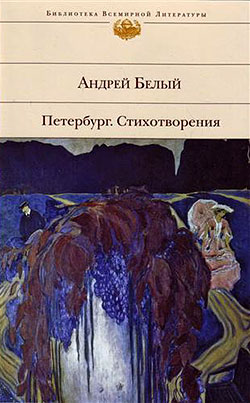
Рассказ показывает разложение чиновной, бумажной власти во главе с сенатором Аполлоном Аблеуховым и её разрушительное влияние на семью и общество.
Семейный скандал вокруг сына Николая (домино, подозрения и сардинница‑бомба) ведёт к публичному падению, нервному срыву сына и взрыву в учреждении.
Итог — отставка, духовное разрушение и уход героев в уединение и забвение.
Семейный скандал вокруг сына Николая (домино, подозрения и сардинница‑бомба) ведёт к публичному падению, нервному срыву сына и взрыву в учреждении.
Итог — отставка, духовное разрушение и уход героев в уединение и забвение.
free

Многофигурный фрагмент описывает переплетение личных драм (Серафима, профессор, Лизаша, братья Коробкины) и научно‑политических интриг («открытие», Домардэн/Мандро, шпионы), где любовь, честь и жадность вступают в жестокие столкновения.
Через серию салонных сцен, больничных видений и уличных столкновений нарастает насилие: кражи, подставы, массовые волнения и взрыв завершают нарастающую катастрофу.
Стиль фрагмента фрагментарен и метафоричен — смесь фарса и трагедии, в которой личное и общественное взаимно разрушают друг друга.
Через серию салонных сцен, больничных видений и уличных столкновений нарастает насилие: кражи, подставы, массовые волнения и взрыв завершают нарастающую катастрофу.
Стиль фрагмента фрагментарен и метафоричен — смесь фарса и трагедии, в которой личное и общественное взаимно разрушают друг друга.
free

Фрагмент — часть первого тома романа «Москва»: авторская вводная концепция трилогии и масштабная панорама столичной жизни — от салонного декаданса и семейных бытовых сцен до рабочих кварталов и уличной толпы.
Нарастает конфликт: моральное разложение, интриги фон‑Мандро, кражи и насилие приводят к сумасшествию, арестам и общественному потрясению.
Текст сочетает символические видения и натуралистическую деталь, показывая распад дореволюционных устоев и приближение социального катаклизма.
Нарастает конфликт: моральное разложение, интриги фон‑Мандро, кражи и насилие приводят к сумасшествию, арестам и общественному потрясению.
Текст сочетает символические видения и натуралистическую деталь, показывая распад дореволюционных устоев и приближение социального катаклизма.
free

Роман «Москва» наполовину исторический: первая часть — сатирическое изображение дореволюционного быта и столкновения свободной, «рациональной» науки (профессор И. И. Коробкин) с буржуазным строем.
Глава первая подробным, иногда гротескным образом показывает один день профессора — бытовые сцены (муха, пес Том, семья, лекции, падение на Моховой), знакомит с сыном Митей, соседями и пестрящей жизнью Москвы.
Параллельно развивается сюжет «Дома Мандро»: светский салон, спекуляции Эдуарда Мандро, подростковая Лизаша, кражи томов и признаки общественного разложения.
Глава первая подробным, иногда гротескным образом показывает один день профессора — бытовые сцены (муха, пес Том, семья, лекции, падение на Моховой), знакомит с сыном Митей, соседями и пестрящей жизнью Москвы.
Параллельно развивается сюжет «Дома Мандро»: светский салон, спекуляции Эдуарда Мандро, подростковая Лизаша, кражи томов и признаки общественного разложения.
free

Дневниковые заметки графа Валерия Гичовского переплетают славянские и тибетские легенды о Жар‑Цвете с семейной преданьей о Зосе Здановке: в парке находят обломки мраморной статуи, явления розовой дамы и растущая одержимость героя её воскрешением.
Вместе с доктором Паклевецким он ищет чудодейственный папоротник, в ночь его цветения пытается сорвать цветок, терпит мистический крах — цветок ускользает, происходят галлюцинации и насилие.
Итог — психический надлом и болезнь Валерия; в прилагаемом письме викарий докладывает о припадке, ранениях доктора и намерении устроить лечение и сопровождение Ольгусей.
Вместе с доктором Паклевецким он ищет чудодейственный папоротник, в ночь его цветения пытается сорвать цветок, терпит мистический крах — цветок ускользает, происходят галлюцинации и насилие.
Итог — психический надлом и болезнь Валерия; в прилагаемом письме викарий докладывает о припадке, ранениях доктора и намерении устроить лечение и сопровождение Ольгусей.
free

После случайной гибели Ульяны Тимофей по совету Потапа инсценирует похороны и подставляет ссыльную Лизу Басову, выдавая её по паспорту за покойную, чтобы снять с себя подозрения.
Путешествие «супругов» оборачивается чередой бытовых и нравственных испытаний — свадебные оргии, пьянство, надругательство и потеря ладанки с политической запиской, которую Тимофей сжигает.
Лиза морально сломлена и боится возвращения, Тимофей предлагает начать торговое дело; их судьба остаётся неясной, а в уездном городе доктор В‑ский случайно встречает Лизу.
Путешествие «супругов» оборачивается чередой бытовых и нравственных испытаний — свадебные оргии, пьянство, надругательство и потеря ладанки с политической запиской, которую Тимофей сжигает.
Лиза морально сломлена и боится возвращения, Тимофей предлагает начать торговое дело; их судьба остаётся неясной, а в уездном городе доктор В‑ский случайно встречает Лизу.
free

В очерке показано, что Петербург стал главным рынком и узловым пунктом контрабанды парижской моды: дорогие товары провозят открыто, прикрывая их якобы семейными подарками и пользойясь преференциями знатных путешественниц, чтобы избежать таможенных пошлин. Через конкретные эпизоды — история наивной покупательницы, обманутой «мадам Дюран», и жизнь Дины‑контрабандистки, терпящей насилие, мошенничество и постоянные риски — автор иллюстрирует социальные механизмы, экономическую мотивацию и моральную двойственность этого бизнеса. Отдельно отмечается распространение поддельной «контрабанды» (фальсифицированное вино, легенды о дворцовых подарках) как обычной коммерческой практики.
free
Людмила Александровна, когда‑то имевшая роман с Андреем Ревизановым, подверглась его шантажу — он потребовал от неё любви в обмен на компрометирующие письма, и в столкновении при этой последней встрече она убила его. Поглощённая виной, страхом разоблачения и распадом семейного равновесия, она скрывает преступление, открывается только другу Аркадию Сердецкому, уезжает за границу и вскоре умирает в Италии.
free
Ночные рейды князя Никиты Серебряного и разбойников — дерзкая атака на татарский стан с поджогом степи, побратимством и гибелью Максима — сменяются торжеством и похоронами.
Дворовые интриги и суды при Иване Грозном: Басманов, Вяземский и Морозов вовлечены в доносы, поединки и публичные казни в рамках опричнины, показательно высвечивающие жестокость власти.
Впоследствии опричнина распадается, а на фоне исторических перемен возникает завоевание Сибири Ермаком; автор рефлексирует о нравственной цене тирании и храбрости честных людей.
Дворовые интриги и суды при Иване Грозном: Басманов, Вяземский и Морозов вовлечены в доносы, поединки и публичные казни в рамках опричнины, показательно высвечивающие жестокость власти.
Впоследствии опричнина распадается, а на фоне исторических перемен возникает завоевание Сибири Ермаком; автор рефлексирует о нравственной цене тирании и храбрости честных людей.
free
Kitty tells her father she is pregnant, confesses past faults and insists on having a daughter she will raise to be free, independent and fearless, which shocks him. She resolves to accept the past with hope, recalling a consoling sunrise on the journey with Walter that suggests a peaceful path ahead. The passage is followed by a glossary of difficult words and idioms.
free
Julia Lambert, a celebrated actress, faces a painful confrontation with her son Roger, who denounces her life as endless make‑believe and demands "reality." She channels the episode into her work—deliberately upstaging Avice Crichton at rehearsal and triumphant on opening night—while juggling fraught relations with Michael, Tom and Charles. Afterward she retreats alone, celebrates her success and reaffirms that acting, not everyday sincerity, is her authentic realm.
free
In Victorian Vere Street a spirited working‑class girl, Liza Kemp, delights and provokes her neighbours — parading a new dress, refusing the shy suitor Tom and taking up with the married Jim Blakeston. Their affair brings gossip, humiliation, a savage public fight with Mrs. Blakeston, mounting drunkenness and social ostracism. Pregnant and fevered after a disastrous labour, Liza dies, the household and neighbourhood left to reckon with the tragedy.
free
A brutal account of the Chicago Commune: street‑and sky‑scraping warfare—bombs, machine‑guns and incendiary balloons—amid a howling, vengeful "people of the abyss" produced appalling carnage and scenes of panic and massacre.
The revolt was ultimately crushed: comrades isolated and slain, fortresses blown, leaders executed or hunted, the Iron Heel tightened its repression, and desperate, disorganized terrorist bands sprang up even as surviving revolutionaries strove to reorganize.
The revolt was ultimately crushed: comrades isolated and slain, fortresses blown, leaders executed or hunted, the Iron Heel tightened its repression, and desperate, disorganized terrorist bands sprang up even as surviving revolutionaries strove to reorganize.
free

In a mysterious valley the Lady Who Dreams rules with a prophetic mirror, compels Francis into a ritual marriage, and provokes jealousies, thefts and the death of Torres amid a scramble for an immense Maya jewel-trove. The Queen and the Solanos bring the treasure to New York as Francis faces a devastating bear raid engineered by Regan, while secret visions and revelations — including that Leoncia and Henry are siblings — reshape tragic and romantic entanglements. Backed by the recovered gems and allies, Francis is saved from financial ruin and rushes to confront the woman at the center of his divided heart.
free
A sensational divorce trial produces contradictory testimony; the jury finds Lady Corven and James Croom guilty of adultery, awards no damages, and the legal costs are afterwards quietly settled.
Tony Croom is devastated then recovers; Clare resumes a liaison with him while Dinny, after wrestling with her past, accepts Eustace Dornford’s steady devotion.
Dinny and Dornford become engaged and marry, and the family reflects on duty, continuity and preserving the old social order.
Tony Croom is devastated then recovers; Clare resumes a liaison with him while Dinny, after wrestling with her past, accepts Eustace Dornford’s steady devotion.
Dinny and Dornford become engaged and marry, and the family reflects on duty, continuity and preserving the old social order.
free
Wilfrid Desert, physically ruined and despairing, resolves to leave England for the East, sends farewell letters and his dog Foch to Dinny.
Dinny is shattered—she weeps alone, receives the dog and the news, and her family rallies with sympathy while agreeing, awkwardly, to treat the affair as if it never happened.
She quietly gives her father money to save Condaford and wanders the fields and night skies to steady herself as Wilfrid slips away toward Siam.
Dinny is shattered—she weeps alone, receives the dog and the news, and her family rallies with sympathy while agreeing, awkwardly, to treat the affair as if it never happened.
She quietly gives her father money to save Condaford and wanders the fields and night skies to steady herself as Wilfrid slips away toward Siam.
free
Captain Ferse is found dead in a chalk pit and, after an inquest Dinny and her family quietly manage, the verdict of death from misadventure spares scandal while they suppress awkward details.
Meanwhile Hubert is committed for extradition on a Bolivian charge, provoking Jean, Alan and Dinny into desperate schemes (Jean flying to Brussels, Dinny pawning an emerald) and a publicity-and-politics stratagem—printing Hubert’s diary and Bobbie Ferrar’s intervention—wins the Home Secretary’s consent to release him.
Meanwhile Hubert is committed for extradition on a Bolivian charge, provoking Jean, Alan and Dinny into desperate schemes (Jean flying to Brussels, Dinny pawning an emerald) and a publicity-and-politics stratagem—printing Hubert’s diary and Bobbie Ferrar’s intervention—wins the Home Secretary’s consent to release him.
free
Fleur engineers meetings with Jon and wins a passionate moment in the coppice, but Jon refuses to live in secrecy, tells Anne (who is expecting), and breaks with Fleur.
Distraught, Fleur’s recklessness leads to a gallery fire—Soames rushes in, saves many pictures but is struck by a falling frame and fatally injured.
Soames dies; Fleur, remorseful, keeps vigil while Michael undertakes to protect her and the family’s affairs.
Distraught, Fleur’s recklessness leads to a gallery fire—Soames rushes in, saves many pictures but is struck by a falling frame and fatally injured.
Soames dies; Fleur, remorseful, keeps vigil while Michael undertakes to protect her and the family’s affairs.
free
Soames Forsyte tours Washington with his daughter and son-in-law, is disturbed on recognizing Jon Forsyte and fearing an encounter with Irene, and schemes to keep Fleur from being upset. He later sees Irene playing the piano in his hotel, is powerfully stirred by memory and his own ageing, then returns to his family, pretends to recover, and falls asleep.
free
In a sensational libel trial Marjorie Ferrar is relentlessly cross‑examined about her morals, refuses to answer questions about a past liaison, and the case becomes a public scandal. The fallout upends reputations: Marjorie breaks off her engagement, faces debts and—after promising her marquess grandfather to reform—considers the stage or emigration. Fleur and Michael are socially shunned; Fleur insists on escape, Soames undertakes to take her round the world, and Michael resolves to stay in Parliament, watching her depart.
free
Elderson’s confession and flight over secret commissions precipitate a stormy shareholders’ meeting: Soames insists on disclosure, is assailed by the meeting and, refusing to “sing small,” resigns in anger and mortification. Michael uncovers Victorine’s modelling, calms the jealous Bicket, helps secure Fleur’s post‑nuptial settlement, and watches Fleur give birth to a son. The household steadies—Soames and Michael, reconciled in anxiety and relief, rehang the haunting white‑monkey picture.
free
Convalescent Englishman Jon Forsyte, staying in Camden, South Carolina in 1924, meets Anne Wilmot at a picnic following a brief conversation about a lynching. Lost together in the pine woods, they shelter by an Indian mound, share confidences and growing intimacy. Jon then visits the Wilmot home, spends idyllic days with Anne, and on the last evening finally kisses her.
free
Irene's past—an unhappy marriage to Soames and a fatal affair—comes to light in Jolyon's confession and divides loyalties when Jon falls for Fleur, Soames's daughter.
Jolyon dies; Jon, persuaded by his parents' history, relinquishes Fleur and leaves with his mother, while Fleur marries Michael Mont.
Timothy's unexpected will and the funerals frame Soames's austere reflections on possession, class change and the waning Forsyte creed of private ownership.
Jolyon dies; Jon, persuaded by his parents' history, relinquishes Fleur and leaves with his mother, while Fleur marries Michael Mont.
Timothy's unexpected will and the funerals frame Soames's austere reflections on possession, class change and the waning Forsyte creed of private ownership.
free
Jolyon Forsyte’s growing intimacy with Irene in Paris remains unconsummated and is rendered irrevocable by his son’s enlistment and death.
Parallel domestic crises—Dartie v. Dartie, Val Dartie’s impulsive engagement and enlistment, and Winifred’s legal and financial manoeuvres—disrupt the family equilibrium.
Soames pursues legal redress and remarries (Annette), while the Forsytes endure births, funerals and social shifts that expose tensions between possessive propriety and a changing age.
Parallel domestic crises—Dartie v. Dartie, Val Dartie’s impulsive engagement and enlistment, and Winifred’s legal and financial manoeuvres—disrupt the family equilibrium.
Soames pursues legal redress and remarries (Annette), while the Forsytes endure births, funerals and social shifts that expose tensions between possessive propriety and a changing age.
free
Irene’s growing intimacy with the architect Philip Bosinney provokes Soames Forsyte’s jealousy, a legal quarrel over the cost of Robin Hill, and—after Bosinney’s absence from his defence—Bosinney’s subsequent death (accident or possible suicide), which deepens the family scandal. Irene flees and later returns; Soames alternates between fury, shame and possessiveness, while old Jolyon, stirred to protect his grandchildren and unsettle the Forsyte order, alters his will and contemplates acquiring Robin Hill.
free
Tom Tringle, frantic over Ayala, strikes Colonel Stubbs in the street and is rescued from the police by Stubbs, whereupon his father sends him abroad. Ayala, after wavering, is courted into accepting Colonel Jonathan Stubbs at Stalham (while Gertrude marries Captain Batsby, Lucy marries Isadore Hamel, and Imogene marries Frank Houston). The tale closes with Ayala and Stubbs wed and Tom departing on his long tour.
free
Mr Whittlestaff takes the orphaned Mary Lawrie into his home, falls in love and obtains her promise, but her former sweetheart John Gordon returns from the Kimberley diamond-fields wealthy and presses his claim.
After long agonies of duty and pride—amid household intrigues (Mrs Baggett and Sergeant Baggett) and side- romances (Montagu Blake and Kattie Forrester)—Whittlestaff nobly yields Mary to Gordon, who marries her, while Whittlestaff and Mrs Baggett settle their fates at Croker's Hall.
After long agonies of duty and pride—amid household intrigues (Mrs Baggett and Sergeant Baggett) and side- romances (Montagu Blake and Kattie Forrester)—Whittlestaff nobly yields Mary to Gordon, who marries her, while Whittlestaff and Mrs Baggett settle their fates at Croker's Hall.
free
Fred Neville, heir (and then Earl) of Scroope, falls in love with Kate O'Hara, an Irish girl of doubtful parentage; torn between his family’s duty and his promise to Kate, he vows not to make her Countess and seeks compromises. When he returns resolved to refuse the marriage, Mrs O'Hara, in a fury of vengeance, thrusts him from the Cliffs of Moher; she is declared mad and confined, Kate is ruined and removed, and the Scroope household is left shattered.
free
Satirical narrative in which a privileged narrator, after seeing a German film and being beaten by a mob, is drawn into the orbit of a charismatic healer called Carpenter whose public miracles, denunciations of capitalism and dealings with movie magnates, labor organizers and sensationalist press turn into a vast spectacle of exploitation, mob violence and staged publicity.
Through comic‑ironic episodes (studio stunts, hired mobs, a Ku Klux‑style masquerade) the book indicts consumerist, clerical and capitalist hypocrisies, casting Carpenter as a Christ‑like figure whose fate is presented as both parable and provocation (the appendix even maps episodes onto Gospel passages).
Through comic‑ironic episodes (studio stunts, hired mobs, a Ku Klux‑style masquerade) the book indicts consumerist, clerical and capitalist hypocrisies, casting Carpenter as a Christ‑like figure whose fate is presented as both parable and provocation (the appendix even maps episodes onto Gospel passages).
free
Lucy Dupree, a young Southern widow, comes to New York and is drawn into the social and financial circles of Stanley Ryder and other magnates while Allan Montague befriends and advises her.
Ryder and John S. Price, covertly aided by Dan Waterman, seize control of the Northern Mississippi Railroad and plot self-dealing; Montague resists, exposes their schemes, and the conflict escalates into a manufactured banking panic.
The crash ruins many—Ryder is destroyed and dies, Lucy vanishes—leaving Montague disillusioned and resolved to oppose the corrupt financial oligarchy.
Ryder and John S. Price, covertly aided by Dan Waterman, seize control of the Northern Mississippi Railroad and plot self-dealing; Montague resists, exposes their schemes, and the conflict escalates into a manufactured banking panic.
The crash ruins many—Ryder is destroyed and dies, Lucy vanishes—leaving Montague disillusioned and resolved to oppose the corrupt financial oligarchy.
free
Impoverished writer Thyrsis and his wife Corydon endure domestic drudgery, visits from dilettante critics, and Thyrsis’ conversion to Socialism while he plans a sweeping economic critique of art.
Corydon’s illness and emotional entanglements (with Harry Stuart and Rev. Harding) violently test their marriage, prompting Thyrsis to offer to renounce her for her welfare.
After failures with servants, farming, and a disappointing novel, they persist amid suffering as Thyrsis resolves to assail the leisure-class and defend the dispossessed.
Corydon’s illness and emotional entanglements (with Harry Stuart and Rev. Harding) violently test their marriage, prompting Thyrsis to offer to renounce her for her welfare.
After failures with servants, farming, and a disappointing novel, they persist amid suffering as Thyrsis resolves to assail the leisure-class and defend the dispossessed.
free
Helen Davis, after remorse for a past wrong, is won by David Howard’s devoted love; they marry and attempt a life of art, duty and mutual moral striving in a remote mountain home.
David’s buried sin—his abandoned lover Mary—and her death, together with the revelation that Arthur is David’s son, precipitate David’s torment and a final visionary reconciliation before his death; Helen survives, pledged to sustain the spiritual-artistic purpose he bequeathed.
David’s buried sin—his abandoned lover Mary—and her death, together with the revelation that Arthur is David’s son, precipitate David’s torment and a final visionary reconciliation before his death; Helen survives, pledged to sustain the spiritual-artistic purpose he bequeathed.
free
Hal Warner, posing as miner “Joe Smith,” exposes the General Fuel Company’s brutality, is hunted and jailed, and forces Percy Harrigan to open the sealed mine to save entombed workers.
His action sparks a grassroots union strike led by Mary Burke that is met with company violence and the kidnapping of leaders, and though national officials counsel caution the camp’s organisation survives.
Sinclair’s postscript insists the novel reflects real coal‑camp abuses, backed by extensive investigations and a Colorado Supreme Court decision condemning corporate control of election precincts.
His action sparks a grassroots union strike led by Mary Burke that is met with company violence and the kidnapping of leaders, and though national officials counsel caution the camp’s organisation survives.
Sinclair’s postscript insists the novel reflects real coal‑camp abuses, backed by extensive investigations and a Colorado Supreme Court decision condemning corporate control of election precincts.
free
A realist episode follows Bunny Ross and his circle as they witness the ecological and social wreckage of rapacious oil speculation, the brutal suppression of labor organizing, and the ubiquity of media and political propaganda in a Californian port town. A mob raid gravely injures Paul Watkins; his hospital delirium, death, and the competing claims of radicals, clerics, and broadcasters dramatize class conflict and the instrumentalization of truth. Paul’s and then Ruth’s deaths close the section as a stark indictment of capitalist violence and dispossession.
free
Thoreau describes daily life at Walden Pond: vivid natural observations (birds, loons, ants’ battle), building and wintering in a simple cabin, and the pond’s seasonal changes. From these particulars he draws philosophical reflections on solitude, simplicity, self-reliance, and the need to "explore thyself." He argues that a deliberate, modest life in Nature reveals deeper truths than social ambition or worldly travel.
free
A travelogue of a canoe expedition through the swampy Allegash and Penobscot headwaters: the party, guided by an Indian named Polis, endures fallen timber, carries, rapids, insects, storms and a temporary loss of a companion before reuniting at campsites on successive lakes.
Detailed natural-history observations accompany the narrative—botanical lists, bird and mammal sightings, indigenous place-names and practical woodcraft—set against frequent descriptions of dams and logging operations that have flooded shores and strewn dead timber.
The account balances admiration for the wild scenery and native expertise with a pointed critique of lumbermen’s destructive impact on the forest.
Detailed natural-history observations accompany the narrative—botanical lists, bird and mammal sightings, indigenous place-names and practical woodcraft—set against frequent descriptions of dams and logging operations that have flooded shores and strewn dead timber.
The account balances admiration for the wild scenery and native expertise with a pointed critique of lumbermen’s destructive impact on the forest.
free
Survey of Cape Cod: examines competing discovery claims (Norse sagas, Basque/French reports, Gosnold) and records the Pilgrims’ 1620 landing.
Contrasts early reports of wooded, fertile shore with the author's observation of a largely sandy, windswept Cape, and documents Provincetown’s harbor, fishing life, wrecks, and the history of Minot’s Ledge lighthouse.
Characterizes the Cape’s long uninterrupted beach, maritime economy and local customs, and recommends autumn as the best season to visit.
Contrasts early reports of wooded, fertile shore with the author's observation of a largely sandy, windswept Cape, and documents Provincetown’s harbor, fishing life, wrecks, and the history of Minot’s Ledge lighthouse.
Characterizes the Cape’s long uninterrupted beach, maritime economy and local customs, and recommends autumn as the best season to visit.
free
The speaker defends Captain John Brown as a sober, religiously motivated, and heroic opponent of slavery—whose deeds in Kansas and at Harpers Ferry sprang from conscience, not madness—and praises his moral courage, Spartan character, and humane discipline. He denounces newspapers, politicians, and the government as hypocritical supporters of tyranny, arguing Brown’s fate will expose that injustice and seed a moral revival that will outlast his death.
free
Hardy records, with ethnographic nostalgia, the vanished west‑gallery choir tradition and the social loss caused by replacing communal string bands with single organists.
The plot traces village life through seasonal episodes—the Dewy family choir, the schoolmistress Fancy Day, rival suitors (Shiner and the vicar Maybold), and disputes over church music—framing a courtship tested by class, ambition, and local customs.
Through carols, parties, and a wedding, the novel stages rural social change and its effects on community, art, and private loyalties.
The plot traces village life through seasonal episodes—the Dewy family choir, the schoolmistress Fancy Day, rival suitors (Shiner and the vicar Maybold), and disputes over church music—framing a courtship tested by class, ambition, and local customs.
Through carols, parties, and a wedding, the novel stages rural social change and its effects on community, art, and private loyalties.
free
Viviette’s secret marriage to Swithin is found legally void when news proves her first husband died later than supposed and Swithin stands to inherit an annuity conditional on remaining unmarried until twenty‑five. To preserve his scientific prospects she renounces their union; Swithin sails for southern observatories, while Viviette—pressed by shame and Dr. Helmsdale’s suit—weds the Bishop and has a son. Years later Swithin returns, they briefly reconcile on the tower, and Viviette dies suddenly in his arms.
free
Dr Edgar Fitzpiers becomes entangled with Felice Charmond, neglecting his wife Grace and provoking her father George Melbury to intervene while he tries to reinstate Grace with her former lover Giles Winterborne.
Grace secretly shelters Winterborne, who succumbs after exposure; Fitzpiers, wounded and remorseful, is helped to flee abroad by Charmond, who shortly afterwards dies in scandal.
Grace mourns Winterborne, rebuffs Fitzpiers’s advances, and the household is left divided by grief, repentance, and unresolved ties.
Grace secretly shelters Winterborne, who succumbs after exposure; Fitzpiers, wounded and remorseful, is helped to flee abroad by Charmond, who shortly afterwards dies in scandal.
Grace mourns Winterborne, rebuffs Fitzpiers’s advances, and the household is left divided by grief, repentance, and unresolved ties.
free
A false alarm of a French landing sends the county into uproar; Festus Derriman’s boastful bravado culminates in his attempt to force Anne Garland, who escapes on his horse and is rescued by John Loveday.
Bob Loveday is nearly impressed, then volunteers and wins distinction at Trafalgar; Anne endures jealousy and sorrow but unexpectedly inherits Oxwell Hall when Uncle Benjy’s will is found.
John, who loves Anne and sacrifices for his brother, restrains himself for Bob’s sake and at last departs with his regiment to the Peninsula, bidding a farewell that proves final.
Bob Loveday is nearly impressed, then volunteers and wins distinction at Trafalgar; Anne endures jealousy and sorrow but unexpectedly inherits Oxwell Hall when Uncle Benjy’s will is found.
John, who loves Anne and sacrifices for his brother, restrains himself for Bob’s sake and at last departs with his regiment to the Peninsula, bidding a farewell that proves final.
free
Yeobright gives Charley a lock of Eustacia’s hair; they watch Thomasin and Venn’s wedding from a screened window, and Clym returns solitary, lamenting his failure to heed his late mother. He soon adopts the role of itinerant, open‑air moral lecturer—delivering non‑dogmatic "Sermons on the Mount" from Rainbarrow and elsewhere—which meets mixed critical response but general sympathy.
free
A public accusation that Michael Henchard once sold his wife ruins his reputation and fortunes while Lucetta, scandalised, marries Donald Farfrae and later dies after a humiliating skimmington exposes her past.
Henchard alternately menaces and repents, shelters Elizabeth‑Jane (whom he long passed off as his daughter), but Captain Newson returns, reclaims her and she marries Farfrae; Henchard dies alone, his terse last wishes observed.
Henchard alternately menaces and repents, shelters Elizabeth‑Jane (whom he long passed off as his daughter), but Captain Newson returns, reclaims her and she marries Farfrae; Henchard dies alone, his terse last wishes observed.
free
After a wet night and the cavalry’s withdrawal from Quatre-Bras, the Anglo-Allied and French armies deploy on the slopes of Mont Saint‑Jean and engage in protracted fighting—artillery, infantry and repeated cavalry charges concentrate on Hougomont, La Haye Sainte and the Allied centre.
Ney’s cavalry and d’Erlon’s columns repeatedly assault Wellington’s squares and reserves while Wellington holds firm; Blücher’s Prussians, after difficult marching, strike the French right at Plancenoit and help turn the tide.
The Imperial Guard’s final assault is repulsed, the French routs, Napoleon withdraws into despondent reflection, and the dramatis personae close with a philosophical chorus on suffering, chance and the impersonal force driving history.
Ney’s cavalry and d’Erlon’s columns repeatedly assault Wellington’s squares and reserves while Wellington holds firm; Blücher’s Prussians, after difficult marching, strike the French right at Plancenoit and help turn the tide.
The Imperial Guard’s final assault is repulsed, the French routs, Napoleon withdraws into despondent reflection, and the dramatis personae close with a philosophical chorus on suffering, chance and the impersonal force driving history.
free
Angel Clare returns intent on reconciliation but finds Tess estranged and under the influence of Alec d’Urberville.
Tess kills Alec, reunites with Angel and they flee—hiding in an empty manor and at Stonehenge—until she surrenders.
She is apprehended and ultimately executed, and Clare later mourns her with Liza-Lu.
Tess kills Alec, reunites with Angel and they flee—hiding in an empty manor and at Stonehenge—until she surrenders.
She is apprehended and ultimately executed, and Clare later mourns her with Liza-Lu.
free
Sue swears on the New Testament and, despite visible aversion, yields to Richard and is taken back into his house.
Jude, wasting away, is told by Mrs. Edlin that Sue has resumed conjugal relations; he broods bitterly over ruined ambitions and rails against social conventions.
Arabella, who flirts with Dr. Vilbert, leaves Jude alone to die amid town festivities; he expires calling for Sue, and at his funeral Arabella and Mrs. Edlin quarrel over whether Sue has found peace.
Jude, wasting away, is told by Mrs. Edlin that Sue has resumed conjugal relations; he broods bitterly over ruined ambitions and rails against social conventions.
Arabella, who flirts with Dr. Vilbert, leaves Jude alone to die amid town festivities; he expires calling for Sue, and at his funeral Arabella and Mrs. Edlin quarrel over whether Sue has found peace.
free
Bathsheba Everdene’s entanglements—Boldwood’s morbid fixation and her impulsive liaison and marriage with Sergeant Troy—produce jealousy, concealment and social scandal. The exposure of Troy’s prior connection with Fanny Robin, Fanny’s death and Troy’s furtive return culminate in Boldwood’s shooting of Troy and subsequent confinement on grounds of insanity. Gabriel Oak’s steady industry and fidelity secure Bathsheba’s lands and, after the tragedy, lead to their understated marriage and a re‑establishment of domestic order.
free
Aeneas Manston confesses to accidentally killing his first wife in a jealous outburst, concealing the body in an outhouse oven and later marrying Cytherea Graye after arranging a substitution with Anne Seaway; his admission ultimately clears the women suspected of complicity. Miss Aldclyffe, on her deathbed, discloses a long-hidden maternal past connected to Cytherea, and by a shrewd will (naming “the wife of Aeneas Manston”) the estate is settled under Pa’son Raunham’s management while Cytherea and her husband Edward Springrove live reconciled and content.
free
A provincial love-triangle forms around Elfride Swancourt, her early lover Stephen Smith and the reserved Henry Knight; after a perilous cliff incident Elfride and Knight become engaged.
Elfride conceals a prior secret liaison and near-elopement; the dying Mrs Jethway’s posthumous letter accusing Elfride of betraying her son awakens Knight’s jealousy, he renounces her and departs.
Elfride then marries Lord Luxellian but dies abroad; Knight and Smith return to learn the truth and are left remorseful and bereaved.
Elfride conceals a prior secret liaison and near-elopement; the dying Mrs Jethway’s posthumous letter accusing Elfride of betraying her son awakens Knight’s jealousy, he renounces her and departs.
Elfride then marries Lord Luxellian but dies abroad; Knight and Smith return to learn the truth and are left remorseful and bereaved.
free
Newlyweds Somerset and Paula arrive amid village comment while Sir William De Stancy, brooding over a broken match, confronts the dissolute Dare about family disgrace.
An unknown person assembles the De Stancy heirlooms in the Long Gallery and sets them on fire, and Paula, having just received Charlotte’s letter announcing withdrawal to a Protestant sisterhood, learns of the conflagration.
After assessing losses and that the stone shell remains, the couple decide against rebuilding the castle and resolve to erect a new, modern house beside the ruin.
An unknown person assembles the De Stancy heirlooms in the Long Gallery and sets them on fire, and Paula, having just received Charlotte’s letter announcing withdrawal to a Protestant sisterhood, learns of the conflagration.
After assessing losses and that the stone shell remains, the couple decide against rebuilding the castle and resolve to erect a new, modern house beside the ruin.
free
The Grail quest culminates as the pure Sir Galahad—joined by Percival and Bors—proves himself (sits in the Siege Perilous, draws the enchanted sword), achieves the Sangreal, heals King Pelles and is translated; Percival retires to a hermitage and Bors returns to Arthur.
Later Lancelot, celebrated yet compromised by his love for Queen Guinevere, rescues her, causes deadly schisms (including the accidental deaths of Gareth and Gaheris), and after Modred’s usurpation and Guinevere’s retreat to a nunnery he withdraws from the world.
Civil war follows: Arthur defeats Modred but is mortally wounded, orders Excalibur cast into the lake, is borne away to Avilion, and the Round Table and his realm pass.
Later Lancelot, celebrated yet compromised by his love for Queen Guinevere, rescues her, causes deadly schisms (including the accidental deaths of Gareth and Gaheris), and after Modred’s usurpation and Guinevere’s retreat to a nunnery he withdraws from the world.
Civil war follows: Arthur defeats Modred but is mortally wounded, orders Excalibur cast into the lake, is borne away to Avilion, and the Round Table and his realm pass.
free
After the Curzon Street scandal Rebecca (Mrs. Rawdon Crawley) descends into despair and a restless, disreputable continental life of gambling, drinking and flirtation.
By artifice and charm she ingratiates herself with Joseph Sedley and Mrs. Osborne, foments the rupture between Amelia and Major Dobbin, and eventually benefits from Sedley’s ruined affairs and life‑insurance.
She never regains her family’s favour, maintains a public air of piety and charity, while the other principal characters marry or settle and life at Queen’s Crawley resumes its course.
By artifice and charm she ingratiates herself with Joseph Sedley and Mrs. Osborne, foments the rupture between Amelia and Major Dobbin, and eventually benefits from Sedley’s ruined affairs and life‑insurance.
She never regains her family’s favour, maintains a public air of piety and charity, while the other principal characters marry or settle and life at Queen’s Crawley resumes its course.
free
An episode of the Conway Cabal and Colonel Warrington’s jealousy over Lafayette that showcases Washington’s patience, wounded pride, and conciliatory moral authority.
Washington’s dignified farewell to his officers is presented as the exemplar of endurance and self‑sacrifice for the republic.
A secondary arc follows Sir George’s contest with Lord Castlewood over a Virginian estate—amid Loyalist intrigues (Arnold, Van den Bosch, Will Esmond)—resolved by the recovery of the assignment and closing domestic reflection.
Washington’s dignified farewell to his officers is presented as the exemplar of endurance and self‑sacrifice for the republic.
A secondary arc follows Sir George’s contest with Lord Castlewood over a Virginian estate—amid Loyalist intrigues (Arnold, Van den Bosch, Will Esmond)—resolved by the recovery of the assignment and closing domestic reflection.
free
Ethel finds a paper of the late Mrs. Newcome bequeathing £6,000 to Clive; Mr. Luce verifies the handwriting and arranges for the sum to be placed at Clive’s disposal.
The legacy settles the household debts and prompts temporary reconciliation, but Rosa dies following a stillbirth and the weakened Colonel Newcome soon after dies at Grey Friars, murmuring “Adsum.”
Pendennis closes the narrative with a reflective coda, hinting at a probable happy union for Ethel and Clive and treating the events as a moralised “Fable‑land” of restorative justice.
The legacy settles the household debts and prompts temporary reconciliation, but Rosa dies following a stillbirth and the weakened Colonel Newcome soon after dies at Grey Friars, murmuring “Adsum.”
Pendennis closes the narrative with a reflective coda, hinting at a probable happy union for Ethel and Clive and treating the events as a moralised “Fable‑land” of restorative justice.
free
Two letters recount John “Jack Alias” Armstrong’s flight and refuge and convey warm congratulations to Arthur and Laura. Arthur and Laura marry at Clavering; the epilogue sketches outcomes for others (Harry Foker abroad, Blanche married in Paris, Cos’s ignominious end, Morgan respectable, Bows politically successful, Pendennis as borough representative). The closing notes Major Pendennis’s domestic contentment, George’s modest life, and a moral reflection on human fallibility that asks charity for Arthur, an ordinary but lovable man.
free
Colonel Henry Esmond narrates his hopeless passion for his kinswoman Beatrix—her beauty, coquetry and ambition, and the tragedy of her broken engagement when the Duke of Hamilton is slain. He then describes a secret Jacobite scheme by which he brings the Chevalier (the Pretender) into England under the name of Lord Castlewood, the Prince’s stay at Kensington, and how timidity, betrayals and ill‑timing frustrate the enterprise. The plot’s collapse—followed by George’s proclamation—ruins hopes, estranges Beatrix, and ushers in the narrator’s later exile and domestic consolation.
free
Satirical compendium diagnosing "snobbery" as a pervasive social malady: the writer classifies and lampoons its many species—royal, aristocratic, clerical, military, university, commercial, continental, country, club and domestic—by means of brisk anecdotes and caricatures. He concludes that snobbishness pervades all ranks, corrupts manners and morals, and deserves exposure and reform.
free
Redmond (Barry) Lyndon recounts how he rose from a penniless Irish soldier and professional gambler to win the wealthy Countess of Lyndon and immense social and material advancement by daring, intrigue, and courtship.
He revels in continental and English high society, rebuilds estates and assumes grandeur, but squanders money, alienates peers, quarrels with his stepson Lord Bullingdon and endures the crushing loss of his little son Bryan.
Harried by debts, lawsuits and family conspiracies, his hopes of a peerage collapse and, betrayed and outlawed, he ends ruined and imprisoned while the Lyndon inheritance passes to rival kin.
He revels in continental and English high society, rebuilds estates and assumes grandeur, but squanders money, alienates peers, quarrels with his stepson Lord Bullingdon and endures the crushing loss of his little son Bryan.
Harried by debts, lawsuits and family conspiracies, his hopes of a peerage collapse and, betrayed and outlawed, he ends ruined and imprisoned while the Lyndon inheritance passes to rival kin.
free
Dr. and Madame Coutras report that Strickland painted a visionary series in Tahiti which, by his express wish after burial, was burnt to ashes by his companion Ata, thus destroying what they regarded as masterpieces.
Dr. Coutras shows the narrator a surviving "fruit-piece" whose abnormal colours and sensuality encapsulate Strickland’s disturbing aesthetic.
The narrator returns to London, informs Mrs. Strickland and her children of Charles’s death, notes reproductions of his work in her home, and learns that Ata and Strickland’s son went to the Marquesas.
Dr. Coutras shows the narrator a surviving "fruit-piece" whose abnormal colours and sensuality encapsulate Strickland’s disturbing aesthetic.
The narrator returns to London, informs Mrs. Strickland and her children of Charles’s death, notes reproductions of his work in her home, and learns that Ata and Strickland’s son went to the Marquesas.
free
Interwoven domestic tragedies expose social pretence and moral weakness: Basil’s passion for Hilda precipitates his wife Jenny’s despair and suicide, while Grace Castillyon’s liaison with Reggie culminates in confession, a servant girl’s death and, after anguish, reconciliation with her husband Paul.
Frank Hurrell and Miss Ley function as pragmatic moral agents—averting scandal, subsidising and counselling the afflicted—while secondary figures (Reggie, Lauria, Herbert, Bella) illustrate vanity, loss and quiet courage.
The novel satirises Victorian respectability but closes on repentance, small mercies and an affirmation of life’s beauty over doctrinal rigidity.
Frank Hurrell and Miss Ley function as pragmatic moral agents—averting scandal, subsidising and counselling the afflicted—while secondary figures (Reggie, Lauria, Herbert, Bella) illustrate vanity, loss and quiet courage.
The novel satirises Victorian respectability but closes on repentance, small mercies and an affirmation of life’s beauty over doctrinal rigidity.
free
Narrator laments a life wasted and denied happiness, finding only fleeting solace in charity toward the poor and anguishing over fate and the meaning of suffering. The text closes with an outcry of love for Giulia, a brief bilingual poetic fragment on human blindness and return to the "great Antique Mother," and a Project Gutenberg acknowledgement.
free
Arthur, Susie and Dr. Porhoët discover a secret, overheated laboratory in the attics where Haddo has been manufacturing life: jars contain grotesque, semi‑human monstrosities and the evidence of horrific experiments.
They find Haddo dead (strangled; Arthur claims responsibility), Arthur rushes the others out, and they watch Skene consumed by fire as dawn breaks.
They find Haddo dead (strangled; Arthur claims responsibility), Arthur rushes the others out, and they watch Skene consumed by fire as dawn breaks.
free
James Parsons deliberately loads a gun and shoots himself while ostensibly "cleaning" it, staging his suicide as an accident after making farewell calm with his family. In the epistolary epilogue, Clara Clibborn privately insists it was suicide motivated by love for her, recounts local reactions, and notes Mary’s subsequent marriage to the curate, revealing social hypocrisy and self‑interest.
free
Lucy, still in love with Alec MacKenzie, breaks off her engagement amid the scandal that accuses Alec of sacrificing George Allerton. Julia contrives a meeting in which Lucy and Alec confess their mutual devotion, but Alec, bound by duty and wounded pride, sails for a perilous African expedition while promising to return. The story probes public censure, personal sacrifice, and the conflict between love and honour.
free
Canon Theodore Spratte, socially ambitious and tactically artful, thwarts his daughter Winnie’s engagement to the Socialist Bertram Railing and engineers her marriage to Lord Wroxham while pressing his own ecclesiastical advancement. Using social influence—most decisively the brewer Sir John Durant’s power—he obtains the bishopric of Sheffield and secures a marriage into Durant’s family himself. The story anatomizes class prejudice, familial vanity and clerical hypocrisy, showing private ambition reshaping public and domestic life.
free
A series of short moral tales—set in Spain, Holland and provincial England—traces lives undone or redeemed by ambition, passion, religious doubt and social hypocrisy. Through ironic reversals and vivid character sketches (Don Sebastian, James Clinton, Brother Jasper, Amyntas, Valentia and Daisy), the pieces probe conscience, charity, love and the public performance of virtue.
free
Philip Carey, driven by poverty into work as a shop-walker and window-dresser at Lynn & Sedley, is later recognised for design ability, returns to medical study, qualifies and takes hospital and locum posts.
Confronted with his uncle’s protracted illness and inheritance, Mildred’s collapse, and a growing attachment to Sally, he endures ethical conflict—including contemplation of hastening his uncle’s death—and ultimately elects marriage over planned foreign travel.
The book furnishes sustained social and professional observation, examining class, labour, medical practice, ambition and moral compromise.
Confronted with his uncle’s protracted illness and inheritance, Mildred’s collapse, and a growing attachment to Sally, he endures ethical conflict—including contemplation of hastening his uncle’s death—and ultimately elects marriage over planned foreign travel.
The book furnishes sustained social and professional observation, examining class, labour, medical practice, ambition and moral compromise.
free
Carol Kennicott is torn between the safe domestic life with her husband Will and child and a romantic attraction to the aspiring artist Erik Valborg, which fuels secret meetings, jealousy, and self-reproach.
Small‑town scandals (notably Fern Mullins) and relentless gossip drive her to Washington, where war‑work, new friends, and city life restore her courage and broaden her outlook.
She returns pregnant, struggles to reconcile her ideals with Main Street’s conventions, and tentatively renews domestic ties while keeping a newly won inner independence.
Small‑town scandals (notably Fern Mullins) and relentless gossip drive her to Washington, where war‑work, new friends, and city life restore her courage and broaden her outlook.
She returns pregnant, struggles to reconcile her ideals with Main Street’s conventions, and tentatively renews domestic ties while keeping a newly won inner independence.
free
Das Werk erzählt die Geschichte von Victor Frankenstein und seinem Geschöpf, thematisiert gesellschaftliche und menschliche Abgründe und die tragischen Konsequenzen wissenschaftlicher Ambitionen. Es schildert sowohl Franksteins Schöpfung als auch den erbitterten Rachefeldzug des Wesens, verbunden mit tiefgreifendem Leid und existenziellen Fragen zu Wissenschaft, Verantwortung und Moral. Im Sterben reflektiert Frankenstein, während sein Geschöpf in einer Mischung aus Schmerz, Reue und Trotz seine Isolation beklagt. Schließlich beschließt die Kreatur, ihr Leiden zu beenden und sich selbst auf einem Eisschollen zu verbrennen, um sowohl seine Qualen als auch das Vermächtnis von sich und seinem Schöpfer auszulöschen.
free
Edward Waverley, torn between Flora Mac‑Ivor and Rose Bradwardine, is swept into the Jacobite rising and into a fatal friendship and quarrel with the Highland chieftain Fergus Mac‑Ivor.
After the retreat and skirmishes Fergus is captured and executed, while Waverley, sheltered and later pardoned through Colonel Talbot’s influence, aids in restoring the Baron of Bradwardine.
Waverley marries Rose and returns to Waverley‑Honour, the narrative closing on the personal consequences of the rebellion and a reflective lament for vanishing Scottish ways.
After the retreat and skirmishes Fergus is captured and executed, while Waverley, sheltered and later pardoned through Colonel Talbot’s influence, aids in restoring the Baron of Bradwardine.
Waverley marries Rose and returns to Waverley‑Honour, the narrative closing on the personal consequences of the rebellion and a reflective lament for vanishing Scottish ways.
free
Mysie Happer, disguised as a page, rescues Sir Piercie Shafton and accompanies him with strict propriety.
At Glendearg Mary Avenel, visited by the White Lady, finds her mother's "Black Book" and spiritual consolation; Henry Warden is captured, debates the Sub‑Prior, and is spared on parole.
Border warfare follows: Julian Avenel is killed, Edward confesses jealous malice and becomes a novice, Halbert rises under Murray and marries Mary, while Piercie and his bride depart for the Continent.
At Glendearg Mary Avenel, visited by the White Lady, finds her mother's "Black Book" and spiritual consolation; Henry Warden is captured, debates the Sub‑Prior, and is spared on parole.
Border warfare follows: Julian Avenel is killed, Edward confesses jealous malice and becomes a novice, Halbert rises under Murray and marries Mary, while Piercie and his bride depart for the Continent.
free
Line-by-line critical and philological annotations to Sir Walter Scott’s The Lady of the Lake, noting manuscript and early-edition variants, archaic vocabulary, historical and literary references, and occasional emendations. Includes a collation addendum on editions and provenance, numbered footnotes with sources, and a Gutenberg acknowledgment.
free
Lord Glenvarloch's violent quarrel in Greenwich Park leads to his arrest and imprisonment in the Tower amid accusations against him and the disappearance of a royal warrant that threatens his estate.
Margaret Ramsay (disguised), Richie Moniplies and Martha Trapbois, aided by George Heriot, expose intrigues, secure the warrant and redemption-money while Lord Dalgarno's plots end violently.
A royal inquiry clears Nigel, his mortgage is redeemed, he marries Margaret, Richie receives royal honour, and the principal villains are either dead, fled, or discredited.
Margaret Ramsay (disguised), Richie Moniplies and Martha Trapbois, aided by George Heriot, expose intrigues, secure the warrant and redemption-money while Lord Dalgarno's plots end violently.
A royal inquiry clears Nigel, his mortgage is redeemed, he marries Margaret, Richie receives royal honour, and the principal villains are either dead, fled, or discredited.
free
Father Clement warns Simon Glover that the young Highland chief Eachin (once Conachar) loves his daughter Catharine; Simon refuses the match, Eachin confesses a paralyzing cowardice and is driven to despair.
At Falkland the Duke of Rothsay is secretly starved to death by Sir John Ramorny and the quack Dwining; Archibald Douglas uncovers the plot, executes the guilty, while Albany’s suspected role remains politically fraught.
On Palm Sunday the North Inch fight slays most combatants; Henry Wynd wins distinction, Eachin flees and later dies, and Catharine is sheltered by the Douglas and finally weds Henry.
At Falkland the Duke of Rothsay is secretly starved to death by Sir John Ramorny and the quack Dwining; Archibald Douglas uncovers the plot, executes the guilty, while Albany’s suspected role remains politically fraught.
On Palm Sunday the North Inch fight slays most combatants; Henry Wynd wins distinction, Eachin flees and later dies, and Catharine is sheltered by the Douglas and finally weds Henry.
free
The Master of Ravenswood, reconciled for a time with Sir William Ashton, becomes secretly engaged to Lucy Ashton but is thwarted by Lady Ashton’s hostility and political manoeuvres. Lucy is forcibly alienated, married to Bucklaw amid intrigue; the wedding-night ends in violence—Bucklaw wounded, Lucy driven mad and dead. Ravenswood returns, is insulted, accepts Douglas Ashton’s challenge, disappears (presumed drowned), and the families suffer ruin while Lady Ashton remains unrepentant.
free
Jedediah Cleishbotham introduces and vouches for the Tales’ provenance, attributing the texts to the late Peter Pattieson and defending their unaltered publication.
“The Black Dwarf” recounts how the solitary Elshender—partly modelled on the real David Ritchie—lives as a misanthropic but resourceful hermit whose unexpected interventions expose local violence, foil a coercive marriage amid Jacobite intrigue, and redistribute relief to the wronged.
The narrative closes with settlements and reconciliations: Earnscliff weds Isabella, Hobbie Elliot receives indemnity, Sir Edward/Elshie vanishes after conferring benefits, and the conspirators’ plans collapse.
“The Black Dwarf” recounts how the solitary Elshender—partly modelled on the real David Ritchie—lives as a misanthropic but resourceful hermit whose unexpected interventions expose local violence, foil a coercive marriage amid Jacobite intrigue, and redistribute relief to the wronged.
The narrative closes with settlements and reconciliations: Earnscliff weds Isabella, Hobbie Elliot receives indemnity, Sir Edward/Elshie vanishes after conferring benefits, and the conspirators’ plans collapse.
free
The episodes recount Eveline Berenger's interrupted betrothal to Hugo de Lacy—who, under Archbishop Baldwin's pressure, delays departure for the Holy Land—leaving his nephew Damian as her guardian; Randal de Lacy's intrigues, a Welsh abduction at the Red Pool and Damian's wounding spark a siege and widespread accusations of treason.
Reprisals and disclosures (notably the minstrel Renault Vidal/Cadwallon's killing of Randal and King Henry's intervention) lead to Damian's brief imprisonment, subsequent pardon and the collapse of the conspiracy.
Resolution: Hugo reappears, public order is restored, Eveline and Damian are united, loyal retainers are recompensed, and the Constable ultimately departs for Ireland.
Reprisals and disclosures (notably the minstrel Renault Vidal/Cadwallon's killing of Randal and King Henry's intervention) lead to Damian's brief imprisonment, subsequent pardon and the collapse of the conspiracy.
Resolution: Hugo reappears, public order is restored, Eveline and Damian are united, loyal retainers are recompensed, and the Constable ultimately departs for Ireland.
free
King Louis, seized and humiliated at Peronne by Duke Charles for his intrigues in Liège, endures fear, plots revenge (even narrowly staying the execution of his astrologer Galeotti), and goes through a tense council with Burgundy that forces painful concessions.
During the siege of Liège William de la Marck plans a treacherous night sally that Quentin Durward detects and warns of, averting disaster.
In the fierce ensuing fighting Durward distinguishes himself, De la Marck is killed, and the spoil of victory—Isabelle de Croye's hand and estates—becomes the prize that propels Durward's fortunes.
During the siege of Liège William de la Marck plans a treacherous night sally that Quentin Durward detects and warns of, averting disaster.
In the fierce ensuing fighting Durward distinguishes himself, De la Marck is killed, and the spoil of victory—Isabelle de Croye's hand and estates—becomes the prize that propels Durward's fortunes.
free
Francis Osbaldistone and his Glasgow companions, after a quarrelous night at Jeanie MacAlpine's inn, are swept into the Highland turmoil: seized by militia, caught in an ambush at a lake pass, and witness the rout of Captain Thornton and the cold-blooded murder of the gauger Morris by Helen MacGregor's party. Rob Roy is briefly captive but escapes; Diana Vernon appears disguised, renounces Frank under pressure, is spirited away with her father, and ultimately placed beyond immediate danger. In the aftermath Frank recovers his father's papers and estate, Rashleigh dies, Frank succeeds to Osbaldistone Hall and marries Diana, while Rob Roy survives in the Highlands as a fabled, ambivalent protector of his people.
free
Mr. Oldbuck probes the Glenallan mystery: Elspeth’s late confession and family papers rekindle hope for Eveline’s child though she dies ere all is revealed.
Meanwhile Edie, Lovel/Major Neville, Sir Arthur and the quack Dousterswivel are embroiled in the buried-treasure affair that, with Reginald Wardour’s timely assistance, averts ruin; a false beacon alarm musters the militia, and the tale closes in reconciliations, marriages, and settled fortunes.
Meanwhile Edie, Lovel/Major Neville, Sir Arthur and the quack Dousterswivel are embroiled in the buried-treasure affair that, with Reginald Wardour’s timely assistance, averts ruin; a false beacon alarm musters the militia, and the tale closes in reconciliations, marriages, and settled fortunes.
free
A conspiracy to seize Whitehall—apparently organized by Christian and implicating the Duke of Buckingham through concealed arms in a violoncello—throws Charles’s court into alarm. Inquiry with witnesses (the dwarf Hudson, the Peverils, the Countess of Derby and the mute Fenella/Zarah) exposes Christian’s intrigues and deceptions; Buckingham is publicly exonerated though mistrusted, and Christian is driven into exile. The Peverils are vindicated, the Countess decides to withdraw to the Isle of Man, and a marriage is arranged to restore the family’s estates.
free
After the rout at Bothwell Bridge Morton and his squire flee; Morton is seized by zealous Cameronians who intend to execute him, but Claverhouse’s dragoons storm the farmhouse and secure his parole and banishment.
Returning incognito, Morton seeks out the fanatic Burley at the Black Linn, discovers Burley’s violent plots to control the Bellenden estate, and fails to recover the incriminating deed before Burley destroys it.
The quarrel ends in a violent skirmish in which Basil Olifant and Burley are killed and Lord Evandale mortally wounded; subsequently Morton and Edith Bellenden marry and the Tillietudlem fortunes are restored.
Returning incognito, Morton seeks out the fanatic Burley at the Black Linn, discovers Burley’s violent plots to control the Bellenden estate, and fails to recover the incriminating deed before Burley destroys it.
The quarrel ends in a violent skirmish in which Basil Olifant and Burley are killed and Lord Evandale mortally wounded; subsequently Morton and Edith Bellenden marry and the Tillietudlem fortunes are restored.
free
Edition and paratext present Walter Scott’s Marmion (1808), its publication history, and cantos’ introductions.
Narrative traces Lord Marmion’s intrigue over Constance and Clare, the Palmer’s revelations, and ends with Marmion mortally wounded at Flodden, exposing themes of honour, guilt, and the costs of ambition.
Narrative traces Lord Marmion’s intrigue over Constance and Clare, the Palmer’s revelations, and ends with Marmion mortally wounded at Flodden, exposing themes of honour, guilt, and the costs of ambition.
free
Prince John, aghast that Richard has returned, rages and plots while his partisans quarrel and De Bracy resists striking against the king.
Isaac of York brings his daughter Rebecca to the Preceptory of Templestowe, where Grand Master Lucas Beaumanoir, urged by bigotry and intrigue, accuses her of witchcraft and she demands trial by combat.
Wounded Wilfred of Ivanhoe takes up her cause, overthrows Bois-Guilbert (who dies of his passions), King Richard reveals himself, quells the Templar plot, Rebecca is spared and subsequently leaves England, and Ivanhoe is reconciled with Cedric and wins Rowena.
Isaac of York brings his daughter Rebecca to the Preceptory of Templestowe, where Grand Master Lucas Beaumanoir, urged by bigotry and intrigue, accuses her of witchcraft and she demands trial by combat.
Wounded Wilfred of Ivanhoe takes up her cause, overthrows Bois-Guilbert (who dies of his passions), King Richard reveals himself, quells the Templar plot, Rebecca is spared and subsequently leaves England, and Ivanhoe is reconciled with Cedric and wins Rowena.
free
Bertram, rescued from Portanferry during a smuggler riot and guided by Meg Merrilies and Dinmont, is recognised—by Dominie Sampson’s zeal, Meg’s dying declaration at Derncleugh, Gabriel Faa’s evidence, and Colonel Mannering’s corroboration—as the lost heir of Ellangowan and the victim of the gang that slew the gauger. Hatteraick and his accomplice Glossin perish amid exposure and violence in custody; Pleydell and Mac‑Morlan prosecute the legal recovery, Mannering and the friends secure the family’s restoration, and plans are laid to rebuild Ellangowan and settle the young people's futures.
free
Ranald MacEagh is introduced under a false name and, amid Highland second-sight mysticism, Montrose maneuvers through the mountains and wins a decisive victory over Argyle at Inverlochy, after which Dalgetty is knighted.
Ranald, dying, reveals that Annot Lyle is Sir Duncan Campbell of Ardenvohr’s lost daughter; Menteith and Annot are hastily married.
Jealous Allan M’Aulay stabs Menteith at the bridal, then flees (his fate uncertain), producing lasting personal and military consequences.
Ranald, dying, reveals that Annot Lyle is Sir Duncan Campbell of Ardenvohr’s lost daughter; Menteith and Annot are hastily married.
Jealous Allan M’Aulay stabs Menteith at the bridal, then flees (his fate uncertain), producing lasting personal and military consequences.
free
Concise ethnographic survey of numerous “odd peoples” (Turcomans, Ottomacs, Comanches, Pehuenches, Yamparicos, Guaraons, Laplanders, Andamaners, Patagonians, Fuegians) relating each group to its environment and material culture.
Systematic description of subsistence and technology (pastoralism, nomadism, hunting, fishing, root‑gathering; tents, canoes, bolas, sledges, wicker pots, morichi‑palm uses) and of distinctive practices (dirt‑eating, horse‑training, manatee/turtle fisheries, body‑painting).
Emphasis on variation in mobility, social organization and intergroup violence, with recurrent moralizing contrasts between “civilized” and “savage” behavior alongside detailed naturalistic observation.
Systematic description of subsistence and technology (pastoralism, nomadism, hunting, fishing, root‑gathering; tents, canoes, bolas, sledges, wicker pots, morichi‑palm uses) and of distinctive practices (dirt‑eating, horse‑training, manatee/turtle fisheries, body‑painting).
Emphasis on variation in mobility, social organization and intergroup violence, with recurrent moralizing contrasts between “civilized” and “savage” behavior alongside detailed naturalistic observation.
free
Golah kills a sentinel but, after Sailor Bill fires a sand-loaded pistol, Golah and his son are found drowned.
The captives endure the Sahara—locusts, rival wreckers, reunion with Bill’s brother Jim, repeated sales and a concerted refusal to work to force ransom.
At last Rais Mourad brings them to Mogador, where the consul and merchants (and a subscription for the Krooman) secure their freedom; the three middies resume naval careers.
The captives endure the Sahara—locusts, rival wreckers, reunion with Bill’s brother Jim, repeated sales and a concerted refusal to work to force ransom.
At last Rais Mourad brings them to Mogador, where the consul and merchants (and a subscription for the Krooman) secure their freedom; the three middies resume naval careers.
free
A caravan of miners, guided by the gambusino Pedro Vicente, is driven to the isolated Cerro Perdido for water and then besieged on the mesa by a large band of Coyotero (Apache) horsemen. Henry Tresillian is lowered down the cliff, secures his horse Crusader and, after desperate evasion, reaches Arispe to summon Colonel Requeñes. The Zacatecas lancers and local vaqueros relieve the mountain, rout the raiders, restore the captives and spoil, and Henry marries Gertrudes.
free
A party trapped by wildfire endures hunger and chaos—after a comic alligator incident they are ambushed at night, many are killed and the narrator and his slave Jake taken captive.
At a mixed Yamassee–maroon camp the mulatto "yellow king" readies a torturous execution, but Osceola (aided by Haj‑Ewa and Maümee) intervenes, exposes the traitor and personally kills Arens Ringgold.
Osceola is later captured by U.S. troops and dies in confinement; the narrator returns to rebuild his estate and arranges new homes for Maümee, Virginia, Jake and Viola.
At a mixed Yamassee–maroon camp the mulatto "yellow king" readies a torturous execution, but Osceola (aided by Haj‑Ewa and Maümee) intervenes, exposes the traitor and personally kills Arens Ringgold.
Osceola is later captured by U.S. troops and dies in confinement; the narrator returns to rebuild his estate and arranges new homes for Maümee, Virginia, Jake and Viola.
free
Maurice Gerald is tried for the murder of Henry Poindexter amid courtroom tumult, Louise’s testimony and a near-lynch quelled by soldiers.
Gerald recounts finding Poindexter beheaded; hunter Zeb Stump produces a marked bullet and burnt paper linking the shot to Captain Cassius Calhoun.
Calhoun is pursued, captured and—after confessing he killed Henry by mistake while aiming at Gerald—kills himself in a failed attempt on Gerald; Maurice is vindicated and later marries Louise.
Gerald recounts finding Poindexter beheaded; hunter Zeb Stump produces a marked bullet and burnt paper linking the shot to Captain Cassius Calhoun.
Calhoun is pursued, captured and—after confessing he killed Henry by mistake while aiming at Gerald—kills himself in a failed attempt on Gerald; Maurice is vindicated and later marries Louise.
free
A deformed beggar, Zorillo, deserts a corpse with a stolen stiletto, tricks two ladies into surrendering their jewellery as “for the starving,” then betrays the fugitives’ sanctuary to Colonel Santander.
José, the coachman, recovers the plunder, warns Ruperto’s Free Lances in time, and they surprise the Hussars—Santander is killed and Zorillo executed.
The refugees flee by schooner to Panama; the pronunciamiento later succeeds and the principal pairs marry.
José, the coachman, recovers the plunder, warns Ruperto’s Free Lances in time, and they surprise the Hussars—Santander is killed and Zorillo executed.
The refugees flee by schooner to Panama; the pronunciamiento later succeeds and the principal pairs marry.
free
Ossaroo, having fashioned a hemp net, nearly sank in quicksand while hauling a large fish and was rescued by Caspar; subsequently the trio slew a bear and explored an immense cave where their torches failed and they became disoriented. They subsisted on the bear’s flesh, rendered its fat into tallow and moulded candles from emptied gun barrels to regain light and escape, but repeated explorations later failed to find a through‑route and they reluctantly accepted prolonged isolation, consoling themselves with faith.
free
A hunting party locates Willem with a captured young giraffe and secures a second, while suffering thefts, a rhinoceros stampede and other hazards but ultimately recovering most of their stock. Congo tracks the stolen giraffes to a camp, is seized and abandoned, yet is saved after Spoor’em signals their approach; Willem and Hendrik retake the animals and subdue the thieves. The group returns to Graaf Reinet, delivers the giraffes to the consul for the reward, rewards their native attendants, and the story closes with two marriages and departures.
free
Don Gregorio Montijo conceals his gold and moves his family aboard the Chilian barque Condor, thereby averting a nocturnal burglary.
A mutinous gang led by Gil Gomez and Padilla seizes the ship to plunder the treasure and abduct Carmen Montijo and Iñez Alvarez, but Harry Blew infiltrates the plot and, with intervention by officers Crozier and Cadwallader and a volunteer crew, the pirates are defeated, captured or killed.
The women are rescued, Blew is redeemed and reinstated, the Condor is recovered, and the two officers subsequently marry Carmen and Iñez in Cadiz.
A mutinous gang led by Gil Gomez and Padilla seizes the ship to plunder the treasure and abduct Carmen Montijo and Iñez Alvarez, but Harry Blew infiltrates the plot and, with intervention by officers Crozier and Cadwallader and a volunteer crew, the pirates are defeated, captured or killed.
The women are rescued, Blew is redeemed and reinstated, the Condor is recovered, and the two officers subsequently marry Carmen and Iñez in Cadiz.
free
The siege of Huajapam, debated in council, is saved by Valerio Trujano’s strict discipline and Morelos’ timely relief, whose combined sortie routs the Royalist besiegers and forces them to raise the blockade.
Parallel to the fighting, Don Rafael’s hope kindled by a returned token and Gertrudis’ secret talisman culminate in mercy: he spares the captured brigand when messengers deliver her pledge, and that act opens the way to their reconciliation.
Arroyo and Bocardo pillage neighboring haciendas—San Carlos is taken, Don Fernando and Marianita perish—Arroyo is captured (then spared), and the narrative closes with Gertrudis restored to Don Rafael amid the funeral and aftermath.
Parallel to the fighting, Don Rafael’s hope kindled by a returned token and Gertrudis’ secret talisman culminate in mercy: he spares the captured brigand when messengers deliver her pledge, and that act opens the way to their reconciliation.
Arroyo and Bocardo pillage neighboring haciendas—San Carlos is taken, Don Fernando and Marianita perish—Arroyo is captured (then spared), and the narrative closes with Gertrudis restored to Don Rafael amid the funeral and aftermath.
free
A fire destroys the slaver Pandora; the crew quickly fashions a raft, while the narrator and Brace make a smaller bow-raft and the narrator frees the captive Africans below. The blacks leap into shark-infested water and most are devoured; later, starving sailors decree the narrator must be sacrificed, but Brace defends him. Brace secures a reprieve, cuts their raft free, they row away and are eventually rescued; the slavers perish at sea.
free
A compendium of natural‑history notes and field narratives describing North American fauna—especially the grizzly bear, three Cygnus swans, moose, prairie‑wolf, tapir and the bison—summarizes morphology, distribution, diet and behavior. Interleaved are first‑person hunting and travel accounts that document techniques (stalking, decoys, drives), human–animal conflicts, survival incidents and the heavy anthropogenic pressure on species like the buffalo.
free
A band of hunters and trappers cross a thirsty, illusory desert in search of water, gold and white captives, and discover a walled Navajo plain where they provoke conflict. After mutiny, ambuscade and capture, Seguin finds his long-lost daughter Adèle among the prisoners (who initially does not recognise him) while the narrator’s betrothed Zoe is seized and later reclaimed in a bold night operation. The rescuers rout the Navajo, recover many captives, return to El Paso, and Adèle’s memory is restored by her mother’s song, allowing family reunions and the narrator’s planned marriage.
free
A lost assignation note and the maid Vicenza’s treachery precipitate Roblado’s ambush: Carlos barely escapes while Catalina is compromised, publicly flogged and her mother dies.
Hunters sent after Carlos are killed; he is later betrayed and captured, yet escapes the Calabozo with Josefa’s help, recovers his mother’s body and flees with Catalina and Rosita.
He returns as the “White Chief” leading five hundred Waco warriors, razes San Ildefonso in vengeance—killing Vizcarra and Roblado among others—and afterwards settles with his family on the Red River.
Hunters sent after Carlos are killed; he is later betrayed and captured, yet escapes the Calabozo with Josefa’s help, recovers his mother’s body and flees with Catalina and Rosita.
He returns as the “White Chief” leading five hundred Waco warriors, razes San Ildefonso in vengeance—killing Vizcarra and Roblado among others—and afterwards settles with his family on the Red River.
free
Holingsworth, aided by two trappers, swims his horse up a sinking prairie stream and, disguised as the missing chief Wakono, infiltrates a Comanche council where the captive Isolina is awarded to the renegade Hissoo-royo.
Isolina seizes a knife, frees herself, mounts the white horse and flees; Holingsworth cuts down pursuers, the trappers swap horses to cover his flight, and they escape across the Rio Grande.
Later Holingsworth and allies track and slay the guerrilla leaders in retribution.
Isolina seizes a knife, frees herself, mounts the white horse and flees; Holingsworth cuts down pursuers, the trappers swap horses to cover his flight, and they escape across the Rio Grande.
Later Holingsworth and allies track and slay the guerrilla leaders in retribution.
free
Colonists under Colonel Armstrong occupy the old San Saba mission but are betrayed: Fernand the mestizo signals a raiding party that massacres the slaves, steals Dupré’s silver and carries off Helen and Jessie Armstrong. Charles Clancy—long thought dead—returns, helps rescue the sisters, pursues and kills his enemy Richard Darke while Sime Woodley and the settlers rout Jim Borlasse’s gang. In the aftermath Dupré marries Jessie, Clancy weds Helen, the outlaws are crushed and the mission blossoms into a prosperous settlement.
free
The account follows the narrator and his comrades through a succession of perils—combat with bloodhounds, evasion of guerillas, capture by the bandit-priest Jarauta and a near-hanging—until a timely rescue by U.S. troops. They then take part in the battle of Cerro Gordo, ambush and capture fleeing Mexican forces, and the narrative closes with post-battle reunions, domestic courtships in Jalapa, and an invitation to return to Mexico.
free
Shipwrecked in the Celebes Sea, Captain Robert Redwood, his two children and a handful of crew endure starvation, thirst and marine hazards before improvising a sail and landing on Borneo.
Under the guidance of Saloo, the Malay pilot, they secure fresh water and diverse provisions (oysters, durians, megapode eggs, game) while confronting local dangers—hammerhead sharks, predatory birds, gavials, pythons and the poisonous upas tree.
When a red gorilla abducts Helen, Saloo locates the nest and delivers fatal upas-poisoned blows to the adults, the child is rescued, and the party subsequently traverses the island overland to safety at Labuan.
Under the guidance of Saloo, the Malay pilot, they secure fresh water and diverse provisions (oysters, durians, megapode eggs, game) while confronting local dangers—hammerhead sharks, predatory birds, gavials, pythons and the poisonous upas tree.
When a red gorilla abducts Helen, Saloo locates the nest and delivers fatal upas-poisoned blows to the adults, the child is rescued, and the party subsequently traverses the island overland to safety at Labuan.
free
Three youths hunting on a butte are surprised by a grizzly family, escape by climbing pines, Basil mortally wounds the male, and they later fashion a rawhide rope from hides to descend.
Following the buffalo trail they endure thirst and near-starvation, observe large assemblages of vultures (including king-vultures), and discover that an apparent herd of white buffaloes is at first merely coated with gypsum; they subsist on marrow and bone-broth.
After being captured by Shawano Indians for wounding one of their number, the boys are recognized and spared when Basil produces a red calumet once belonging to the Prophet; they hunt with the tribe, obtain a genuine white buffalo skin, and return home.
Following the buffalo trail they endure thirst and near-starvation, observe large assemblages of vultures (including king-vultures), and discover that an apparent herd of white buffaloes is at first merely coated with gypsum; they subsist on marrow and bone-broth.
After being captured by Shawano Indians for wounding one of their number, the boys are recognized and spared when Basil produces a red calumet once belonging to the Prophet; they hunt with the tribe, obtain a genuine white buffalo skin, and return home.
free
Gwendoline Wynn's disappearance and apparent drowning triggered a local inquiry that initially miscast Captain Ryecroft but ultimately revealed a calculated conspiracy—led by Lewin Murdock with the complicity of Father Rogier, Coracle Dick and Olympe Renault—to substitute the body of Mary Morgan and dispose covertly of the heiress to secure the Llangorren estate. Through forensic observation (rock abrasions, crushed juniper), witness statements and clandestine investigation by Ryecroft, Jack Wingate and Major Mahon, the plot was exposed: Mary was found alive in a Boulogne convent and Gwen was rescued; Rogier and Olympe fled and were later punished, while Murdock died. The narrative closed with Ryecroft and Gwen reconciled and installed at Llangorren, the household reorganized, and the principal perpetrators brought to justice or removed.
free
Beth's slow decline refocuses the March household into mutual care, teaches Jo resignation, and precipitates deep grief.
Laurie overcomes his thwarted passion, marries Amy, while Jo later marries Professor Bhaer and they found a homely school at Plumfield.
The book closes on restored domestic equilibrium: practical labors, flourishing children, and sustained family solidarity.
Laurie overcomes his thwarted passion, marries Amy, while Jo later marries Professor Bhaer and they found a homely school at Plumfield.
The book closes on restored domestic equilibrium: practical labors, flourishing children, and sustained family solidarity.
free
Narratorial digressions and travel anecdotes (France, Paris, Lyons, Avignon) intermingle with philippics on love, writing and method.
Central action: Uncle Toby, gentle and naïve, falls for Widow Wadman, whose artful advances (arbour approaches, sentry‑box manoeuvres, the map, Bridget and Trim’s counterplots) initiate a slow, comic courtship closely observed and anatomized by the household.
Central action: Uncle Toby, gentle and naïve, falls for Widow Wadman, whose artful advances (arbour approaches, sentry‑box manoeuvres, the map, Bridget and Trim’s counterplots) initiate a slow, comic courtship closely observed and anatomized by the household.
free
Kim, the lama’s cunning chela, performs healings and disguises (saving a child and a frightened Mahratta) but his tricks on a train set loose wider consequences, sending telegrams and ripples through official circles.
They journey north into the Hills, meet Hurree Babu and two foreign sportsmen whose Survey kilta is seized by hillmen; the lama is struck, falls into deep meditation, attains a visionary cleansing at the River, and—recovered—prepares to return to the Plains while Kim tends him loyally.
They journey north into the Hills, meet Hurree Babu and two foreign sportsmen whose Survey kilta is seized by hillmen; the lama is struck, falls into deep meditation, attains a visionary cleansing at the River, and—recovered—prepares to return to the Plains while Kim tends him loyally.
free
A collection of Kate Chopin stories centered on Edna Pontellier’s “awakening” and other Louisiana tales, depicting women’s interior lives against Creole and plantation settings. They probe marriage, motherhood, desire, autonomy and social judgment, often leading to isolation or tragic outcomes. Vivid local color and psychological nuance frame the conflicts between individual longing and social convention.
free
Elizabeth receives Darcy's explanatory letter, learns Wickham's true character and Darcy's motives, and revises her judgments.
Lydia's elopement with Wickham triggers a family emergency resolved by Gardiner's and especially Darcy's interventions, producing a hurried but legally secured marriage.
A subsequent visit to Pemberley reveals Darcy's changed, civil demeanour; his declared affection leads to Elizabeth's acceptance, Bingley and Jane's engagement, and eventual family reconciliations despite Lady Catherine's objections.
Lydia's elopement with Wickham triggers a family emergency resolved by Gardiner's and especially Darcy's interventions, producing a hurried but legally secured marriage.
A subsequent visit to Pemberley reveals Darcy's changed, civil demeanour; his declared affection leads to Elizabeth's acceptance, Bingley and Jane's engagement, and eventual family reconciliations despite Lady Catherine's objections.
free
London intrigues uncover secret engagements and family scheming—Lucy Steele’s covert attachment to Edward Ferrars, Mrs. Ferrars’ favouritism toward Robert, and widespread social scandal.
Colonel Brandon’s gift of the Delaford living enables Edward’s escape from destitution, leading to his marriage with Elinor; Marianne’s serious illness, Willoughby’s confession and Elinor’s disclosure prompt Marianne’s moral recovery.
By the close Lucy secures Robert and maternal favour, Edward and Elinor settle at Delaford, Marianne marries Colonel Brandon, and most family relations are reconciled.
Colonel Brandon’s gift of the Delaford living enables Edward’s escape from destitution, leading to his marriage with Elinor; Marianne’s serious illness, Willoughby’s confession and Elinor’s disclosure prompt Marianne’s moral recovery.
By the close Lucy secures Robert and maternal favour, Edward and Elinor settle at Delaford, Marianne marries Colonel Brandon, and most family relations are reconciled.
free
Lady Susan Vernon, a clever and manipulative recent widow, migrates between Langford, Churchhill and London, engineering sentimental attachments for herself and her daughter Frederica and sowing domestic discord. Her conduct at Langford is revealed, causing Reginald De Courcy to break with her; ultimately Lady Susan marries Sir James Martin while Frederica is placed under her uncle and aunt’s care.
free
Catherine returns to Fullerton humiliated and anxious after General Tilney abruptly expels her from Northanger, dreading the effect on Henry and her family.
Henry soon visits, explains that his father was misled by John Thorpe about the Morlands’ fortune, declares his affection and proposes despite his father’s prohibition.
The General is finally appeased after Eleanor’s advantageous marriage and new information about Catherine’s prospects, and Henry and Catherine wed within a year.
Henry soon visits, explains that his father was misled by John Thorpe about the Morlands’ fortune, declares his affection and proposes despite his father’s prohibition.
The General is finally appeased after Eleanor’s advantageous marriage and new information about Catherine’s prospects, and Henry and Catherine wed within a year.
free
During a series of Bath visits the Musgroves arrive and Henrietta's engagement is arranged, while Mr. Elliot’s unexpected appearance stokes Anne’s anxieties and provokes uneasy interactions with Captain Wentworth. Wentworth then declares by letter and in person that his attachment to Anne has endured; they reconcile, become engaged, and their families and friends reluctantly adjust to the match.
free
Fanny, anguished by suspense and Tom’s dangerous illness, lived by letters and at last hurried back to Mansfield to comfort her afflicted relations.
A public scandal — Mrs. Rushworth’s elopement with Mr. Crawford (and Julia’s separate flight) — laid bare Mary Crawford’s cold selfishness, ruined reputations, and broke Edmund’s romantic illusions.
The crisis forced Sir Thomas to face his parenting errors; in time the family recovered, Edmund’s attachment passed to Fanny, they married, and domestic order and happiness were restored.
A public scandal — Mrs. Rushworth’s elopement with Mr. Crawford (and Julia’s separate flight) — laid bare Mary Crawford’s cold selfishness, ruined reputations, and broke Edmund’s romantic illusions.
The crisis forced Sir Thomas to face his parenting errors; in time the family recovered, Edmund’s attachment passed to Fanny, they married, and domestic order and happiness were restored.
free
Frank Churchill’s explanatory letter reveals a secret engagement to Jane Fairfax; Emma, admitting his faults, forgives him and reflects on her own responsibility toward Harriet.
Mr. Knightley proposes marriage and to reside at Hartfield to safeguard Mr. Woodhouse’s comfort, Emma accepts with family consent.
Harriet marries Robert Martin, Jane returns to the Campbells, and the story closes with the couples’ weddings and restored domestic order.
Mr. Knightley proposes marriage and to reside at Hartfield to safeguard Mr. Woodhouse’s comfort, Emma accepts with family consent.
Harriet marries Robert Martin, Jane returns to the Campbells, and the story closes with the couples’ weddings and restored domestic order.
free
White Fang is nursed back to health by the Judge’s household against the surgeon’s expectation, enduring vivid dreams of his wild past and recurring nightmares of the terrifying “electric cars.” Once freed from his bandages he is celebrated as the “Blessed Wolf,” relearns to walk amid public acclaim, and gently bonds with Collie’s puppies as he regains strength.
free
Saxon and Billy roam westward in search of a dreamed "Valley of the Moon," eking out a living by odd jobs, horse‑trading and a risky return to the ring that helps buy a wagon and teams.
They at last discover Sonoma (Madrono) Ranch, arrange a lease/option, and—under advice from Edmund Hale and Mrs. Mortimer—turn the meadow into an intensive truck garden with hired help and paroled gardeners.
Billy's quick bargains (brickyard teaming, a newly exposed clay seam) and the couple's mutual devotion convert their pilgrimage into a practical plan for home, farm and family.
They at last discover Sonoma (Madrono) Ranch, arrange a lease/option, and—under advice from Edmund Hale and Mrs. Mortimer—turn the meadow into an intensive truck garden with hired help and paroled gardeners.
Billy's quick bargains (brickyard teaming, a newly exposed clay seam) and the couple's mutual devotion convert their pilgrimage into a practical plan for home, farm and family.
free
Philosophical debates aboard the Ghost culminate in Wolf Larsen’s attempted assault on Maud Brewster; Humphrey Van Weyden wounds him, but Larsen soon suffers a progressive neurological collapse (headaches, blindness, hemiplegia).
Van Weyden and Maud abandon ship, endure a hazardous open-boat voyage, land on Endeavour Island, improvise shelter and subsistence (seal-hunting, hut-building) and, despite Larsen’s sabotage, refit the Ghost’s masts and rigging.
Larsen dies of his brain disease; Van Weyden and Maud, bonded by the ordeal, sail off aboard the repaired schooner and are picked up by a revenue cutter.
Van Weyden and Maud abandon ship, endure a hazardous open-boat voyage, land on Endeavour Island, improvise shelter and subsistence (seal-hunting, hut-building) and, despite Larsen’s sabotage, refit the Ghost’s masts and rigging.
Larsen dies of his brain disease; Van Weyden and Maud, bonded by the ordeal, sail off aboard the repaired schooner and are picked up by a revenue cutter.
free
A love triangle unfolds at the Forrest ranch as Paula is torn between her dependable husband Dick, the magnanimous "Great Heart," and the ardent newcomer Evan (Graham). After days of confession, rivalry and agonised indecision—Dick knowing and forgiving—Paula at last promises to choose Dick yet remains distraught. Soon after, she is shot in her rooms (whether accident or deliberate is ambiguous) and dies, surrounded by both men as she bids them farewell.
free
A Roman eyewitness (Ragnar Lodbrog) recounts Jesus’ entry into Jerusalem, Pilate’s reluctance, the priests’ maneuvering, and the crowd-compelled trial and crucifixion.
Professor Darrell Standing narrates induced cataleptic trances in a strait-jacket, relived past lives (notably Daniel Foss the castaway), and endurance of solitary confinement and prison torture.
He synthesizes these accounts into a philosophical thesis on reincarnation, human evolutionary continuity, the primacy of woman, and a calm acceptance of his imminent execution.
Professor Darrell Standing narrates induced cataleptic trances in a strait-jacket, relived past lives (notably Daniel Foss the castaway), and endurance of solitary confinement and prison torture.
He synthesizes these accounts into a philosophical thesis on reincarnation, human evolutionary continuity, the primacy of woman, and a calm acceptance of his imminent execution.
free
Martin Eden, a self-taught workingman, struggles through hunger, odd jobs, and editorial betrayals while writing feverishly—Maria’s kindness, Ruth’s ambivalent love, and Brissenden’s intense friendship shape his toil and hopes. After intermittent sales and a sudden literary triumph that brings money and bourgeois acclaim, he grows bitter and alienated as fame proves hollow, Brissenden dies, and Ruth withdraws. Exhausted, disillusioned and unable to reconcile art, love, and recognition, he sails for the South Seas and, in a final act of despair, plunges into the ocean.
free
Mrs. Stringham tells Densher that Milly has refused to speak or see him after Lord Mark's visit—having been told (truthfully or not) of an engagement between Densher and Kate—and Densher agonises over whether a denial could save her; Sir Luke returns from Venice and sends Densher to see the dying girl.
Back in London Densher brings Kate a sealed letter from Milly; she burns it unread and, confronted with the legacy it implies, forces him to choose: renounce any gain connected with Milly or lose her.
He swears to marry Kate and to give up the bequest, but when pressed to vow he is not in love with Milly's memory she accepts that he will wed her while warning that they "shall never be again as we were."
Back in London Densher brings Kate a sealed letter from Milly; she burns it unread and, confronted with the legacy it implies, forces him to choose: renounce any gain connected with Milly or lose her.
He swears to marry Kate and to give up the bequest, but when pressed to vow he is not in love with Milly's memory she accepts that he will wed her while warning that they "shall never be again as we were."
free
Milly's evening with Mrs. Lowder and Kate exposes her dependence on others: Kate's charm and manoeuvres leave Milly feeling handled while talk of possible letters from Merton Densher complicates her position.
Next day she meets Densher unexpectedly at the National Gallery with Kate; polite civility and Kate's control smooth the encounter, but Milly remains inwardly torn—fond of him yet uneasy that his view of her may be only conventional, and still preoccupied with Sir Luke Strett.
Next day she meets Densher unexpectedly at the National Gallery with Kate; polite civility and Kate's control smooth the encounter, but Milly remains inwardly torn—fond of him yet uneasy that his view of her may be only conventional, and still preoccupied with Sir Luke Strett.
free
Maisie’s quiet moral awakening is tested at Boulogne as the newly arrived, attractive Mrs. Beale wins influence over Mrs. Wix and provokes jealousy and anxiety about family loyalties. Sir Claude returns, presses Maisie to choose between him (and Mrs. Beale) or Mrs. Wix—proposing she be given up to secure a conventional household—and Maisie insists he must give up Mrs. Beale if she is to surrender Mrs. Wix. After a violent confrontation the two women depart together by steamer; Sir Claude remains with Mrs. Beale.
free
Dr. Austin Sloper, a proud New York physician, distrusts the handsome but improvident Morris Townsend and forbids the match with his plain, devoted daughter Catherine.
Morris woos, wins a brief engagement, then withdraws under pressure and disappears, leaving Catherine wounded but steadfast; she refuses other suitors and lives quietly on.
Years later Morris returns unsuccessful and is rebuffed; Dr. Sloper, vindictive in death, largely disinherits Catherine.
Morris woos, wins a brief engagement, then withdraws under pressure and disappears, leaving Catherine wounded but steadfast; she refuses other suitors and lives quietly on.
Years later Morris returns unsuccessful and is rebuffed; Dr. Sloper, vindictive in death, largely disinherits Catherine.
free
A young governess at Bly documents repeated sightings of two malign apparitions (Peter Quint and Miss Jessel) whom she implicates in a corrupting influence on her charges, the siblings Miles and Flora.
She and the housekeeper Mrs. Grose adopt surveillance and intervention measures, interpreting the children’s secrecy and unnatural behaviour as evidence of occult transmission rather than ordinary vice.
The struggle escalates into direct confrontations and, following the governess’s final attempt to confront and protect Miles, the boy collapses and dies.
She and the housekeeper Mrs. Grose adopt surveillance and intervention measures, interpreting the children’s secrecy and unnatural behaviour as evidence of occult transmission rather than ordinary vice.
The struggle escalates into direct confrontations and, following the governess’s final attempt to confront and protect Miles, the boy collapses and dies.
free
Impecunious young tutor Pemberton accepts a post with the eccentric, socially‑ambitious Moreens and grows attached to their precocious, frail son Morgan. Recurrent money troubles, parental hypocrisy and conflicting duties create moral strain—Morgan sees the exploitation and urges escape while Pemberton vacillates between self‑respect and devotion. Attempts to break away (a brief paid engagement and a planned “rescue”) end in the Moreens’ public humiliation and Morgan’s collapse when faced with permanent removal, laying bare the family’s emotional and moral bankruptcy.
free
Isabel’s Roman life unravels: Lord Warburton withdraws, Osmond’s petty tyranny grows (Pansy is sent to a convent), and she uncovers Madame Merle’s duplicity and the compromised motives behind Pansy’s position.
Caspar Goodwood reappears offering rescue meanwhile Henrietta Stackpole escorts the ailing Ralph Touchett to Gardencourt, where Isabel nurses him and learns more of the past.
Ralph dies; his testamentary dispositions settle affairs, Isabel mourns and faces Goodwood’s ardent proposal while remaining torn and undecided about returning to Osmond.
Caspar Goodwood reappears offering rescue meanwhile Henrietta Stackpole escorts the ailing Ralph Touchett to Gardencourt, where Isabel nurses him and learns more of the past.
Ralph dies; his testamentary dispositions settle affairs, Isabel mourns and faces Goodwood’s ardent proposal while remaining torn and undecided about returning to Osmond.
free
Mr. Touchett’s illness ends in death after Ralph persuades him to provide Isabel a large legacy (about £70,000).
Isabel, newly wealthy, grows close to the worldly, enigmatic Madame Merle and is drawn into Florentine and Roman society.
Gilbert Osmond (whom Madame Merle promotes) and Lord Warburton reappear as rival figures in her life, foreshadowing a fateful choice.
Isabel, newly wealthy, grows close to the worldly, enigmatic Madame Merle and is drawn into Florentine and Roman society.
Gilbert Osmond (whom Madame Merle promotes) and Lord Warburton reappear as rival figures in her life, foreshadowing a fateful choice.
free
The narrator relates H---’s story of Theobald, an American artist in Florence who, consumed by idealism, obsessed over creating a perfect Madonna and kept a humble Italian woman, Serafina, as his living model and inspiration. Years of preparation, vanity and procrastination left him unable to begin the work; confronted with the truth that his vision depended on vanished youth, he sank into despair, never painted the masterpiece, and died, leaving only a blank canvas. The tale is a concise parable of how perfectionism, illusion and social indifference can paralyze talent and squander a life.
free
Spencer Brydon, returned to New York after thirty-three years, becomes obsessively attached to his family house and undertakes nightly vigils to confront an imagined "alter ego" representing the man he might have been. One night he encounters a horrific stranger in the house, collapses from the shock, and is found and tended by Miss Staverton and Mrs. Muldoon. Miss Staverton reveals she too dreamed the alternative figure, had accepted its difference, and comforts Brydon as he accepts that the stranger is not himself.
free
Maggie discovers a gilt cup that links Amerigo and Charlotte, summons Fanny, and—after a symbolic smashing—chooses not to denounce them publicly.
She and Amerigo then confront the fact in private, agree (by silence and guarded performance) to conceal the truth to spare Adam Verver and preserve social order.
At Fawns the household sustains a brittle decorum: Maggie accepts the painful rôle of protector and scapegoat, managing appearances and hospitality to contain the scandal.
She and Amerigo then confront the fact in private, agree (by silence and guarded performance) to conceal the truth to spare Adam Verver and preserve social order.
At Fawns the household sustains a brittle decorum: Maggie accepts the painful rôle of protector and scapegoat, managing appearances and hospitality to contain the scandal.
free
European cousins—Baroness Eugenia Münster and her brother Felix Young—take up with the conservative Wentworth household in New England, their foreign manners disturbing local routine and stimulating flirtations and social scrutiny.
Their presence precipitates marriages and rearrangements (Felix with Gertrude; later Charlotte with Mr. Brand; Clifford with Lizzie Acton), while Eugenia, after entertaining Robert Acton’s suit, declines and returns to Europe.
Their presence precipitates marriages and rearrangements (Felix with Gertrude; later Charlotte with Mr. Brand; Clifford with Lizzie Acton), while Eugenia, after entertaining Robert Acton’s suit, declines and returns to Europe.
free
John Marcher is haunted by the conviction that some singular catastrophe—the "Beast in the Jungle"—awaits him; May Bartram learns his secret, keeps watch, and becomes his lifelong confidante. At her death she reveals that the event has occurred and that Marcher, through inaction and failure to love her, has spent his life waiting for a fate that, when fulfilled, he missed.
free
An American editor ingratiates himself into the household of two reclusive Venetian sisters to secure the private papers of the poet Jeffrey Aspern, employing deceit and monetary offers. He befriends the niece Tita, clashes with the jealous aunt, and after a nocturnal discovery the aunt dies; Tita then burns the letters. The narrator leaves remorseful, retaining only a portrait and the memory of his compromised conduct.
free
Newman, an affluent American, woos Claire de Cintré but her aristocratic family—Madame de Bellegarde and her son—force her to renounce the engagement and enter a Carmelite convent.
Her brother Valentin is mortally wounded in a duel tied to Mademoiselle Noémie Nioche; on his deathbed he intimates a manuscript in which the late marquis accuses Madame de Bellegarde of causing his death.
Newman obtains the paper, confronts the family, but ultimately destroys the document and renounces public exposure, withdrawing from Paris.
Her brother Valentin is mortally wounded in a duel tied to Mademoiselle Noémie Nioche; on his deathbed he intimates a manuscript in which the late marquis accuses Madame de Bellegarde of causing his death.
Newman obtains the paper, confronts the family, but ultimately destroys the document and renounces public exposure, withdrawing from Paris.
free
Strether and Maria dissect Madame de Vionnet’s unyielding, imaginatively packed character and the moral complications she brings to Chad, and Strether seeks respite in a pastoral excursion that is upended by a chance, revealing encounter with Chad and Madame de Vionnet which lays bare their intimacy and an uneasy theatricality.
Back in Paris he meets both of them—endures Madame de Vionnet’s appeal, presses Chad to remain loyal, and, after confiding once more with Maria, resolves to return home “to be right,” accepting the personal loss that decision implies.
Back in Paris he meets both of them—endures Madame de Vionnet’s appeal, presses Chad to remain loyal, and, after confiding once more with Maria, resolves to return home “to be right,” accepting the personal loss that decision implies.
free
George Stransom, who yearly mourns Mary Antrim, builds and tends a splendid church altar of candles to memorialize his Dead and there meets a solitary mourning woman with whom he forms a quiet, impersonal friendship. When he discovers she has long loved Acton Hague—who once grievously wronged Stransom—and she asks that Hague be honoured with a candle, Stransom refuses and their intimacy breaks. Near death he returns to the altar, she relents and comes back to him, and he collapses in her arms amid the blazing lights.
free
Rowland Mallet is drawn into the tangled relations of Christina Light (a beautiful, capricious socialite), Roderick Hudson (a gifted but unstable sculptor), and Mary Garland (Roderick’s devoted fiancée), attempting to counsel and restrain them amid Roman society.
Christina’s flirtations, her broken engagement to Prince Casamassima and subsequent moods intensify Roderick’s dissipation; Rowland strives to protect Hudson’s art and Mary’s interests.
The story ends in Switzerland with Roderick’s fatal fall, Mary’s bereavement, and Rowland left to bear the weight of conscience and responsibility.
Christina’s flirtations, her broken engagement to Prince Casamassima and subsequent moods intensify Roderick’s dissipation; Rowland strives to protect Hudson’s art and Mary’s interests.
The story ends in Switzerland with Roderick’s fatal fall, Mary’s bereavement, and Rowland left to bear the weight of conscience and responsibility.
free
A young telegraphist at Cocker’s lives a double life: confined to a smelly little post-office and engaged to the steady Mr. Mudge, she is secretly fascinated by the world of the rich—especially by the handsome, troubled Captain Everard and the brilliant Lady Bradeen—and by her friend Mrs. Jordan’s entrée into fashionable houses. Torn between loyalty, social longing and practical marriage, she uses her intimate knowledge of telegrams to help Everard out of a crisis while weighing whether to keep her post or accept a modest suburban future.
free
Gordon, enraged and threatening divorce over Blanche’s supposed infidelity, confronts Bernard and Angela; Angela, with Mrs. Vivian’s help, engineers a subtle plan to restore the marriage. Bernard goes to London briefly, returns, and Angela’s interventions persuade Gordon to renounce separation and value his wife. Blanche and Gordon decide on a Nile voyage and give Angela a pearl necklace; Bernard and Angela marry, and Bernard receives Gordon’s long letter during his honeymoon.
free
Two young Englishmen, Lord Lambeth and Percy Beaumont, travel to America, are befriended by Mr. Westgate and his wife at Newport, and Lambeth falls for Miss Bessie Alden while Beaumont grows uneasy. Back in London, amid family suspicions and Mrs. Westgate’s schemes (and the Duchess of Bayswater’s disapproval), Bessie—facing social consequences—refuses Branches and departs for the Continent, leaving Lambeth thwarted.
free
A found manuscript frames a fantastical account of the narrator’s death (Dec. 1741) and passage into the other world—Mercury guides him by a spiritual coach through the City of Diseases, the palace of Death, the Wheel of Fortune and to the gates of Elysium.
Passengers and personified maladies recount causes of death, lots are drawn determining rebirths, and Judge Minos adjudicates souls, exposing human vanities and hypocrisies.
A long central episode follows “Julian” through numerous successive lives (soldier, monk, king, beggar, tailor, poet, etc.), and the volume closes with Anne Boleyn’s reflective memoir—satirical meditations on ambition, vanity and true happiness.
Passengers and personified maladies recount causes of death, lots are drawn determining rebirths, and Judge Minos adjudicates souls, exposing human vanities and hypocrisies.
A long central episode follows “Julian” through numerous successive lives (soldier, monk, king, beggar, tailor, poet, etc.), and the volume closes with Anne Boleyn’s reflective memoir—satirical meditations on ambition, vanity and true happiness.
free
Lieutenant Frederic Henry deserts the Italian army, reunites with Catherine Barkley and they flee by night across Lake Maggiore to neutral Switzerland.
They settle in the Montreux area and Catherine carries their child to term.
After a prolonged labor requiring Caesarean section the infant is stillborn and Catherine dies from postpartum hemorrhage.
They settle in the Montreux area and Catherine carries their child to term.
After a prolonged labor requiring Caesarean section the infant is stillborn and Catherine dies from postpartum hemorrhage.
free
Phœbe departs after brief intimacies at the Seven Gables while Holgrave, observant and mesmeric, remains in the house. Judge Pyncheon is found dead, Hepzibah and Clifford flee and are momentarily suspected, and Holgrave and Phœbe confront and disclose the incident. An old deed is recovered, the family’s fortunes and residence are rearranged, and Phœbe and Holgrave form a confirmed attachment.
free
A collection of Hawthorne’s White Mountains tales, framed by his notes and sketches.
“The Great Stone Face” follows Ernest, whose simple goodness ultimately fulfills a local prophecy.
“The Ambitious Guest” and “The Great Carbuncle” explore doomed ambition and the moral cost of seeking fame or treasure.
“The Great Stone Face” follows Ernest, whose simple goodness ultimately fulfills a local prophecy.
“The Ambitious Guest” and “The Great Carbuncle” explore doomed ambition and the moral cost of seeking fame or treasure.
free
Zenobia, wounded by Hollingsworth's rejection, gives Priscilla a token, leaves Blithedale and drowns herself.
Coverdale, Hollingsworth and Silas Foster recover her body at night; she is buried in the pasture amid contested explanations of her act.
Years later Coverdale records Hollingsworth living withdrawn with Priscilla, reflects on the ruinous effects of single‑minded philanthropy, and confesses he himself had loved Priscilla.
Coverdale, Hollingsworth and Silas Foster recover her body at night; she is buried in the pasture amid contested explanations of her act.
Years later Coverdale records Hollingsworth living withdrawn with Priscilla, reflects on the ruinous effects of single‑minded philanthropy, and confesses he himself had loved Priscilla.
free
A sequence of compact sketches: a rain-dark canal passage, a pitiable apple-dealer, the tortured artist Owen Warland torn between ideal beauty and crude practicality, and a museum of fanciful curiosities.
Central motifs: decay, solitude, the conflict of spirit versus material utility, and the virtuoso’s sterile connoisseurship.
Tone: elegiac and satirical, exposing the cost of modernity and the melancholy of misunderstood genius.
Central motifs: decay, solitude, the conflict of spirit versus material utility, and the virtuoso’s sterile connoisseurship.
Tone: elegiac and satirical, exposing the cost of modernity and the melancholy of misunderstood genius.
free
Old Tulliver dies, and Tom and Maggie briefly reconcile.
Maggie’s arrival at St Ogg’s provokes a love-triangle (Stephen Guest and Philip Wakem), an anguished inward struggle, a rash flight with Stephen and her ultimate renunciation of that passion.
Shunned by society but aided by Dr Kenn, Maggie returns home and is killed with Tom in the Dorlcote flood; the Mill is rebuilt and their tomb bears “In their death they were not divided.”
Maggie’s arrival at St Ogg’s provokes a love-triangle (Stephen Guest and Philip Wakem), an anguished inward struggle, a rash flight with Stephen and her ultimate renunciation of that passion.
Shunned by society but aided by Dr Kenn, Maggie returns home and is killed with Tom in the Dorlcote flood; the Mill is rebuilt and their tomb bears “In their death they were not divided.”
free
Narrator with terminal angina and an intermittent clairvoyant faculty recounts how involuntary insight into others’ minds and recurrent visions of future events ruined his life. His obsessive passion for Bertha Grant, rivalry with his brother Alfred (who dies in an accident), and a dramatic post-mortem transfusion by Charles Meunier—which briefly revives the maid Archer and elicits an accusation against Bertha—lead to marital estrangement and lifelong isolation. The memoir examines the psychological cost of foreknowledge, ethical conflict between passion and responsibility, and the intersection of scientific experiment and human suffering as the narrator foresees his imminent death.
free
Silas Marner, a devout weaver falsely accused and exiled, becomes a solitary miser in Raveloe, finding solace in hoarded gold.
After his gold is stolen, his life is transformed when an abandoned child, Eppie, comes to his hearth and, by raising her, he regains human affection and social integration.
Years later Eppie’s biological father appears and offers her a genteel life, but she chooses to remain with Silas; reconciliations follow and Silas attains lasting domestic fulfilment.
After his gold is stolen, his life is transformed when an abandoned child, Eppie, comes to his hearth and, by raising her, he regains human affection and social integration.
Years later Eppie’s biological father appears and offers her a genteel life, but she chooses to remain with Silas; reconciliations follow and Silas attains lasting domestic fulfilment.
free
Janet Dempster arranges lodgings at Holly Mount for Mrs. Pettifer and persuades the consumptive curate Edgar Tryan to take them, hoping change of air and reduced labours will help him.
Tryan temporarily improves but then declines; Janet nurses him through his final months and he dies in early spring.
His death profoundly reforms Janet: she devotes her life to quiet service, adopts a daughter, and remains the living memorial of his influence.
Tryan temporarily improves but then declines; Janet nurses him through his final months and he dies in early spring.
His death profoundly reforms Janet: she devotes her life to quiet service, adopts a daughter, and remains the living memorial of his influence.
free
Romola wakes in a boat, rescues a child and nurses a pestilence-stricken valley—staying months to save the living, bury the dead, and have the Hebrew infant Benedetto baptized. She returns to Florence, learns of Tito’s death and Savonarola’s tortured confession and execution, and finds and shelters Tessa with her two children. Years later she lives quietly with the family, teaching Lillo and reflecting on duty, faith, and moral responsibility.
free
Bulstrode’s suspected past and the Raffles affair ignite a scandal that ruins Lydgate’s reputation and torments Bulstrode and his loyal wife.
Dorothea, convinced of Lydgate’s innocence, intervenes (practically and financially), while Rosamond and Lydgate’s marriage frays amid suspicion and Will Ladislaw’s involvement, leading to a growing attachment between Dorothea and Will.
The dénouement records steadier outcomes for secondary characters (Fred and Mary Garth prosper; Lydgate succeeds professionally but dies early) and Dorothea and Will’s enduring union, emphasizing sacrifice, social judgment, and private goodness.
Dorothea, convinced of Lydgate’s innocence, intervenes (practically and financially), while Rosamond and Lydgate’s marriage frays amid suspicion and Will Ladislaw’s involvement, leading to a growing attachment between Dorothea and Will.
The dénouement records steadier outcomes for secondary characters (Fred and Mary Garth prosper; Lydgate succeeds professionally but dies early) and Dorothea and Will’s enduring union, emphasizing sacrifice, social judgment, and private goodness.
free
A sequence of short essays that blend intimate self-examination with sharp social and literary satire.
It diagnoses human self‑deception, vanity, and temper; criticises shallow criticism, moral debasement by burlesque and commerce, and the excesses of facile authorship; and laments modern risks to national feeling and humane culture amid mechanisation.
It diagnoses human self‑deception, vanity, and temper; criticises shallow criticism, moral debasement by burlesque and commerce, and the excesses of facile authorship; and laments modern risks to national feeling and humane culture amid mechanisation.
free
Esther Lyon, unexpectedly revealed as heiress and wooed by Harold Transome, is torn between social advancement and her deep attachment to Felix Holt, a radical watchmaker charged after election riots. She gives moving testimony at his trial (he is convicted but later reprieved amid local intervention), and ultimately renounces fortune and rank to marry Felix. The affair leaves lasting ruin and displacement—Jermyn disgraced, the Transomes broken—and the couple withdraw to a modest life together.
free
Deronda discovers his Jewish parentage, accepts a vocation to work for the Jewish people, and, after declaring his love, becomes betrothed to Mirah Lapidoth. Mirah’s estranged father reappears—begging, stealing (first her purse, then Deronda’s ring) and being sheltered despite Ezra’s stern rebuke—and Ezra dies reconciled, blessing the spiritual union between Deronda and himself. Gwendolen, bereaved and conscience-stricken, resolves to reform and to live on despite being forsaken by Deronda’s impending Eastern departure.
free
The narrative follows David Faux, an ambitious but unscrupulous apprentice confectioner who steals his mother’s guineas, flees to the West Indies, then returns as “Edward Freely” to set up a prosperous shop in Grimworth.
His fabricated credentials and courtship of Penelope Palfrey are undone when his half-witted brother Jacob unexpectedly appears and reveals his true identity and past theft.
Exposed and shunned, Freely loses his business and prospects, the plot demonstrating the inevitable ruin brought by deceit and self-fashioning.
His fabricated credentials and courtship of Penelope Palfrey are undone when his half-witted brother Jacob unexpectedly appears and reveals his true identity and past theft.
Exposed and shunned, Freely loses his business and prospects, the plot demonstrating the inevitable ruin brought by deceit and self-fashioning.
free
Hetty Sorrel runs away to find Arthur, wanders in poverty, gives birth in secret and is accused of murdering her child.
Arrested and condemned at Stoniton, she confesses to Dinah Morris; Adam, broken with grief, forgives her while Arthur returns in time with a reprieve.
After the catastrophe Adam and Dinah marry, and life at the Hall Farm slowly begins again.
Arrested and condemned at Stoniton, she confesses to Dinah Morris; Adam, broken with grief, forgives her while Arthur returns in time with a reprieve.
After the catastrophe Adam and Dinah marry, and life at the Hall Farm slowly begins again.
free
A Hollingford scandal about Molly Gibson’s secret meetings with Mr. Preston brings gossip and social chill, while Cynthia’s flirtations and refusals entangle her with several suitors and lead her to break off her engagement to Roger Hamley.
Osborne Hamley’s sudden death reveals a secret marriage and child; the French widow Aimée arrives, the Squire is prostrated, and Molly nurses the family, gaining their gratitude.
Roger returns from Africa, grows attached to Molly, and—though Mrs. Gaskell died before finishing the novel—the editor states her intention that Roger and Molly marry.
Osborne Hamley’s sudden death reveals a secret marriage and child; the French widow Aimée arrives, the Squire is prostrated, and Molly nurses the family, gaining their gratitude.
Roger returns from Africa, grows attached to Molly, and—though Mrs. Gaskell died before finishing the novel—the editor states her intention that Roger and Molly marry.
free
An old lawyer narrates the tangled history of Starkey Manor: Bridget Fitzgerald, who lost her daughter Mary after the seductions and misdeeds of an English officer (Gisborne), cursed the man when he needlessly shot her dog and then wandered in vain to find her child. Years later Mary’s granddaughter, Lucy Gisborne, is tormented by a malignant double that alienates everyone; the narrator falls in love with her and uncovers the family story and the curse’s origin. Bridget, having become Sister Magdalen, at last makes full confession and penance and dies proclaiming the curse lifted, freeing Lucy.
free
Maggie Browne, a gentle moorland girl loved by the wealthy Buxtons, becomes engaged to Frank while her brother Edward’s vanity, extravagance and eventual forgery bring scandal and Mr. Buxton’s hostile interference. To save Edward Maggie sacrifices her prospects and sails with him to America; a shipboard fire separates them—Edward is lost and Maggie is miraculously rescued by Frank—leaving a tale of class friction, moral trial and self‑sacrifice.
free
Mr Farquhar, convinced of Richard’s guilt, removes him from the partnership and places him in a guarded post in Glasgow, while family relations with Mr Bradshaw alternate between estrangement and tentative reconciliation. Ruth Denbigh volunteers as matron during a typhus epidemic, nurses the fevered—including Mr Donne (alias Bellingham)—contracts the disease and dies. Mr Donne offers to provide for Ruth’s son Leonard but Mr Benson refuses the offer on principle; the town publicly honors Ruth’s sacrifice and assumes care of the boy.
free
Mr. Hale’s sudden death, the collapse of Frederick’s chance of exculpation, and Margaret’s remorse over a past lie—compounded by the unexpected death of her friend Mr. Bell—leave her prostrate and longing for explanation.
Removed to her aunt’s house in London and made a residuary legatee, she finds the ease of fashionable life hollow while following Milton news, notably Mr. Thornton’s business ruin.
When Margaret offers practical help for Thornton’s predicament the tension breaks into a tender reconciliation: mutual confessions follow and a prospect of union is set before them.
Removed to her aunt’s house in London and made a residuary legatee, she finds the ease of fashionable life hollow while following Milton news, notably Mr. Thornton’s business ruin.
When Margaret offers practical help for Thornton’s predicament the tension breaks into a tender reconciliation: mutual confessions follow and a prospect of union is set before them.
free
At Hanbury, debates about class, trade and dissent—led by Miss Galindo’s defence of a baker and of Baptists—clash with Lady Ludlow’s sense of propriety over Captain James’s engagement to the baker’s daughter.
The narrator prepares to leave for health reasons; subsequently Mr. Gray marries Bessy, Lady Ludlow shows unexpected graciousness to common visitors, and eventually both she and Mr. Gray die, their line continued by Reverend Henry Gregson as vicar.
The narrator prepares to leave for health reasons; subsequently Mr. Gray marries Bessy, Lady Ludlow shows unexpected graciousness to common visitors, and eventually both she and Mr. Gray die, their line continued by Reverend Henry Gregson as vicar.
free
Susan Dixon, a stern but devoted Westmorland farmer’s daughter, vows on her dying mother’s charge to protect her fragile brother Willie and becomes engaged to Michael Hurst. William’s death and a fever leave Willie mentally impaired; Michael demands Willie be removed as a condition of marriage, Susan refuses, Michael deserts and later marries another, and Willie dies after years of violent fits, leaving Susan solitary and parsimonious. In a late storm Susan rescues a mortally-wounded Michael, who dies despite her care, and she ultimately shelters his widow and children at Yew Nook, finding some comfort in her last years.
free
Anna is forced into marriage with the charming but cruel M. de la Tourelle, discovers his leadership of a murderous gang at Les Rochers, witnesses a killing and flees by night with her devoted maid Amante.
As fugitives she bears a child, Amante is later slain, Anna marries Dr. Voss for protection, de la Tourelle is eventually captured and executed, and she learns her lover M. Lebrun’s true name: Maurice de Poissy.
As fugitives she bears a child, Amante is later slain, Anna marries Dr. Voss for protection, de la Tourelle is eventually captured and executed, and she learns her lover M. Lebrun’s true name: Maurice de Poissy.
free
Cranford is a small English town dominated by a self-contained sisterhood of gentlewomen who uphold strict codes of gentility despite limited means.
Through episodes—Captain Brown and his family, the conjuror Signor Brunoni, and the collapse of the Town and County Bank that ruins Miss Matilda Jenkyns—the book examines etiquette, petty quarrels and the spontaneous solidarity that sustains the community.
Miss Matty ultimately finds a modest livelihood selling tea, her brother Peter returns from India, and Cranford’s social harmony is restored.
Through episodes—Captain Brown and his family, the conjuror Signor Brunoni, and the collapse of the Town and County Bank that ruins Miss Matilda Jenkyns—the book examines etiquette, petty quarrels and the spontaneous solidarity that sustains the community.
Miss Matty ultimately finds a modest livelihood selling tea, her brother Peter returns from India, and Cranford’s social harmony is restored.
free
Raoul Yvard, a dashing French privateer, is ardently loved by Ghita but rejected because her devout faith forbids marriage to an unbeliever. Commanding the lugger Le Feu-Follet, Raoul is wrecked on the Sirens' islets, fiercely repels English boats but is mortally wounded in the assault while Ghita tends him; he dies and receives a Christian burial. In the aftermath the victors reap promotion and prizes (notably Clinch and others), Ithuel returns later to America prospering, and Ghita retires to a convent to pray for Raoul's soul.
free
Captain Ludlow’s cruiser Coquette, though aided by the smuggler called the “Skimmer of the Seas,” suffers heavy loss in repelling a French boarding; a grenade sets the ship afire, the master Trysail dies, and survivors are forced onto a raft assembled from floating spars.
Eudora’s true parentage is disclosed, the Skimmer rescues the fugitives and absconds with Eudora aboard his brigantine Water‑Witch, while Ludlow marries Alida and the Skimmer thereafter disappears.
Eudora’s true parentage is disclosed, the Skimmer rescues the fugitives and absconds with Eudora aboard his brigantine Water‑Witch, while Ludlow marries Alida and the Skimmer thereafter disappears.
free
Harvey Birch, posing as a loyalist peddler, conducts clandestine work—guiding fugitives, evading patrols, and witnessing partisan brutality—while secretly serving the American cause. He refuses monetary reward, accepts a private certificate from his commanding officer, and is posthumously identified as Washington’s "Spy of the Neutral Ground" when that paper is found on his body at Niagara.
free
Roswell Gardiner leads a small party in an extreme polar night to rescue the survivors of a wreck, revives some by fire and stimulants, salvages materials, rebuilds the Sea Lion and at last forces her through the melting ice to open water.
On returning, the miserly Deacon Pratt dies clutching the recovered pirate hoard; Roswell marries Mary, distributes the doubloons to the bereaved, refits the schooner to recover remaining cargo, and settles into a prosperous, devout life as a miller.
On returning, the miserly Deacon Pratt dies clutching the recovered pirate hoard; Roswell marries Mary, distributes the doubloons to the bereaved, refits the schooner to recover remaining cargo, and settles into a prosperous, devout life as a miller.
free
The Red Rover, a suave and dangerous freebooter in disguise, courts and deceives naval officers, shelters Mrs Wyllys and Gertrude, and provokes a deadly clash with the King's cruiser, in which Wilder (Henry Ark) is accused of treachery and nearly executed.
After a fierce boarding and a lightning squall the Rover solemnly spares some captives, frees most of his crew with a hoard of gold, and ultimately scuttles the Dolphin.
Years later the repentant Rover returns dying, reveals family ties to the de Laceys, seeks forgiveness, and dies reconciled.
After a fierce boarding and a lightning squall the Rover solemnly spares some captives, frees most of his crew with a hoard of gold, and ultimately scuttles the Dolphin.
Years later the repentant Rover returns dying, reveals family ties to the de Laceys, seeks forgiveness, and dies reconciled.
free
White captives liberated by an old trapper are seized by the squatter Ishmael Bush, who convenes an ad hoc tribunal to adjudicate property, marriage claims, and guilt.
A major engagement between Pawnees and Tetons follows: the Pawnees, led by Hard‑Heart and reinforced by Ishmael’s rifle volley, win after the death of the Teton chief Mahtoree.
Afterward Ishmael executes his nephew Abiram for the murder of his son, the trapper dies and is honorably buried by the Pawnees, and Middleton, Paul, and others return to settled life with restored order.
A major engagement between Pawnees and Tetons follows: the Pawnees, led by Hard‑Heart and reinforced by Ishmael’s rifle volley, win after the death of the Teton chief Mahtoree.
Afterward Ishmael executes his nephew Abiram for the murder of his son, the trapper dies and is honorably buried by the Pawnees, and Middleton, Paul, and others return to settled life with restored order.
free
Natty Bumppo is tried, sentenced to the stocks and jail for threatening a constable, and shortly thereafter escapes custody with aid from Benjamin Penguillium and Oliver Edwards.
A sudden wildfire on the Vision provokes dramatic rescues: Natty and Edwards save Elizabeth, the Delaware chief Mohegan dies, and communal loyalties and enmities are exposed.
The cave reveals Major Effingham as Oliver's grandfather, prompting reconciliations and Oliver's marriage to Elizabeth, while Natty departs again for the western wilderness.
A sudden wildfire on the Vision provokes dramatic rescues: Natty and Edwards save Elizabeth, the Delaware chief Mohegan dies, and communal loyalties and enmities are exposed.
The cave reveals Major Effingham as Oliver's grandfather, prompting reconciliations and Oliver's marriage to Elizabeth, while Natty departs again for the western wilderness.
free
The cutter and frigate re-embark and, after a hard engagement with a superior British force, escape through shoals — Captain Munson, the master Boltrope, and Colonel Howard die, while Griffith and Barnstable repel the enemy and marry Cecilia and Katherine at the colonel’s dying behest. Afterwards Barnstable rises in naval fame, Manual returns to the army and later dies, Borroughcliffe also perishes, the chaplain reforms, and the mysterious Pilot (Gray) slips away—his exact rank and motives never fully revealed though crucial to their deliverance.
free
Mabel, besieged in the blockhouse after an ambush, signals Chingachgook and is joined by Pathfinder, who helps bring in the wounded Sergeant Dunham and stoutly defends the post. The Quartermaster Muir’s treachery is exposed and he is killed, Jasper’s cutter (the Scud) arrives to scatter the assailants and effect a negotiated evacuation. Dunham dies; Mabel marries Jasper, while the selfless Pathfinder, who loved her, relinquishes his claim and disappears into the wilderness.
free
A coordinated assault routs the Hurons but in the pursuit Magua leads Cora into the caves and up the mountain, where she is murdered and Uncas is fatally stabbed by Le Subtil; Magua then falls to his death after Hawkeye shoots him from the precipice.
The Lenape perform solemn funerals for Cora and Uncas; Munro, Heyward and David depart in mourning, while Chingachgook and Hawkeye, joined in grief, reflect on their people's decline.
The Lenape perform solemn funerals for Cora and Uncas; Munro, Heyward and David depart in mourning, while Chingachgook and Hawkeye, joined in grief, reflect on their people's decline.
free
At the pass of St. Bernard travellers are interrogated over Jacques Colis's murder; a cache of jewels hidden on Maso's dog seems to incriminate him. A furious identity dispute follows as Maso first claims to be the Doge's lost son while Balthazar's account and the child's talisman and effects ultimately identify Sigismund as the Doge's heir; Maso then admits another parentage and vanishes over the precipice. The case closes with Sigismund legally acknowledged and married, Balthazar exonerated, and Pippo (and Conrad) later confessing to Colis's death.
free
Judith offers marriage to Deerslayer, who, bound to filial loyalties and without romantic love for her, courteously refuses and she withdraws heartbroken.
Deerslayer becomes the famed Hawkeye; fifteen years later he revisits Glimmerglass to find the settlement and castle ruined and a ribbon of Judith’s among the debris.
Judith’s subsequent fate is unknown and forgotten, the narrator noting that vice and time consign such lives to oblivion.
Deerslayer becomes the famed Hawkeye; fifteen years later he revisits Glimmerglass to find the settlement and castle ruined and a ribbon of Judith’s among the debris.
Judith’s subsequent fate is unknown and forgotten, the narrator noting that vice and time consign such lives to oblivion.
free
Captain Miles Wallingford is arrested over a mortgage debt after losing his ship and the forced sale of Clawbonny; he resists a coercive compromise while Lucy Hardinge, her father and acquaintances obtain bail and offer funds or surety.
Their lawyer, Richard Harrison, produces John Wallingford’s will forgiving the debt and naming Miles residuary heir, leading to annulment of the sale, restitution of Clawbonny and settlement with Daggett.
Miles marries Lucy, they restore and manage Clawbonny, retain loyal servants (Neb, Chloe), Moses Marble dies at sea, and the narrator reflects on sustained domestic happiness amid social change and gradual manumission.
Their lawyer, Richard Harrison, produces John Wallingford’s will forgiving the debt and naming Miles residuary heir, leading to annulment of the sale, restitution of Clawbonny and settlement with Daggett.
Miles marries Lucy, they restore and manage Clawbonny, retain loyal servants (Neb, Chloe), Moses Marble dies at sea, and the narrator reflects on sustained domestic happiness amid social change and gradual manumission.
free
Mulford is rescued from a desert rock by Rose (with Jack Tier's help), he and Rose are married at the Dry Tortugas, and the U.S. sloop Poughkeepsie under Captain Mull moves to intercept the smuggler brig Swash.
Spike’s salvage of a wreck to recover doubloons devolves into wreckage, superstition, mutiny and atrocity—he causes and commits deadly betrayals in the yawl, is wounded and captured by Poughkeepsie’s men, and dies remorseful in the Key West hospital.
Afterward Mulford gains the navy’s confidence, the recovered doubloons are awarded to Jack (revealed as Spike’s abandoned wife, Mary Swash), and Rose and Harry depart to Charleston to begin their married life.
Spike’s salvage of a wreck to recover doubloons devolves into wreckage, superstition, mutiny and atrocity—he causes and commits deadly betrayals in the yawl, is wounded and captured by Poughkeepsie’s men, and dies remorseful in the Key West hospital.
Afterward Mulford gains the navy’s confidence, the recovered doubloons are awarded to Jack (revealed as Spike’s abandoned wife, Mary Swash), and Rose and Harry depart to Charleston to begin their married life.
free
While navigating a narrow inlet the packet Montauk repelled Arab attacks, suffered casualties, effected sail-and-rigging repairs, and buried the dead before clearing the coast. Off New York the British corvette Foam boarded her, identified the fugitive Henry Sandon (a large defaulter) and detained Paul Powis; Sandon was handed to British custody and later committed suicide. The passage closes with the ship entering New York amid passenger debates on national character, law, and personal relations.
free
John Effingham admits that Paul (formerly Powis/Blunt/Assheton) is his son, explains his earlier marriage under an assumed name to Mildred Warrender and the consequent concealments, and formalizes Paul’s inheritance. Eve and Paul are married in a double ceremony (Grace to Sir George Templemore), local gossip and comic personages murmur but the family settles affairs and prepares for travel; minor plots (Annette’s engagement to Aristabulus Bragg, household arrangements) are quietly resolved.
free
Miles Wallingford returns to Clawbonny to find family talk of marriage, social distinctions and his unconfessed love for Lucy Hardinge amid the Mertons’ and Hardinge household’s intrigues.
Grace, crushed by Rupert’s fickleness and slipping into religious melancholy and frailty, prompts Miles to summon physicians and embark the household on a restorative sloop excursion.
At sea the Dawn endures a violent gale and Moses Marble reappears; later, on the river, Miles’s crew rescues the drowning Andrew Drewett after a perilous boom-incident, while gossip and questions of inheritance complicate loyalties.
Grace, crushed by Rupert’s fickleness and slipping into religious melancholy and frailty, prompts Miles to summon physicians and embark the household on a restorative sloop excursion.
At sea the Dawn endures a violent gale and Moses Marble reappears; later, on the river, Miles’s crew rescues the drowning Andrew Drewett after a perilous boom-incident, while gossip and questions of inheritance complicate loyalties.
free
Jason Compson rages through a day of petty cruelties and anxieties—arguing over money, burning a check, chasing his niece Quentin when he suspects her with a showman, and finding his car sabotaged while telegrams about the cotton market cost him.
Quentin then vanishes; Jason denounces her, drags the sheriff into a fruitless hunt, assaults a showman and returns frantic and violent, more obsessed with reputation and money than with mercy.
Meanwhile Dilsey and the servants keep the household, soothe the disturbed Ben and Luster, attend a fiery revival, and bear the family’s burdens with quiet, pained devotion.
Quentin then vanishes; Jason denounces her, drags the sheriff into a fruitless hunt, assaults a showman and returns frantic and violent, more obsessed with reputation and money than with mercy.
Meanwhile Dilsey and the servants keep the household, soothe the disturbed Ben and Luster, attend a fiery revival, and bear the family’s burdens with quiet, pained devotion.
free
Arundel amuses Lady Droitwich’s daughter while the household dresses for dinner.
Rose finds her husband Frederick in the drawing-room; they reconcile passionately and are introduced at table to the stunned Briggs and the other guests.
Under the full moon the garden witnesses pairings, Scrap’s kindness to Briggs, and the scented bloom of acacias as San Salvatore’s enchantment completes the scene.
Rose finds her husband Frederick in the drawing-room; they reconcile passionately and are introduced at table to the stunned Briggs and the other guests.
Under the full moon the garden witnesses pairings, Scrap’s kindness to Briggs, and the scented bloom of acacias as San Salvatore’s enchantment completes the scene.
free
Constance Chatterley, alienated from her intellectual, controlling husband, pursues a life-changing physical and emotional liaison with the gamekeeper Oliver Mellors.
Mellors’ estranged wife reappears, precipitating local scandal and legal complications just as Connie becomes pregnant, forcing fraught decisions about divorce, paternity and exile.
The episodes stage a sustained tension between bodily desire, class divisions and industrial modernity, leaving the couple’s future precarious.
Mellors’ estranged wife reappears, precipitating local scandal and legal complications just as Connie becomes pregnant, forcing fraught decisions about divorce, paternity and exile.
The episodes stage a sustained tension between bodily desire, class divisions and industrial modernity, leaving the couple’s future precarious.
free
Ursula abruptly marries Rupert Birkin, leaves her home and sets out with him to make a private life apart from conventional society. Gudrun becomes caught in a triangular, erotic‑intellectual entanglement with Gerald Crich and the sculptor Loerke, generating escalating rivalry and moral collision. The struggle culminates in a violent episode on the Tyrolean snow in which Gerald dies; thereafter Gudrun departs for Dresden while Ursula and Birkin remain to reckon with the emotional and ethical aftermath.
free
A provincial chronicle of Nethermere: young villagers (notably George, Lettie, Emily, Meg, Leslie and the narrator Cyril) confront love, ambition and class as they marry, migrate and try new roles. Pastoral incidents (Sam’s rescue, Leslie’s accident) and experiments in outward advancement (Canada plans, public‑house, socialist meetings) expose tensions between freedom and duty. Consequent trajectories—Lettie’s social success and maternal occupation, George’s frustrated aspirations and decline into drinking—trace the moral and social costs of their choices.
free
Ursula Brangwen’s early career at St. Philip’s reduces her from an idealistic young teacher to a hardened, mechanical authority as she clashes with headmasters, struggles with undisciplined classes and finds occasional refuge in colleagues and study. A turbulent liaison with Anton Skrebensky—marked by consummation, betrayal, pregnancy and illness—ends in disillusion; recovering, Ursula repudiates past illusions and attains a renewed inner freedom and hopeful vision (the rainbow).
free
free
Paul Morel’s passionate liaison with Clara, and his violent rivalry with Baxter Dawes, collapses under the long illness and death of his mother, which exposes the couple’s emotional distance and moral contradictions. Dawes slowly recovers and Clara returns to him, while Paul, unable to work or to be claimed, drifts into despair and restlessness. The book ends with Paul isolated, determined to continue living alone despite his grief.
free
Lucy Snowe, a reserved English governess at Madame Beck’s pensionnat, weathers M. Emanuel’s teasing surveillance and doctrinal interventions, forms with him a tentative but deep attachment, and is anguished when he suddenly sails away on mysterious business connected with Madame Walravens.
During his three‑year absence he secretly endows her with a school at Faubourg Clotilde, which she conducts successfully while the pupils’ own romances (notably Paulina with Dr. Bretton and Ginevra’s elopement) are settled.
Emanuel returns as promised; their proved constancy, the trials endured, and mutual fidelity culminate in a reconciled, hopeful union.
During his three‑year absence he secretly endows her with a school at Faubourg Clotilde, which she conducts successfully while the pupils’ own romances (notably Paulina with Dr. Bretton and Ginevra’s elopement) are settled.
Emanuel returns as promised; their proved constancy, the trials endured, and mutual fidelity culminate in a reconciled, hopeful union.
free
William Crimsworth, after receiving his mother’s salvaged portrait and with M. Vandenhuten’s recommendation, obtains an English professorship in Brussels and quietly marries Frances, his devoted pupil formerly a lace‑mender.
They build a successful school, raise a reflective son (Victor), endure the recurring presence of the sardonic Hunsden, and ultimately retire prosperous to Crimsworth’s native county in England.
They build a successful school, raise a reflective son (Victor), endure the recurring presence of the sardonic Hunsden, and ultimately retire prosperous to Crimsworth’s native county in England.
free
Jane recovers at Moor House, tells her Lowood history, becomes a village schoolmistress and is taken into the Rivers family.
She inherits twenty thousand pounds, divides it with her cousins; St. John Rivers urges her to marry him and go as a missionary but she refuses.
Hearing Rochester’s voice, she finds Thornfield burnt and Rochester maimed and blind at Ferndean, cares for him, they marry and live together; St. John departs for missionary work.
She inherits twenty thousand pounds, divides it with her cousins; St. John Rivers urges her to marry him and go as a missionary but she refuses.
Hearing Rochester’s voice, she finds Thornfield burnt and Rochester maimed and blind at Ferndean, cares for him, they marry and live together; St. John departs for missionary work.
free
An American adventurer exploring a mine falls into a hidden, highly advanced subterranean civilisation (the Vril-ya) that wields a universal force called “vril,” with strange technologies, winged inhabitants, long life, and a pacific but absolute social order. Hosted by Aph‑Lin’s family, he learns their language and lore, is loved by the powerful Gy Zee, and barely escapes when the community’s ruthless capacity for destruction and its political customs imperil him. He returns aboveground to record the marvels and to warn that such a superior subterranean race could one day threaten humanity.
free
Gertrude, seduced by Tyrrell, lapses into madness and dies; Sir Reginald Glanville, racked by grief, vows revenge and contrives Tyrrell’s ruin, but when Tyrrell is murdered Glanville becomes the prime suspect. Pelham, with the rogue Job Jonson, extracts Dawson’s confession that he and Thornton committed the murder; Thornton is arrested and condemned and Glanville is exonerated. Pelham marries Ellen, Glanville soon dies, and the narrator withdraws to the country, reflecting on love, guilt and the solace of study.
free
William Brandon, an ambitious, proud judge who had secretly married and later betrayed a young wife and lost his son (Paul), rises to legal eminence while concealing his past. At the trial of the highwayman Lovett—revealed to be Paul/Clifford—witnesses expose the connection and Clifford accuses Brandon of having set him on a criminal path; Brandon collapses and dies soon after the verdict, and Clifford's death sentence is commuted to transportation. Years later Clifford (with his wife) is shown to have reformed abroad as a respected benefactor, Lucy Brandon disappears from England and other minor characters meet varied fates.
free
A contested claim to the Beaufort estates unfolds: Philip, the long‑lost son of Catherine Morton, reappears and, despite Lord Lilburne’s and Robert Beaufort’s manoeuvres to suppress evidence and buy witnesses, a recovered parish register and credible testimony vindicate his birth and title. The family is reconstituted by two marriages (Sidney with Camilla; Philip with Fanny), Robert Beaufort dies reconciled, Lilburne escapes public punishment, and the story closes on domestic stability at Beaufort Court.
free
Young Kenelm Chillingly, heir of an old house, becomes enamoured of Lily Mordaunt, the naive, poetic ward of the artist Walter Melville, and their growing intimacy is strained by class scruples and rival claims. Melville, who also loves Lily, is chosen as her protector and would‑be husband, but Lily dies young—leaving a last, private note and a returned ring that reveal her deep, conflicted feeling for Kenelm and plunge him into grief. Crushed yet chastened, Kenelm wanders abroad, then returns resolved to put his energies into public life rather than into romantic idealism.
free
Percy Godolphin, an idealistic and indolent man, is torn between the devoted, visionary Lucilla Volktman and the proud, ambitious Constance Vernon, whom he ultimately marries while remaining haunted by guilt.
Lucilla, driven by superstition and despair, seeks him out, prophesies danger, and dies after a final, fatal meeting that jolts Godolphin into remorse and a brief turn toward public life.
Awakened too late, Godolphin drowns in a stormy ford; Constance survives, mourning him and reflecting on the social and moral causes of their tragedy.
Lucilla, driven by superstition and despair, seeks him out, prophesies danger, and dies after a final, fatal meeting that jolts Godolphin into remorse and a brief turn toward public life.
Awakened too late, Godolphin drowns in a stormy ford; Constance survives, mourning him and reflecting on the social and moral causes of their tragedy.
free
Ernest Maltravers, crushed by a virulent review of his newly published book and by Florence Lascelles’s ruin and death—caused by Castruccio Cesarini’s forgery—vows vengeance.
At the confrontation Cesarini is mad; Maltravers spares and tends him, then quits England in self‑exile while Lord Vargrave prospers, and the tale closes with a sombre reflection on fate’s unequal distribution of suffering.
At the confrontation Cesarini is mad; Maltravers spares and tends him, then quits England in self‑exile while Lord Vargrave prospers, and the tale closes with a sombre reflection on fate’s unequal distribution of suffering.
free
During the reign of Philip III the ambitious upstart Roderigo Calderon rises to virtual power at court by intrigue, patronage and alliance with Lerma and the king’s confessor, while contending with rivals (notably the Duke d’Uzeda) and the profligate prince. A love triangle over the novice Beatriz Coello — beloved by Don Martin Fonseca and coveted by the prince — leads to Beatriz’s flight, Calderon’s revelation that she is his daughter and her death in the ensuing struggle. Calderon is then arrested by the Inquisition, tried and executed amid factional reprisals that precipitate the fall of Lerma’s party and the rise of Gaspar de Guzmán (Olivares).
free
Tom publicly reveals that he and Huck have about $12,000 in gold, provoking village-wide excitement and elevating the boys’ social standing.
Huck, placed under the Widow Douglas’s care, finds civilized routine intolerable and resolves to reclaim his free life while Tom prepares a new “gang” with a midnight, blood-signed initiation.
The narrative closes as a chronicle of boyhood, leaving the characters’ adult fates unrecorded.
Huck, placed under the Widow Douglas’s care, finds civilized routine intolerable and resolves to reclaim his free life while Tom prepares a new “gang” with a midnight, blood-signed initiation.
The narrative closes as a chronicle of boyhood, leaving the characters’ adult fates unrecorded.
free
Jonas Chuzzlewit, motivated by debt and malice, contrives and perpetrates a murder; Lewsome’s disclosure, Chuffey’s recollection and Nadgett’s surveillance expose the crime, leading to Jonas’s apprehension and death.
Mr Pecksniff’s theatrical hypocrisy and the Assurance-office fraud surrounding Montague are laid bare, provoking public disgrace and Mr Chuzzlewit elder’s stern denunciation.
The household fractures are healed: Martin and Mary are reconciled and secure, Tom and Ruth (with John Westlock) find domestic happiness, Merry accepts protection and Augustus Pecksniff flees.
Mr Pecksniff’s theatrical hypocrisy and the Assurance-office fraud surrounding Montague are laid bare, provoking public disgrace and Mr Chuzzlewit elder’s stern denunciation.
The household fractures are healed: Martin and Mary are reconciled and secure, Tom and Ruth (with John Westlock) find domestic happiness, Merry accepts protection and Augustus Pecksniff flees.
free
Clennam’s probe into a furtive visitor—identified by Cavalletto as the French ruffian Rigaud/Blandois—raises damning questions about his mother’s secret past and invites the villain’s blackmail.
The exposure of Mr Merdle as a forger triggers a financial crash that ruins Clennam’s firm, drives Arthur to confess and be imprisoned in the Marshalsea, and culminates in Rigaud’s menace and the catastrophic fall of Mrs Clennam’s house.
Meagles and Doyce, with Tattycoram’s recovered box of papers, remove the peril; Arthur is restored and released, and he and Little Dorrit marry and settle into a modest, happy life.
The exposure of Mr Merdle as a forger triggers a financial crash that ruins Clennam’s firm, drives Arthur to confess and be imprisoned in the Marshalsea, and culminates in Rigaud’s menace and the catastrophic fall of Mrs Clennam’s house.
Meagles and Doyce, with Tattycoram’s recovered box of papers, remove the peril; Arthur is restored and released, and he and Little Dorrit marry and settle into a modest, happy life.
free
Miserly Ebenezer Scrooge is visited by Jacob Marley’s ghost and three Spirits who show him his past, present, and a bleak possible future. Horrified by the harm his greed has caused—most painfully the fate of Tiny Tim—he repents. He wakes on Christmas Day transformed: generous, affectionate, and determined to amend his ways.
free
Материал сочетает словарные пометки (русские лексемы с пометкой «фр.») и лирическое стихотворение. В поэме говорится об отказе от театральной игры и неожиданном осознании, что мнимая боль оказалась подлинной.
free
Рассказ следит за судьбами Юлии и Александра: поверхностное, разрозненное воспитание Юлии (француз, немец, русский) рождает в ней сентиментальную мечтательность; замужество без любви и последующая страстная связь с Александром превращаются в череду ревности, ссор и душевных катастроф. Александр переживает крах иллюзий — от петербургского утомления и разгульной забвенности он отходит в деревню, восстанавливается трудом и мыслями, затем возвращается и, ради спокойствия и положения, женится на состоятельной невесте. Эпилог показывает последствия практических компромиссов: Пётр Иваныч и Лизавета Александровна пытаются лечить супружеское равнодушие материальными и организационными мерами, но внутренние сомнения и утраты не исчезают.
free
A cyclone transports Kansas girl Dorothy to the magical Land of Oz, where she dons enchanted silver shoes and, with the Scarecrow, Tin Woodman and Cowardly Lion, follows the Yellow Brick Road to seek the Wizard’s help to return home. They are sent to destroy the Wicked Witch of the West, endure many adventures (the Witch is accidentally melted by Dorothy), and discover the Wizard is a humbug who nevertheless gives symbolic gifts to fulfill their wishes. Glinda then reveals the silver shoes’ power; Dorothy clicks their heels three times and is transported back to Kansas.
free
Markham warns Lawrence, hears of Helen Huntingdon’s self‑sacrificing return to nurse her estranged, dying husband, reads her letters about the relapse and death, and endures jealousy and delays while Lawrence secretly courts and marries Esther.
Urged by rumor he hastens to Grassdale, learns the truth, meets Helen face to face, they renew their affection with prudence (postponing marriage a year), and ultimately marry and live happily at Staningley.
Urged by rumor he hastens to Grassdale, learns the truth, meets Helen face to face, they renew their affection with prudence (postponing marriage a year), and ultimately marry and live happily at Staningley.
free
Agnes Grey, a clergyman’s daughter, becomes a governess to help her family and endures difficult households, ungrateful pupils, and social humiliation.
These experiences refine her principles about education and duty and bring her into contact with the kindly curate Edward Weston.
After a period of family loss and setting up a small school with her mother, she marries Weston and attains modest domestic stability.
These experiences refine her principles about education and duty and bring her into contact with the kindly curate Edward Weston.
After a period of family loss and setting up a small school with her mother, she marries Weston and attains modest domestic stability.
free
The king-and-duke frauds erupt in the Wilks affair and a frantic graveyard digging; Huck flees, rejoins Jim on the raft, and later discovers Jim has been sold and is imprisoned. Tormented by conscience, Huck resolves to free him; Tom Sawyer returns and orchestrates an elaborate, theatrical escape (nonnamous letters, pies, rats, snakes, saws and a grindstone inscription), which succeeds. Jim is liberated and rewarded, it transpires Miss Watson had already freed him by will, and Huck, weary of domestication, plans to light out for the Territory.
free
Mr. Pickwick’s journey is marked by comic incidents (notably Bob Sawyer’s buffoonery) and an initial failure: Mr. Winkle senior rejects his son’s secret marriage, and the party return despondent.
A succession of local episodes — editors’ quarrels, Sam’s family bereavement and legacy, the departure or reform of hangers‑on (Jingle and Trotter) — leads to reconciliations: Mr. Winkle is won round, Snodgrass is engaged to Emily Wardle, Sam delays marriage to remain with Pickwick.
Pickwick retires to a house at Dulwich, the Pickwick Club is dissolved, he hosts the weddings, and an epilogue briefly records the subsequent, generally prosperous, outcomes for the principal characters.
A succession of local episodes — editors’ quarrels, Sam’s family bereavement and legacy, the departure or reform of hangers‑on (Jingle and Trotter) — leads to reconciliations: Mr. Winkle is won round, Snodgrass is engaged to Emily Wardle, Sam delays marriage to remain with Pickwick.
Pickwick retires to a house at Dulwich, the Pickwick Club is dissolved, he hosts the weddings, and an epilogue briefly records the subsequent, generally prosperous, outcomes for the principal characters.
free
Kit finds the old man watching over Nell in the church; she dies peacefully and the village buries her amid sincere mourning.
The bereft old man waits daily at her grave, dies of grief, and is laid beside her.
An epilogue summarizes outcomes: villains meet disgrace or death, while the humane characters (Garland, Kit, Swiveller, Abel) attain steadiness, marriage, and modest prosperity.
The bereft old man waits daily at her grave, dies of grief, and is laid beside her.
An epilogue summarizes outcomes: villains meet disgrace or death, while the humane characters (Garland, Kit, Swiveller, Abel) attain steadiness, marriage, and modest prosperity.
free
Newman Noggs reveals a plot by Ralph Nickleby and Arthur Gride to marry off Madeline Bray for money; Nicholas confronts them, Bray suddenly dies, and Nicholas rescues the stricken Madeline and nurses her through a perilous illness.
The conspiracy unravels—Squeers and Peg Sliderskew are caught with a stolen deed, Snawley’s confession exposes Smike’s true parentage and Smike dies, Ralph is ruined by financial collapse and ultimately dies by his own hand.
Madeline recovers, inherits the recovered fortune and marries Nicholas; Kate marries Frank Cheeryble, the Cheeryble brothers retire content, and the chief villains meet downfall.
The conspiracy unravels—Squeers and Peg Sliderskew are caught with a stolen deed, Snawley’s confession exposes Smike’s true parentage and Smike dies, Ralph is ruined by financial collapse and ultimately dies by his own hand.
Madeline recovers, inherits the recovered fortune and marries Nicholas; Kate marries Frank Cheeryble, the Cheeryble brothers retire content, and the chief villains meet downfall.
free
Pip, Herbert and allies attempt to smuggle the returned convict Abel “Magwitch” Provis out of England by river; after surveillance, an ambush by Orlick and a violent encounter with a galley result in Compeyson’s drowning, Magwitch’s capture, severe wounds, and commitment for trial.
Miss Havisham, confronted with her culpability for Estella’s upbringing, is consumed in an accidental fire, repents and makes provision for Herbert before dying.
Pip recovers from his injuries, reconciles with Joe and Biddy, enters steady business life with Herbert, and years later meets a softened Estella at the ruined Satis House, where they part as friends.
Miss Havisham, confronted with her culpability for Estella’s upbringing, is consumed in an accidental fire, repents and makes provision for Herbert before dying.
Pip recovers from his injuries, reconciles with Joe and Biddy, enters steady business life with Herbert, and years later meets a softened Estella at the ruined Satis House, where they part as friends.
free
Florence nurses her dying, penitent father with help from Susan and Mrs Toots as his mind drifts between memory and remorse.
Cousin Feenix contrives a meeting in which Edith gives Florence a sealed paper, denies the gravest imputations against her, and entrusts Florence to convey a conditional apology and appeal for mutual forbearance to Dombey.
In the dénouement Dombey is softened and domestic life stabilizes; Dickens’s prefaces thank readers and reflect on character-observation and the circumstances of composition.
Cousin Feenix contrives a meeting in which Edith gives Florence a sealed paper, denies the gravest imputations against her, and entrusts Florence to convey a conditional apology and appeal for mutual forbearance to Dombey.
In the dénouement Dombey is softened and domestic life stabilizes; Dickens’s prefaces thank readers and reflect on character-observation and the circumstances of composition.
free
Mr. Micawber, with Copperfield, Traddles and Miss Trotwood, exposes Uriah Heep’s forgeries and frauds, recovers misapplied funds and compels Heep’s retreat while arranging assistance for the Micawber family’s emigration.
Mr. Peggotty’s persistence and Martha’s aid result in Emily’s discovery and rescue, but Steerforth drowns in the storm and Ham Peggotty is killed attempting a rescue; Emily sails abroad with her uncle.
Copperfield endures Dora’s death, travels to recover, returns to resume his literary career and marries Agnes; the epilogue records reconciliations and improved fortunes (Micawber prospering overseas, Peggotty and the emigrants settled).
Mr. Peggotty’s persistence and Martha’s aid result in Emily’s discovery and rescue, but Steerforth drowns in the storm and Ham Peggotty is killed attempting a rescue; Emily sails abroad with her uncle.
Copperfield endures Dora’s death, travels to recover, returns to resume his literary career and marries Agnes; the epilogue records reconciliations and improved fortunes (Micawber prospering overseas, Peggotty and the emigrants settled).
free
A vivid account of Charles I’s fall, execution, and the Parliament’s abolition of the monarchy.
The rise and rule of Oliver Cromwell as military dictator and Lord Protector—his wars, foreign triumphs, and harsh suppression—followed by his death, Richard’s failure, and the Restoration of the extravagant Charles II, with its persecutions, Plague and Great Fire.
James II’s pro‑Catholic policies precipitate the Glorious Revolution, the accession of William and Mary, and a brief survey of the subsequent Hanoverian succession, the Union with Scotland, loss of America, and the story’s close under Queen Victoria.
The rise and rule of Oliver Cromwell as military dictator and Lord Protector—his wars, foreign triumphs, and harsh suppression—followed by his death, Richard’s failure, and the Restoration of the extravagant Charles II, with its persecutions, Plague and Great Fire.
James II’s pro‑Catholic policies precipitate the Glorious Revolution, the accession of William and Mary, and a brief survey of the subsequent Hanoverian succession, the Union with Scotland, loss of America, and the story’s close under Queen Victoria.
free
Фёдор Иваныч Лаврецкий возвращается в провинцию, сближается и влюбляется в Елизавету Калитину; вскоре открывается неверность его жены Варвары, он расстаётся с ней и обеспечивает ей жизнь в Лавриках.
Лиза отвергает Паншина, принимает решение о постриге и уходит в монастырь; Лаврецкий, разочарованный, остаётся заниматься имением и жить тихой, одинокой жизнью.
Прошло восемь лет: судьбы второстепенных персонажей сложились по‑разному (Паншин — на службе, Михалевич — воспитатель), Лиза в монастыре, Лаврецкий — в родовом доме, смирившийся и созерцающий.
Лиза отвергает Паншина, принимает решение о постриге и уходит в монастырь; Лаврецкий, разочарованный, остаётся заниматься имением и жить тихой, одинокой жизнью.
Прошло восемь лет: судьбы второстепенных персонажей сложились по‑разному (Паншин — на службе, Михалевич — воспитатель), Лиза в монастыре, Лаврецкий — в родовом доме, смирившийся и созерцающий.
free

Отрывок совмещает городские сплетни и анекдоты — рассказ почтмейстера о капитане Копейкине, домыслы чиновников (включая абсурдные версии о Наполеоне) и неумеренную болтовню Ноздрева, вследствие которой умирает прокурор. Дается подробная биография Чичикова: его карьерный путь от мелкого служащего к расчетливому приобретателю, прагматизм, стремление к богатству и нравственная неоднозначность. Заканчивается подготовкой к отъезду и замыслом переработать проблему через покупку «мертвых душ» как средство обогащения.
free
Отрывки из романа М. Ю. Лермонтова "Герой нашего времени": предисловие, первая часть (повесть "Бэла") и начало журнала Печорина — путешествия по Кавказу, бытовые и нравственные зарисовки.
Сюжетно — знакомство рассказчика с Максимом Максимычем и штабс‑капитаном, похищение и гибель Бэлы, затем дневниковые заметки Печорина (Тамань, княжна Мери), где проявляются его холодный эгоизм, любовные перипетии и дуэль с Грушницким.
Текст сочетает пейзажные и этнографические сцены с психологическим портретом героя и размышлениями о судьбе, скуке и моральной ответственности.
Сюжетно — знакомство рассказчика с Максимом Максимычем и штабс‑капитаном, похищение и гибель Бэлы, затем дневниковые заметки Печорина (Тамань, княжна Мери), где проявляются его холодный эгоизм, любовные перипетии и дуэль с Грушницким.
Текст сочетает пейзажные и этнографические сцены с психологическим портретом героя и размышлениями о судьбе, скуке и моральной ответственности.
free
Беспокойная молодая купчиха Катерина Измайлова заводит страстную связь с приказчиком Сергеем, вследствие чего вместе они убивают свекра и мужа, а затем из страха и корысти душат малолетнего наследника. Вычисленные, они преданы суду, пороты и сосланы на каторгу; в дороге отношения с Сергеем разрушаются, её унижают и предают. Совершив отчаянный поступок, Катерина бросается в Волгу вместе с Сонеткой и исчезает в волнах.
free
«Тарас Бульба» — эпическое повествование о старом казаке Тарасе Бульбе, вернувшемся к сыновьям и ведшем их на Запорожскую Сечь.
Остап и Андрий закаляются в войне: Первый умирает мучеником, второй влюбляется в польскую панночку, переходит на сторону врага и за это убит собственным отцом.
Тарас возглавляет козацкие походы мщения против поляков — суровая слава, братство и трагические жертвы составляют ядро повествования.
Остап и Андрий закаляются в войне: Первый умирает мучеником, второй влюбляется в польскую панночку, переходит на сторону врага и за это убит собственным отцом.
Тарас возглавляет козацкие походы мщения против поляков — суровая слава, братство и трагические жертвы составляют ядро повествования.
free

В московском дачном обществе 1853 года разворачивается любовно‑социальный треугольник: тихий студент‑идеалист Андрей Берсенев, ветреный художник Павел Шубин и горячий болгарский патриот Дмитрий Инсаров вокруг хрупкой Елены Стаховой. Елена тайно выходит за Инсарова; тот умирает в Венеции, Елена уезжает с его телом и затем бесследно исчезает. Повесть о столкновении личного чувства и народного долга, о жертве, роке и утрате.
free
В провинциальный салон Дарьи Михайловны входит умный, красноречивый, но противоречивый Дмитрий Рудин, чьё слово мгновенно производит впечатление и вызывает споры.
Он увлекает и Наталью, и местное общество, но неспособность претворять слова в постоянные действия и страх ответственности разрушают его отношения и ведут к отъезду.
Эпилог завершает судьбу героя — годы скитаний и общественной деятельности и гибель Рудина в революционных событиях 1848 года.
Он увлекает и Наталью, и местное общество, но неспособность претворять слова в постоянные действия и страх ответственности разрушают его отношения и ведут к отъезду.
Эпилог завершает судьбу героя — годы скитаний и общественной деятельности и гибель Рудина в революционных событиях 1848 года.
free
Собрание коротких реплик и вставок на иностранных языках (преимущественно французских, есть немецкие и одна латинская) с пометками сносок [43]–[142]. В сноске [138] приведён исторический факт: в 1866 г. в Гейдельберге училось 13 русских студентов в летнем семестре и 12 — в зимнем.
free
Ahab rejects instruments and reason, binds ship and crew to a monomaniacal pursuit of Moby Dick amid storms, compass failures, and portentous signs.
A prolonged three-day chase ensues in which the whale maims boats, kills or consigns several hunters (Fedallah, the Parsee among them) and shatters Ahab’s prosthetic limb.
The Pequod is ultimately destroyed and Ahab dies; Ishmael alone survives, afloat on Queequeg’s coffin, and is rescued by the Rachel.
A prolonged three-day chase ensues in which the whale maims boats, kills or consigns several hunters (Fedallah, the Parsee among them) and shatters Ahab’s prosthetic limb.
The Pequod is ultimately destroyed and Ahab dies; Ishmael alone survives, afloat on Queequeg’s coffin, and is rescued by the Rachel.

Текст знакомит с биографией и научно‑литературным наследием Милицы Эдвиновны Матье — видного египтолога, долгие годы хранившей древности в Эрмитаже и автора популярных работ по искусству Египта.
Особое место отведено её повестям для детей («День египетского мальчика», «Кари — ученик художника»), где на основе глубоких знаний воссоздан быт, школа и нравы Древнего Египта и через художественные образы переданы гуманистические и педагогические идеи.
В приложении приводится большой фрагмент повести о мальчике Сети — его утро, школьные уроки, приключения и размышления, а также переводы древнеегипетских сказок, гимнов и поучений.
Особое место отведено её повестям для детей («День египетского мальчика», «Кари — ученик художника»), где на основе глубоких знаний воссоздан быт, школа и нравы Древнего Египта и через художественные образы переданы гуманистические и педагогические идеи.
В приложении приводится большой фрагмент повести о мальчике Сети — его утро, школьные уроки, приключения и размышления, а также переводы древнеегипетских сказок, гимнов и поучений.
free
Hugh Latimer writes to Lord Cromwell, expressing joy over the Prince of Wales’s birth and advocating for religious reform; the text also recounts a fictionalized, detailed account of Edward VI’s early life, coronation, and associated court proceedings, highlighting themes of identity, justice, and loyalty within a historical and fantastical context.
free
Текст описывает дневную и ночную жизнь в военном учебном заведении, его традиции, дисциплину и культуру, а также внутренние переживания и мечты юнкеров, особенно Александрова, о любви, литературе и будущей карьере. В центре повествования — взросление, самоанализ и романтические чувства героя, борющегося с внутренними сомнениями и внешней строгостью. Впрочем, несмотря на строгие испытания, в финале подчеркивается влияние дружбы, традиций и личностного роста, а также возможность внутренней свободы и духовного преображения.
free
В первой главе описывается жизнь Ибрагима, крестника Петра Великого, который, отучившись в Париже, попадает в круг французской аристократии и влюбляется в графиню D. Их отношения становятся объектом общественного обсуждения, а его желание остаться в Париже сталкивается с долгом перед Россией. Во втором моменте повествования Ибрагим получает предложение о свадьбе с Натальей Ржевской, что приводит к конфликту между его чувствами и обязанностями, а в дальнейшем к неожиданной болезни Наташи, которая его пугает.
free
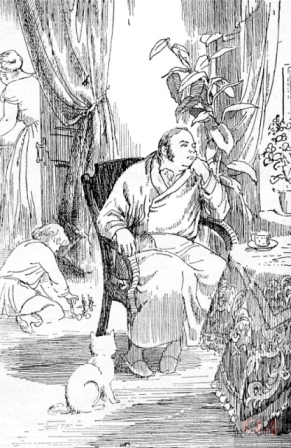
Обломов — ленивый дворянин, предпочитающий покой и уединение яростному рвению к деятельности, и его внутренний мир.Authentic внутренний конфликт раскрывается через описание его быта, взаимоотношений с слугами и мечт о свободе, любви и благополучии. Его жизнь иллюстрирует трагедию пассивности, потерянной возможности и столкновения мечты с реальностью, что подчеркивает главную тему романа о судьбе человека и его отсутствии активности.
free
Текст представляет собой сатирическую и алогичную хронику экспериментальной трансформации собак в человека с помощью хирургических и гормональных вмешательств. В нем подробно описываются необычные события в квартире профессора Преображенского, включая научные опыты с гипофизом и последствия приобретения бывших животных в качестве «усовершенствованных» человекоподобных существ. В произведении раскрывается критика советской бюрократии, социальной несправедливости и абсурдных проектов вмешательства в природу.
free
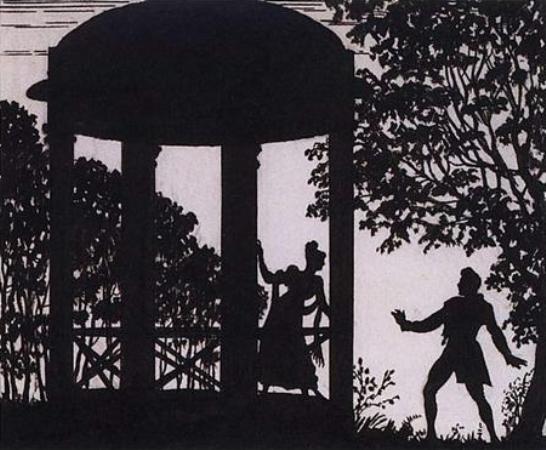
Повесть повествует о судьбе русского разбойника Владимира Дубровского и его конфронтации с поручиком Троекуровым, который пытается незаконно отобрать у него имущество. В процессе событий раскрываются семейные тайны, искусные мошенничества, пожар и столкновения с разбойниками, а также личные романтические связи и интриги. История наполнена драматизмом, предательствами и борьбой за справедливость, противопоставленной жажде власти и богатства.
free
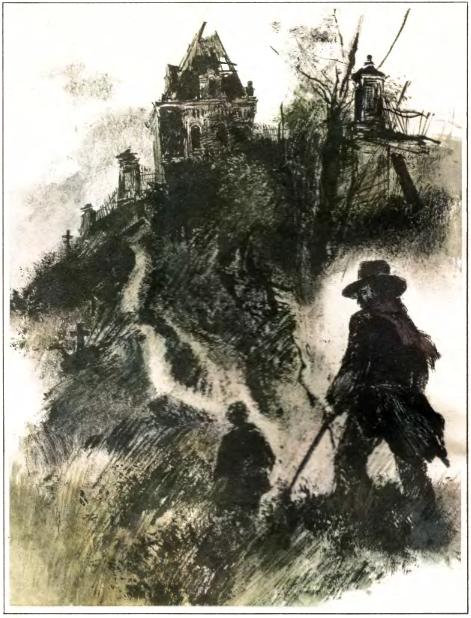
Рассказ изображает тяжелую жизнь и внутренние переживания мальчика, потерявшего мать и испытывающего отчуждение от отца, в окружении мрачных городских обитателей и антиутопического общества. В нем раскрываются темы сиротства, социальной несправедливости и влияния старого времени на поколение, подвергшееся духовному и физическому разрушению. Через символизм разрушенных зданий и загадочных персонажей просматривается борьба с моральными и социальными пороками, а также зарождение личной чувствительности в детском сознании.
free
Автор рассказывает о патологических переживаниях, связавших с литературной и театральной деятельностью, а также о своих болезнях и неудачах. Текст насыщен сатирическими описаниями театральных постановок, персонажей и литературных кругов, создавая образ тревожного, меланхоличного человека, увлеченного миром искусства. В повествовании присутствует яркая критика советской культурной системы, размышления о творчестве и отчаяние по поводу невозможности реализовать свои литературные замыслы.
free
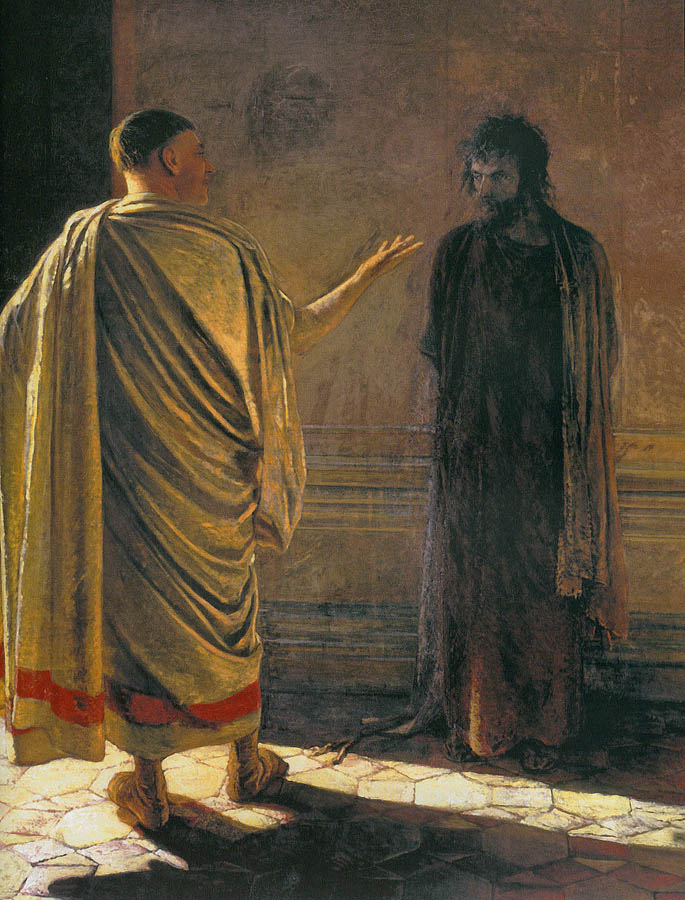
В текст входит описание фантастических и мистических событий, связанных с персонажами из русской и библейской мифологии, перемагающих реальность и закономерности мира. Произведение состоит из двух частей, содержащих сюжеты о событиях с персонажами Ветхого и Нового Завета, о духовных и магических превращениях, а также о борьбе добра и зла через мистические сны и сны сновидений. В финале показано, как главные герои получают перерождение, исчезая в фантастическом мире, созданном волшебством и символизмом, сочетанием сатиры, религии и метафизики.
free
Summary:
В основе текста лежит последовательно изложенная художественная идея о внутренней жизни человека, о его духовных и нравственных борьбах, а также о сложных отношениях между героями, раскрывающихся через внутренние монологи, письма и диалоги.
Автор неоднократно использует сложные психологические и философские рассуждения, подкрепленные богатым символизмом и аллюзиями, чтобы показать внутренние переживания героев и их духовное развитие в контексте социальных и личных испытаний.
Текст насыщен глубокими философскими размышлениями и подробным описанием внутреннего мира персонажей, создавая многоуровневое повествование о человеческом достоинстве, любви, свободе и нравственности.
В основе текста лежит последовательно изложенная художественная идея о внутренней жизни человека, о его духовных и нравственных борьбах, а также о сложных отношениях между героями, раскрывающихся через внутренние монологи, письма и диалоги.
Автор неоднократно использует сложные психологические и философские рассуждения, подкрепленные богатым символизмом и аллюзиями, чтобы показать внутренние переживания героев и их духовное развитие в контексте социальных и личных испытаний.
Текст насыщен глубокими философскими размышлениями и подробным описанием внутреннего мира персонажей, создавая многоуровневое повествование о человеческом достоинстве, любви, свободе и нравственности.
free
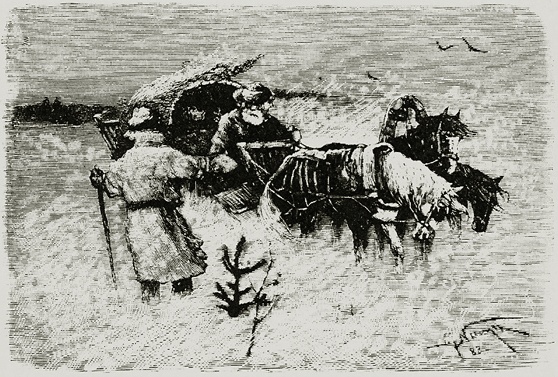
Это автобиографический очерк русского офицера XVIII века, пережившего публичный разнос, опасности и войны, связанные с пугачевским бунтом. В нем описаны его воспоминания о службе, личные трагедии, контакты с самозванцем Пугачевым и внутренние переживания в условиях смутного времени. Произведение сочетает духовные размышления с историческими событиями, раскрывая моральные дилеммы и нравственные ценности того периода.
free
Повесть ярко изображает жизнь русских публичных домов, характеризующуюся моральной деградацией и бесчеловечностью, отражая неотвратимый разорительный чат России на фоне социальных потрясений начала XX века. Автор использует ошеломительный поток эпизодов, сцен и диалогов, проливающих свет на внутреннюю жизнь обитателей и владельцев таких заведений, а также на их клиентов и судьбы, кропко и без прикрас раскрывая их пороки, страсти и духовное разложение. Текст служит суровым критиком общественных пороков, показывая, что под маской позорных развлечений кроется трагедия униженных, покорных и разрушенных человеческих судеб, символизируя неотъемлемость корысти, насилия и морального разложения в обществе.
free
A summary of the provided text would be:
The narrative follows two sisters, Lelya and Ninka, as they navigate their lives during the early years of the Soviet Union, exploring their identities, societal roles, and the challenges of working-class life. Amidst political upheaval and personal struggles, they grapple with love, ambition, and the expectations of communism, leading to personal crises and a deeper understanding of their roles as women in a new society. The story highlights their experiences in a factory, their relationships with peers, and the societal changes they witness, ultimately emphasizing the tensions between individual desires and collective responsibilities within the communist framework.
The narrative follows two sisters, Lelya and Ninka, as they navigate their lives during the early years of the Soviet Union, exploring their identities, societal roles, and the challenges of working-class life. Amidst political upheaval and personal struggles, they grapple with love, ambition, and the expectations of communism, leading to personal crises and a deeper understanding of their roles as women in a new society. The story highlights their experiences in a factory, their relationships with peers, and the societal changes they witness, ultimately emphasizing the tensions between individual desires and collective responsibilities within the communist framework.
free
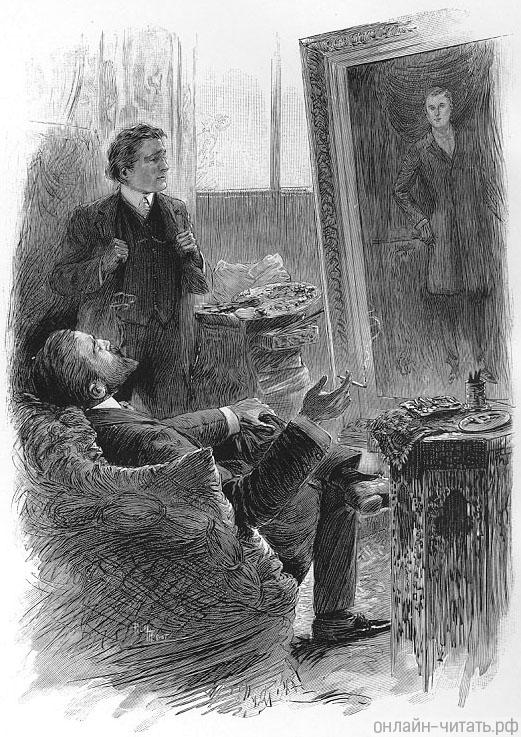
Oscar Wilde's "The Picture of Dorian Gray" tells the story of a young man, Dorian Gray, whose wish for eternal youth leads to a hedonistic life filled with moral degradation. Influenced by Lord Henry Wotton, Dorian eventually murders his friend Basil Hallward, whose portrait reflects the corruption of Dorian's soul, while Dorian remains outwardly beautiful. Ultimately, the novel explores themes of beauty, morality, and the consequences of living a life without accountability.
free
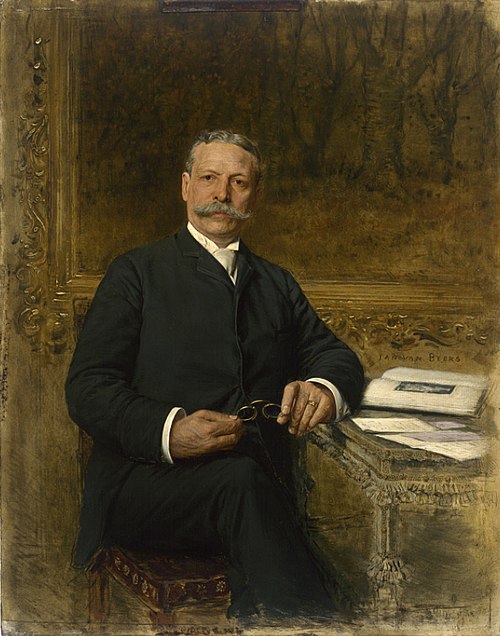
Frank A. Cowperwood, a calculating street-railway magnate, engineers bold financial maneuvers (notably around American Match) and seeks to consolidate transit franchises while skirmishing with rival bankers.
Parallelly he pursues a complicated private life—patronage of Berenice Fleming, estrangement from his wife Aileen—and leverages wealth, art, and political influence to press a fifty‑year franchise and a public‑service commission.
Intense newspaper agitation, mass civic opposition and aldermanic resistance culminate in the defeat of his municipal ordinance, a decisive public setback that reshapes his ambitions.
Parallelly he pursues a complicated private life—patronage of Berenice Fleming, estrangement from his wife Aileen—and leverages wealth, art, and political influence to press a fifty‑year franchise and a public‑service commission.
Intense newspaper agitation, mass civic opposition and aldermanic resistance culminate in the defeat of his municipal ordinance, a decisive public setback that reshapes his ambitions.
free
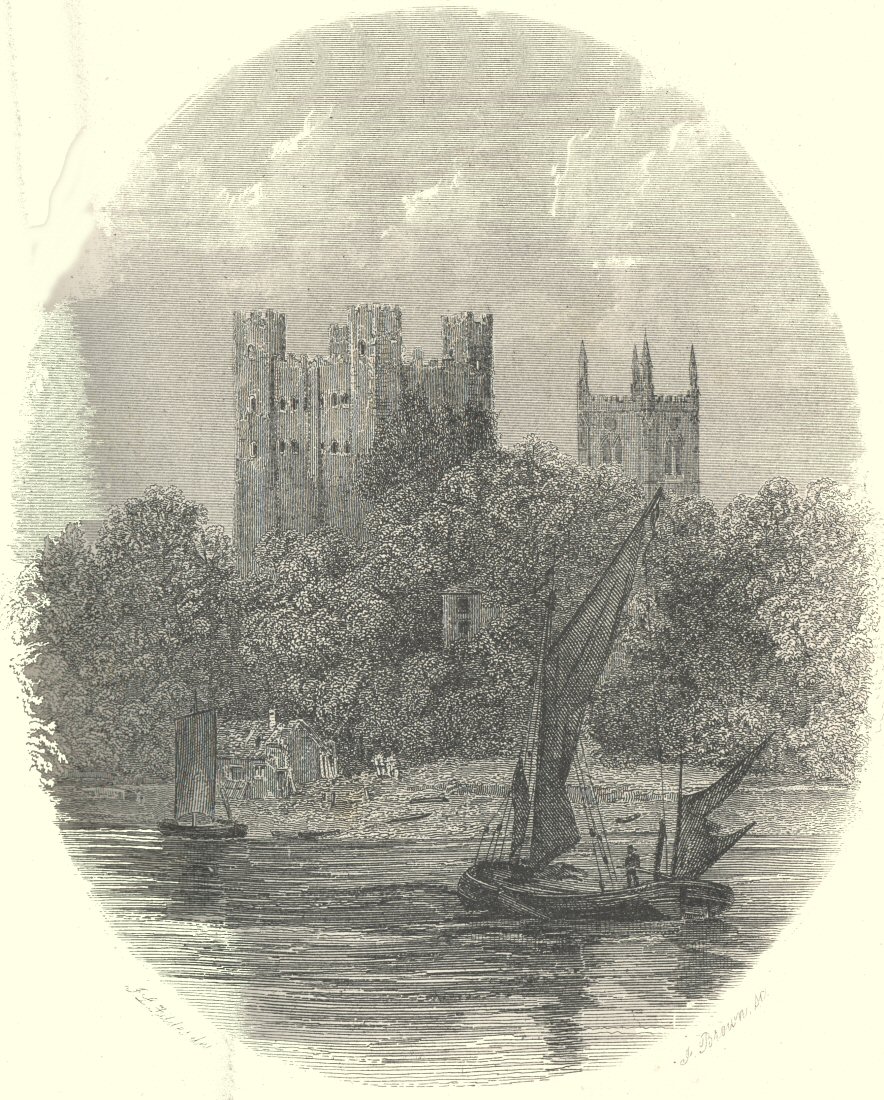
In "The Mystery of Edwin Drood," various characters in Cloisterham grapple with themes of love, loyalty, and the consequences of their choices. John Jasper, haunted by his nephew's disappearance, becomes increasingly dark and obsessed, while Rosa Bud and Neville Landless navigate their own feelings of entrapment and longing, ultimately deciding to part ways as engaged friends rather than spouses. The narrative weaves through complex relationships, misunderstandings, and the interplay of fate, leading to tension and unresolved mysteries.
free

The author reflects on a significant period in his life marked by opium use, detailing his struggles with addiction and the resulting physical and emotional turmoil. He grapples with the societal stigma surrounding personal confessions and ultimately seeks to provide insight and awareness into the experience of addiction. Through vivid dreams and experiences, he captures the duality of opium's effects—both pleasurable and tormenting—while longing for understanding and connection amidst his suffering.
free
"Путешествие капитана Немо на подводном судне "Наутилус" раскрывает тайны океана, включая подводные города, редкие морские виды и древние затонувшие корабли. Экспедиция сопровождается столкновениями с гигантскими существами, ледяными и вулканическими препятствиями, а также научными открытиями и философскими размышлениями о природе и человеке. В конце автор, усомнившись в судьбе капитана, надеется на сохранность "Наутилуса" и возвращение к человеческому обществу."
free
This text is a satirical and humorous narrative blending historical, mythological, and fantastical elements, depicting a time-traveling narrator's experiences in King Arthur's Britain, where he employs cunning and modern tactics to influence and reform medieval society. Through elaborate episodes involving counterfeit miracles, political intrigue, and battles, it critiques obsolete laws, hereditary privilege, religious dogma, and societal injustice, revealing the enduring power of intelligence, rationality, and human ingenuity. Ultimately, it contrasts the superficial grandeur of monarchy and aristocracy with the authentic strength of common sense and individual effort.
free
A vivid autobiographical narrative recounts the protagonist’s perilous political and personal adventures across Scotland, France, and Holland, highlighting themes of love, loyalty, and innocence amid turbulent times. The story intricately blends episodes of danger, court intrigue, and romantic longing to depict the hero’s moral struggles and resilience. Through detailed character interactions and reflections, it explores the collision of personal virtue with political conspiracy in a richly textured historical setting.
free
Базаров, вернувшись в родное имение, сталкивается с трудностями на фоне личной и социальной трансформации, освободительного движения и неутолимого духа. Его отношения с друзьями, семьей и окружающей реальностью становятся сложными и противоречивыми, в то время как проявляется влияние любви и самопознания. Через призму этих нелепых и трагических событий автор исследует глубинные аспекты человеческого существования и вызовы, стоящие перед поколениями в бурное время перемен.
free
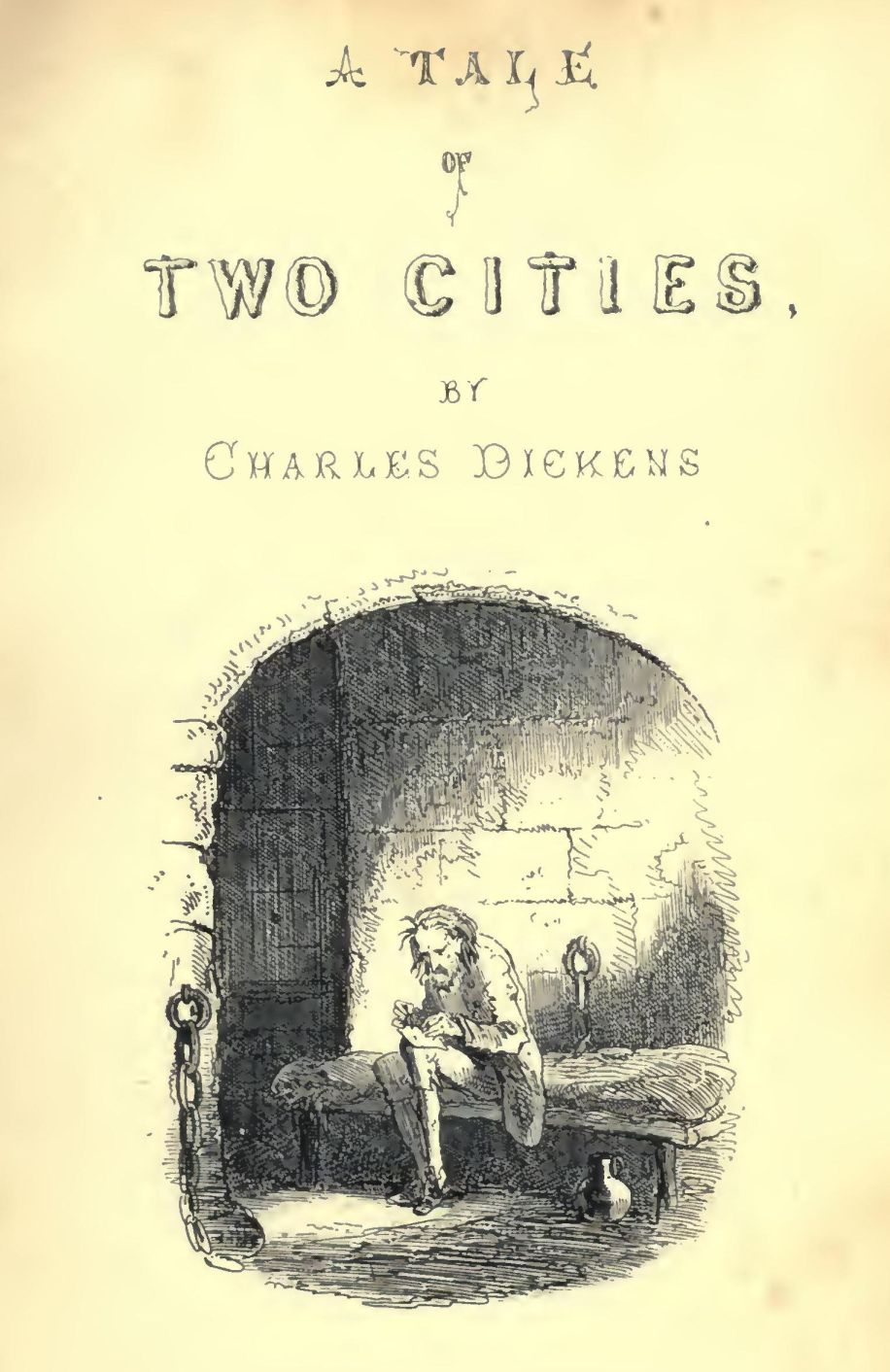
This intricate narrative recounts the tumultuous events of the French Revolution, focusing on characters such as Dr. Manette, Charles Darnay, and Sydney Carton, amid chaos, imprisonment, and revolutionary violence. It explores themes of sacrifice, resurrection, and the enduring power of love and loyalty through vivid scenes of trial, martyrdom, and secret plotting. Ultimately, it illustrates how personal salvation and moral heroism unfold within the destructive sweep of history’s upheavals.
free
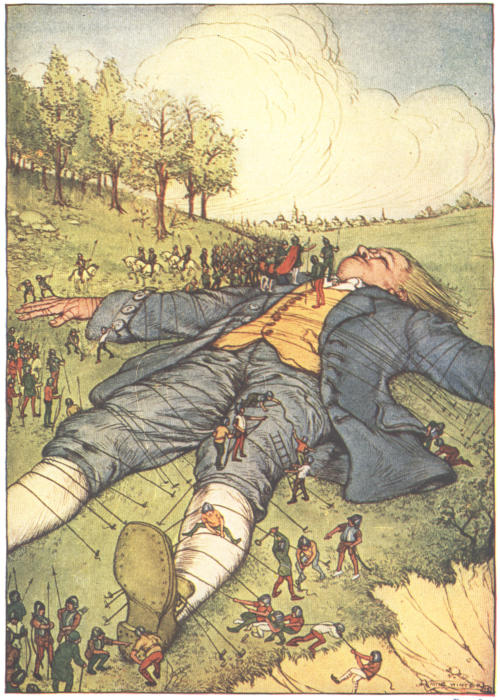
The text is an extensive satirical narrative of Gulliver's travels, depicting his encounters with various fictional nations and creatures, highlighting the foolishness and corruption of human institutions and behaviors through exaggerated allegories. It emphasizes the importance of truthfulness in travel writing, criticizes political, legal, and social corruption, and advocates for virtue and rationality exemplified by the Houyhnhnms. The work combines detailed fictional adventures with philosophical reflections, aiming to instruct and morally improve the reader by contrasting human vice with the virtues of the Houyhnhnms.
free
Филеас Фогг завершается кругосветным путешествием в восемьдесят дней, но опаздывает к сроку пари в Реформ-клуб на пять минут, что приводит к его разорению. Судья, арестовывающий Фогга, попутно может предоставить доказательства его невиновности, но он не знает, что с мистером Фоггом происходит, когда тот уже успел спасти молодую женщину от жертвоприношения. В конце концов, Фогг не только выигрывает пари, но и обретает счастье, женившись на Ауде.
free
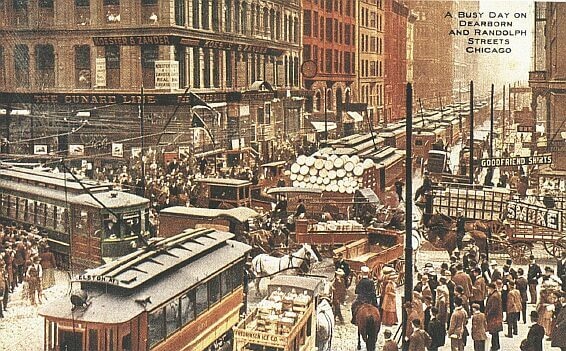
The text narrates the rise and fall of Frank Algernon Cowperwood, a keen and ambitious financier involved in corrupt city politics and stock manipulations, leading to his arrest, conviction, and imprisonment. It highlights his ruthless pursuit of wealth, the integrity of societal institutions, the corrupt intertwining of politics and finance, and his eventual remorseful reflection during imprisonment. Ultimately, Cowperwood’s story exemplifies the destructive consequences of greed, deception, and the moral compromises inherent in pursuit of material success.
free
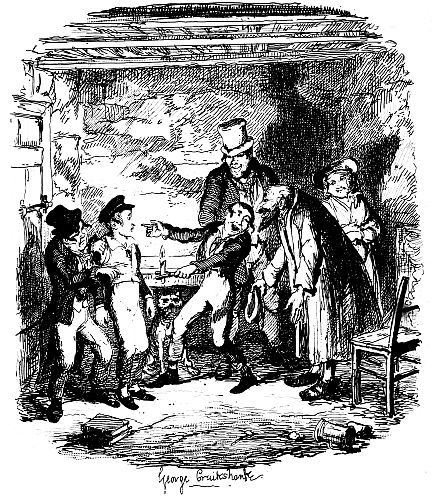
The concluding chapters depict Oliver's restored happiness through his marriage and reunion with loved ones, after unveiling a web of dark family secrets and criminal schemes involving Monks, Fagin, and Sikes. The narrative emphasizes themes of virtue, retribution, and redemption, illustrating that justice ultimately prevails and that sincere gratitude and love refine human character. Despite tragic losses and wickedness, the story ends with hope, moral triumph, and the peaceful memory of those departed.
free
Токарев и Варвара Васильевна, живя в Изворовке, сталкиваются с личными и общественными кризисами, включая смерть Варвары от сапа, что обостряет их взгляды на жизнь и мораль. Сергей, как идеалист, отвергает компромиссы и идеалистические нормы, в то время как Токарев осознает свою беспомощность и необходимость в более глубоком понимании жизни. Накаляющиеся напряжения приводят к внутренним конфликтам и экзистенциальным вопросам, поставленным перед всеми участниками событий.
free
A young woman's pursuit of success in Chicago and New York leads her through cycles of hope, disillusionment, and hardship, driven by her longing for beauty and recognition. Her associations with men of different moralities and social standings gradually transform her perception of happiness, culminating in a rise to fame and a tragic downfall. The narrative explores the fleeting nature of material success and the enduring power of longing and human aspiration amidst adversity.
free
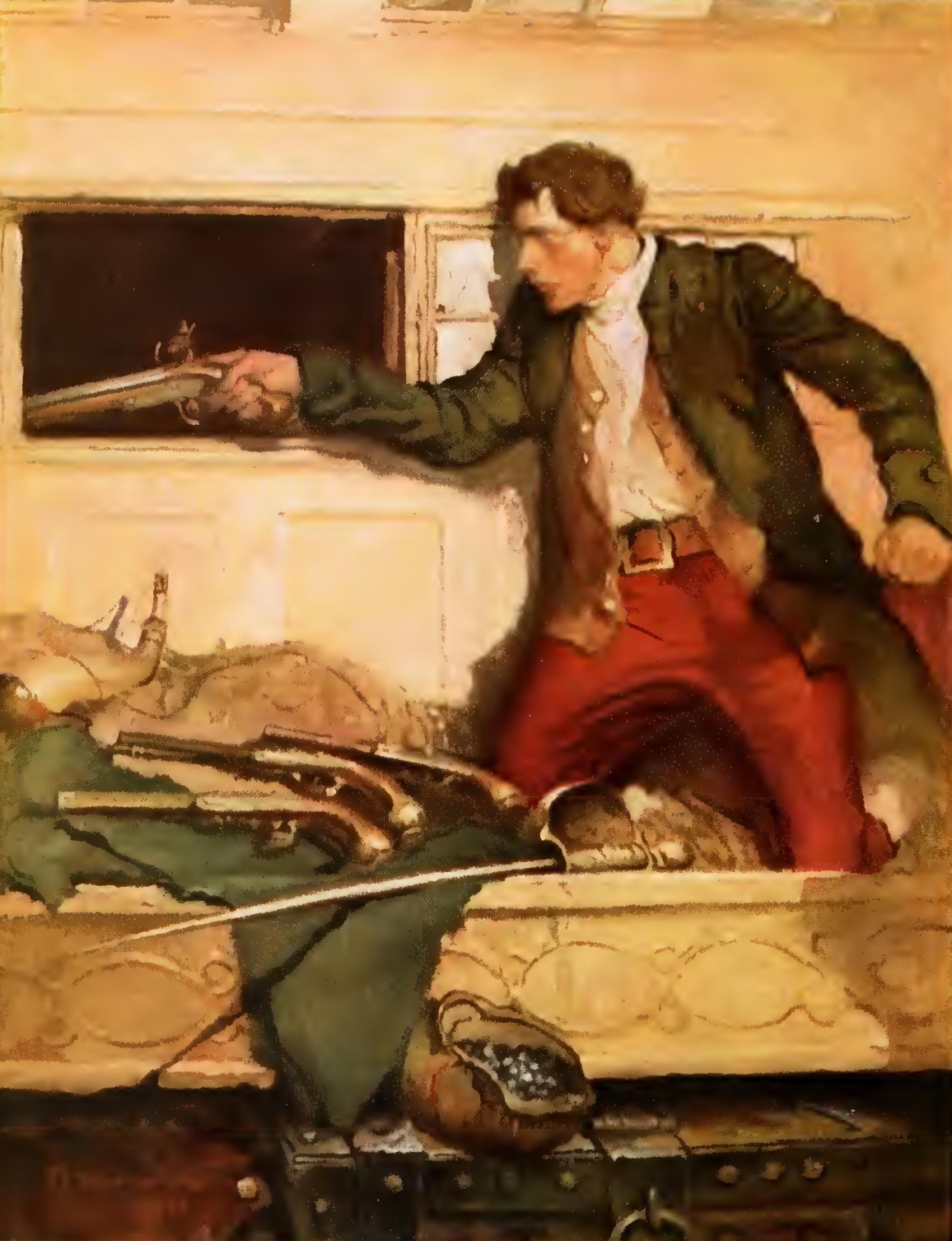
David Balfour recounts his harrowing adventures, detailing his kidnapping, shipwreck, and subsequent journey through the Scottish Highlands in 1751. He seeks to reclaim his rightful inheritance at the estate of Shaws while navigating the treachery of his uncle Ebenezer and the dangers posed by various factions, including the Campbells and those involved in a murder. As he grapples with his identity, loyalty, and friendships, particularly with Alan Breck Stewart, David ultimately faces choices that will define his future and test his courage.
free