🏷️ Loading tag...
Satirical narrative in which a privileged narrator, after seeing a German film and being beaten by a mob, is drawn into the orbit of a charismatic healer called Carpenter whose public miracles, denunciations of capitalism and dealings with movie magnates, labor organizers and sensationalist press turn into a vast spectacle of exploitation, mob violence and staged publicity.
Through comic‑ironic episodes (studio stunts, hired mobs, a Ku Klux‑style masquerade) the book indicts consumerist, clerical and capitalist hypocrisies, casting Carpenter as a Christ‑like figure whose fate is presented as both parable and provocation (the appendix even maps episodes onto Gospel passages).
Through comic‑ironic episodes (studio stunts, hired mobs, a Ku Klux‑style masquerade) the book indicts consumerist, clerical and capitalist hypocrisies, casting Carpenter as a Christ‑like figure whose fate is presented as both parable and provocation (the appendix even maps episodes onto Gospel passages).
free
Incidents: Bertie Wooster is repeatedly embroiled in comic social and romantic crises (Bingo Little’s serial amour, Aunt Agatha’s matrimonial schemes, the Ditteredge and Goodwood fiascos, theft of pearls, troublesome introductions).
Mechanism: Jeeves, the valet, applies consistent, discreetly manipulative problem‑solving—reading programmes, planted evidence, social engineering—to neutralize misunderstandings and adversaries.
Result: Confusion, exposures, and threatened matches are routinely resolved or re‑routed, restoring social order at the cost of occasional deceptions.
Mechanism: Jeeves, the valet, applies consistent, discreetly manipulative problem‑solving—reading programmes, planted evidence, social engineering—to neutralize misunderstandings and adversaries.
Result: Confusion, exposures, and threatened matches are routinely resolved or re‑routed, restoring social order at the cost of occasional deceptions.
free
Mr. Scobell, visibly moved, gives his blessing to John and Betty's plan, removing the last obstacle. Smith, on his inaugural visit to the ranch, concludes John chose wisely and reflects nostalgically on friends and the newspaper while enjoying the prairie night. He falls asleep on the porch; Betty and John share a quiet, intimate moment to the sound of a distant guitar.
free
Henry's attempt to surprise Minnie by dancing disastrously fails and leaves him humiliated. Minnie, who had seen him at the dance school and briefly suspected infidelity, reveals she used to be a dance instructress and actually dislikes dancing. The misunderstanding is cleared up and they reconcile tenderly, sitting together while Henry reads from the encyclopaedia.
free
Anthology of comic short stories portraying romantic entanglements and social pretences across varied settings (New York offices, Monte Carlo, London, medieval Camelot); protagonists confront ambition, class friction, mistaken identity and ethical slips that produce farcical reversals; economical, ironic prose emphasizes character-driven satire and situational comedy.
free
Jill, penniless, takes a place in the chorus of a New York musical whose rehearsals mutate into rewrites, firings and a chorus strike she instigates to save a colleague.
Wally Mason declares his love and, after Jill wrestles with lingering feelings for Derek Underhill, she ultimately accepts him.
Derek returns but balks at marrying a chorus‑girl for social reasons, while Uncle Chris’s covert financing (buying Pilkington’s share) and other interventions complicate the theatrical and social situation.
Wally Mason declares his love and, after Jill wrestles with lingering feelings for Derek Underhill, she ultimately accepts him.
Derek returns but balks at marrying a chorus‑girl for social reasons, while Uncle Chris’s covert financing (buying Pilkington’s share) and other interventions complicate the theatrical and social situation.
free
Samuel Marlowe falls for Wilhelmina “Billie” Bennett aboard the R.M.S. Atlantic and is drawn into rivalry with Bream Mortimer and the ill‑starred cousin Eustace Hignett.
A string of comic incidents—a harbour rescue, a calamitous ship’s concert, family quarrels over the Windles tenancy and a bungled dog‑abduction scheme—produces misunderstandings and broken engagements.
After farcical confrontations at Windles and a midnight motoring escapade, Sam and Billie reconcile and plan to marry.
A string of comic incidents—a harbour rescue, a calamitous ship’s concert, family quarrels over the Windles tenancy and a bungled dog‑abduction scheme—produces misunderstandings and broken engagements.
After farcical confrontations at Windles and a midnight motoring escapade, Sam and Billie reconcile and plan to marry.
free
A collection of comic short stories in which golf catalyses romantic entanglements, rivalries, and social satire.
Characters’ virtues and vices—obsession, loquacity, timidity—are tested by the game, often with farcical consequences.
Wodehousian humour turns golfing mishaps into brief moral lessons, reconciliations, and social commentary.
Characters’ virtues and vices—obsession, loquacity, timidity—are tested by the game, often with farcical consequences.
Wodehousian humour turns golfing mishaps into brief moral lessons, reconciliations, and social commentary.
free
At a noisy Broadway dance-hall Sally, exhausted and seeking escape, accepts Bruce Carmyle's proposal but remains conflicted. Bruce's discovery of her work as a dancer and the disreputable episode with Gerald Foster precipitate the engagement's collapse while Ginger returns and confesses his love. Sally ultimately chooses and marries Ginger; they settle into a contented country life.
free
George Emerson confesses his love and Aline, shaken and pitying him, breaks her engagement and elopes with Emerson.
Ashe Marson deduces that Freddie, pressed by a blackmailer (Jones), stole Lord Emsworth's scarab, recovers it and exposes the fraud.
Mr. Peters gratefully rewards Ashe (even offers him a post); Joan accepts Ashe's proposal; Freddie is forgiven and relieved.
Ashe Marson deduces that Freddie, pressed by a blackmailer (Jones), stole Lord Emsworth's scarab, recovers it and exposes the fraud.
Mr. Peters gratefully rewards Ashe (even offers him a post); Joan accepts Ashe's proposal; Freddie is forgiven and relieved.
free
Bertram Wooster endures a perilous, unnecessary nocturnal bicycle ride after finding the Brinkley Court back-door key had been in Jeeves’s possession, which he initially interprets as betrayal. Jeeves reveals a deliberate psychological plan—including a fire-bell diversion and temporary withholding of the key—to unite quarreling guests, producing reconciliations and restored engagements. Wooster’s anger subsides when the scheme succeeds, though he returns sore and with a ruined mess-jacket.
free
Mike Jackson, a talented young cricketer, is bowled when John Bickersdyke walks behind the bowler’s arm; family losses force him into the New Asiatic Bank, where he meets the eccentric Psmith.
Psmith befriends and manipulates office life (winning over Rossiter, haunting Bickersdyke) and shields Mike through a cheque incident, while Mike grows restive in banking.
When called to play for the county Mike scores a century at Lord’s; Psmith decides to leave for the Bar with his father’s backing and offers Mike patronage, and both quit the bank.
Psmith befriends and manipulates office life (winning over Rossiter, haunting Bickersdyke) and shields Mike through a cheque incident, while Mike grows restive in banking.
When called to play for the county Mike scores a century at Lord’s; Psmith decides to leave for the Bar with his father’s backing and offers Mike patronage, and both quit the bank.
free
Cosy Moments, left under sub‑editor Billy Windsor, is seized by Psmith (with Mike) and reinvented as a muck‑raking weekly exposing tenement abuses.
The exposés provoke violent pushback from gangs and the corrupt owner Stewart Waring, prompting street brawls, the recruitment of pugilist Kid Brady and the enlistment of Groome Street boss Bat Jarvis.
By skilful investigation (notably a rent‑collector's receipt) and tactical pressure they compel remediation, revive the paper's fortunes, and conclude with the reform vindicated despite Windsor's brief imprisonment.
The exposés provoke violent pushback from gangs and the corrupt owner Stewart Waring, prompting street brawls, the recruitment of pugilist Kid Brady and the enlistment of Groome Street boss Bat Jarvis.
By skilful investigation (notably a rent‑collector's receipt) and tactical pressure they compel remediation, revive the paper's fortunes, and conclude with the reform vindicated despite Windsor's brief imprisonment.
free
Jimmy Crocker adopts a false name (Bayliss) to court Ann and engineers a plot in which his father poses as the kidnapper "Chicago Ed." to spirit away Ogden Ford. A nocturnal mêlée—featuring Lord Wisbeach attempting to steal Willie Partridge’s explosive, Miss Trimble the detective, and a dog that precipitates the harmless destruction of a test‑tube bomb—exposes impostors and unravels the schemes. Identities are revealed, domestic quarrels are settled (Mr. Crocker elects to stay in America), and Jimmy and Ann reconcile, agreeing to "bury the dead past."
free
Ukridge, intent on marrying Millie, schemes to secure Lady Lakenheath’s consent by staging the parrot Leonard’s "return" and by intercepting a speech that would bring his aunt and Lady Lakenheath’s acquaintance together. Corcoran reluctantly assists but is thwarted when Miss Julia Ukridge unexpectedly returns, making the planned theft impossible. By chance Leonard is dosed with Ukridge’s restorative "Peppo," becomes indisposed and keeps Lady Lakenheath at home, thereby averting the auntly meeting and clinching Ukridge’s engagement.
free
A collection of comic short stories following narrator Bertie Wooster’s social and romantic mishaps, principally in New York, and the consistent intervention of his supremely competent valet Jeeves, who devises pragmatic schemes to resolve engagements, impostures, family crises, and artistic predicaments. Written in a colloquial first‑person register, the stories combine farce, social satire, and ironic reversal, with a recurring emphasis on Jeeves’s superior judgment.
free
Mike Jackson, a Wrykyn‑trained batsman, is cajoled into Outwood’s cricket side and turns matches by prodigious innings (including a match‑defining 277), provoking house rivalry and admiration.
A midnight errand to pay a friend’s debt results in a paint‑splashed boot and the school dog Sampson being daubed red; Downing’s investigation briefly incriminates Mike and Psmith (the latter falsely confessing to protect him) until Dunster admits the prank.
Matters settle: Mike agrees to play for Sedleigh (with Psmith), friendships and tensions are reconciled, and Sedleigh records a notable win over Wrykyn.
A midnight errand to pay a friend’s debt results in a paint‑splashed boot and the school dog Sampson being daubed red; Downing’s investigation briefly incriminates Mike and Psmith (the latter falsely confessing to protect him) until Dunster admits the prank.
Matters settle: Mike agrees to play for Sedleigh (with Psmith), friendships and tensions are reconciled, and Sedleigh records a notable win over Wrykyn.
free
Octavia Beaupree, recently widowed and financially ruined by Colonel Beaupree’s bad title, travels to the remote Rancho de las Sombras intending to make a new life under its manager, Theodore Westlake. Over weeks of shared work and intimacy she and Westlake reconcile; he reveals he secretly repurchased and put the ranch on a sound footing for her, and their renewed attachment leads to plans for marriage.
free
free
free
free
A collection of short, often comic and occasionally poignant sketches set across American locales—from Texas ranches and the frontier to New York’s streets and roof‑gardens—populated by eccentric, vividly drawn characters. Themes range from wandering troubadours, petty heroics, sleuthing and imposture, to train‑robbers, social satire, lost identities and quiet acts of charity, all told in a witty, conversational tone.
free
Anthology of humorous sketches and short stories depicting American character‑types and local scenes—Southern editors, shopgirls, cowboys, hermits, adventurers, and city reporters.
Satirical tone highlights recurring themes: regional pride and prejudice, romantic folly, ambition, and the comic absurdities of everyday life.
Emphasis on ironic, episodic anecdotes and vivid local color rather than long, unified plots.
Satirical tone highlights recurring themes: regional pride and prejudice, romantic folly, ambition, and the comic absurdities of everyday life.
Emphasis on ironic, episodic anecdotes and vivid local color rather than long, unified plots.
free
Cherokee, posing as Santa, wins over the sullen Bobby, forbids his smoking and drives him home, promising a rifle the next day.
Lena, an eleven‑year‑old quarry servant, writes a despairing letter home; it is intercepted by outlaws who, moved, return her asleep in Fritz’s mail wagon to her weeping family, while she insists a "Prince" rescued her.
Calliope Catesby’s drunken reign of shooting in Quicksand is ended by Marshal Buck Patterson; after a concussion and a plea from the marshal’s mother, Calliope accepts a rebuke and gives a solemn promise to reform.
Lena, an eleven‑year‑old quarry servant, writes a despairing letter home; it is intercepted by outlaws who, moved, return her asleep in Fritz’s mail wagon to her weeping family, while she insists a "Prince" rescued her.
Calliope Catesby’s drunken reign of shooting in Quicksand is ended by Marshal Buck Patterson; after a concussion and a plea from the marshal’s mother, Calliope accepts a rebuke and gives a solemn promise to reform.
free
In the Caribbean republic of Anchuria President Miraflores absconds with public funds and an American singer, dies at Coralio, and Frank Goodwin emerges as the pivotal foreign resident who protects the woman, recovers (and conceals) a valise of money and settles into local prominence.
The narrative threads coastal politics, revolutions and foreign intervention with a parade of adventurers and swindlers (Keogh, Clancy, Atwood, Dicky, Smith) who exploit graft and stage elaborate fakes and contrivances—from phonographs to cockle‑burrs and manufactured art—for profit.
Power changes hands, opportunism is exposed (Keogh leverages compromising evidence), and the episodic satire closes on restitutions, marriages and the ambiguous moral economy of tropical enterprise.
The narrative threads coastal politics, revolutions and foreign intervention with a parade of adventurers and swindlers (Keogh, Clancy, Atwood, Dicky, Smith) who exploit graft and stage elaborate fakes and contrivances—from phonographs to cockle‑burrs and manufactured art—for profit.
Power changes hands, opportunism is exposed (Keogh leverages compromising evidence), and the episodic satire closes on restitutions, marriages and the ambiguous moral economy of tropical enterprise.
free
Three friends—Harris, George and the narrator—set out on a comically ill‑planned bicycle “bummel” through Germany and the Black Forest, generating episodic travel mishaps and domestic contrivances.
Jerome K. Jerome satirises English domesticity, tourist manners and German social order with ironic, observational humour rather than a continuous plot.
Jerome K. Jerome satirises English domesticity, tourist manners and German social order with ironic, observational humour rather than a continuous plot.
free
A collection of humorous, discursive essays that satirically examine everyday human behaviour, social customs and domestic life.
Recurring themes are indecision, self-deception, the gap between ideals and practice, parenthood, and the absurdities of modern conveniences and fashions.
Tone alternates between light comedy and reflective moral observation, emphasizing human contradiction rather than offering systematic solutions.
Recurring themes are indecision, self-deception, the gap between ideals and practice, parenthood, and the absurdities of modern conveniences and fashions.
Tone alternates between light comedy and reflective moral observation, emphasizing human contradiction rather than offering systematic solutions.
free
Six young people at a ball are persuaded by a mysterious old man to drink a potion that gives them memories of their future middle‑aged lives; though their foresight is later confirmed by a found fragment of the goblet, their present passions nonetheless lead them to the same marriages. The narrator, while doubtful of the supernatural, records the episode to argue the moral that foreknowledge cannot alter human temperament.
free
A collection of witty, conversational essays that comic‑satirize everyday human foibles—idleness, love, vanity, poverty, melancholy, ambition, domestic pets, dress, and memory—through anecdote and self‑mockery. The narrator mixes gentle social critique with affectionate celebration of small pleasures and the quirks of ordinary life.
free
free
Four companions—J. (narrator), George, Harris—and Montmorency the dog undertake a fortnight’s boating excursion on the Thames to recover from imagined ailments.
The narrative records episodic comic misadventures (packing, cooking, camping, locks, tow‑lines, weather, steam launches, local characters and Montmorency’s havoc) and sketches riverside towns and customs.
Tone and method: travelogue plus satire, exposing hypochondria, domestic ineptitude and Victorian social pretence.
The narrative records episodic comic misadventures (packing, cooking, camping, locks, tow‑lines, weather, steam launches, local characters and Montmorency’s havoc) and sketches riverside towns and customs.
Tone and method: travelogue plus satire, exposing hypochondria, domestic ineptitude and Victorian social pretence.
free
Concise autobiographical account of a young nineteenth‑century actor’s initiation into the theatre, detailing training (elocution, “making‑up”), dealings with agents and managers, and the practical mechanics of rehearsals, scenery, props and dressing.
Systematic exposure of the profession’s social and economic realities—irregular pay, exploitative managers, grueling provincial tours and precarious lodgings—culminating in disillusionment and the author’s eventual withdrawal from the stage.
Systematic exposure of the profession’s social and economic realities—irregular pay, exploitative managers, grueling provincial tours and precarious lodgings—culminating in disillusionment and the author’s eventual withdrawal from the stage.
free
A compact collection of tales and sketches examining human character under pressure—commerce versus compassion, fear versus superstition, and the grim and comic aspects of urban and rural life.
Principal pieces: "John Ingerfield" (a marriage of convenience transformed by selfless nursing in a typhus outbreak) and "The Woman of the Sæter" (letters escalating from eerie visitation to obsession and menace); remaining items range from music‑hall reminiscence ("Variety Patter") and melancholic vignettes ("Silhouettes") to a satirical anecdote about a misplaced sermon ("The Lease of the 'Cross Keys'").
Principal pieces: "John Ingerfield" (a marriage of convenience transformed by selfless nursing in a typhus outbreak) and "The Woman of the Sæter" (letters escalating from eerie visitation to obsession and menace); remaining items range from music‑hall reminiscence ("Variety Patter") and melancholic vignettes ("Silhouettes") to a satirical anecdote about a misplaced sermon ("The Lease of the 'Cross Keys'").
free
Preface: the author professes to have written a “sensible” book whose light, attractive tone is deliberately meant to instruct and make people think without seeming didactic.
The main text is a witty travel diary of a trip with friend B. to the Ober‑Ammergau Passion Play—comic travel mishaps, trenchant sketches of inns, trains and fellow tourists, vivid Rhine and Munich scenes, and a concluding appreciation of the play’s homely, human religious power and of German character.
The main text is a witty travel diary of a trip with friend B. to the Ober‑Ammergau Passion Play—comic travel mishaps, trenchant sketches of inns, trains and fellow tourists, vivid Rhine and Munich scenes, and a concluding appreciation of the play’s homely, human religious power and of German character.
free
American diplomat Hiram B. Otis buys the ancient Canterville Chase and—by applying Yankee practicality and his family's mischievousness—turns the feared ancestral ghost into the butt of comic humiliations. In the end the gentle, compassionate Virginia befriends and redeems the lonely spectre, whose death brings peace and the bequeathed jewels to her, and she later marries the Duke of Cheshire.
free
A travelogue of a Western pilgrimage through Palestine, Galilee, Jerusalem and Egypt recording topography, monuments (Sea of Galilee, Capernaum, Nazareth, Jerusalem, Dead Sea, Pyramids, etc.) and episodic experiences of the author’s party.
A recurrent critical theme demystifies romantic and pietistic accounts: the author exposes inflated guide‑book rhetoric, pilgrim sentimentality, relic commerce, local poverty and depopulation while noting genuine historical associations.
He concludes that the region is physically desolate but historically and spiritually potent, praises practical hospitality (notably Catholic convents) and affirms travel’s educative value despite hardships.
A recurrent critical theme demystifies romantic and pietistic accounts: the author exposes inflated guide‑book rhetoric, pilgrim sentimentality, relic commerce, local poverty and depopulation while noting genuine historical associations.
He concludes that the region is physically desolate but historically and spiritually potent, praises practical hospitality (notably Catholic convents) and affirms travel’s educative value despite hardships.
free
Tom publicly reveals that he and Huck have about $12,000 in gold, provoking village-wide excitement and elevating the boys’ social standing.
Huck, placed under the Widow Douglas’s care, finds civilized routine intolerable and resolves to reclaim his free life while Tom prepares a new “gang” with a midnight, blood-signed initiation.
The narrative closes as a chronicle of boyhood, leaving the characters’ adult fates unrecorded.
Huck, placed under the Widow Douglas’s care, finds civilized routine intolerable and resolves to reclaim his free life while Tom prepares a new “gang” with a midnight, blood-signed initiation.
The narrative closes as a chronicle of boyhood, leaving the characters’ adult fates unrecorded.
free
A collection of Mark Twain’s short satirical sketches lampooning 19th‑century American life, journalism, commerce, politics, and manners.
Through irony, burlesque, and tall‑tale narration it exposes gullibility, hypocrisy, and bureaucratic absurdities.
Includes pieces such as “The Petrified Man,” “How I Edited an Agricultural Paper,” the comet advertisement, and political and social vignettes.
Through irony, burlesque, and tall‑tale narration it exposes gullibility, hypocrisy, and bureaucratic absurdities.
Includes pieces such as “The Petrified Man,” “How I Edited an Agricultural Paper,” the comet advertisement, and political and social vignettes.
free
Ten brothers, guided by a visionary leader, steal a wampum belt from a giant manito bear, are relentlessly pursued, and—with intermittent aid from supernatural lodge-keepers and a medicine-sack—kill the bear; its scattered flesh becomes the stock of modern black bears. Later the brothers are ambushed and slain; their sister, using the enchanted head and ritual medicines, restores Iamo and revives the men, who then redistribute the wampum. The revived beings are assigned spirit‑roles (Mudjikewis/Kebeyun becomes the west wind) and the wampum is codified as a sacred emblem distinguishing peace from war.
free
The king-and-duke frauds erupt in the Wilks affair and a frantic graveyard digging; Huck flees, rejoins Jim on the raft, and later discovers Jim has been sold and is imprisoned. Tormented by conscience, Huck resolves to free him; Tom Sawyer returns and orchestrates an elaborate, theatrical escape (nonnamous letters, pies, rats, snakes, saws and a grindstone inscription), which succeeds. Jim is liberated and rewarded, it transpires Miss Watson had already freed him by will, and Huck, weary of domestication, plans to light out for the Territory.
free
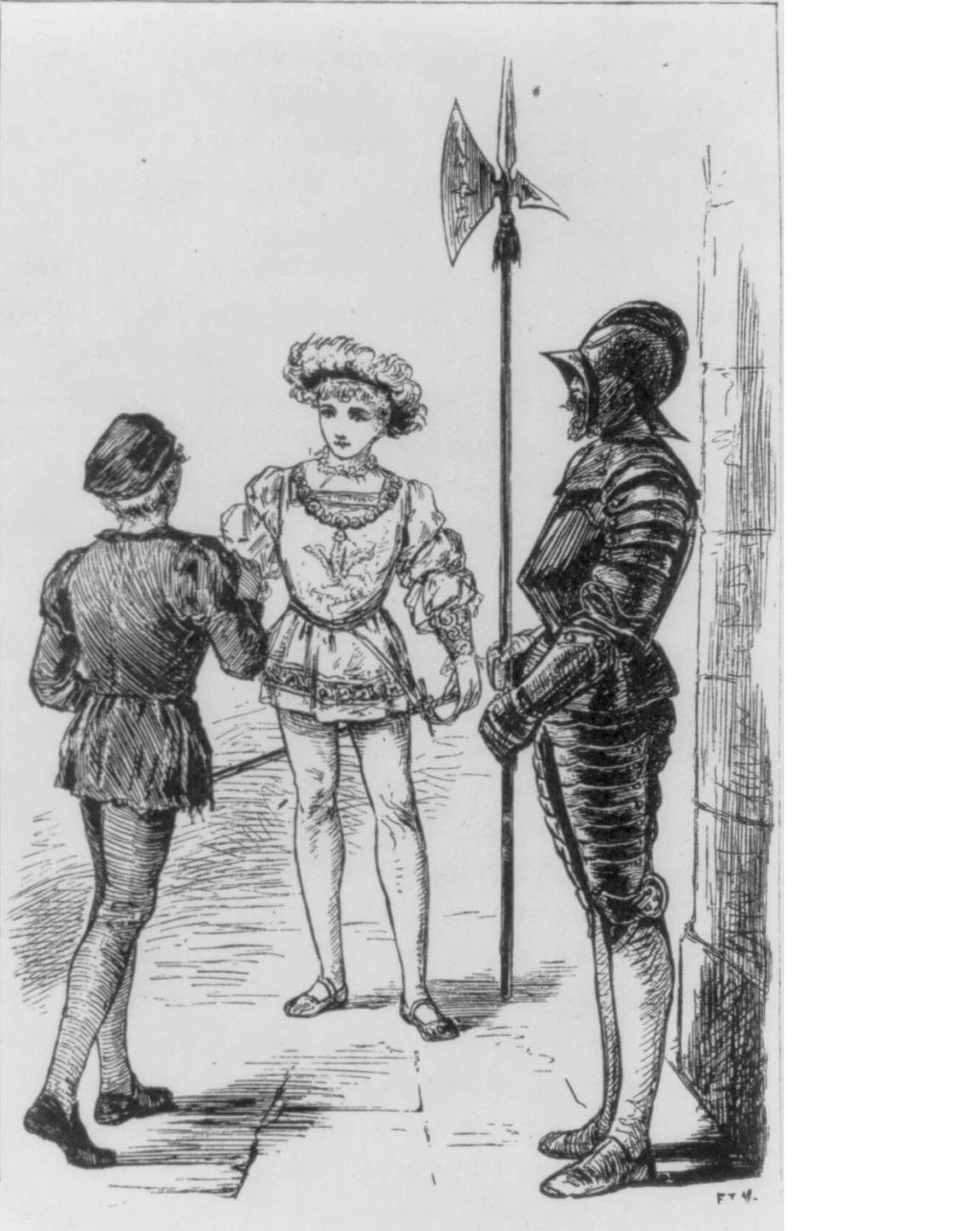
Hugh Latimer writes to Lord Cromwell, expressing joy over the Prince of Wales’s birth and advocating for religious reform; the text also recounts a fictionalized, detailed account of Edward VI’s early life, coronation, and associated court proceedings, highlighting themes of identity, justice, and loyalty within a historical and fantastical context.
free
Текст представляет собой сатирическую и алогичную хронику экспериментальной трансформации собак в человека с помощью хирургических и гормональных вмешательств. В нем подробно описываются необычные события в квартире профессора Преображенского, включая научные опыты с гипофизом и последствия приобретения бывших животных в качестве «усовершенствованных» человекоподобных существ. В произведении раскрывается критика советской бюрократии, социальной несправедливости и абсурдных проектов вмешательства в природу.
free
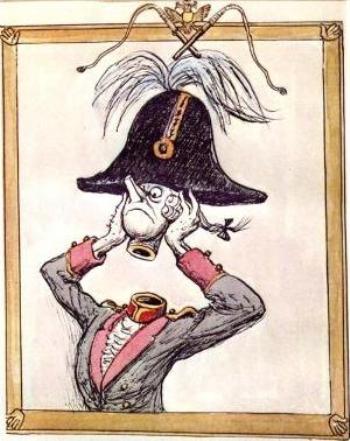
The author reflects on the challenges of documenting the history of a town due to a lack of reliable material, ultimately discovering archives that detail the lives of the town's mayors and their effect on civic life. The text explores the impact of various leaders on the town Gлупов, emphasizing the diverse administrative styles and the townspeople's responses to authority, culminating in the rise of a new administrator whose ineffective governance leads to chaos and discontent among the citizenry.
free
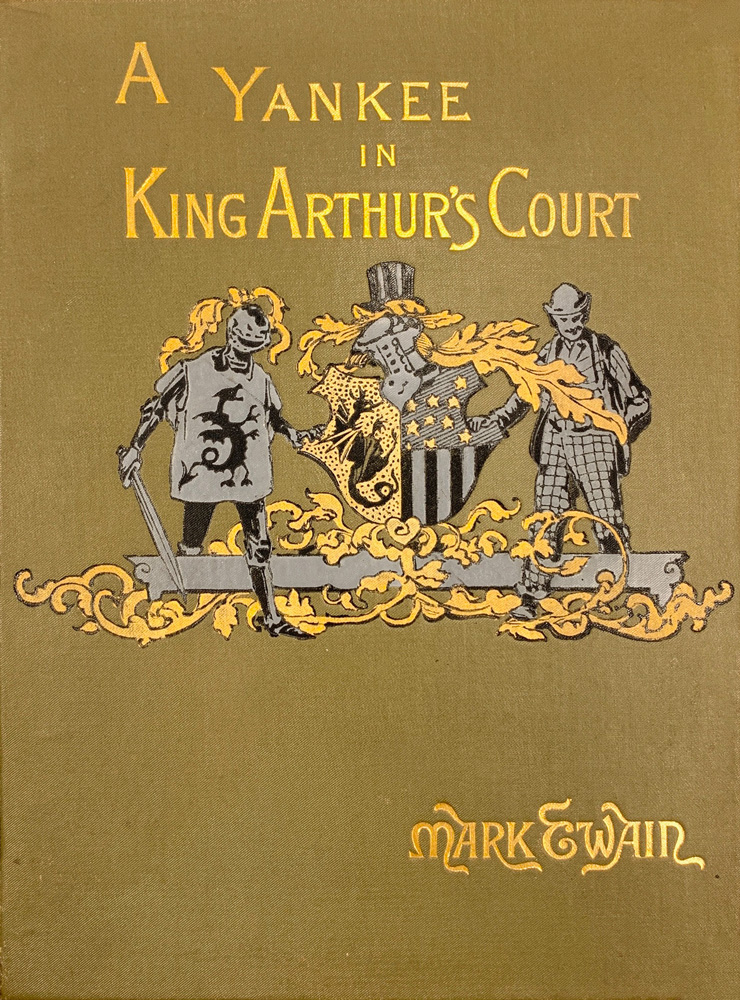
This text is a satirical and humorous narrative blending historical, mythological, and fantastical elements, depicting a time-traveling narrator's experiences in King Arthur's Britain, where he employs cunning and modern tactics to influence and reform medieval society. Through elaborate episodes involving counterfeit miracles, political intrigue, and battles, it critiques obsolete laws, hereditary privilege, religious dogma, and societal injustice, revealing the enduring power of intelligence, rationality, and human ingenuity. Ultimately, it contrasts the superficial grandeur of monarchy and aristocracy with the authentic strength of common sense and individual effort.
free

Роман представляет собой яркое, сатирическое повествование о веселых авантюрах Остапа Бендера и Ипполита Матвеевича, охватывающее путешествия по разным городам и события, наполненные юмором и гротеском. Текст насыщен аллюзиями, сатирическими комментариями и фантастическими сценариями, где satire сочетается с абсурдом, раскрывая лицемерие, бюрократию и коррупцию эпохи. В основе лежит идея о неутолимой жажде богатства, обмане и ловком использовании бюрократических формальностей для достижения богатства и власти.
free
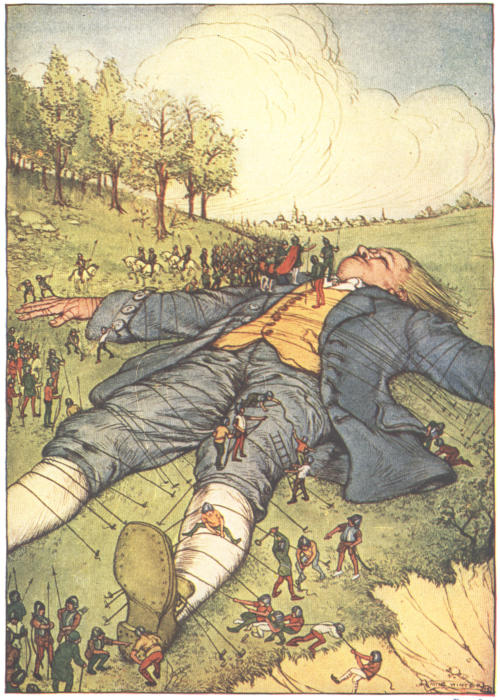
The text is an extensive satirical narrative of Gulliver's travels, depicting his encounters with various fictional nations and creatures, highlighting the foolishness and corruption of human institutions and behaviors through exaggerated allegories. It emphasizes the importance of truthfulness in travel writing, criticizes political, legal, and social corruption, and advocates for virtue and rationality exemplified by the Houyhnhnms. The work combines detailed fictional adventures with philosophical reflections, aiming to instruct and morally improve the reader by contrasting human vice with the virtues of the Houyhnhnms.
free

Это произведение представляет собой сатирический, фантастический и пародийный текст, сочетающий абсурдные ситуации, гиперболизированные персонажи и гротескные описания. В нем высмеиваются бюрократическая власть, коррупция, бюрократическая неэффективность, совестливое популизм и революционные иллюзии, подчеркнутая ироничным стилем. Центральной темой являются абсурдность советской системы, коррупции и бюрократии, выраженная через юмористические фантазии, сатирические аллюзии и утрированные ситуации.
free